The Mystery of the Nimitz Sailor Missing: Investigating the Disappearance of Petty Officer Third Class Wesley Jones
The mystery of the Nimitz sailor missing centers on the perplexing and officially unexplained disappearance of Petty Officer Third Class Wesley Jones from the nuclear-powered aircraft carrier USS Nimitz (CVN-68) while operating at sea....
The mystery of the Nimitz sailor missing centers on the perplexing and officially unexplained disappearance of Petty Officer Third Class Wesley Jones from the nuclear-powered aircraft carrier USS Nimitz (CVN-68) while operating at sea. This enduring naval enigma highlights the profound challenges of maritime search and rescue operations, the psychological pressures of modern military service, and the meticulous investigative protocols triggered when a service member vanishes without a trace from a heavily monitored warship.
Contents
Background and Context of the USS Nimitz
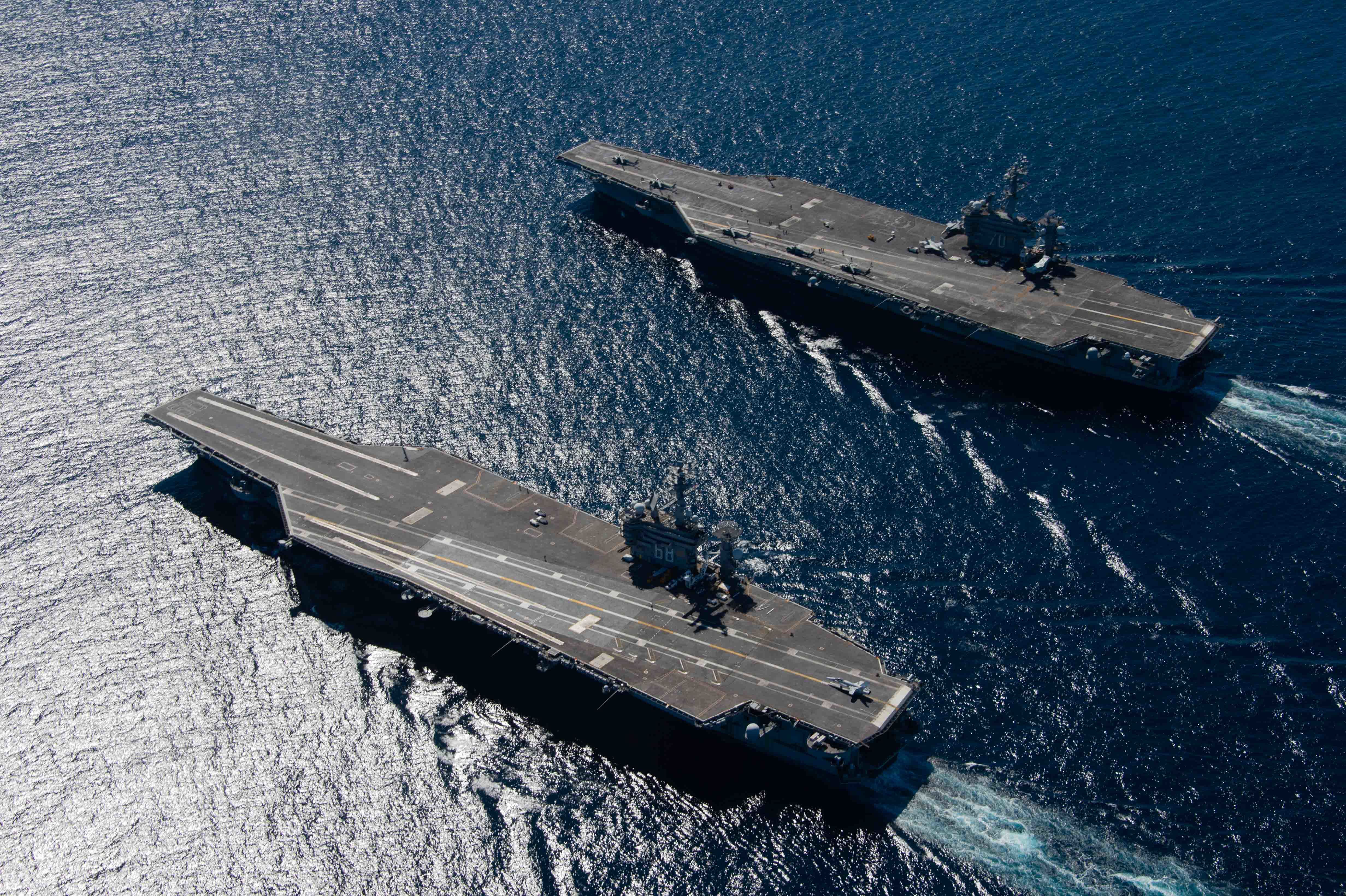
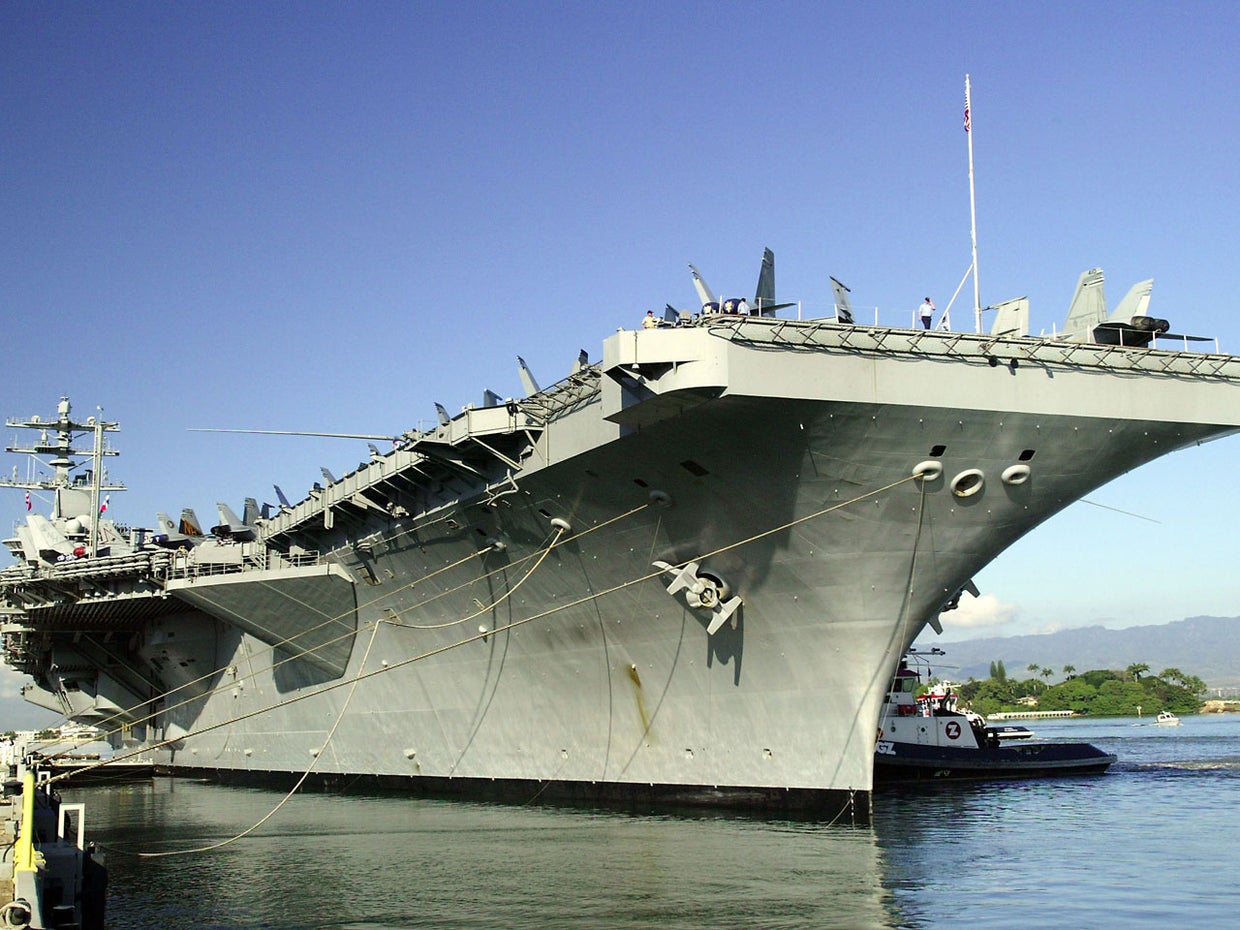
Commissioned in 1975 as the lead ship of her class of nuclear-powered aircraft carriers, the USS Nimitz represents a floating city at sea, typically accommodating a crew of over 5,000 sailors and aviators. Operating a vessel of this scale requires rigid accountability, continuous watch rotations, and strict adherence to safety protocols. Every individual on board is assigned to specific divisions, workspaces, and berthing compartments, making personnel tracking a fundamental component of day-to-day naval operations.
Despite these advanced tracking mechanisms, the vast labyrinth of steel decks, machinery spaces, and flight operations areas presents unique security and safety hurdles. When a sailor goes missing during deployment, it disrupts the entire task group, initiating immediate emergency responses and complex bureaucratic, legal, and investigative actions. Understanding the architectural and operational realities of the Nimitz is essential for contextualizing how an individual could vanish from a modern military installation.
The Disappearance of Petty Officer Third Class Wesley Jones
The core of the mystery involves Petty Officer Third Class Wesley Jones, whose absence during a scheduled deployment deployment of the USS Nimitz prompted an immediate and exhaustive emergency response. In cases of personnel vanishing from naval vessels at sea, standard operating procedures dictate that the ship immediately sound alarms, muster all divisions, and execute a comprehensive personnel accountability check to rule out misplacement within the ship's interior compartments.
Once an internal search exhausts all possible locations aboard the carrier, the presumption shifts toward a man-overboard scenario or an unaccounted-for absence. For Petty Officer Jones, the realization that he was missing triggered maritime search and rescue (SAR) protocols involving surface vessels and naval aviation assets. These operations face severe time constraints due to ocean currents, water temperatures, and visibility conditions, rendering the initial hours critical to the survival and recovery of any individual lost at sea.
Chronology of Initial Response Protocols
- Muster and Accountability: Immediate roll call conducted across all departments to confirm whether the sailor is performing duties elsewhere on the ship.
- Internal Search: Systematic physical sweeps of berthing bays, mess decks, engineering spaces, and the flight deck.
- General Quarters and Whistle: Announcement made throughout the carrier to halt non-essential movement and secure watertight boundaries.
- Man Overboard Notification: Activation of tactical surface and air assets to scour the vessel's wake and surrounding oceanic expanse.
Investigation and Naval Criminal Investigative Service (NCIS) Involvement
When immediate search and rescue efforts fail to locate a missing service member, jurisdiction shifts to formal investigative bodies, primarily the Naval Criminal Investigative Service (NCIS). The NCIS conducts comprehensive inquiries into the disappearance of Petty Officer Wesley Jones, examining every facet of his life, duties, and interactions aboard the USS Nimitz.
Investigators analyze digital footprints, including email communications, computer usage on shipboard terminals, financial records, and service records. Interviews are conducted extensively with shipmates, division officers, and close associates to reconstruct the sailor's state of mind prior to the disappearance. Furthermore, forensic evidence within berthing areas and workspaces is collected to determine whether foul play, self-harm, or voluntary separation was a factor. Despite these rigorous procedures, many high-seas disappearances leave investigators with sparse physical evidence, creating enduring unresolved questions for both the military and the sailor's family.
Maritime Search and Rescue Limitations at Sea
Conducting search and rescue operations from a moving aircraft carrier group involves immense technical difficulties. The open ocean presents vast square mileage where currents can rapidly disperse a person or object from the vessel's last known position.
| Operational Factor | Challenge in Open Ocean | Impact on Recovery |
|---|---|---|
| Vessel Speed and Wake | High cruising speeds create turbulent wakes and vast displacement. | Obscures initial sighting and accelerates drift distance. |
| Environmental Conditions | High sea states, heavy fog, and nocturnal darkness. | Severely limits visual range for lookouts and aircrews. |
| Drift Velocity | Ocean currents and windage vectors shift constantly. | Complicates predictive computer modeling for search grids. |
| Time Constraints | Rapid onset of hypothermia and dehydration in open water. | Narrows the viability window for successful rescue operations. |
These operational constraints explain why numerous maritime disappearances, including those from major naval platforms, conclude without locating the missing individual, leaving investigations open-ended for indefinite periods.
Impact on Military Personnel and Family Advocacy
The disappearance of a service member like Petty Officer Wesley Jones leaves a profound emotional and psychological impact on the crew of the USS Nimitz and the broader naval community. Operating in high-stress, high-tempo environments requires unwavering trust and cohesion among shipmates. When a colleague vanishes, it initiates grief, anxiety, and a critical reassessment of safety and mental health support structures within the fleet.
For the family and loved ones left behind, the lack of definitive closure creates a prolonged period of trauma. Advocacy groups and military support organizations often step in to assist families in navigating the complex administrative aftermath, which includes status changes from missing-at-sea to presumed deceased, military benefits adjustments, and ongoing communication with investigative agencies.
Common Misconceptions Regarding High-Seas Disappearances
Public fascination with naval mysteries often gives rise to speculation that overlooks maritime realities. Addressing these misconceptions clarifies the actual nature of these investigations:
- Myth: Modern warships have cameras covering every square foot.
- Fact: While security cameras monitor critical access points, tactical spaces, and weather decks, extensive blind spots remain across vast internal corridors and exterior catwalks for privacy and operational reasons.
- Myth: A ship can stop instantly to recover a missing person.
- Fact: Nuclear-powered aircraft carriers weigh over 100,000 tons and require significant distance and time to decelerate or execute a turnaround maneuver at operational speeds.
- Myth: Disappearances at sea are automatically classified as criminal acts.
- Fact: Every case is treated with open-range possibilities—ranging from accidental falls and intentional self-harm to foul play—until concrete evidence dictates otherwise.
Frequently Asked Questions
What happens immediately when a sailor goes missing on the USS Nimitz?
The ship initiates a mandatory wall-to-wall muster and internal physical search. If the sailor is unaccounted for, the vessel sounds man-overboard alarms and deploys surface and aviation assets to search the surrounding waters.
Who investigates disappearances aboard United States Navy vessels?
The Naval Criminal Investigative Service (NCIS) leads the official investigation, working in coordination with military leadership, medical examiners, and sometimes civilian law enforcement depending on the jurisdictional context of the ship's location.
Are family members kept informed during NCIS investigations?
Yes, designated military liaisons and casualty assistance officers maintain contact with the family, providing updates as permitted by the parameters of the active criminal investigation.
What is the legal status of a sailor missing at sea?
Initially classified as missing, a service member's status may eventually transition through administrative reviews to missing-in-action or presumed dead, depending on the duration and findings of the formal inquiry.
How does the Navy support mental health for deployed sailors?
The Navy provides embedded mental health professionals, chaplains, and confidential support programs on carriers like the USS Nimitz to help sailors cope with the stressors of extended deployments.
Next Actions and Support Resources
For those seeking verified information regarding military protocols or support services related to service member welfare, consulting official Department of Defense resources or established military family advocacy groups is recommended. Families and researchers can review public records provided by the Navy Personnel Command or reach out to the NCIS for formal inquiries regarding historical cases.
Image Gallery