The Definitive UPS Shipping Calculator Guide for 2026
Navigating the complexities of modern parcel logistics requires precise cost estimation, making a robust shipping calculator for UPS an essential tool for e-commerce merchants, enterprise supply chains, and individual senders alike. Ac...
Navigating the complexities of modern parcel logistics requires precise cost estimation, making a robust shipping calculator for UPS an essential tool for e-commerce merchants, enterprise supply chains, and individual senders alike. Accurately forecasting transportation expenditures in 2026 demands a thorough understanding of dimensional weight mechanics, service-level variations, and updated carrier rate structures. Leveraging the official digital rate estimator correctly prevents margin erosion, optimizes operational workflows, and ensures customer delivery expectations are consistently met.
Contents
Core Mechanics of UPS Rate Calculation in 2026
Calculating accurate shipping fees requires evaluating several interrelated variables that influence how United Parcel Service prices domestic and international transit. Modern logistics software and online estimators process these data points instantaneously, yet understanding the underlying formula helps shippers manually audit invoices and optimize packaging strategies.
- Actual Weight versus Dimensional Weight: UPS bills shipments based on whichever is greater: the physical scale weight or the volumetric size. The current divisor for standard commercial and residential shipments is 139 for imperial measurements (length times width times height in inches divided by 139).
- Service Level Classifications: Rates vary dramatically depending on speed and mode, ranging from same-day expedited options like UPS Next Day Air Early to cost-effective ground networks and economy solutions.
- Origin and Destination ZIP Codes: Distance dictates the assigned Zone (ranging from Zone 2 for local transits to Zone 8 and above for cross-country or remote deliveries). Higher zones translate to higher base tariffs.
- Residential Surcharges: Deliveries to homes carry distinct surcharges compared to commercial addresses, which impact total landed costs significantly for direct-to-consumer operations.
Understanding Dimensional Weight Formulas
Failing to account for dimensional weight is the single most common cause of unexpected shipping cost overruns. Shippers who pack small, lightweight items in oversized boxes are routinely penalized by carriers who charge for the space the package occupies within the aircraft hold or delivery truck.
To calculate dimensional weight manually for a box measuring 18x12x12 inches, multiply the dimensions to get 2,592 cubic inches, then divide by the 2026 standard divisor of 139. This yields a chargeable dimensional weight of 18.6 pounds. If the physical scale weight of the contents is only 5 pounds, the shipper will be billed at the 19-pound rate. Optimizing packaging materials and reducing dead air space directly mitigates this financial exposure.
Step-by-Step Guide to Using the Official UPS Rate and Service Selector
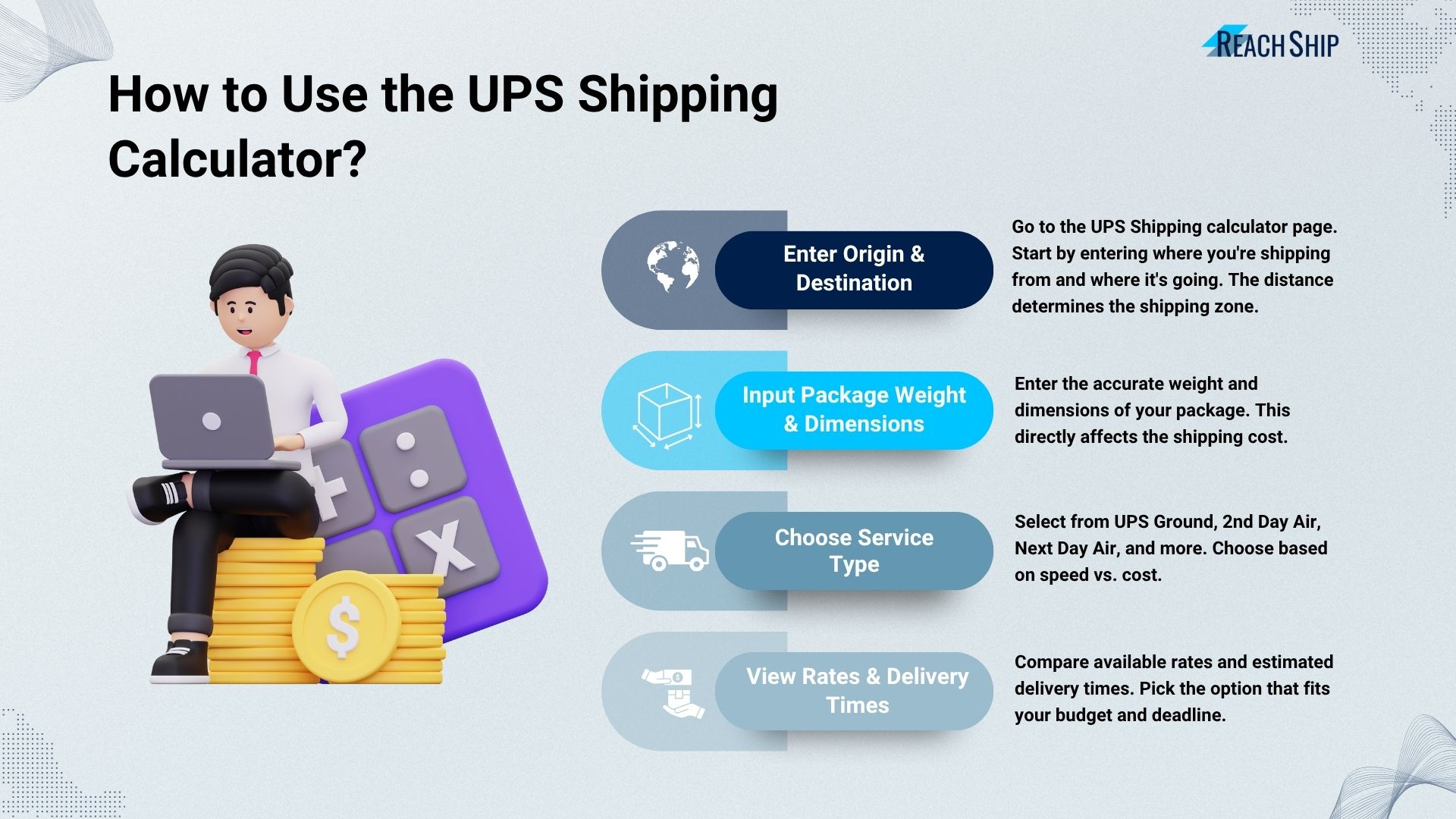
Maximizing the utility of the online shipping calculator for UPS involves entering precise data across a structured workflow. Follow this step-by-step procedure to generate reliable quotes for single or batch shipments.
- Access the Portal: Navigate to the official UPS website and select the Calculate Time and Cost tool under the Shipping menu tab.
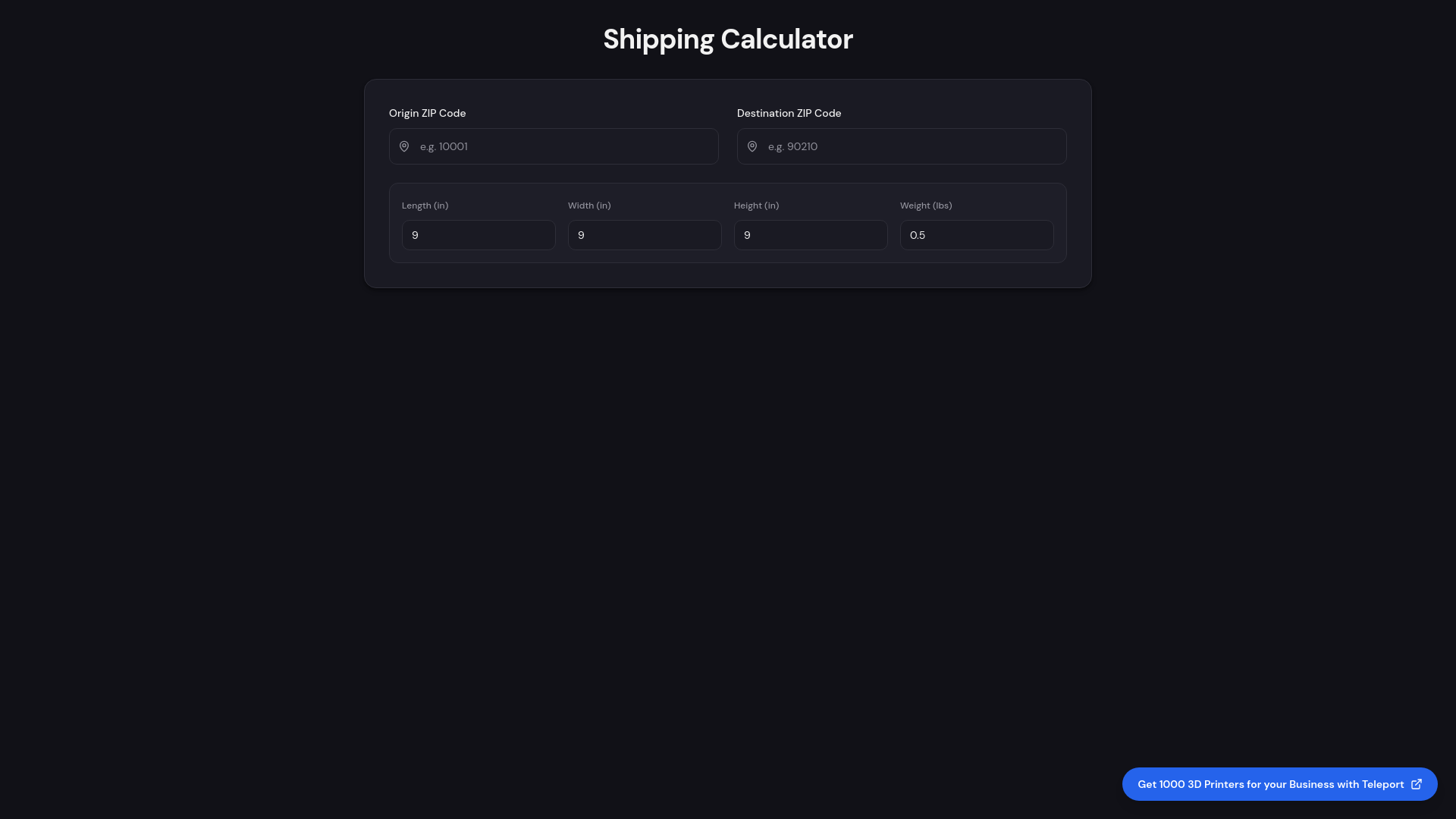
- Input Location Data: Enter the exact 5-digit origin ZIP code and the destination ZIP code or international country code. Ensure proper classification of the destination address type as either commercial or residential.
- Specify Package Characteristics: Enter the exact weight in pounds and ounces, alongside precise length, width, and height dimensions. For multi-piece shipments, add each box individually to account for cumulative weight breaks.
- Select Pickup or Drop-Off Method: Indicate whether the package will be dropped off at a UPS Customer Center, The UPS Store, an authorized drop box, or picked up by a scheduled driver.
- Apply Value-Added Services: Check necessary options such as declared value insurance, signature required upon delivery, or Saturday delivery if applicable.
- Compare Delivery Speeds and Rates: Review the populated list of available services, comparing guaranteed transit days against total estimated costs before selecting the preferred label generation option.
Comparative Analysis of UPS Service Tiers
Selecting the appropriate service tier balances customer urgency with strict budgetary constraints. The following matrix outlines the primary domestic service categories available through the platform in 2026.
| Service Level | Typical Delivery Window | Primary Use Case | Surcharge Profile |
|---|---|---|---|
| UPS Ground | 1-5 Business Days (By end of day) | Standard e-commerce fulfillment, heavy commercial goods | Low base rates, standard residential surcharges apply |
| UPS 3 Day Select | 3 Business Days (By end of day) | Regional or time-sensitive domestic orders | Moderate pricing tier with guaranteed day-definite delivery |
| UPS 2nd Day Air | 2 Business Days (Typically by 10:30 AM or end of day) | High-value retail items, urgent replacement parts | Higher zone-based tariffs, fuel surcharges apply |
| UPS Next Day Air | Next Business Day (10:30 AM, 12:00 PM, or end of day) | Critical documents, perishable medical supplies | Premium pricing structure, strict on-time delivery guarantees |
Advanced Strategies for Reducing Shipping Expenditures
Relying solely on baseline calculator estimates leaves substantial cost-saving opportunities on the table. High-volume shippers and growing businesses must implement strategic optimizations to drive down overall transportation spend.
- Leverage Third-Party Shipping Platforms: Integrate multi-carrier shipping management systems that pull discounted commercial rates directly via API, often bypassing standard retail rate cards.
- Audit Weekly Invoices: Routinely check carrier bills against original calculator quotes to identify billing errors, unauthorized accessorial fees, or dimensional weight recalculations.
- Negotiate Custom Contracts: Businesses exceeding specific weekly or annual revenue thresholds should engage a UPS account executive to establish customized pricing agreements tailored to specific shipping profiles.
- Utilize Lightweight Packaging Materials: Upgrade from heavy corrugated boxes to padded mailers or custom poly bags where structural protection allows, instantly reducing billable dimensional weight.
Pros and Cons of Utilizing Automated Shipping Calculators
Evaluating the operational utility of digital rate estimators reveals distinct advantages alongside notable limitations that operators must manage.
- Pros:
- Instantaneous price comparisons across multiple service speeds eliminate guesswork.
- Integration capabilities with major e-commerce platforms (Shopify, WooCommerce, Magento) automate checkout freight calculations for customers.
- Transparent breakdown of fuel surcharges, residential fees, and accessorial charges prevents billing surprises.
- Cons:
- Standard online calculators generally display retail rates unless linked to an authenticated business account with active discounts.
- Unanticipated surcharges for peak seasons, remote area deliveries, or oversized items may not always be fully captured in preliminary quick quotes.
- Relying on manual data entry for high-volume orders introduces human error risks regarding weight and dimensions.
Frequently Asked Questions
Does the online shipping calculator for UPS show retail or commercial rates?
The default public interface typically displays standard retail counter rates. To view discounted commercial pricing, users must log in with an active business profile or connect their account through an authorized shipping API.
How are fuel surcharges calculated in the rate estimator?
Fuel surcharges fluctuate weekly based on the national average index for diesel fuel prices. The calculator automatically incorporates the current percentage adjustment into the final quoted cost.
Can the calculator determine international duties and taxes?
Yes, advanced international shipping calculators include options to estimate customs duties, tariffs, and value-added taxes (VAT) based on the declared commodity description and country of export.
What happens if my package dimensions differ from what I entered?
UPS audits packages during transit using automated sorting facility scanners. If discrepancies are found between the entered dimensions and actual measurements, a billing adjustment fee and corrected freight charge will be applied to the shipper's account.
Are weekend delivery options available through the standard calculator?
Saturday and Sunday delivery services are available in select metropolitan areas and must be specifically selected during the service tier comparison phase, as they incur additional surcharges.
How can I integrate real-time UPS rate calculations into my online store?
Store owners can utilize official UPS developer APIs or certified third-party shipping plugins to display accurate, real-time rates at their checkout page based on the buyer's exact cart contents and shipping address.
Streamline your logistics workflow today by running precise estimates through the official shipping calculator for UPS and locking down the most cost-effective service tier for your enterprise requirements.
Image Gallery