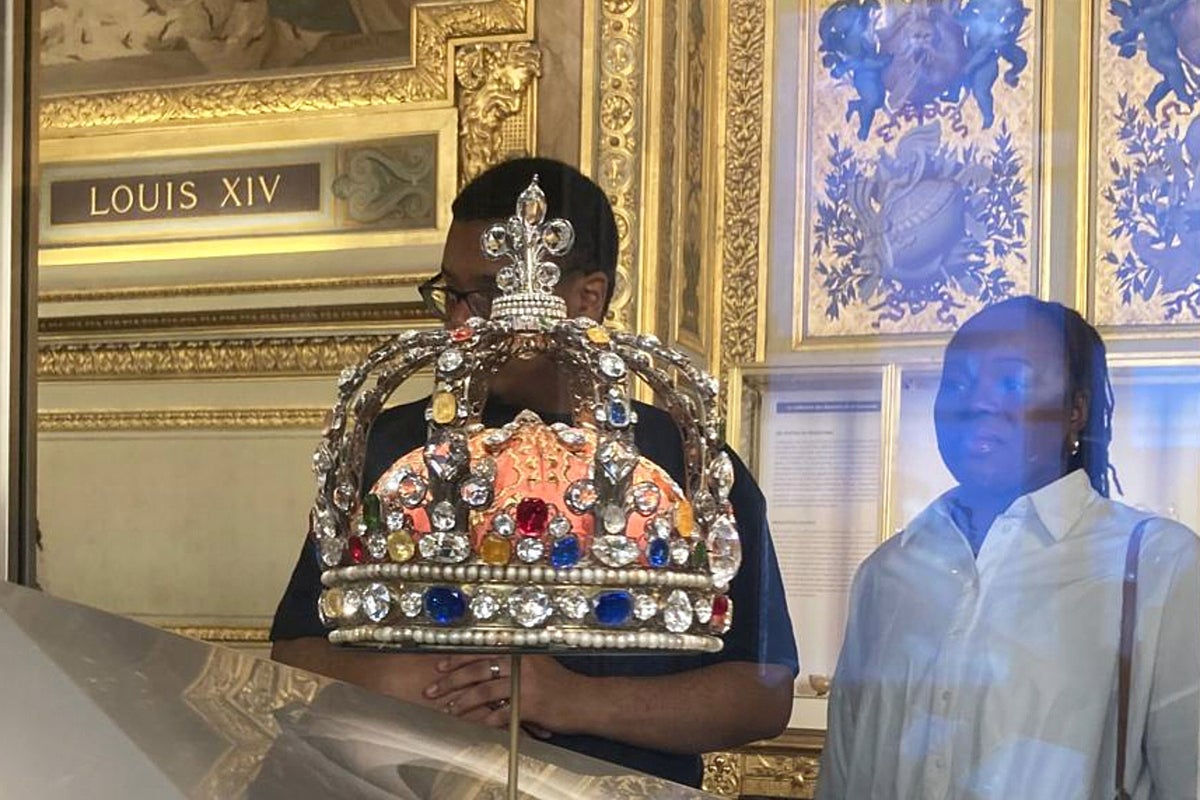
Which Jewels Were Stolen From the Louvre: A Brief Overview of Historical Security Breaches
The Louvre Museum, globally recognized as a sanctuary for human creativity and history, has faced numerous security challenges throughout its centuries-long existence. While the institution is world-renowned for its protection of the M...
The Louvre Museum, globally recognized as a sanctuary for human creativity and history, has faced numerous security challenges throughout its centuries-long existence. While the institution is world-renowned for its protection of the Mona Lisa and the Venus de Milo, the question of which jewels were stolen from the Louvre often refers to specific, high-profile historical incidents involving the French Crown Jewels and other precious artifacts housed within the Palais du Louvre before its transition into a museum, as well as subsequent security incidents involving its collections.
Contents
The Evolution of the Louvre and Its Treasures
To understand the nature of thefts associated with the Louvre, one must first recognize that the structure served as a royal residence for centuries before the French Revolution transformed it into a public museum in 1793. During the period of the French monarchy, the palace held the French Crown Jewels, a collection of significant political and symbolic importance.
Unlike a modern bank vault, the historic Louvre was a porous space, often filled with courtiers, staff, and soldiers. The most significant loss of royal treasure did not occur through a singular "heist" in the modern cinematic sense, but rather during the volatile periods of political upheaval, specifically the French Revolution and the subsequent chaotic transfer of assets.
Historical Context: The Theft of the French Crown Jewels
The most famous "theft" involving the Crown Jewels occurred in 1792 during the French Revolution. While the events took place at the Garde-Meuble de la Couronne (the Royal Furniture Repository), which was located in the Place de la Révolution rather than the current Louvre museum galleries, the artifacts were intrinsically linked to the French royal collection that forms the core of the Louvre’s decorative arts and treasury departments today.
During a week of civil unrest in September 1792, armed individuals broke into the repository. The collection included the famous "Regent" diamond, a massive, near-flawless stone that had been worn by various French monarchs. Most of the pieces were stolen, though the Regent diamond was eventually recovered after being hidden in a garret. Much of the rest of the collection was permanently lost, broken down, or smuggled out of France, fundamentally altering the visual history of the French monarchy.
Distinguishing Royal Treasures from Modern Museum Collections
It is a common point of confusion to conflate the loss of the French Crown Jewels during the revolutionary era with the internal security of the modern Louvre Museum. Since the establishment of the Louvre as a dedicated museum, security protocols have evolved from simple guards to advanced, multi-layered electronic and human surveillance systems.
Modern "thefts" from the Louvre are statistically rare and usually involve smaller, more portable items or documented historical instances where art or jewelry was taken during times of war or occupation. For instance, during the German occupation of France in World War II, the Louvre's treasures were evacuated to various châteaux across the country to prevent systematic looting by the Nazis. While these items were technically "taken" from the museum's walls, they were removed for their own protection by the Louvre staff rather than stolen by common criminals.
Comparison of Significant Losses and Asset Displacements
The following table summarizes the nature of notable losses associated with the Louvre and the French royal collections.
| Incident | Period | Nature of Loss | Current Status |
|---|---|---|---|
| Garde-Meuble Theft | 1792 | Violent looting of state assets | Majority permanently lost |
| Napoleonic Era Claims | 1800s | Repatriation of looted works | Returned to owners/countries |
| WWII Evacuation | 1939-1945 | Protective relocation | Successfully recovered |
| Modern Gallery Thefts | Late 20th C. | Rare, isolated petty theft | Recovered or cataloged as lost |
The Myth of the "Great Jewel Heist"
In contemporary media and popular culture, there is often a narrative surrounding a "Great Jewel Heist" at the Louvre. However, historical records do not support the existence of a high-stakes, cinematic jewelry robbery within the Louvre Museum galleries. The confusion likely stems from several sources:
- Fictional Portrayals: Films and literature frequently use the Louvre as a backdrop for high-concept art and jewelry robberies, blending the romanticism of the museum with the criminal underworld.
- Repatriation Debates: The international movement to return artifacts taken during colonial periods or military conflicts is sometimes characterized as "reclaiming stolen goods," which the public may interpret as a theft from the museum.
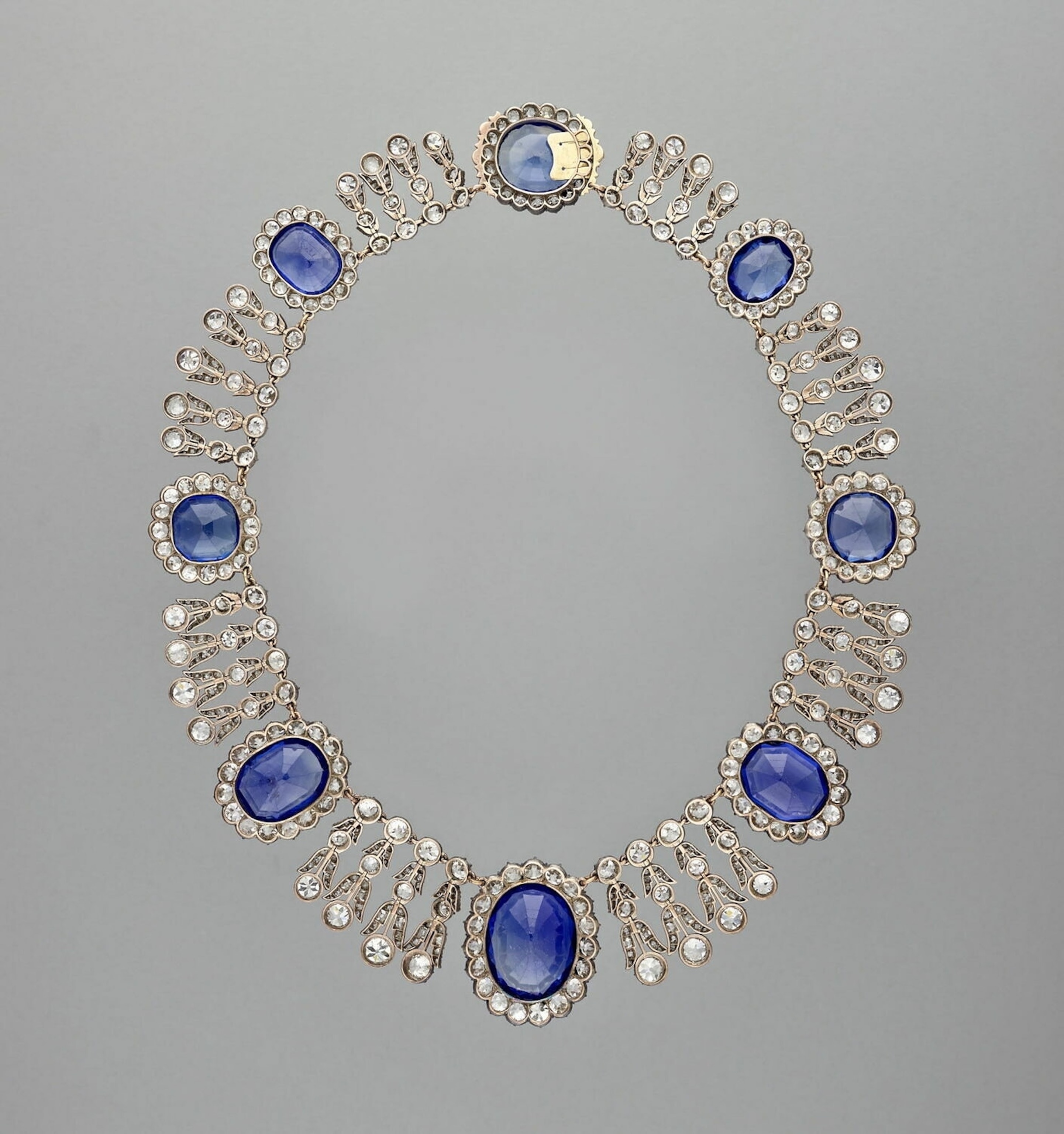
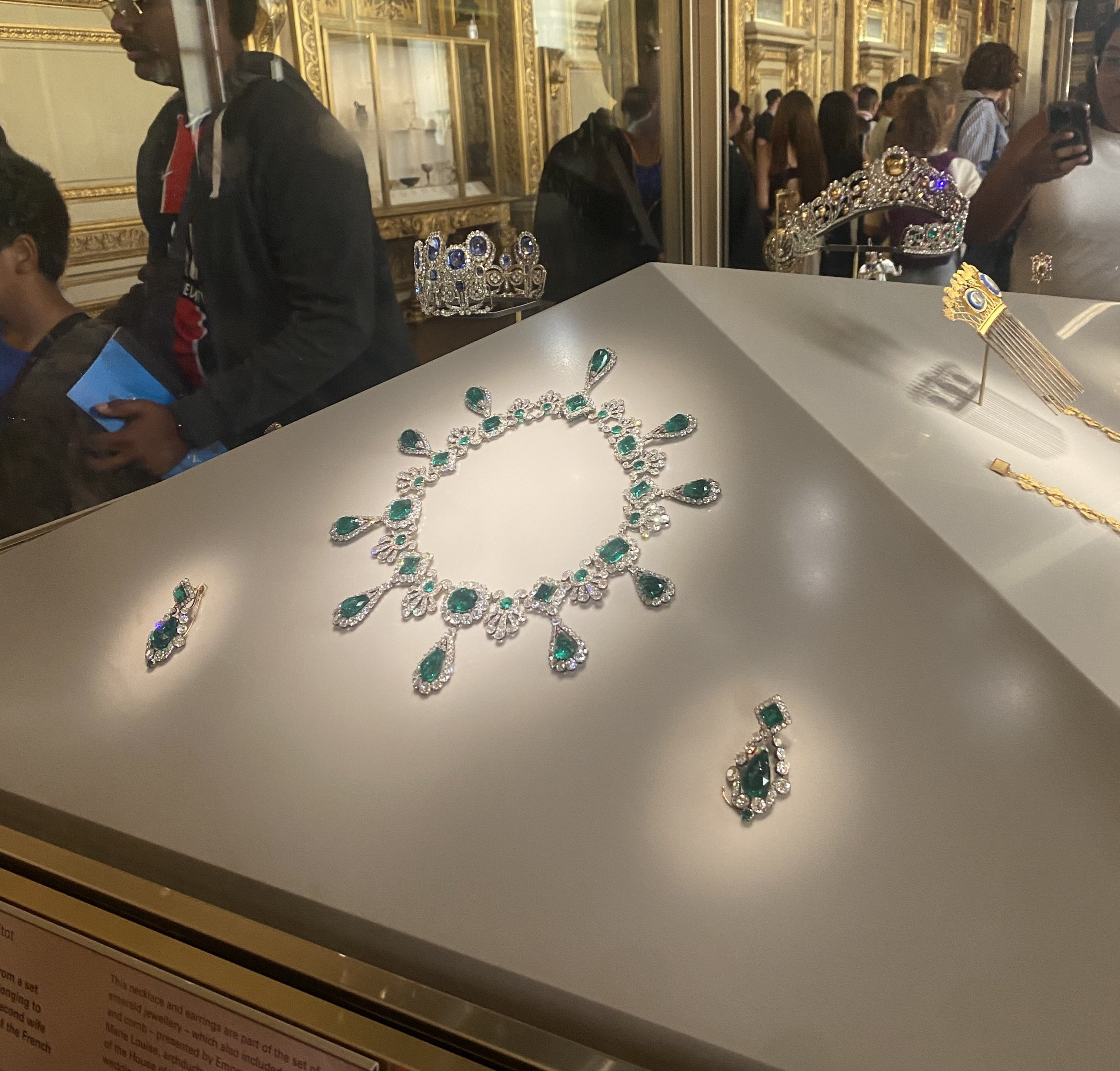
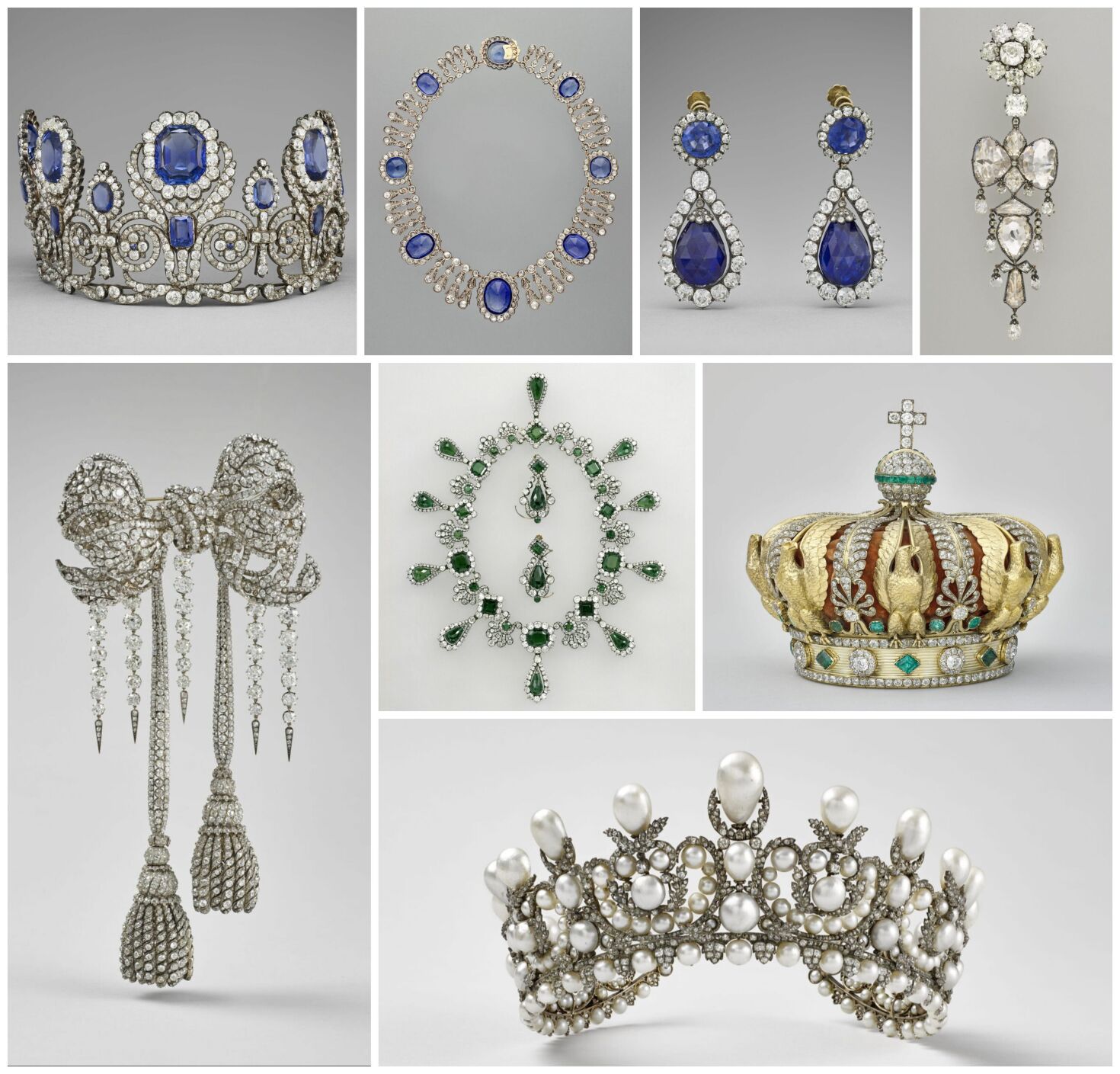
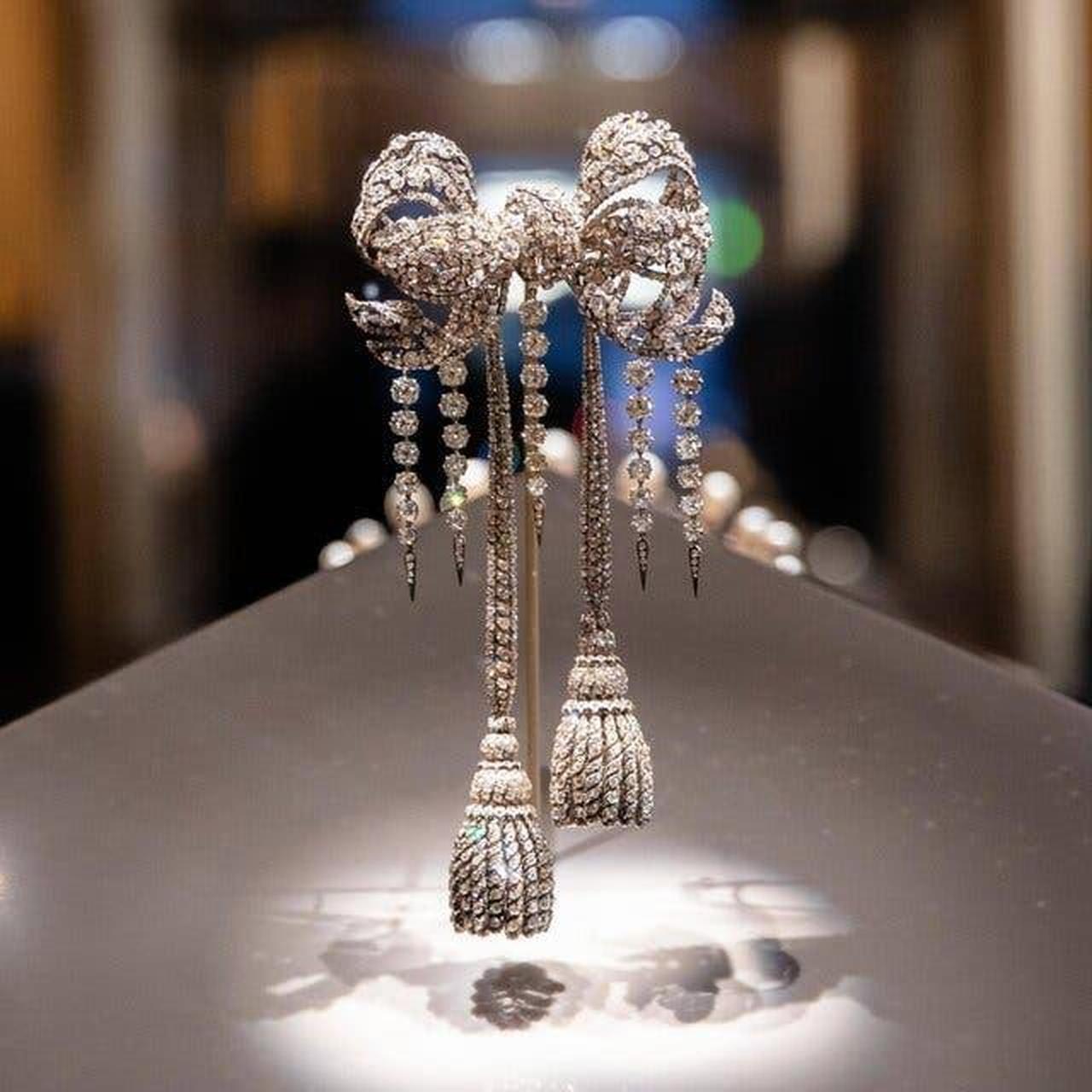
- The French Crown Jewels: Because the French Crown Jewels (what remains of them) are now primarily displayed at the Louvre in the Galerie d'Apollon, visitors assume that the items stolen in 1792 were "stolen from the Louvre." In reality, they were stolen from the royal treasury before that collection was curated in its current museum setting.
Security Infrastructure in 2026
As of 2026, the Louvre employs some of the most sophisticated security technology in the world. The facility utilizes a combination of infrared motion sensors, weight-sensitive pedestals, biometric access controls for staff, and a dedicated team of gendarmerie and private security professionals.
The security approach is proactive rather than reactive. Every piece of jewelry or artifact displayed within the Galerie d'Apollon is housed in reinforced, blast-resistant glass cases. Each of these cases is linked to an integrated alarm system that monitors vibration, temperature, and atmospheric pressure. Any unauthorized movement or breach in these micro-environments triggers an immediate lockdown of the specific gallery, isolating the threat while alerting both on-site guards and local law enforcement.
Frequently Asked Questions (FAQ)
1. Was the Mona Lisa ever stolen from the Louvre? Yes. In 1911, the Mona Lisa was famously stolen by Vincenzo Peruggia, an Italian museum worker who believed the painting belonged in Italy. It was missing for two years before being recovered in Florence in 1913. This is the most famous theft in the museum's history, but it involved a painting, not jewelry.
2. Are any of the stolen French Crown Jewels currently on display? Some items from the original collection were recovered and are on display in the Galerie d'Apollon. These pieces are remnants of a much larger, dispersed collection. The state has spent the last two centuries acquiring and repatriating items from the original royal treasury whenever they appear at auction.
3. What happens if a piece of art is found to have been "looted"? France has rigorous legal frameworks regarding provenance. If a piece in the Louvre is proven to have been looted during the Nazi occupation or through illicit historical means, the institution is legally bound to review its status. In recent years, the museum has worked to identify and return objects to the descendants of rightful owners.
4. How does the Louvre protect its jewelry today? Beyond physical barriers, the museum uses digital fingerprinting for objects and real-time surveillance. The vaulting systems used for items not on public display are equivalent to those used by national banks, featuring multi-key authorization and seismic detection.
5. Is it possible for a visitor to steal an artifact today? The possibility is virtually non-existent due to the integration of physical and technological barriers. Modern museum security is designed to identify "pre-theft" behavior, such as loitering or attempting to bypass velvet ropes, long before a visitor could ever touch a display case.
Next Steps for Historical Research
If you are interested in researching specific artifacts and their provenance, the best approach is to utilize the official Louvre Collections Database. This database provides the historical trajectory of nearly every object in their care, including its acquisition date, donor information, and any historical notes regarding its preservation or restoration. For academic inquiries regarding the theft of the French Crown Jewels, consulting the archives of the Archives Nationales in Paris is recommended for primary source documentation.
While the Louvre has experienced its share of dramatic history, it remains one of the most secure environments for cultural heritage in the world. The "thefts" that haunt its history are largely relics of a time when the concept of a public museum did not exist—a time when state treasures were subject to the whims of political revolution rather than the standardized protection of modern international law.
Image Gallery