Elvis and His Manager Colonel Tom Parker: The Complex Partnership That Defined Rock History
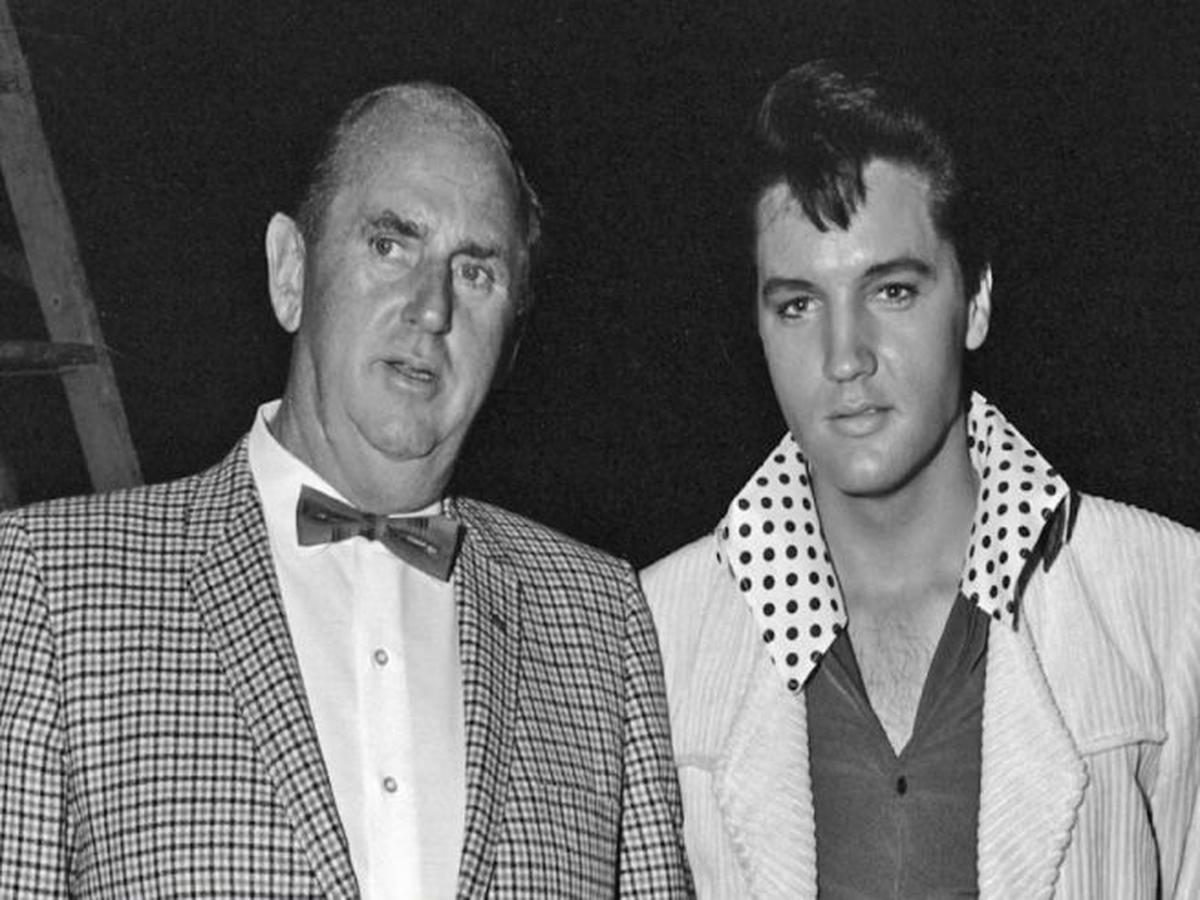
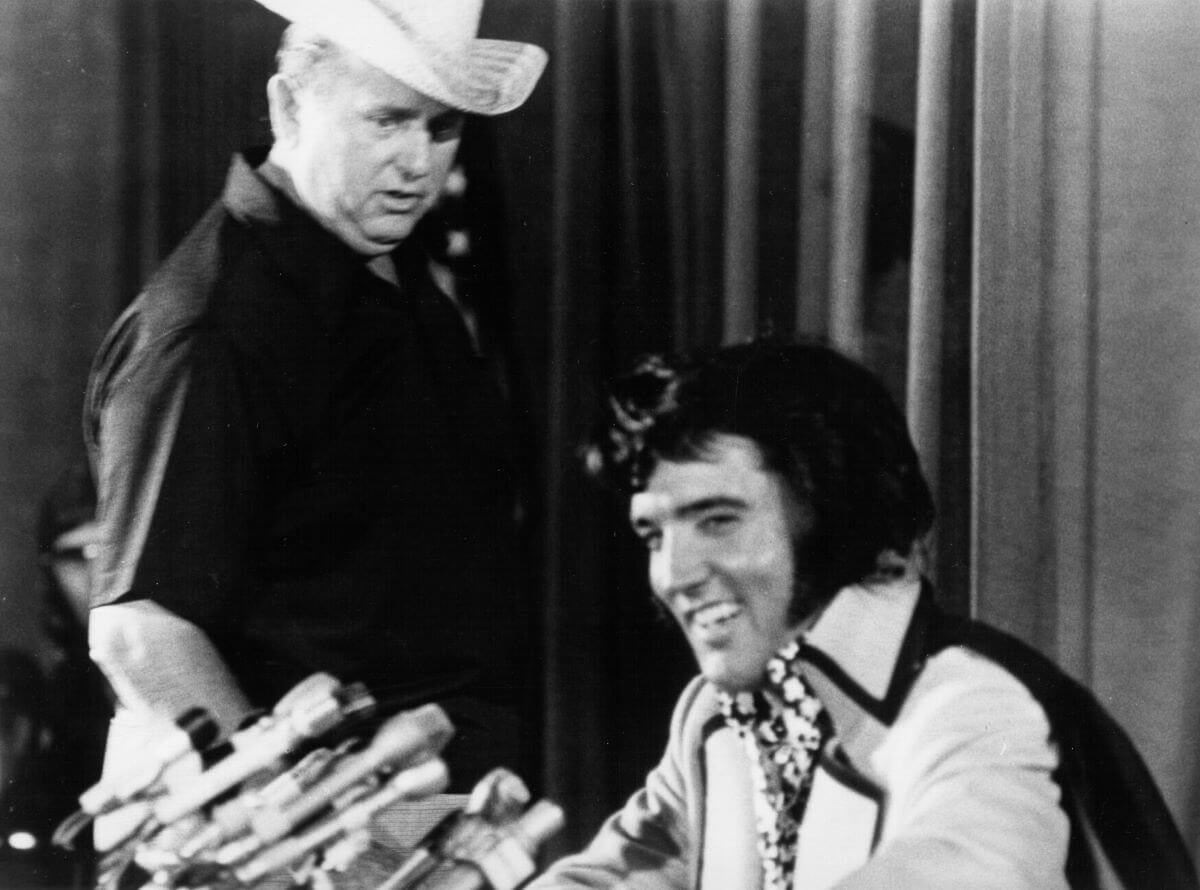
The relationship between Elvis Presley and his manager, Colonel Tom Parker, was a 22-year partnership that transformed a Memphis truck driver into a global cultural phenomenon. While Parker’s aggressive marketing and business acumen se...
The relationship between Elvis Presley and his manager, Colonel Tom Parker, was a 22-year partnership that transformed a Memphis truck driver into a global cultural phenomenon. While Parker’s aggressive marketing and business acumen secured Presley’s financial legacy, his controlling tactics and controversial 50% commission remain a subject of intense historical debate and legal scrutiny.
Contents
The Genesis of the Partnership: From Memphis to RCA
In 1955, Elvis Presley was a rising regional star on the Sun Records label, managed by Bob Neal. However, his potential had outgrown the small-scale operations of Sam Phillips’ studio. Enter Andreas Cornelis van Kuijk, an illegal Dutch immigrant who had reinvented himself as "Colonel" Tom Parker—a title bestowed upon him by Louisiana Governor Jimmie Davis. Parker, a former carnival promoter, recognized that Elvis was not just a singer but a "commodity" with unprecedented market appeal.
Parker began advising Elvis in mid-1955 and officially became his sole representative in March 1956. His first major move was orchestrated with surgical precision: negotiating the buyout of Elvis's contract from Sun Records for $35,000, an astronomical sum at the time. He moved Elvis to RCA Victor, a major label with the distribution power to put Elvis in every household in America. This transition was the catalyst for the "Elvismania" that followed, as Parker utilized his carnival-honed promotional skills to create a national frenzy through television appearances and strategic merchandising.
The Business of "Elvis": Merchandising and Branding
One of Parker’s most revolutionary—and cynical—contributions to the music industry was his approach to merchandising. He understood that Elvis was a brand long before that concept became a standard industry term. Parker formed Specialists Management Inc. and later Boxcar Enterprises to handle licensing.
In a move that highlighted his ruthless pragmatism, Parker even licensed "I Hate Elvis" buttons. He realized that if people were going to spend money to express their dislike for his client, that money might as well go into his and Elvis’s pockets. This total market saturation ensured that by the end of 1956, Elvis was the most recognizable face in the world. Parker’s focus was rarely on the artistic quality of the music; he prioritized "the deal," focusing on publishing rights and upfront payments that favored immediate cash flow over long-term artistic growth.
The Hollywood Era: Prioritizing Profit Over Artistry
As the 1960s began, Parker made a strategic decision that remains controversial among fans and historians: he pivoted Elvis away from live performances and toward a career as a Hollywood leading man. For nearly a decade, Elvis was kept off the concert stage, instead starring in a string of increasingly formulaic musical comedies like Blue Hawaii and Viva Las Vegas.
While these films were financially lucrative, they were artistically stifling. Parker negotiated contracts that ensured Elvis was the highest-paid actor in Hollywood, but the quality of the scripts declined. Elvis grew increasingly frustrated with the "formula," yet Parker maintained that as long as the movies turned a profit, the strategy was a success. Parker’s influence over Elvis’s career during this time was absolute; he acted as a gatekeeper, isolating Elvis from outside influences that might encourage him to take more creative risks.
The 1968 Comeback and the Las Vegas Years
By 1968, Elvis’s relevance was fading in the face of the British Invasion and the psychedelic rock movement. Against Parker’s initial wishes for a traditional Christmas special, Elvis collaborated with producer Steve Binder to create the '68 Comeback Special. The success of this television event proved that Elvis was still a potent live performer.
Parker leveraged this resurgence to secure a residency at the International Hotel in Las Vegas. Beginning in 1969, Elvis returned to the stage with a power and charisma that redefined the "Vegas act." However, this era also marked the beginning of a darker phase in their relationship. Parker, an inveterate gambler, reportedly owed millions to the Hilton (which bought the International). Many historians, including Peter Guralnick in his definitive biography Careless Love, argue that Elvis was trapped in a grueling cycle of Vegas residencies to cover Parker’s massive gambling debts.
The Financial Exploitation and the "50 Percent" Deal
Perhaps the most notorious aspect of the Parker-Presley relationship was the management fee. While a standard management commission in the music industry typically ranges from 10% to 20%, Parker eventually negotiated a 50% split of Elvis’s earnings.
This arrangement was solidified in 1967 and expanded in subsequent years. Parker justified this by claiming he was a "partner" rather than just a manager, handling everything from publicity to travel arrangements. However, this left Elvis—who was notoriously disinterested in his own finances—vulnerable. It was only after Elvis’s death in 1977 that the full extent of this financial imbalance was uncovered.
| Milestone Year | Event/Contract Type | Significance |
|---|---|---|
| 1955 | RCA Contract Buyout | Parker moves Elvis from Sun to RCA for $35,000. |
| 1956 | First Formal Agreement | Parker becomes the sole manager, initially for 25%. |
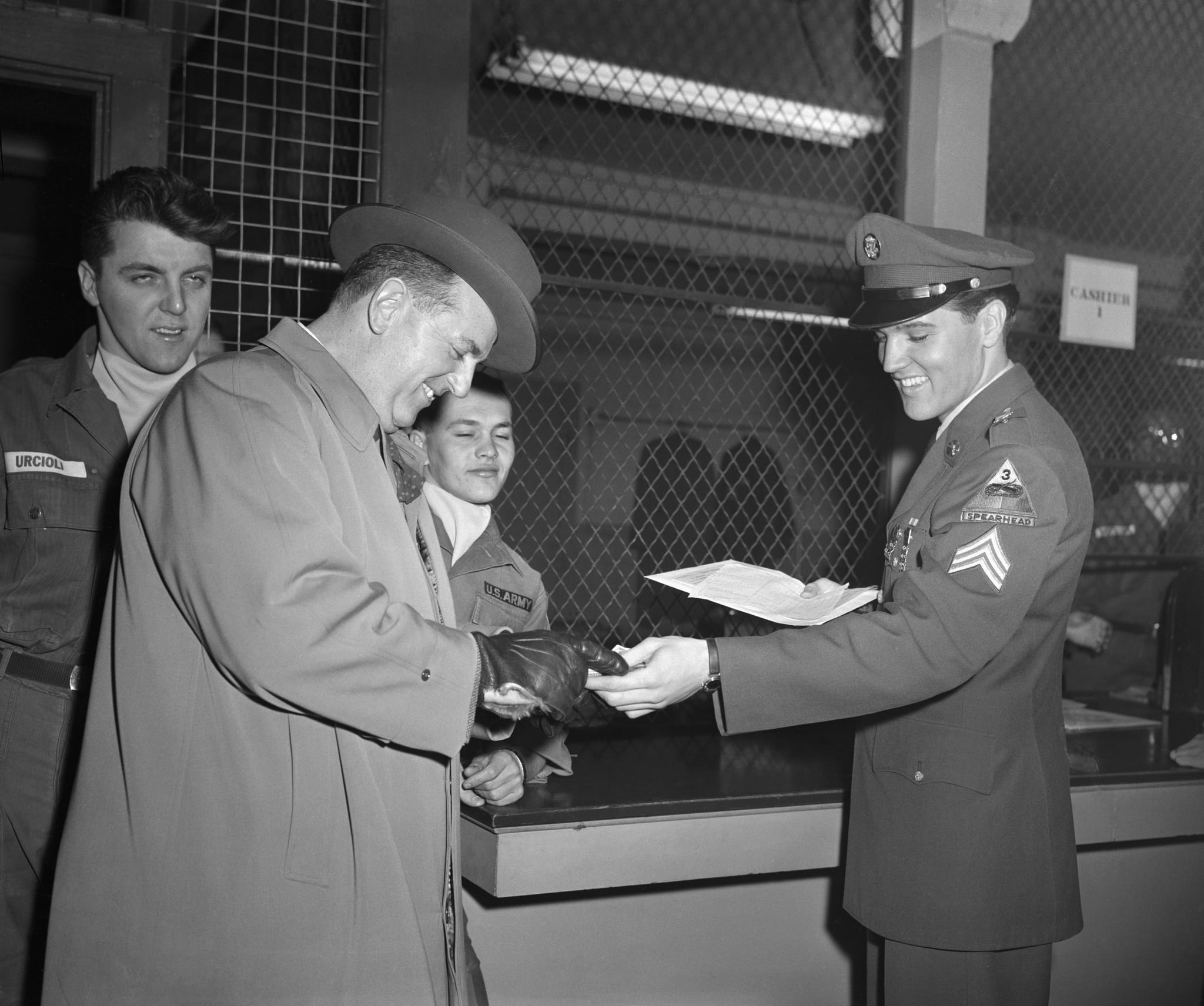
| 1958 | Army Induction | Parker keeps Elvis in the news during his 2-year service. |
| 1967 | Commission Increase | Parker renegotiates his fee to an unprecedented 50%. |
| 1969 | Las Vegas Residency | Shift to live performance, largely influenced by Parker's casino ties. |
| 1973 | Aloha from Hawaii | First global satellite broadcast, a Parker marketing triumph. |
| 1983 | Legal Settlement | Parker is removed from the estate's affairs following a lawsuit. |
The International Tour Mystery: Why Elvis Never Left North America
One of the greatest tragedies of Elvis’s career was his failure to tour internationally, despite massive demand in Europe, Japan, and South America. For decades, fans wondered why the "King of Rock and Roll" only performed five shows outside the United States—all of them in Canada in 1957.
The reason was hidden in Parker’s secret past. As an undocumented immigrant from the Netherlands, Parker did not possess a U.S. passport and feared that if he left the country, he would be denied re-entry or even deported. Rather than allowing Elvis to tour with another representative, Parker simply blocked all international offers, often demanding impossible sums of money to ensure the promoters would back away. This effectively caged Elvis within the borders of North America, limiting his global reach during his peak years.
Post-1977: The Legal Fallout and Parker's Legacy
Following Elvis’s death on August 16, 1977, Parker continued to act as if he controlled the Presley brand. However, the executors of the Presley estate, particularly Priscilla Presley and attorney Blanchard Tual (the guardian ad litem for Lisa Marie Presley), began to question Parker's management of the finances.
A 1981 investigation by Judge Joseph Evans concluded that Parker’s management had been "unethical" and "overreaching." The court found that Parker had failed to register Elvis with the performing rights organization BMI, resulting in the loss of millions in songwriting royalties. In 1983, a settlement was reached that removed Parker from all Presley-related business, effectively ending his reign over the King's legacy. Parker died in 1997, largely defended by some as the architect of rock stardom and vilified by others as a parasitic figure.
Frequently Asked Questions
Was Colonel Tom Parker actually a military colonel?
No, the title was honorary. It was granted to him in 1948 by Governor Jimmie Davis of Louisiana. Parker had served in the U.S. Army as a young man but went AWOL and was eventually discharged following a mental breakdown. He used the "Colonel" title to project authority and a "Southern gentleman" persona that masked his Dutch origins.
Did Colonel Tom Parker contribute to Elvis's health decline?
While Parker did not directly cause the health issues that led to Elvis's death, many biographers argue that his management style contributed to the stress. By locking Elvis into exhausting schedules of two shows per night in Las Vegas and preventing him from pursuing more fulfilling artistic projects, Parker created an environment where Elvis felt trapped. The pressure to maintain the "Elvis" machine necessitated the energy and sedative levels that Elvis sought through prescription drugs.
How much money did Colonel Tom Parker make from Elvis?
Estimates suggest that over the course of their 22-year partnership, Parker took home more than $100 million. This was achieved through his 50% commission on earnings, as well as separate deals where he took pieces of merchandising, publishing, and film production fees. By the time of his death, however, much of Parker's wealth had been lost to his high-stakes gambling habit.
Why didn't Elvis ever fire Colonel Tom Parker?
Elvis was notoriously loyal and preferred to avoid confrontation. Parker had been with him since the beginning and had convinced Elvis that without "The Colonel," he would still be driving a truck in Memphis. Furthermore, Elvis’s father, Vernon Presley, was also highly dependent on Parker’s business decisions, creating a family dynamic that made firing him socially and emotionally difficult.
Is it true that Parker sold Elvis's song catalog for a fraction of its value?
In 1973, Parker negotiated a deal with RCA where the label paid a lump sum of $5.4 million for the buyout of all future royalties on Elvis's entire back catalog up to that point. While it provided immediate cash, it was a disastrous long-term financial move, depriving the Presley estate of hundreds of millions of dollars in recurring royalty income over the following decades.
Practical Recommendation for Further Research
To fully understand the weight of this partnership, historians and fans should examine the primary legal documents released during the 1981 probate court investigation in Memphis. These documents provide the most objective look at the financial structure of their deals. For a more narrative perspective, Peter Guralnick’s two-volume biography (Last Train to Memphis and Careless Love) remains the gold standard for verified historical context regarding their personal and professional interactions. Visiting the Graceland Archives in Memphis also offers a tangible look at the contracts and correspondence that dictated Elvis’s career.
Image Gallery