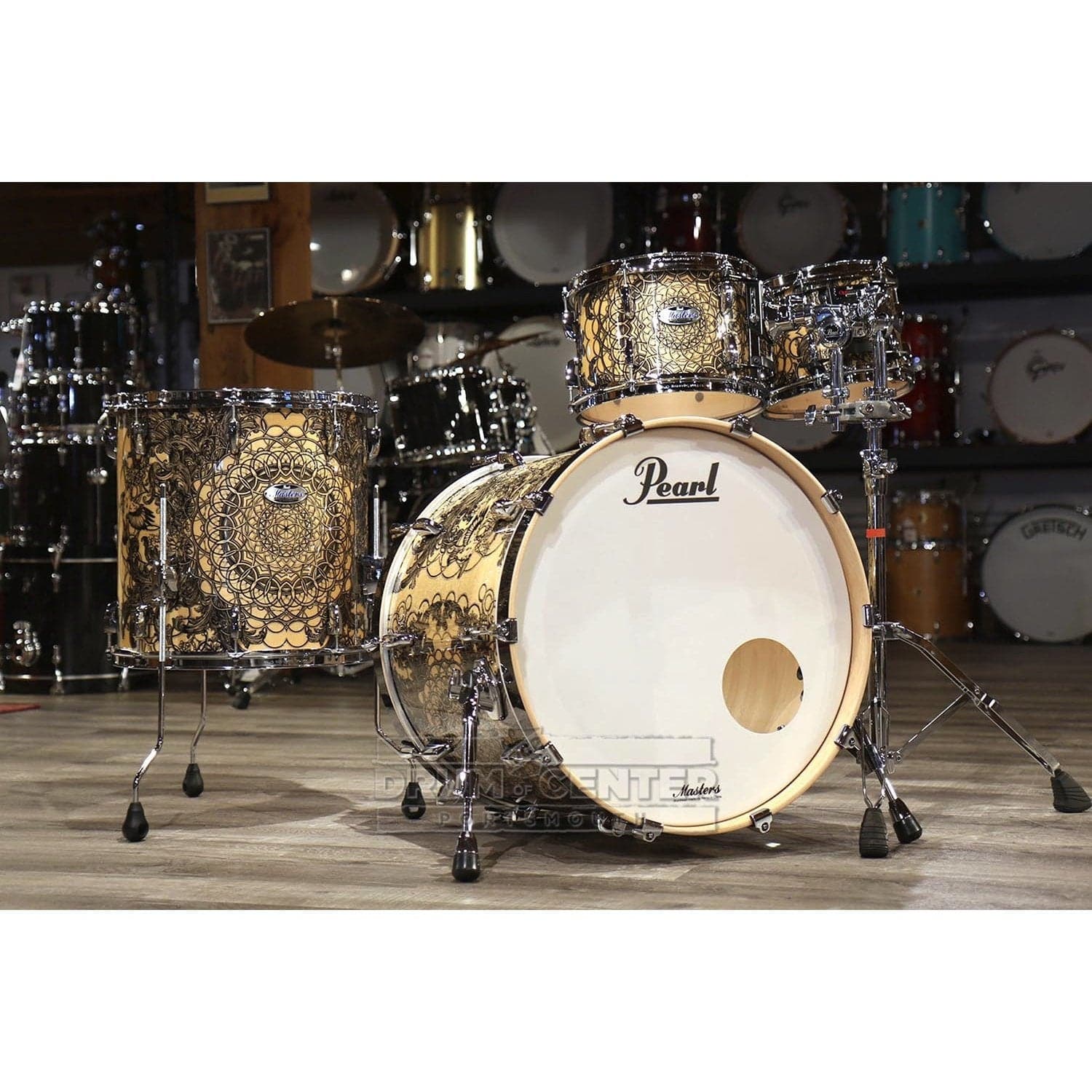
Selecting and Maintaining Your Pearl Masters Drum Set
The Pearl Masters drum series represents the flagship professional-grade offering from the Pearl Musical Instrument Company, known for its focus on high-end shell materials, precision bearing edges, and hardware durability. Designed fo...
The Pearl Masters drum series represents the flagship professional-grade offering from the Pearl Musical Instrument Company, known for its focus on high-end shell materials, precision bearing edges, and hardware durability. Designed for touring professionals and dedicated studio drummers, these kits provide a refined, resonant sound profile characterized by superior projection, tonal warmth, and versatile tuning ranges suitable for diverse musical genres.
Contents
The Evolution and Positioning of the Masters Series
The Pearl Masters series has occupied the top tier of Pearl’s non-bespoke drum offerings for decades. While Pearl offers various lines, the Masters series is distinct for its focus on specific wood compositions and refined manufacturing processes. Understanding the placement of these kits within the market requires looking at the shell technology. Historically, the Masters series shifted through several iterations, including the MMX (Maple Masters Custom), MRX (Masters Custom Extra), and BRX (Masters Custom Birch).
In the contemporary landscape, Pearl has refined the line into two primary configurations: the Masters Maple Complete (MCT) and the Masters Maple Reserve (MRS). The "Complete" series is engineered for the gigging professional who requires consistent, high-quality maple performance in standardized sizes, while the "Reserve" series focuses on thin, highly resonant shells and premium hardware, often catering to studio environments where nuance and sensitivity are paramount.
Understanding Shell Construction and Tonal Profiles
The core of any professional drum set is its shell composition, as this dictates the fundamental frequency and sustain of the instrument. Pearl Masters sets primarily utilize North American maple, a hardwood prized for its balanced frequency response—offering a combination of punchy low-end, articulate mid-tones, and a smooth high-end attack.
- EvenPly Shells: Pearl employs a proprietary heat-compression process that ensures the wood plies are bonded with uniform pressure. This contributes to the structural integrity of the shell, preventing warping over years of varying humidity and temperature conditions, which is critical for touring equipment.
- Bearing Edges: A 45-degree bearing edge is standard on most Masters models. This specific angle maximizes head-to-shell contact, allowing for a sensitive response that rewards precise tuning. The precision of these edges ensures that even low-tension tunings maintain a clear, melodic pitch.
- Finish and Durability: Pearl utilizes a multi-step lacquering process that is thinner than heavy wraps, allowing the shell to vibrate more freely. This aesthetic and functional choice contributes to the overall resonance that defines the "Masters" sound.
Comparing Masters Series Configurations
When choosing a Pearl Masters set, identifying the specific sub-series is essential, as the hardware and shell thickness vary significantly between models.
| Feature | Masters Maple Complete (MCT) | Masters Maple Reserve (MRS) |
|---|---|---|
| Primary Use | Touring / Versatile Gigging | Studio / Precision Performance |
| Shell Thickness | 6-ply (5.4mm) | 4-ply (5mm) with Re-Rings |
| Hardware | CL Bridge Lugs | STL Swivel Tube Lugs |
| Hoops | 2.3mm Triple Flanged SuperHoop II | FatTone Hoops |
| Focus | Projective, Bold, Consistent | Resonant, Warm, Sensitive |
Integration of Hardware and Components
The hardware included with a Masters kit is engineered to preserve the resonance of the shell. A common mistake among new owners is over-tightening or installing non-compatible mounting hardware, which can "choke" the drum.
The OptiMount Suspension System is a cornerstone of the Masters line. By attaching to the tension rods rather than drilling into the shell, this system minimizes vibration loss. When setting up a kit, ensure that the rubber isolators on the OptiMount are clean and properly seated. If the mount feels unstable, check that the tension rods are tightened evenly across the head, as uneven tension can cause the drum to tilt within the mount.
The choice of heads is equally important. Because Masters shells are highly resonant, the selection of drumheads acts as your primary EQ. A single-ply coated head will emphasize the drum's natural sustain and warm overtones, whereas a two-ply head will dampen high frequencies and increase the fundamental "thud" or punch, making it more suitable for high-volume rock or metal settings.
Essential Maintenance and Troubleshooting
Maintaining a professional-level instrument requires consistent care to preserve the wood and the mechanical components. Given the sensitivity of the shell construction, humidity management is your most important preventative measure.
- Environment: Store the drums in a climate-controlled room. Rapid fluctuations in humidity can lead to "shell creep," where the circularity of the drum is compromised.
- Hardware Lubrication: The tuning rods on high-end kits should be lubricated with a small amount of white lithium grease. This prevents the metal-on-metal wear that can lead to stripped threads over time.
- Tension Rods: Check tension rods for straightness. If a rod becomes bent, replace it immediately; forcing a bent rod into a lug can damage the internal threading of the lug casing.
- Cleaning: Use a soft, lint-free microfiber cloth for the lacquered finish. Avoid household sprays containing ammonia or silicone, as these can cloud the lacquer or leave residue that attracts dust.
If you encounter persistent buzzing or "rattling" sounds during play, inspect the lug casings. Over time, internal springs within the lugs may shift. A small piece of cotton or foam inserted into the lug casing can often dampen these sympathetic vibrations without affecting the drum's resonance.
Frequently Asked Questions
Why does the Masters series use re-rings on some models? Re-rings, or reinforcement rings, are added to the interior of thin-shelled drums to provide structural support. They allow the shell to be manufactured thinner (improving resonance) while maintaining the shape and strength necessary to withstand high tension from drumheads.
Are Pearl Masters kits suitable for beginners? While the build quality of a Masters kit is excellent, they are generally considered professional-tier investments. A beginner may find the specialized hardware and thin-shell sensitivity harder to maintain than a more robust, entry-level drum kit. However, for a student intending to pursue a long-term career, these kits provide a superior learning tool regarding tuning and tonal control.
Can I mix and match old and new Pearl Masters drums? Generally, yes, as Pearl has maintained consistent shell sizes and lug spacing for most modern iterations. However, be aware that manufacturing techniques change; an older shell might have a slightly different timbre or bearing edge profile than a newer one.
What is the best way to transport a Pearl Masters kit? Hard-shell, foam-lined cases are essential for a professional kit of this caliber. Even "road-ready" lacquers can be damaged by impact. Always ensure that the hardware is transported separately to prevent the metal from marking or gouging the wood shells.
How do I identify the year of my Pearl Masters kit? Pearl kits generally have a serial number on the badge. You can contact Pearl’s customer support or visit their official archive database to decode the serial number, which will often reveal the manufacturing date and specific model series.
Next Steps for Owners
To get the most out of your Pearl Masters drum set, invest time in learning the "Clear-to-Muffled" tuning range. Because these drums have high-quality shells, they are capable of a wider tuning range than budget sets. Start with a medium-tension tuning to understand the natural decay of the shell. Experiment with small increments of tensioning the resonant head independently of the batter head to control the "pitch bend" of the drum. If you are preparing for a recording session, consult a professional drum technician to ensure your kit is properly dialed in for the specific room acoustics you will be encountering.
Image Gallery