Robert Zemeckis Oscar: A Legacy of Innovation and Academy Recognition
Robert Zemeckis is an Academy Award-winning director, best known for winning the Oscar for Best Director for the 1994 film Forrest Gump. While his career is defined by pioneering visual effects and storytelling, this remains his sole p...
Robert Zemeckis is an Academy Award-winning director, best known for winning the Oscar for Best Director for the 1994 film Forrest Gump. While his career is defined by pioneering visual effects and storytelling, this remains his sole personal win, though his collective body of work has garnered dozens of nominations across technical and creative categories.
Contents
The 67th Academy Awards: The Triumph of Forrest Gump
The 1995 Academy Awards ceremony, honoring the films of 1994, marked the pinnacle of Robert Zemeckis's relationship with the Academy of Motion Picture Arts and Sciences (AMPAS). Forrest Gump entered the night as a juggernaut, leading the pack with 13 nominations. The competition was formidable, featuring cultural milestones like Quentin Tarantino’s Pulp Fiction and Frank Darabont’s The Shawshank Redemption.
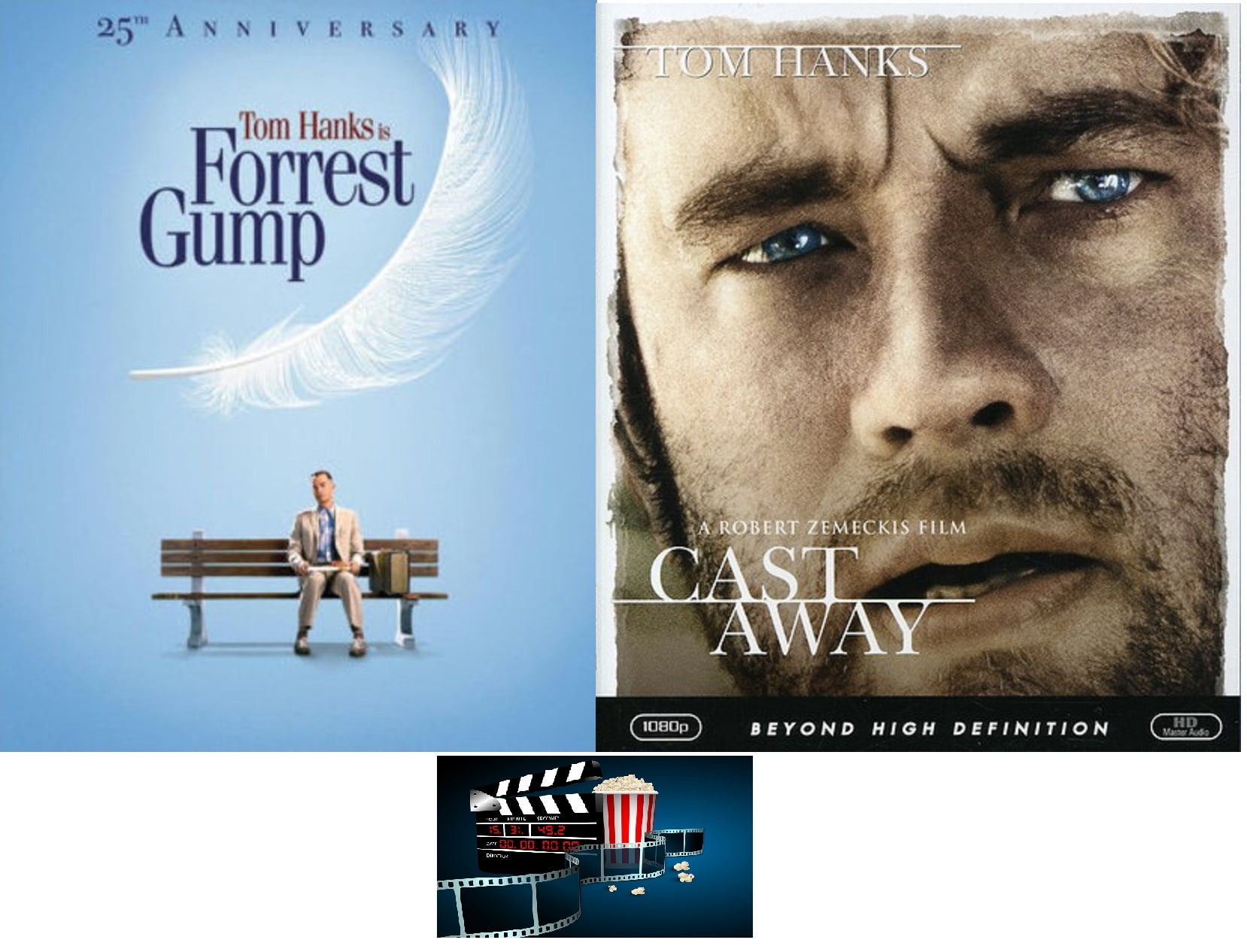
Zemeckis’s win for Best Director was a recognition of his ability to weave complex, ground-breaking visual effects into a deeply emotional human narrative. The film eventually won six Oscars, including Best Picture and Best Actor for Tom Hanks. What set Zemeckis apart during this cycle was his "invisible" use of technology. While previous films used CGI to create monsters or space battles, Zemeckis used it to insert Tom Hanks into historical footage with world leaders, a feat that felt miraculous to audiences in the mid-1990s.
The success of Forrest Gump at the Oscars solidified Zemeckis as a filmmaker who could balance commercial viability with critical acclaim. It remains a rare example of a film that captured the "zeitgeist" so thoroughly that its Oscar sweep felt almost inevitable, despite the high caliber of its competitors.
Early Recognition and the Back to the Future Era
Before the sweeping success of the 1990s, Robert Zemeckis first caught the Academy’s eye as a screenwriter. In 1986, he and his long-time writing partner, Bob Gale, were nominated for Best Original Screenplay for Back to the Future. Although they did not win—losing to Witness—the nomination served as a formal introduction to the industry's elite.
Back to the Future is often cited by film historians as a "perfect" screenplay, showcasing Zemeckis’s penchant for tight plotting and "setup and payoff" mechanics. While the film won an Oscar for Best Sound Effects Editing, Zemeckis’s failure to secure a Best Director nomination for the film is often viewed in retrospect as a significant oversight, given the film’s lasting cultural impact and flawless execution.
The late 1980s continued Zemeckis's streak of technical dominance. Who Framed Roger Rabbit (1988) was a watershed moment for the industry. While Zemeckis was not personally nominated for Best Director, the film won three competitive Oscars (Film Editing, Sound Effects Editing, and Visual Effects) and a Special Achievement Award for animation direction given to Richard Williams. The film’s success proved that Zemeckis could manage massive technical complexity without losing sight of the narrative, a trait that would eventually lead to his Forrest Gump win.
Technical Innovation and the Visual Effects Categories
Robert Zemeckis’s influence on the Oscars extends far beyond his personal nominations. He has been a primary driver of the Best Visual Effects category for decades. His production company, ImageMovers, has consistently pushed the boundaries of what the Academy considers "film."
Through projects like Contact (1997) and Cast Away (2000), Zemeckis demonstrated that visual effects could be used to enhance realism rather than just create fantasy. Cast Away, in particular, earned Tom Hanks a Best Actor nomination and was a nominee for Best Sound, but Zemeckis himself remained in the background of the awards conversation during this era, despite the film's massive critical and commercial success.
The Motion Capture Controversy
In the early 2000s, Zemeckis shifted his focus toward performance capture (mocap) technology, beginning with The Polar Express (2004). This period created a complex dilemma for the Academy. The Polar Express was nominated for three Oscars: Best Sound Editing, Best Sound Mixing, and Best Original Song ("Believe"). However, it was snubbed in the Best Animated Feature category.
This snub ignited a debate that lasted for years: should performance-capture films be categorized as "animated" or "live-action"? The Academy eventually ruled that "motion capture is not an animation technique," a decision that many saw as a direct response to Zemeckis’s insistence that his mocap films were a new medium entirely. This tension perhaps explains why Zemeckis has seen fewer personal nominations in the 21st century; his obsession with digital humans—often falling into the "uncanny valley"—frequently alienated the more traditional branches of the Academy.
Robert Zemeckis: Oscar History and Notable Nominations
The following table summarizes the primary Academy Award outcomes for films directed by Robert Zemeckis, focusing on his personal nominations and major category wins for his productions.
| Film Year | Title | Zemeckis Personal Nomination | Category | Result | Major Film Wins |
|---|---|---|---|---|---|
| 1985 | Back to the Future | Yes | Best Original Screenplay | Nominated | Best Sound Effects Editing |
| 1988 | Who Framed Roger Rabbit | No | N/A | N/A | Visual Effects, Editing, Sound Effects |
| 1994 | Forrest Gump | Yes | Best Director | Won | Best Picture, Best Actor, VFX, etc. |
| 1997 | Contact | No | N/A | N/A | Nominated for Best Sound |
| 2000 | Cast Away | No | N/A | N/A | Nominated for Best Actor, Sound |
| 2004 | The Polar Express | No | N/A | N/A | Nominated for Best Song, Sound |
| 2012 | Flight | No | N/A | N/A | Nominated for Best Actor, Screenplay |
The "Zemeckian" Style and Academy Appeal
To understand why Zemeckis has succeeded with the Academy, one must analyze the "Zemeckian" style. His work typically features a "relatable everyman" thrust into extraordinary circumstances, utilizing cutting-edge technology to ground the fantastical in reality.
The Academy of Motion Picture Arts and Sciences historically favors "the craft." Zemeckis appeals to this by being a "director’s director"—someone who understands the mechanics of every department, from cinematography to sound design. His collaboration with composer Alan Silvestri has also been a cornerstone of his Oscar-adjacent success; Silvestri’s scores for Zemeckis films, such as Forrest Gump and The Polar Express, have become iconic pieces of cinema history that elevate the emotional resonance of the films.
In more recent years, including his 2024 film Here, Zemeckis has continued to experiment with de-aging technology and fixed-perspective storytelling. While these films have received mixed critical receptions, they keep him at the forefront of the Scientific and Technical Awards conversations, even when he isn't a frontrunner for Best Director.
FAQs About Robert Zemeckis and the Oscars
How many Oscars has Robert Zemeckis won personally?
Robert Zemeckis has won one Academy Award. He won Best Director for Forrest Gump at the 67th Academy Awards in 1995. While he has been nominated for other awards, such as Best Original Screenplay for Back to the Future, the Forrest Gump win remains his only personal Oscar statuette.
Was Robert Zemeckis nominated for an Oscar for Back to the Future?
Yes, but not for directing. Robert Zemeckis and Bob Gale received a nomination for Best Original Screenplay for Back to the Future in 1986. The film was a major success and won the Oscar for Best Sound Effects Editing, but Zemeckis was not among the five nominees for Best Director that year.
Why did the Academy struggle with Zemeckis's motion-capture films?
The Academy’s struggle stemmed from a definition of "animation." Films like The Polar Express, Beowulf, and A Christmas Carol used live actors' movements to drive digital characters. The Animation Branch of the Academy felt this didn't qualify as "pure" animation (which usually requires frame-by-frame manipulation), while the Acting Branch felt it was a threat to traditional performance. This "in-between" status often left his 2000s-era films without major category nominations.
Which Robert Zemeckis film has the most Oscar nominations?
Forrest Gump holds the record for Zemeckis, with 13 nominations. It won six of those, including the "Big Three": Best Picture, Best Director, and Best Actor. Other highly nominated films include Who Framed Roger Rabbit, which earned six nominations and won three competitive awards plus a special achievement.
Has Robert Zemeckis won a Lifetime Achievement Award from the Academy?
As of 2026, Robert Zemeckis has not yet been awarded an Honorary Oscar (Lifetime Achievement Award). However, he has received the Directors Guild of America (DGA) Lifetime Achievement Award in 2026, recognizing his extraordinary contributions to the craft of filmmaking and his role as a pioneer in digital cinema.
Future Outlook and Recommendations
For fans of cinema history and those studying the evolution of the Academy Awards, Robert Zemeckis represents the bridge between the "New Hollywood" era of the 1970s and the digital revolution of the 21st century. His Oscar journey reflects the industry's changing relationship with technology.
Actionable Recommendation: To truly appreciate Zemeckis's impact on the Oscars, viewers should watch Who Framed Roger Rabbit followed immediately by Forrest Gump. This sequence demonstrates the evolution of visual effects from a "spectacle" to a narrative tool—the very transition that earned Zemeckis his place in the pantheon of Academy Award-winning directors. For those interested in the technical side, exploring the Academy’s Scientific and Technical Awards archives provides deeper insight into the tools Zemeckis helped pioneer.
Image Gallery