The Charleston Church Massacre Explained: Origins, Impact, and Legal Outcomes
The Charleston church massacre was a white supremacist terrorist attack that occurred on June 17, 2015, at the Mother Emanuel African Methodist Episcopal (AME) Church in Charleston, South Carolina. Perpetrator Dylann Roof murdered nine...
The Charleston church massacre was a white supremacist terrorist attack that occurred on June 17, 2015, at the Mother Emanuel African Methodist Episcopal (AME) Church in Charleston, South Carolina. Perpetrator Dylann Roof murdered nine Black congregants during a Bible study, an act that triggered national debates on racism, domestic terrorism, and Confederate symbolism.
Contents
The Historical Significance of Mother Emanuel AME Church
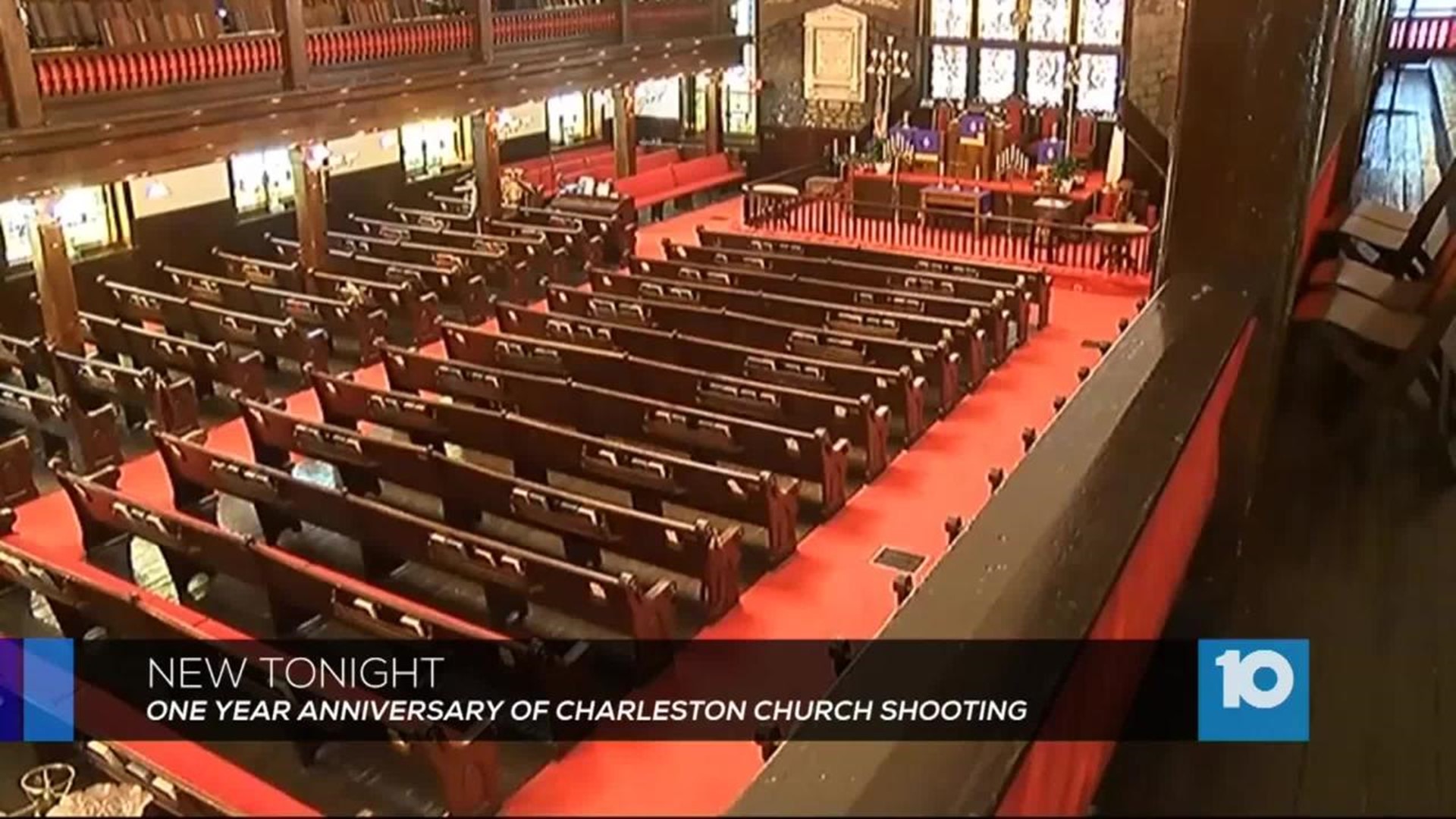
To understand the weight of the Charleston church massacre, one must first recognize the significance of the venue. The Emanuel African Methodist Episcopal Church, often called "Mother Emanuel," is the oldest AME church in the Southern United States. Founded in 1816, it has long served as a bastion of African American resistance, faith, and community organization.
The church's history is intertwined with the struggle against slavery. In 1822, one of its founders, Denmark Vesey, was accused of planning a massive slave rebellion. In the aftermath, the church was burned to the ground by white authorities, and Black religious gatherings were largely forced underground. The congregation rebuilt the structure following the Civil War, and it became a focal point for the Civil Rights Movement in the 20th century, hosting figures such as Booker T. Washington and Dr. Martin Luther King Jr.
Dylann Roof did not choose this location by accident. By targeting Mother Emanuel, he was attacking a symbol of Black autonomy and historical resilience. His objective was to strike at the heart of the African American community in Charleston to incite a "race war," a goal he explicitly detailed in his online manifesto.
A Detailed Timeline of the June 17, 2015 Attack
The events of June 17 began deceptively quietly. At approximately 8:00 PM, Dylann Roof entered the church during a scheduled Wednesday night Bible study. He was welcomed by the congregants, who offered him a seat next to the pastor, State Senator Clementa C. Pinckney. Roof sat with the group for nearly an hour, participating in the discussion before drawing a .45-caliber Glock 41 handgun.
As the closing prayer began, Roof opened fire. He targeted the individuals in the room systematically, reloading his weapon multiple times. During the shooting, he reportedly shouted racial slurs and told the victims that he had to do this because "you rape our women and you’re taking over our country."
Nine people were killed in the attack:
- Clementa C. Pinckney (41): Senior pastor and a respected State Senator.
- Sharonda Coleman-Singleton (45): An assistant pastor and high school track coach.
- Tywanza Sanders (26): A recent college graduate who died trying to protect his aunt.
- Ethel Lance (70): A long-time church sexton.
- Susie Jackson (87): The oldest victim and a beloved choir member.
- Cynthia Hurd (54): A librarian and community leader.
- Depayne Middleton-Doctor (49): A minister and school administrator.
- Daniel Simmons (74): A retired pastor who died at the hospital.
- Myra Thompson (59): A Bible study teacher.
Five people survived the shooting, including a mother and her five-year-old daughter who hid under a table. Roof fled the scene but was captured the following morning in Shelby, North Carolina, after a motorist recognized his vehicle and alerted the police.
The Perpetrator and the Process of Radicalization
Dylann Roof’s journey toward the Charleston church massacre was marked by self-radicalization through extremist online platforms. He did not belong to a formal white supremacist organization but consumed vast amounts of propaganda from groups like the Council of Conservative Citizens.
His manifesto, discovered on a website he created titled "The Last Rhodesian," outlined his belief in the inherent superiority of white people and his disdain for Black, Jewish, and Hispanic communities. The manifesto revealed a worldview heavily influenced by historical revisionism regarding the American Civil War and the apartheid era in South Africa and Rhodesia.
The investigation into Roof’s background highlighted a significant failure in the background check system for firearm purchases. Known as the "Charleston Loophole," a clerical error allowed Roof to purchase the handgun used in the massacre despite a prior drug arrest that should have triggered a denial or a longer waiting period. This specific legal oversight became a central point of contention in later legislative debates regarding gun control.
Federal and State Legal Proceedings
The legal response to the massacre was unprecedented in its scope. Roof faced two separate trials: one in federal court and one in South Carolina state court. As of 2026, these cases remain landmark references for the application of the Matthew Shepard and James Byrd Jr. Hate Crimes Prevention Act.
The Federal Trial
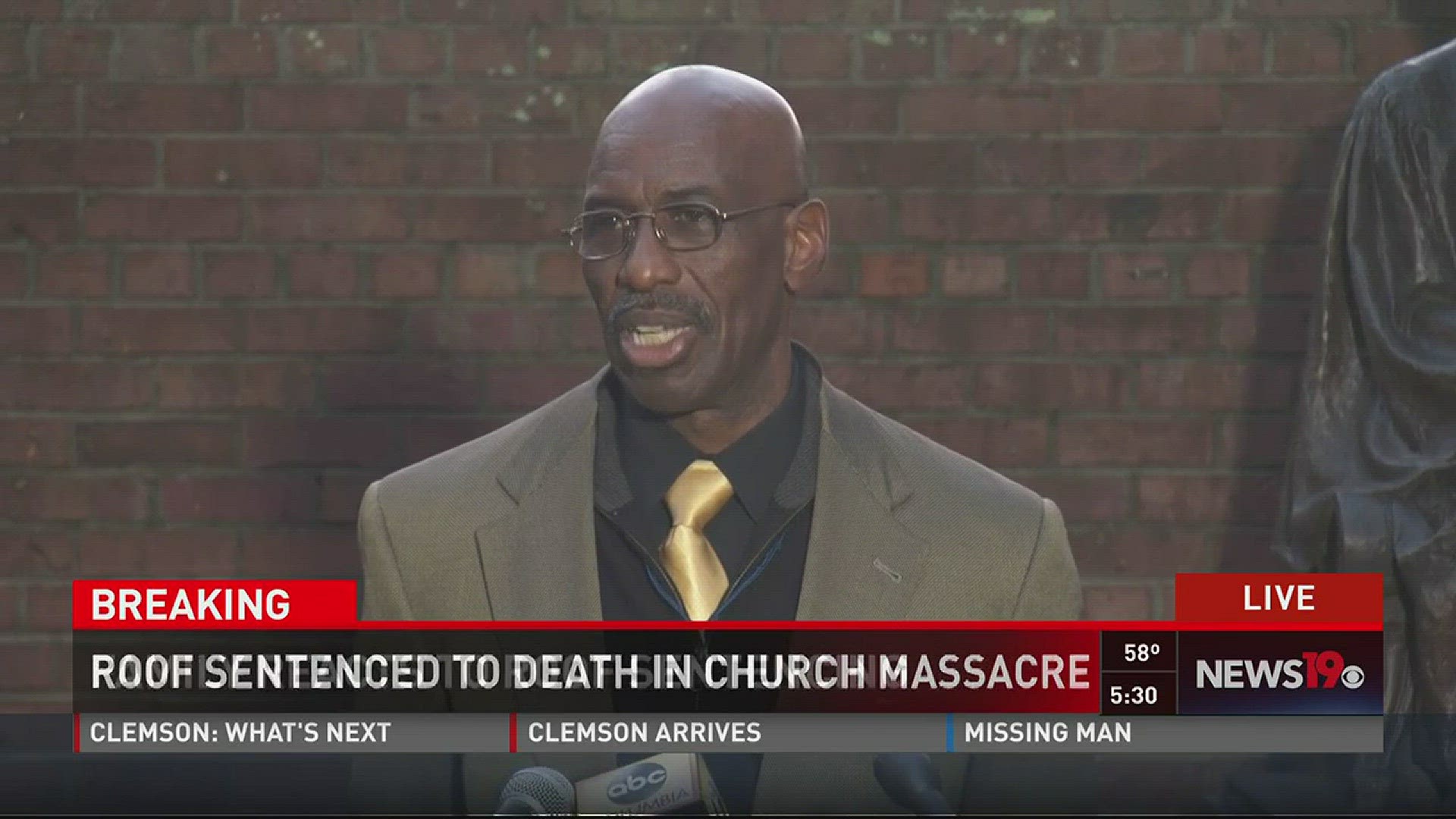
In December 2016, a federal jury found Roof guilty on all 33 counts, which included hate crimes resulting in death and the obstruction of the exercise of religion. This was a historic verdict, as it marked the first time in U.S. history that someone was sentenced to death for a federal hate crime. During the penalty phase, Roof represented himself, refusing to offer a defense or express remorse, which heavily influenced the jury's decision to impose the death penalty in early 2017.
The State Trial
In April 2017, Roof pleaded guilty to nine counts of murder in state court to avoid a second death penalty trial. He was sentenced to nine consecutive sentences of life in prison without the possibility of parole. This ensured that even if his federal death sentence were overturned or commuted, he would never be released from custody.
| Legal Aspect | Federal Trial Details | State Trial Details |
|---|---|---|
| Primary Charges | Hate Crimes, Obstruction of Religion | Murder, Attempted Murder, Weapons Charges |
| Verdict | Guilty on all 33 counts | Pleaded Guilty to all counts |
| Sentence | Death Penalty | Life without Parole (9 consecutive terms) |
| Legal Significance | First federal death sentence for hate crimes | Guaranteed life imprisonment regardless of appeals |
| Key Legislation | Shepard-Byrd Hate Crimes Act | South Carolina Murder Statutes |
Societal and Political Consequences
The aftermath of the Charleston church massacre catalyzed a shift in the American cultural landscape, particularly regarding the public display of Confederate symbols.
The Removal of the Confederate Flag
For decades, the Confederate battle flag had flown on the grounds of the South Carolina State House. In the wake of the shooting, images surfaced of Dylann Roof posing with the flag, cementing the connection between the symbol and white supremacist violence. Under immense public pressure and led by then-Governor Nikki Haley, the South Carolina General Assembly voted to remove the flag in July 2015. This sparked a nationwide movement to remove Confederate monuments and symbols from public spaces.
The "Charleston Strong" Movement and Forgiveness
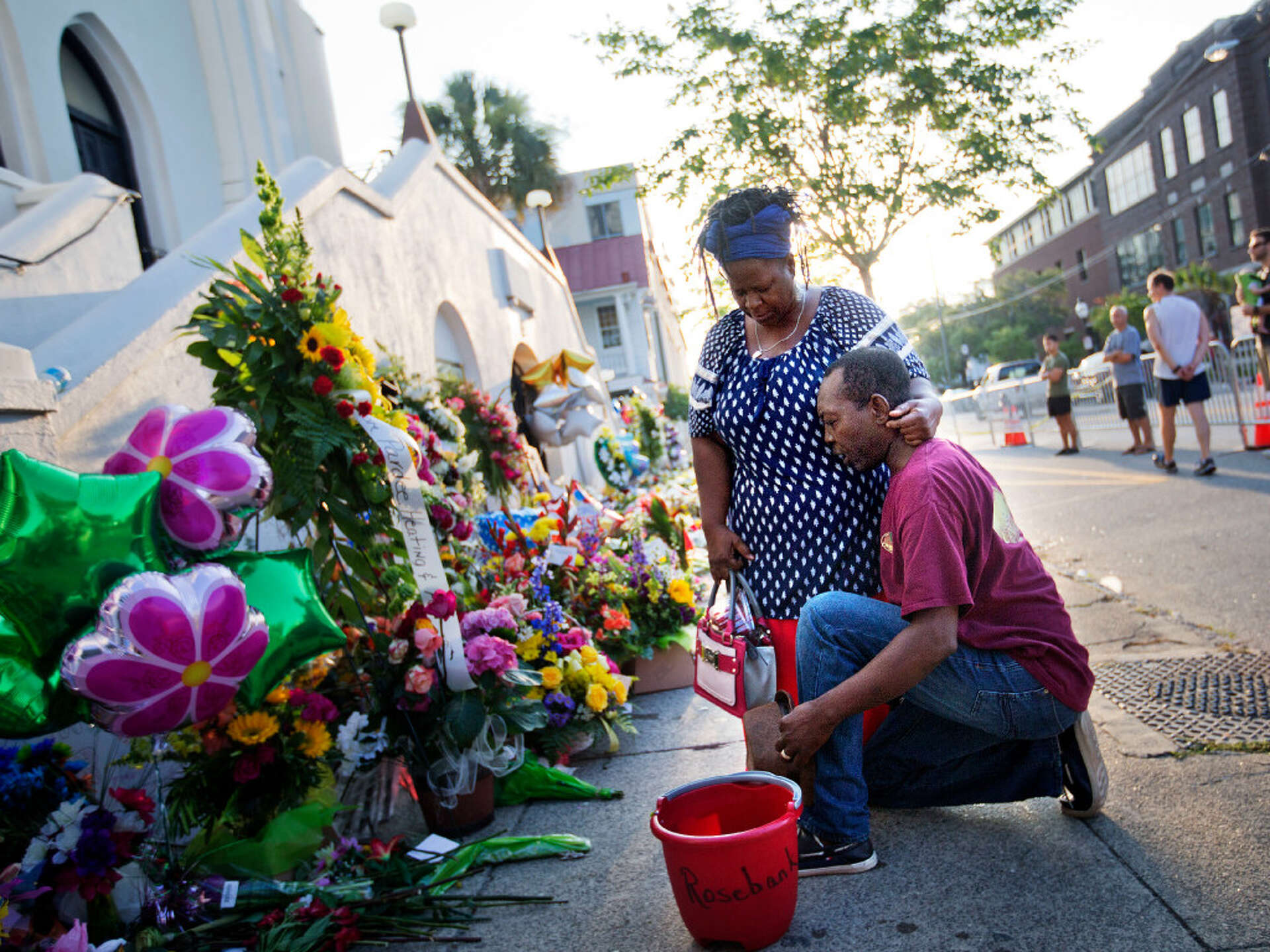
One of the most profound aspects of the massacre's aftermath was the reaction of the victims' families. During Roof’s initial bond hearing, just days after the shooting, several family members addressed the killer, telling him, "I forgive you." This act of grace gained international attention and birthed the "Charleston Strong" movement, which emphasized community unity and racial reconciliation over retaliatory violence.
Legislative Impact on Gun Control
The "Charleston Loophole" became a target for gun-control advocates. This loophole allowed a gun sale to proceed if the FBI’s background check took longer than three business days. Although federal legislation to close the loophole faced significant hurdles in Congress, several states moved to extend their own background check windows to prevent similar occurrences.
Frequently Asked Questions
What was the motive behind the Charleston church massacre?
The motive was white supremacy and the desire to incite a race war. According to his manifesto and subsequent confessions, Dylann Roof chose Mother Emanuel AME Church because of its historical importance to the Black community. He aimed to use the attack to highlight his belief in white superiority and to provoke a violent response from the Black community, which he believed would lead to a broader racial conflict.
What is the current status of Dylann Roof?
As of 2026, Dylann Roof remains on federal death row at the United States Penitentiary in Terre Haute, Indiana. While he has pursued various appeals regarding his mental competency and the fairness of his trial, the federal courts have consistently upheld his conviction and sentence. His state-level life sentences remain in place as a secondary guarantee of his permanent incarceration.
How did the massacre change South Carolina law?
The most immediate change was the removal of the Confederate battle flag from the State House grounds. Additionally, the tragedy led to intensified debates over hate crime legislation. For years, South Carolina was one of the few states without a specific hate crime law. The massacre served as a primary catalyst for ongoing legislative efforts to enact stricter penalties for crimes motivated by bias against race, religion, or sexual orientation.
What is the "Charleston Loophole"?
The "Charleston Loophole" refers to a provision in the Brady Handgun Violence Prevention Act that allows a licensed firearms dealer to sell a weapon if the National Instant Criminal Background Check System (NICS) does not return a definitive "deny" or "proceed" within three business days. In Dylann Roof's case, a clerical error delayed the reporting of his criminal record, and the three-day window expired, allowing him to purchase the weapon legally despite being ineligible.
Who are the "Emanuel Nine"?
The "Emanuel Nine" refers to the nine victims murdered during the shooting: Clementa C. Pinckney, Sharonda Coleman-Singleton, Tywanza Sanders, Ethel Lance, Susie Jackson, Cynthia Hurd, Depayne Middleton-Doctor, Daniel Simmons, and Myra Thompson. They are remembered as martyrs within the AME Church and symbols of faith and resilience in the broader American consciousness.
Recommendation for Further Action
To fully grasp the ongoing impact of the Charleston church massacre, it is recommended to study the official reports from the U.S. Department of Justice regarding the federal trial outcomes and the application of the Hate Crimes Prevention Act. For those interested in the historical context of the church itself, the Emanuel AME Church official archives provide extensive resources on the congregation's 200-year history of social justice. Understanding this event requires a dual focus on the legal precedents set by the trials and the historical significance of the target, ensuring that the legacy of the Emanuel Nine continues to inform modern discussions on civil rights and domestic security.
Image Gallery