How Many Albums Does Judas Priest Have? The Ultimate Discography Guide
As of 2026, the legendary heavy metal band Judas Priest has released a total of 19 studio albums. In addition to their core studio discography, the band’s extensive catalog includes 6 official live albums, over 15 compilation albums, a...
As of 2026, the legendary heavy metal band Judas Priest has released a total of 19 studio albums. In addition to their core studio discography, the band’s extensive catalog includes 6 official live albums, over 15 compilation albums, and several comprehensive box sets that document their five-decade-long career as the "Metal Gods."
Contents
Since their formation in Birmingham, England, in 1969, Judas Priest has served as a primary architect of the heavy metal genre. From their early experiments with blues-influenced rock to the definitive "twin-guitar" attack that defined 1980s metal, the band has consistently evolved while maintaining their core identity. Understanding the breadth of their discography requires looking at different eras of the band, marked by changes in vocalists, production styles, and the evolving landscape of heavy music.
The Evolution of the Judas Priest Studio Discography
The 19 studio albums released by Judas Priest can be categorized into four distinct chronological eras. Each era represents a shift in the band's sonic direction and commercial standing.
1. The Formative Years (1974–1976)
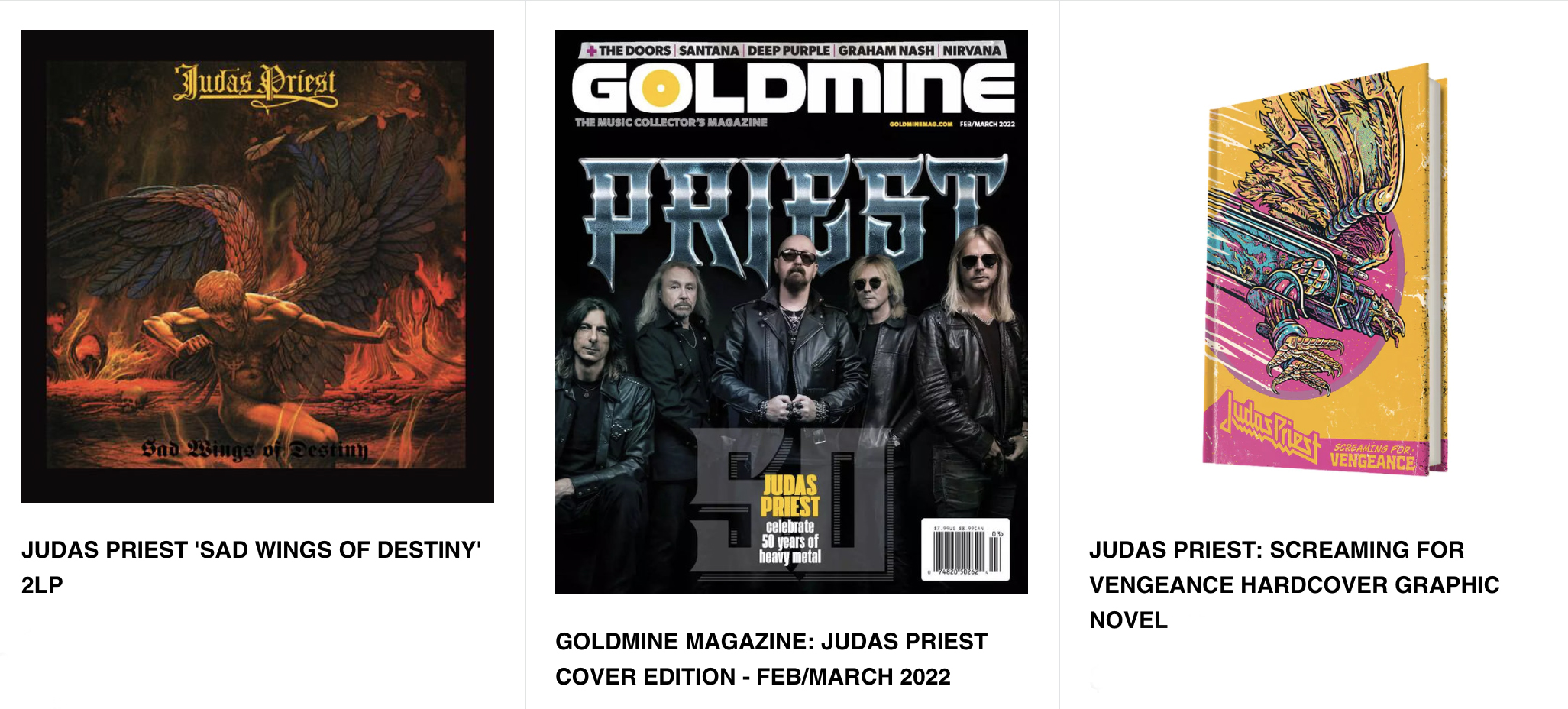
The band's debut, Rocka Rolla (1974), featured a sound more aligned with the hard rock and psychedelic influences of the late 1960s. Produced by Rodger Bain—who also worked with Black Sabbath—it didn't quite capture the heavy metal essence the band is known for today. However, their sophomore effort, Sad Wings of Destiny (1976), is widely considered one of the most influential heavy metal albums of all time. Tracks like "Victim of Changes" and "The Ripper" introduced the operatic vocal range of Rob Halford and the intricate guitar harmonies of Glenn Tipton and K.K. Downing.
2. The Golden Era of Heavy Metal (1977–1990)
During this period, Judas Priest signed with Columbia Records and released a string of albums that defined the genre.
- The Transition (1977-1979): Sin After Sin, Stained Class, and Killing Machine (released as Hell Bent for Leather in the US) saw the band shedding their progressive tendencies for shorter, punchier, and more aggressive songwriting.
- The Commercial Peak (1980-1984): British Steel (1980) remains their most iconic work, featuring anthems like "Breaking the Law" and "Living After Midnight." This was followed by the hard-rock leaning Point of Entry (1981) and the multi-platinum success of Screaming for Vengeance (1982) and Defenders of the Faith (1984).
- Innovation and Aggression (1986-1990): The band experimented with guitar synthesizers on Turbo (1986) and returned to a heavier sound on Ram It Down (1988). The era culminated in the 1990 masterpiece Painkiller, which introduced drummer Scott Travis and pushed the boundaries of speed and technicality in traditional metal.
3. The "Ripper" Owens Era (1996–2003)
Following Rob Halford’s departure in the early 90s, the band recruited Tim "Ripper" Owens. This era produced two studio albums: Jugulator (1997) and Demolition (2001). These albums moved toward a darker, more modern "groove metal" sound. While these records have their dedicated followers, they are often viewed as a departure from the classic "Priest" sound that fans craved.
4. The Reunion and Modern Legacy (2005–Present)
Rob Halford returned in 2003, leading to a massive resurgence in the band's popularity. Angel of Retribution (2005) was a triumphant return to form, followed by the ambitious double-disc concept album Nostradamus (2008).
In the 2010s and 2020s, despite the retirement of founding guitarist K.K. Downing and Glenn Tipton’s battle with Parkinson’s disease, the band released some of their strongest material in decades. Redeemer of Souls (2014) and the critically acclaimed Firepower (2018) proved the band's continued relevance. Most recently, the 2024 release of Invincible Shield—their 19th studio album—showcased a band still operating at the height of their technical and creative powers, even into 2026.
Official Judas Priest Studio Album List
The following table provides a clear breakdown of the 19 studio albums that form the backbone of the Judas Priest legacy.
| Album Title | Release Year | Key Track(s) | U.S. Certification (RIAA) |
|---|---|---|---|
| Rocka Rolla | 1974 | "Rocka Rolla" | - |
| Sad Wings of Destiny | 1976 | "Victim of Changes" | Gold |
| Sin After Sin | 1977 | "Sinner", "Diamonds & Rust" | Gold |
| Stained Class | 1978 | "Beyond the Realms of Death" | Gold |
| Killing Machine | 1978 | "Hell Bent for Leather" | Gold |
| British Steel | 1980 | "Breaking the Law", "Metal Gods" | Platinum |
| Point of Entry | 1981 | "Heading Out to the Highway" | Gold |
| Screaming for Vengeance | 1982 | "You've Got Another Thing Comin'" | 2x Platinum |
| Defenders of the Faith | 1984 | "Freewheel Burning" | Platinum |
| Turbo | 1986 | "Turbo Lover" | Platinum |
| Ram It Down | 1988 | "Blood Red Skies" | Gold |
| Painkiller | 1990 | "Painkiller", "Night Crawler" | Gold |
| Jugulator | 1997 | "Burn in Hell" | - |
| Demolition | 2001 | "Machine Man" | - |
| Angel of Retribution | 2005 | "Judas Rising" | - |
| Nostradamus | 2008 | "Prophecy" | - |
| Redeemer of Souls | 2014 | "Halls of Valhalla" | - |
| Firepower | 2018 | "Lightning Strike" | - |
| Invincible Shield | 2024 | "Panic Attack" | - |
Live Albums: Capturing the Stage Presence
Judas Priest is renowned for being one of the best live acts in rock history. To capture this energy, they have released six major live albums.
- Unleashed in the East (1979): Often cited as one of the greatest live albums ever recorded. It captured the band at their hungry peak in Japan.
- Priest... Live! (1987): Documents the Turbo tour, featuring a glossy, high-production 80s sound.
- '98 Live Meltdown (1998): The first live document of the Ripper Owens era.
- Live in London (2003): A heavy set featuring tracks from the Demolition era.
- A Touch of Evil: Live (2009): Notable for earning the band a Grammy for Best Metal Performance for the track "Dissident Aggressor."
- Battle Cry (2016): Recorded at the Wacken Open Air festival, showcasing the Redeemer of Souls tour.
Essential Compilations and Box Sets
For listeners who want a broad overview, Judas Priest has several compilations that distill their massive catalog.
- Metal Works '73–'93: This 2-CD set was curated by the band members themselves and is widely considered the definitive anthology of their most important first two decades.
- The Essential Judas Priest: A comprehensive 36-track collection that covers the major hits and fan favorites.
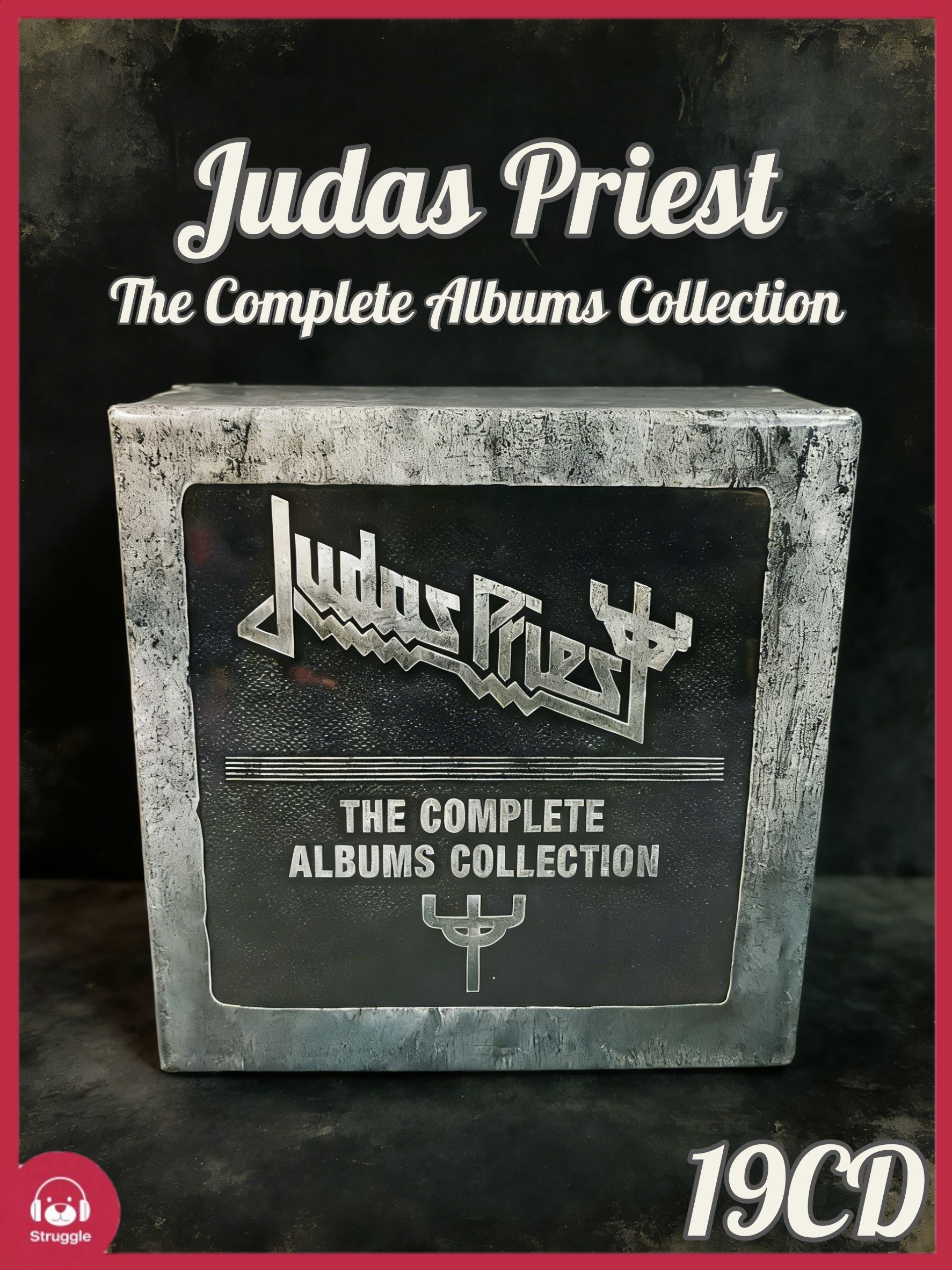
- 50 Heavy Metal Years of Music: Released in 2021, this massive box set includes every studio and live album, along with numerous previously unreleased live recordings, totaling 42 CDs. It is the ultimate resource for serious collectors.
Why the Count of Albums Often Varies
When searching for "how many albums does Judas Priest have," you may encounter different numbers. This discrepancy usually arises from how "albums" are defined. If you include only studio albums, the count is 19. If you include live albums and major compilations, the number climbs above 40. Furthermore, regional variations and "Best Of" releases by different record labels (such as Gull Records vs. Sony/Columbia) can lead to a confusing number of titles on streaming platforms.
The core 19 studio albums are the only ones containing entirely original material written and recorded in the studio, and these are the works that define the band's artistic timeline.
Frequently Asked Questions
Which Judas Priest album is the best-selling?
Screaming for Vengeance (1982) is the band’s most commercially successful album. It is certified Double Platinum in the United States, signifying over two million copies sold. The album's success was driven by the hit single "You've Got Another Thing Comin'," which received significant radio play and MTV rotation.
How many albums did Rob Halford record with the band?
Rob Halford has performed on 17 of the 19 studio albums. He was the vocalist from the band's inception through 1992, and then from 2004 to the present. The only two studio albums he does not appear on are Jugulator and Demolition, which featured Tim "Ripper" Owens.
Are there any "lost" or unreleased Judas Priest albums?
While there are no completely unreleased albums, there are several "shelved" projects and demos. Most notably, the band recorded a wealth of material with producers Stock Aitken Waterman in the late 80s that was deemed too "pop" for release. Some of these tracks have since leaked or appeared as bonus features on anniversary editions.
What is the most recent Judas Priest album?
The most recent studio album is Invincible Shield, released in March 2024. As of 2026, this remains their latest full-length studio effort, though the band continues to tour and hint at future recordings.
How many Grammy Awards do their albums have?
While the band has been nominated numerous times, they won the Grammy Award for Best Metal Performance in 2010 for the song "Dissident Aggressor" from the live album A Touch of Evil: Live. In 2022, the band was also inducted into the Rock and Roll Hall of Fame under the "Musical Excellence" category.
Final Recommendation for New Listeners
If you are looking to explore the Judas Priest discography for the first time, the best starting point is British Steel. It provides the most concise look at their classic sound. For those interested in the heavier side of the band, Painkiller is essential listening. To understand their modern relevance, Firepower or Invincible Shield are excellent examples of how the band has maintained their quality into the 21st century.
Image Gallery