Gil's Catering and Regulatory Compliance: A 2026 Industry Standard Guide
In 2026, regulatory compliance for Gil’s Catering involves a complex integration of federal food safety mandates, local health department ordinances, and strict labor regulations. Achieving compliance requires rigorous adherence to the...
In 2026, regulatory compliance for Gil’s Catering involves a complex integration of federal food safety mandates, local health department ordinances, and strict labor regulations. Achieving compliance requires rigorous adherence to the Food Safety Modernization Act (FSMA) traceability rules, Hazard Analysis and Critical Control Points (HACCP) protocols, and specific mobile-unit licensing to ensure public safety and operational legality across regional jurisdictions.
Contents
Operating a large-scale catering and wholesale food enterprise like Gil’s Catering necessitates a sophisticated understanding of the legal landscape. As the industry has evolved, the transition from paper-based logs to real-time digital compliance monitoring has become the standard. This guide examines the essential regulatory pillars that Gil’s Catering must navigate to maintain its standing in the competitive mid-Atlantic food service market.
The Foundation of Food Safety: FSMA and HACCP in 2026
The primary regulatory hurdle for any catering entity involves food safety. By 2026, the Food Safety Modernization Act (FSMA) has reached full implementation of its most stringent traceability requirements (specifically Section 204). For Gil’s Catering, this means every ingredient—from bulk proteins to pre-packaged snacks—must have a digital "track and trace" record that can be produced for inspectors within 24 hours.
Hazard Analysis and Critical Control Points (HACCP)
A robust HACCP plan is not merely a suggestion; it is a legal requirement for entities involved in food processing and large-scale distribution. Gil’s Catering must identify "Critical Control Points" where hazards (biological, chemical, or physical) can be prevented or eliminated.
- Temperature Monitoring: In 2026, automated sensors have replaced manual thermometers for most high-volume caterers. Regulations require that cold storage remains at or below 41°F (5°C) and hot-holding remains above 135°F (57°C).
- Cross-Contamination Prevention: Strict protocols regarding the flow of food—ensuring raw materials never contact prepared items—are scrutinized during unannounced health inspections.
- Sanitization Schedules: Documented proof of chemical concentrations used in three-compartment sinks and mechanical dishwashers is mandatory.
FSMA Rule 204 Compliance
The FDA’s Food Traceability Final Rule requires Gil’s Catering to maintain Records of Key Data Elements (KDEs) for certain "High-Risk Foods." These records must follow the product through the supply chain. In the event of a foodborne illness outbreak, the ability to pinpoint the exact batch of contaminated lettuce or poultry is a regulatory necessity that protects both the consumer and the business from massive liability.
Local Health Department Jurisdiction and Inspections
While federal rules provide the framework, local health departments (such as those in Philadelphia, Delaware County, or Southern New Jersey) provide the boots-on-the-ground enforcement. Gil’s Catering must manage multiple "Retail Food Facility" licenses depending on where their food is prepared and where it is served.
Commissary Kitchen Requirements
In the mobile catering sector, the "Commissary" serves as the regulatory anchor. A catering truck cannot legally operate unless it is tied to a licensed, inspected brick-and-mortar kitchen. Regulatory compliance for Gil’s involves ensuring that:
- Greywater Disposal: All mobile units return to the commissary to dispose of wastewater in an approved grease-trap-equipped drain.
- Potable Water Refill: Water tanks must be filled from a verified, safe source.
- Professional Cleaning: The commissary must provide adequate space for the deep cleaning of mobile equipment, away from the food preparation zones.
Field Inspections
Mobile catering units are subject to "Point of Sale" inspections. Inspectors look for functional hand-washing stations (with hot water, soap, and paper towels), valid food manager certifications, and appropriate shielding for food items (sneeze guards). Failure to meet these requirements often results in an immediate "Cease and Desist" order, which can be devastating during a high-profile event.
Labor Law and Occupational Safety (OSHA)
Beyond the food itself, Gil’s Catering must comply with Department of Labor (DOL) and Occupational Safety and Health Administration (OSHA) standards. The catering environment is inherently high-risk, involving sharp blades, hot surfaces, and heavy lifting.
Workplace Safety Standards
OSHA's General Duty Clause requires employers to provide a workplace free from recognized hazards. For Gil's Catering, this translates to:
- Ergonomic Training: Preventing back injuries during the loading and unloading of heavy catering equipment.
- Chemical Safety (HAZCOM): Maintaining Safety Data Sheets (SDS) for all cleaning chemicals and ensuring employees are trained on their use.
- Slip and Fall Prevention: Strict requirements for non-slip footwear and the immediate marking of wet floor areas.
Fair Labor Standards Act (FLSA) and Overtime
Catering often involves irregular hours, long shifts, and "on-call" staff. Compliance with the FLSA is critical to avoid costly litigation. This includes accurate tracking of "hours worked" (including travel time between sites) and the proper classification of workers as either employees (W-2) or independent contractors (1099). In 2026, many jurisdictions have increased the salary threshold for exempt status, making it vital for Gil’s to review their payroll structures annually.
Environmental Regulations and Sustainability Mandates
As of 2026, environmental compliance has shifted from "corporate social responsibility" to hard law. Many states in the Northeast have implemented bans on single-use plastics and expanded polystyrene (Styrofoam).
Waste Diversion Mandates
Large-scale caterers are often required to participate in organic waste diversion programs. This means Gil’s Catering must separate food scraps from general trash for composting or anaerobic digestion. Compliance is verified through hauling receipts and on-site waste audits.
Fleet Compliance
For Gil’s Catering’s delivery and mobile kitchen fleet, emissions standards are a significant concern. Regulatory bodies are increasingly mandating "Clean Fleet" initiatives, requiring a certain percentage of commercial vehicles to be low-emission or electric by specific deadlines. Maintenance of these vehicles also falls under DOT (Department of Transportation) regulations, including daily vehicle inspection reports (DVIR).
Comparative Regulatory Requirements for Food Services
The following table outlines the different levels of oversight Gil’s Catering must manage simultaneously:
| Regulatory Tier | Primary Agency | Key Compliance Objective | Primary Evidence Required |
|---|---|---|---|
| Federal | FDA / USDA | Food Safety & Traceability | FSMA Traceability Logs / HACCP Plan |
| Federal | OSHA | Worker Safety | SDS Sheets / Injury Logs (Form 300) |
| State | DOT / DMV | Fleet Safety & Emissions | CDL Records / Vehicle Inspection Reports |
| Local/County | Health Department | Sanitation & Licensing | Health Permits / Manager Certifications |
| Local/City | Zoning/Revenue | Business Operation | Mercantile Licenses / Tax Compliance |
Technological Integration in Compliance Management
In 2026, the complexity of these regulations makes manual compliance nearly impossible. Gil’s Catering likely employs a Compliance Management System (CMS) to centralize documentation.
- Digital Temperature Logging: IoT sensors in refrigerators send alerts to managers' phones if a cooling unit fails, providing a continuous "cold chain" record for auditors.
- Cloud-Based Certification Tracking: Ensuring that every server and chef has an up-to-date ServSafe or equivalent certification.
- Automated Tax and Labor Reporting: Systems that cross-reference shift hours with state-specific labor laws to prevent accidental violations of rest-period or overtime rules.
The transition to digital has changed the nature of inspections. An inspector in 2026 may ask to see the digital dashboard rather than a physical binder. This transparency can lead to faster, more accurate inspections but leaves little room for the "human error" excuses of the past.
Common Compliance Pitfalls and Troubleshooting
Even established entities like Gil’s Catering can face challenges. The most common failures occur during periods of rapid growth or during the transition between seasonal staff.
- The "Commuter" Violation: Mobile units failing to return to the commissary daily. This is a major red flag for health inspectors and can lead to permit revocation.
- Incomplete Traceability Logs: Missing a single "Lot Code" for a shipment of eggs or spinach can invalidate a company’s entire FSMA compliance record for that week.
- Misclassification of Workers: Treating regular catering staff as "gig workers" to avoid benefits or taxes is a high-priority enforcement area for the DOL in 2026.
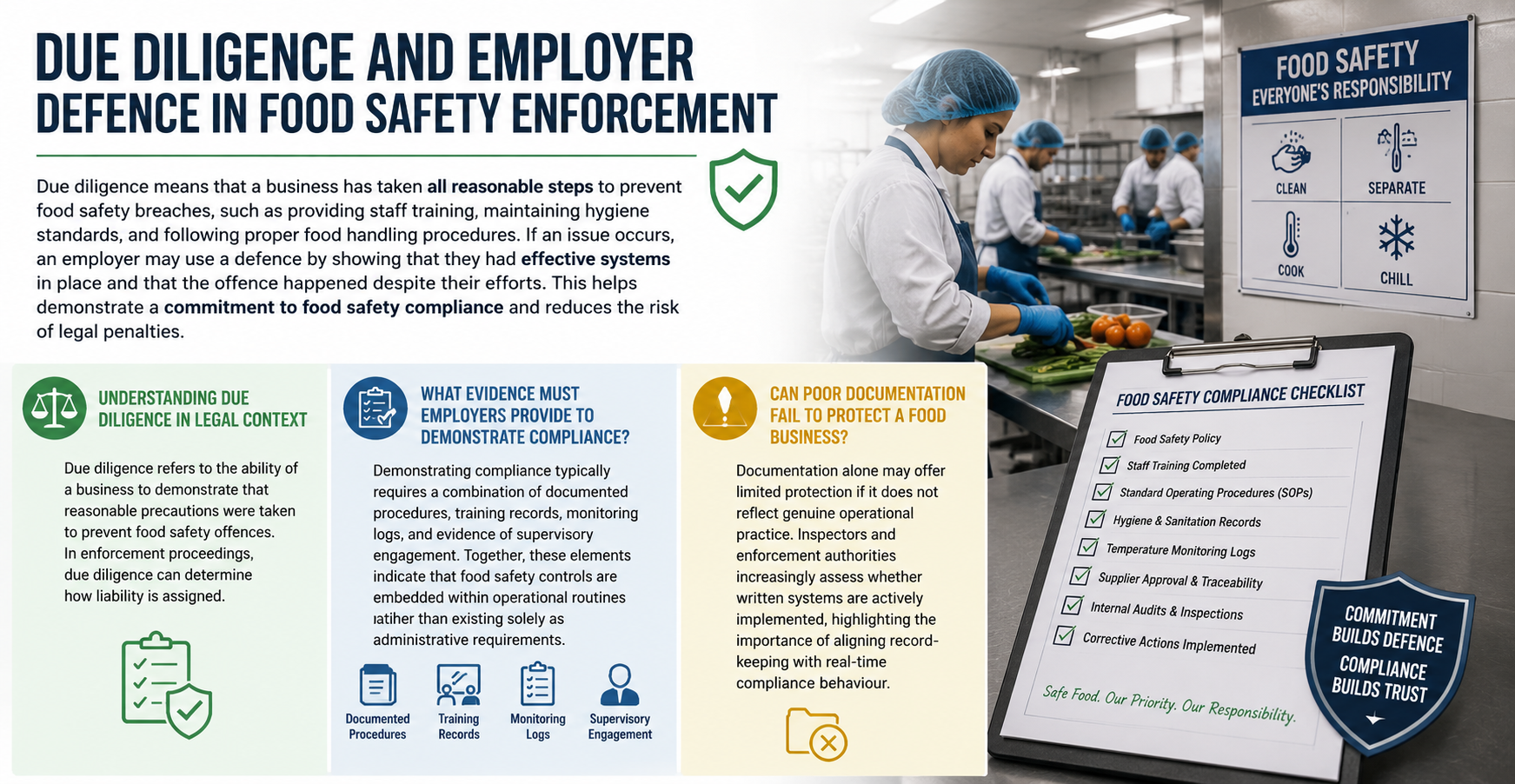
To troubleshoot these issues, Gil’s must conduct internal "mock audits." By hiring a third-party consultant to act as an inspector, the company can identify gaps in their documentation or physical procedures before a real regulatory agent arrives.
Frequently Asked Questions
What is the most important permit for a catering business in 2026? The Retail Food Facility Permit, issued by the local health department, remains the "license to operate." Without this, no other part of the business can legally function. In 2026, this permit is often tied to the successful submission of a digital HACCP plan and proof of a valid commissary agreement.
How often does Gil’s Catering undergo health inspections? High-risk food establishments (those that handle raw proteins and perform complex preparation) are typically inspected at least twice a year. However, mobile units can be inspected more frequently if they operate at large public festivals or events where the risk of widespread illness is higher.
Does FSMA 2024 Rule 204 apply to small catering orders? Yes, if the ingredients used are on the "Food Traceability List" (FTL). The size of the order does not exempt the business from keeping records of the source. While the customer doesn't see this, the caterer must maintain the data in their backend system.
Can a catering company be fined for environmental violations? Absolutely. In 2026, fines for improper disposal of fats, oils, and grease (FOG) or failure to follow municipal composting mandates can reach thousands of dollars per day. Regulatory agencies use "grease trap manifests" to verify that caterers are cleaning their systems appropriately.
What worker certifications are legally required? At least one person in charge (PIC) on-site must have a nationally recognized Food Protection Manager Certification. Additionally, many states now require basic "food handler" cards for every employee who touches food or clean equipment.
Practical Recommendation for Maintaining Compliance
For Gil’s Catering to remain a leader in the industry through 2026 and beyond, they should prioritize the automation of the "Critical Control Points." Investing in a fully integrated digital traceability system that connects purchasing, storage, and event-day service is the most effective way to mitigate risk. Furthermore, establishing a "Compliance Officer" role within the organization ensures that as local and federal laws shift, the business can pivot its SOPs (Standard Operating Procedures) without interrupting service. Regular training sessions for staff on the "Why" behind the regulations—not just the "How"—will foster a culture of safety that naturally leads to compliance.
Image Gallery