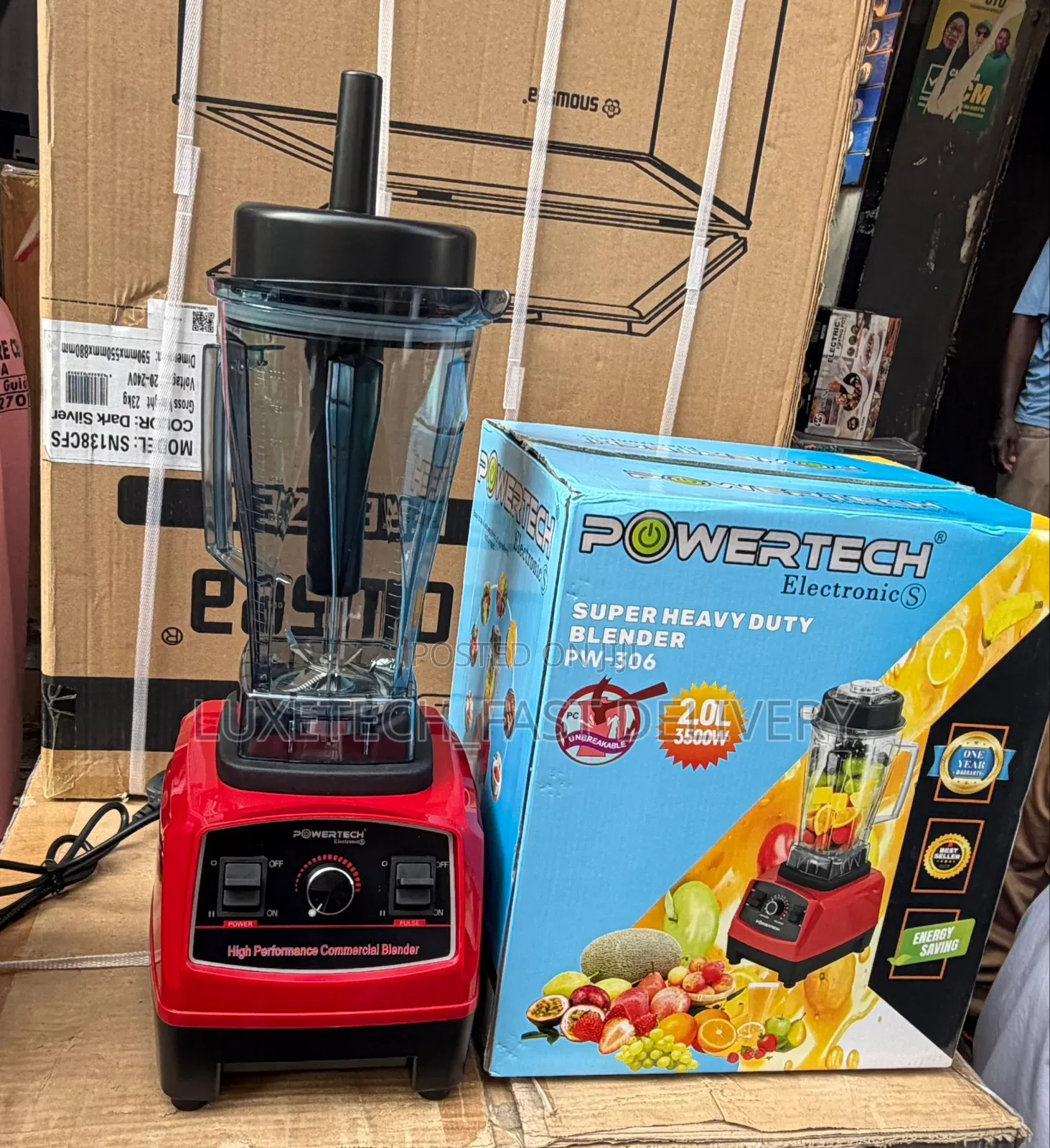
Understanding Super Blenders: Analyzing Power, Performance, and Capability
Super blenders, often categorized as professional-grade or high-performance countertop appliances, are distinguished by high-wattage motors, robust blade assemblies, and advanced thermal management systems designed to process ingredien...
Super blenders, often categorized as professional-grade or high-performance countertop appliances, are distinguished by high-wattage motors, robust blade assemblies, and advanced thermal management systems designed to process ingredients that would overwhelm standard household models. Their utility centers on the ability to achieve consistent textures, emulsify fibrous materials, and perform heavy-duty tasks like grinding grains or pulverizing ice within seconds.
Contents
Defining the Super Blender Architecture
The core of a super blender’s performance lies in the synergy between its motor, container geometry, and blade design. Unlike entry-level blenders that rely on high-speed friction or basic centrifugal force, super blenders utilize high-torque motors capable of maintaining consistent RPMs (revolutions per minute) even under heavy loads.
Motor Wattage and Torque
Most commercial-grade or "super" blenders operate in the range of 1,200 to 1,800 watts. However, wattage alone does not dictate performance. The internal motor design—specifically the cooling system—is crucial. Superior motors are built with oversized fans and high-quality bearings to dissipate heat generated during extended cycles. If a blender’s motor is not properly cooled, the internal electronics will throttle the output to prevent thermal damage, leading to inconsistent blending results during long-duration tasks.
The Container Geometry
The shape of the jar acts as a forced-induction system. Manufacturers engineer the container walls to create a vortex that pulls ingredients down into the blade path. If the container is too wide or lacks proper internal ribbing, ingredients will simply splash against the sides rather than being drawn toward the center. Super blenders utilize specialized BPA-free polymer materials, such as Copolyester Tritan, which offer the impact resistance required to withstand the high-velocity strikes of stainless steel blades.
Analyzing Power Metrics: Wattage vs. Performance
When evaluating the power of a super blender, it is essential to distinguish between input power (electrical consumption) and output power (mechanical force at the blade).
- Peak Horsepower: Often cited in marketing, this figure represents the maximum force the motor can exert for a fraction of a second. While useful for short bursts, it is not a metric for sustained performance.
- Sustained Torque: This is the motor’s ability to resist stalling when processing thick substances like nut butters, frozen fruit, or thick dough. A motor with high torque maintains its speed through physical resistance, ensuring the ingredient is sheared rather than merely pushed around the jar.
Blade Design and Material
Super blender blades are typically made from hardened, laser-cut stainless steel. Unlike sharpened blades that dull quickly, high-performance blades are often intentionally blunt. Because these machines rely on raw speed (often exceeding 20,000 RPM) rather than a cutting edge, a blunt blade uses blunt force to shatter cell walls in vegetables and fibers, creating a smoother, more uniform puree.
Comparative Performance Analysis
The following table compares the typical operational capabilities of super blenders against standard household blenders across common high-intensity tasks.
| Task | Standard Blender Performance | Super Blender Performance |
|---|---|---|
| Fibrous Green Smoothies | Leaves visible, chewy chunks | Uniformly liquefied, no pulp residue |
| Nut Butters | Risk of motor burnout; requires added oil | Smooth, creamy consistency in under 60s |
| Hot Soups | Requires pre-cooking; cold output | Heats via blade friction; serving temp achieved |
| Crushing Ice | Often stalls; leaves large shards | Uniform snow-like consistency |
| Grain Milling | Ineffective; damages blade housing | Efficiently pulverizes grains into flour |
Operational Limitations and Safety Considerations
While the performance of these units is superior, they operate under strict mechanical and safety constraints. Users must be aware of the following factors to ensure device longevity and personal safety:
- Thermal Overload Protection: Most professional-grade units contain internal thermal switches. If the motor temperature exceeds a safe threshold—often due to running the machine at low speeds with extremely thick loads—the machine will shut off automatically.
- Blade Friction Heat: In high-speed modes, the kinetic energy converted to heat can be substantial. This is an advantage for making hot soups, but it is a disadvantage for blending heat-sensitive preparations like delicate protein shakes or temperature-controlled emulsions.
- Noise Emission: Due to the high RPM required for high performance, these units are significantly louder than standard blenders. While some premium models include sound-dampening enclosures, the mechanical noise from the motor and high-speed air movement remains high.
Troubleshooting Common Performance Issues
Users encountering issues with their high-performance blender should follow a systematic approach to identify the root cause:
- Inconsistent Texture: Check if the ingredients are loaded in the correct order. Liquids should generally go first, followed by soft ingredients, then frozen or heavy items. This prevents an air pocket from forming around the blades.
- Excessive Vibration: Ensure the container is properly seated on the drive socket. A loose base will cause the blender to "walk" across the counter and can damage the drive gear.
- Leaking from the Bottom: This usually indicates a worn-out blade seal or a compromised bearing. Avoid submerging the blade assembly in water if the manual specifies hand-washing only, as moisture can degrade the grease within the bearing housing, leading to a seized blade.
Strategic Selection: Factors for Your Kitchen
When considering an investment in a super blender, define your primary use case. If the goal is purely morning smoothies, the high cost of a professional unit may not be justified. However, if your requirements include vegan cooking, raw food preparation, or frequent grain milling, the investment is usually recouped through the longevity of the appliance and the reduction of manual labor in food preparation.
Review the warranty terms carefully. High-performance models typically offer longer warranties (5 to 10 years) because they are designed with field-replaceable parts, such as the blade assembly and the drive socket. Always verify that the model you are considering is intended for residential use, as using a residential model in a commercial environment will void the warranty.
Frequently Asked Questions
Does a higher wattage always mean a better blender? Not necessarily. Wattage indicates electrical usage. A more efficient motor with better torque management and cooling can outperform a higher-wattage motor that lacks the internal construction to handle sustained resistance.
Can super blenders really make hot soup? Yes. By running the blender at maximum speed for 4 to 6 minutes, the physical friction of the blades against the liquid generates sufficient heat to bring soup to a steaming temperature. This is a purely kinetic process, not an internal heating element.
Why are the blades dull on my high-end blender? High-performance blenders use blunt blades to shatter ingredients at high velocity. Sharpened blades are prone to dulling quickly when striking hard objects like ice or frozen ingredients; blunt, heavy-duty blades maintain their efficacy over thousands of cycles.
How do I prevent my blender from overheating during thick mixes? Always use the provided tamper tool to push ingredients toward the blades. If the motor sounds like it is struggling or slowing down, increase the speed. Most blender motors are "fan-cooled," meaning they cool more effectively at higher speeds.
Are these blenders difficult to clean? Most models are designed for "self-cleaning." By filling the container halfway with warm water and a drop of dish soap, then running the unit on high for 30–60 seconds, the vortex action cleans the container and blades thoroughly without the need for manual scrubbing near the blades.
Final Recommendation
To maximize the performance of a super blender, always operate the unit with the lid securely locked and utilize the tamper consistently for heavy loads to avoid air pockets. If you are regularly processing fibrous ingredients or need a machine that can handle professional-level preparation, prioritize models with active cooling fans and a minimum of a 5-year warranty. Ensure the footprint of the unit fits your under-cabinet clearance, as the tall containers required for high-velocity vortices are often taller than standard appliances.
Image Gallery