Teen Titans: Trouble in Tokyo Net Worth, Cast Earnings, and Financial Impact
Teen Titans: Trouble in Tokyo is an animated television movie rather than a individual person, meaning it does not possess a personal net worth. However, as the series finale to the iconic 2003–2006 Teen Titans animated show, the film...
Teen Titans: Trouble in Tokyo is an animated television movie rather than a individual person, meaning it does not possess a personal net worth. However, as the series finale to the iconic 2003–2006 Teen Titans animated show, the film generated millions in home video sales, digital distribution, and merchandising, while its core voice cast holds a combined estimated net worth exceeding $18 million.
Contents
Disambiguating "Net Worth" for Teen Titans: Trouble in Tokyo
When evaluating the "net worth" of a film title such as Teen Titans: Trouble in Tokyo, financial metrics differ significantly from those used for individual celebrities or corporate executives. A fictional work or film asset does not hold personal assets, liquid cash, or equity. Instead, financial analysis of a movie asset focuses on four distinct areas:
- Franchise Intellectual Property (IP) Valuation: The financial worth of the underlying asset to its parent copyright holders—Warner Bros. Discovery and DC Entertainment—including streaming, broadcast, and licensing rights.
- Direct Revenue and Commercial Earnings: Gross income generated from home video releases (DVD/Blu-ray), digital transactional video-on-demand (TVOD), television syndication broadcast fees, and merchandise sales.
- Production Budget and Capital Allocation: The original capital investment committed by Warner Bros. Animation to produce, score, animate, and distribute the feature-length production.
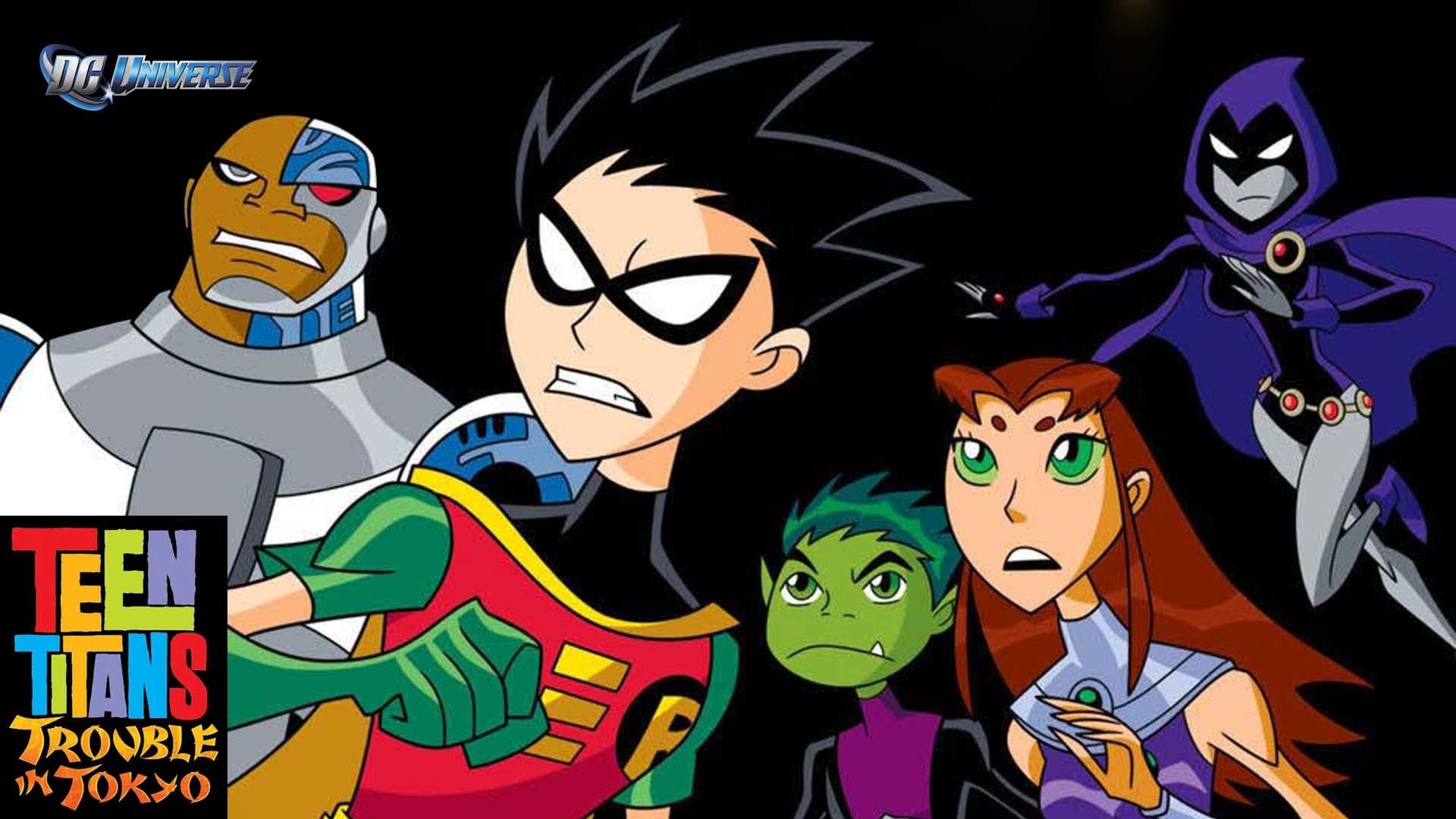
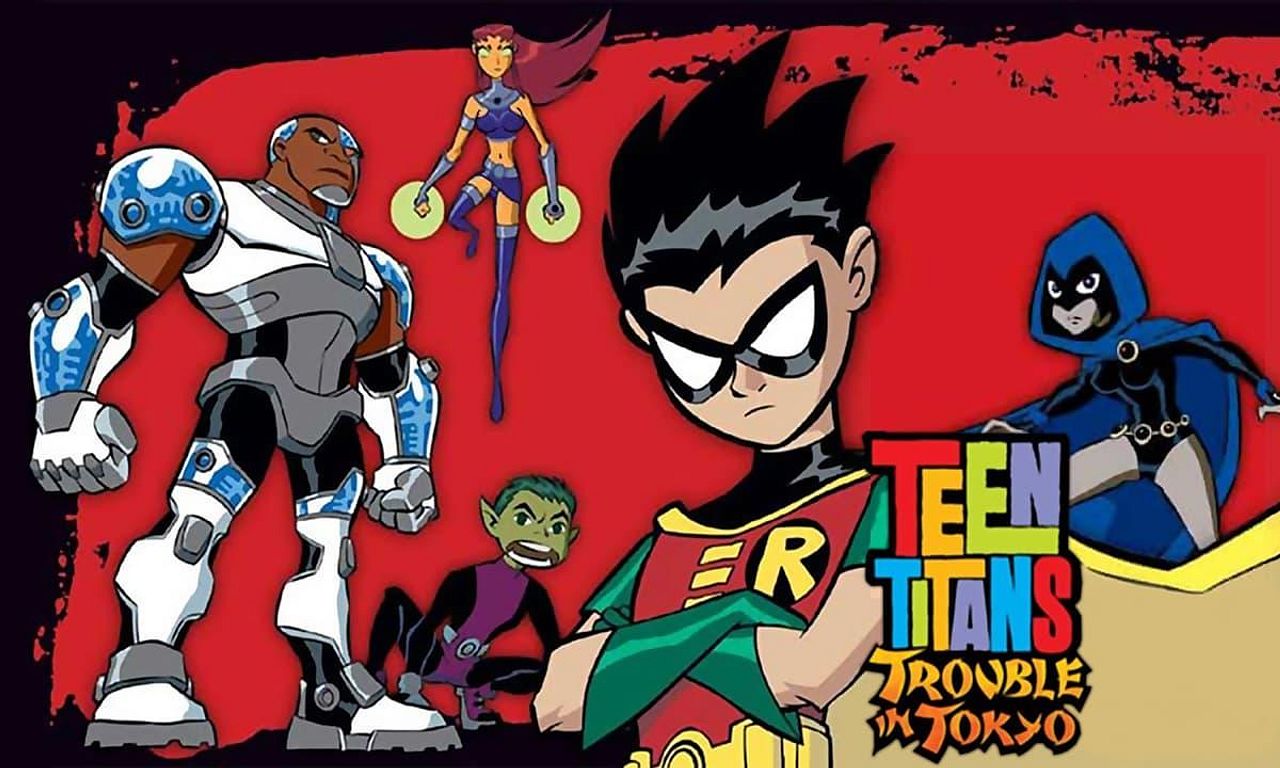
- Voice Cast Net Worth and Talent Compensation: The collective individual net worths and cumulative career earnings of the principal actors who voiced the starring characters (Robin, Raven, Starfire, Cyborg, and Beast Boy).
Understanding these distinct financial categories provides a complete picture of the economic footprint of Teen Titans: Trouble in Tokyo within the broader DC animated library.
Financial Overview and Distribution Economics of the Film
Premiering on Cartoon Network on September 15, 2006, and subsequently arriving on DVD on February 6, 2007, Teen Titans: Trouble in Tokyo served as the grand finale to the original five-season Teen Titans television series. Because the movie was produced as a direct-to-television and direct-to-video (DTV) feature rather than a wide theatrical release, traditional theatrical box office figures do not apply.
- Teen Titans: Trouble in Tokyo Financial Ecosystem
- Direct-to-Video DVD & Merch Revenue ($10M+ Lifetime)
- Streaming & Digital Licensing Values (Warner Bros. IP)
- Lead Voice Cast Net Worth Pool ($18M+ Combined)
Production Budget Estimates
During the mid-2000s, standard production budgets for Warner Bros. Animation direct-to-video films typically ranged between $2 million and $5 million. Given that Trouble in Tokyo utilized existing character models, voice cast contracts, and production pipelines from the ongoing Teen Titans animated series—supplemented by enhanced animation sequences outsourced to Japanese and Korean animation studios—its net production budget was estimated at approximately $2.5 million to $3.5 million.
Home Video Sales and Physical Media
Upon its physical release in early 2007, Teen Titans: Trouble in Tokyo capitalized on strong DVD market conditions. During the peak of physical home media sales in the mid-2000s, animated superhero films frequently achieved initial physical unit sales of 200,000 to 500,000 copies in North America alone.
Estimated physical DVD sales and multi-disc box set bundles generated an estimated $8 million to $12 million in gross consumer spending over its active shelf life. Subsequent re-releases, multi-film DVD bundles, and international PAL/NTSC distribution further expanded these revenue figures.
Digital Licensing and Streaming Value
The modern digital transition shifted the film's financial performance from physical sales to digital licensing and streaming subscription revenue. The film maintains an ongoing financial presence through:
- Digital Storefront Sales: Continuous transactional sales and rentals on platforms like Amazon Prime Video, Apple TV, Google TV, and Fandango at Home.
- Subscription Video-on-Demand (SVOD): Licensing integration into Warner Bros. Discovery's proprietary streaming ecosystem, Max, driving subscriber engagement and backend IP retention value.
- Cable and Global Broadcast Syndication: Cable rerun licensing across global Cartoon Network networks, Boomerang, and international broadcast partners.
Core Voice Cast Net Worth Breakdown
A significant portion of search interest regarding Teen Titans: Trouble in Tokyo net worth focuses on the personal net worths and earnings of the primary voice actors who brought the main characters to life. Below is an in-depth breakdown of the voice cast's financial standing and career achievements.
1. Tara Strong (Voice of Raven)
- Estimated Net Worth: $10 Million
- Primary Roles: Raven (Teen Titans), Bubbles (The Powerpuff Girls), Timmy Turner (The Fairly OddParents), Twilight Sparkle (My Little Pony), Harley Quinn (Batman: Arkham series).
Tara Strong is widely recognized as one of the most commercially successful and prolific voice actors in the animation industry. With hundreds of voice credits spanning television, video games, and feature films, her net worth reflects decades of high-demand voice work, convention appearance fees, voice acting workshops, and long-term SAG-AFTRA union residual streams. Her portrayal of Raven in Trouble in Tokyo remains one of her most recognizable performances, leading directly into her continued role in Teen Titans Go!.
2. Khary Payton (Voice of Cyborg)
- Estimated Net Worth: $3 Million to $4 Million
- Primary Roles: Cyborg (Teen Titans, Teen Titans Go!), King Ezekiel (The Walking Dead), Aqualad (Young Justice), Grimlock (Transformers: Robots in Disguise).
Khary Payton has built a multi-faceted career spanning both voice animation and high-profile live-action television. Beyond his long-standing work as Cyborg across DC animated projects, Payton earned substantial episodic salary rates starring as King Ezekiel in AMC’s hit drama The Walking Dead. Additional revenue streams include video game performance capture, voice acting in major gaming franchises, and commercial voiceover contracts.
3. Greg Cipes (Voice of Beast Boy)
- Estimated Net Worth: $3 Million
- Primary Roles: Beast Boy (Teen Titans), Michelangelo (Teenage Mutant Ninja Turtles 2012), Kevin Levin (Ben 10), Iron Fist (Ultimate Spider-Man).
Greg Cipes has maintained a steady stream of starring voice roles across major animation franchises. In addition to his voiceover earnings from Warner Bros. and Nickelodeon, Cipes has diversified his financial portfolio into real estate, commercial endorsements, music production, and independent business ventures.
4. Scott Menville (Voice of Robin)
- Estimated Net Worth: $1.5 Million to $2 Million
- Primary Roles: Robin (Teen Titans), Ma-Ti (Captain Planet), Lloyd Irving (Tales of Symphonia), Danny Jaeger (The Red Hand Gang).
Scott Menville began his career as a child actor in live-action television before becoming a staple of animated television. His multi-decade career as a voice actor, musician, and stunt coordinator has provided consistent income through SAG-AFTRA scale contracts, residual royalty payments, and voice directing work.
5. Hynden Walch (Voice of Starfire)
- Estimated Net Worth: $1.5 Million to $2 Million
- Primary Roles: Starfire (Teen Titans), Princess Bubblegum (Adventure Time), Penny Sanchez (ChalkZone), Harley Quinn (The Batman).
Hynden Walch boasts a rich voice acting career anchored by long-running iconic roles in modern animation classics. Her work as Princess Bubblegum in Cartoon Network’s massive hit Adventure Time, combined with decades of voicing Starfire across movies, series, and video games, ensures a steady stream of royalty payments and industry voiceover bookings.
Financial Comparison: Cast, Roles, and Career Metrics
To compare the core cast members who starred in Teen Titans: Trouble in Tokyo, the following table outlines their primary character roles, estimated personal net worth, and primary career financial drivers:
| Cast Member | Character Played | Estimated Net Worth | Primary Financial Drivers | Key Franchise Projects |
|---|---|---|---|---|
| Tara Strong | Raven | $10,000,000 | Voice acting, live conventions, residuals | Teen Titans, My Little Pony, Batman: Arkham |
| Khary Payton | Cyborg | $3,500,000 | Live-action TV, voice acting, motion capture | The Walking Dead, Teen Titans, Young Justice |
| Greg Cipes | Beast Boy | $3,000,000 | Voiceover roles, real estate, music, commercial VO | Teen Titans, TMNT, Ben 10 |
| Scott Menville | Robin | $1,750,000 | Voice acting, live-action acting, voice directing | Teen Titans, Captain Planet, Tales of Symphonia |
| Hynden Walch | Starfire | $1,750,000 | Voice work, animated feature films, TV royalties | Teen Titans, Adventure Time, ChalkZone |
Animation Industry Compensation and Residual Structures
To understand how voice talent built their personal wealth through projects like Teen Titans: Trouble in Tokyo, it is helpful to examine SAG-AFTRA compensation standards for animated movies and television series.
- SAG-AFTRA Animation Pay Structure
- Session Fees (Upfront Daily Scale Rates)
- Residual Fees (DVD/Streaming/Syndication)
Upfront Session Fees vs. Backend Royalties
In animated television movies produced under standard Screen Actors Guild (SAG-AFTRA) contracts:
- Day Rates and Principal Performers: Primary voice actors are compensated based on standardized union day rates or per-episode recording session fees. During the 2000s, base union session rates for principal performers in animated features ranged from $800 to $1,500 per four-hour recording block.
- Direct-to-Video Residuals: Performers receive residual payments based on physical media sales (DVD/Blu-ray) once specific distribution cost thresholds are exceeded.
- Streaming Residuals: Platform shifts toward streaming media establish recurring residual payments calculated based on domestic and international platform subscriber bases, platform classification, and project reuse metrics.
The Long-Term Commercial Impact of Teen Titans Go!
The commercial success of Teen Titans: Trouble in Tokyo proved the enduring value of the five lead characters and their cast chemistry. This financial foundation directly led Warner Bros. to greenlight Teen Titans Go! in 2013.
Teen Titans Go! became one of the most profitable animated properties in Cartoon Network history, producing over 350 episodes, generating hundreds of millions in toy and retail sales, and spawning a theatrical movie (Teen Titans Go! To the Movies), which grossed over $52 million worldwide on a $10 million budget. The original voice cast retained their starring roles, securing over two decades of uninterrupted union voice contracts and residual earnings.
Frequently Asked Questions
Did Teen Titans: Trouble in Tokyo receive a theatrical box office release?
No. Teen Titans: Trouble in Tokyo was produced specifically as a television film and direct-to-video release. It premiered on Cartoon Network on September 15, 2006, and was released on DVD on February 6, 2007. Because it did not receive a wide theatrical release, it has no official global box office grosses.
What is the collective net worth of the main Teen Titans voice cast?
The combined estimated net worth of the primary Teen Titans voice cast—Tara Strong, Khary Payton, Greg Cipes, Scott Menville, and Hynden Walch—is approximately $19 million to $20 million, with Tara Strong representing the largest single portion due to her vast voice acting catalog.
Who owns the rights to Teen Titans: Trouble in Tokyo?
The movie and its underlying intellectual property are owned by Warner Bros. Discovery through its subsidiaries, Warner Bros. Animation and DC Entertainment.
How much did Teen Titans: Trouble in Tokyo cost to produce?
While official studio balance sheets remain private, industry estimates put the production budget of Teen Titans: Trouble in Tokyo at approximately $2.5 million to $3.5 million, leveraging the pre-existing animation assets and voice talent pipeline of the main series.
Is Teen Titans: Trouble in Tokyo available to stream?
Yes. As part of the Warner Bros. Discovery content library, Teen Titans: Trouble in Tokyo is available on Max (formerly HBO Max) and through transactional digital video storefronts such as Amazon Prime Video, Apple TV, and Fandango at Home.
Summary and Key Takeaways
Teen Titans: Trouble in Tokyo represents a successful, enduring animated asset within the DC Comics and Warner Bros. Animation ecosystem. While the movie itself is a media property without an individual personal net worth, its economic impact is substantial:
- Property Revenue: Generated an estimated $10+ million across DVD sales, streaming licensing, digital rentals, and global broadcast syndication.
- Cast Value: Supported a primary voice cast whose combined net worth exceeds $18 million, led by veteran voice actor Tara Strong ($10 million net worth).
- Franchise Legacy: Served as the bridge that maintained character popularity, ultimately enabling the creation of the multi-million-dollar Teen Titans Go! television and theatrical franchise.
For viewers or fans researching the financial footprint of Teen Titans: Trouble in Tokyo, exploring digital storefronts, streaming catalogs on Max, or checking SAG-AFTRA animation scale benchmarks provides the clearest view of how animated films build commercial value over time.
Image Gallery