A Comprehensive Guide to Creating a Blind Ref Costume
A blind referee costume is a satirical ensemble designed to mock perceived officiating errors in sports, utilizing iconic visual tropes such as dark glasses, a white cane, and standard striped umpire attire. It is a popular choice for...
A blind referee costume is a satirical ensemble designed to mock perceived officiating errors in sports, utilizing iconic visual tropes such as dark glasses, a white cane, and standard striped umpire attire. It is a popular choice for sports-themed parties, stadium tailgates, and Halloween events, functioning as a humorous critique of game-day decision-making.
Contents
The Origins and Cultural Significance of the Blind Ref Costume
The concept of the "blind referee" is a perennial trope in global sports culture, transcending specific leagues or athletic disciplines. Whether in professional football, soccer, basketball, or ice hockey, fans have historically used the suggestion of visual impairment as a hyperbolic way to vent frustration over controversial calls.
By the mid-20th century, the image of a referee wearing dark sunglasses or carrying a guide cane became a staple of fan-based satire. In 2026, the costume remains a staple of pop culture, often seen in fan-made videos, memes, and stadium crowds. Wearing this costume is generally intended as a lighthearted, self-deprecating, or team-centric form of expression, though it is crucial to remain mindful of stadium policies regarding costumes and props, as many professional venues have strict guidelines regarding what items can be brought into the stands.
Essential Components of the Ensemble
To create an authentic-looking blind ref costume, you must combine traditional officiating gear with the specific accessories that signal the "blind" persona. The effectiveness of the costume relies on the juxtaposition of authority and the satirical impairment.
1. Standard Officiating Base Layer
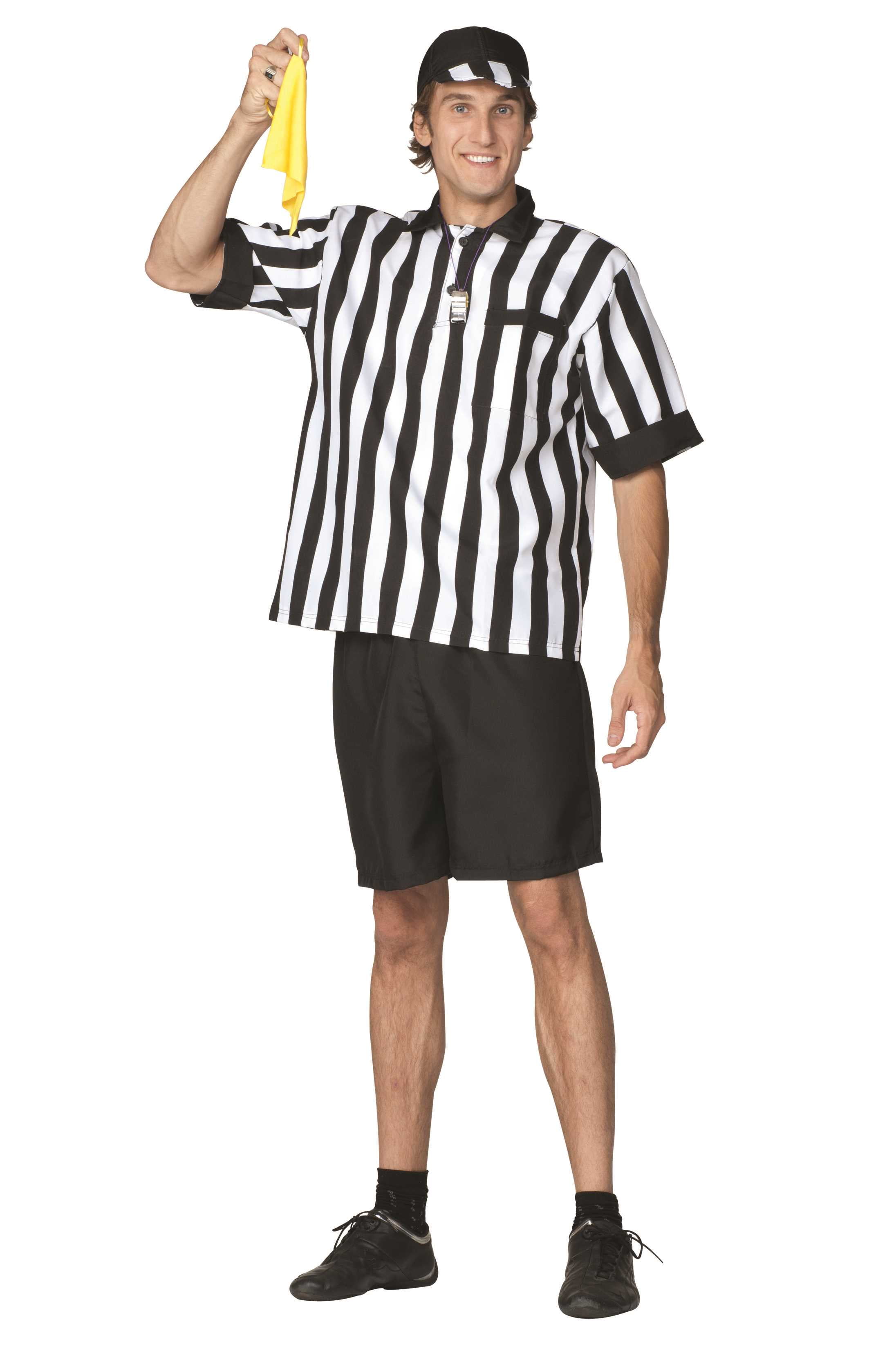
- Striped Shirt: The classic vertical black-and-white (or black-and-gray) striped shirt is the foundational element. Ensure the stripes are of standard width to maintain the recognizable silhouette of an official.
- Pants: Black athletic trousers or slacks are the standard uniform. Avoid jeans if you want the costume to look more like a legitimate officiating uniform.
- Whistle: A metal or high-quality plastic whistle on a black lanyard adds a sense of professional legitimacy that heightens the comedic contrast.
2. The Satirical Add-Ons
- Dark Sunglasses: The primary indicator. Oversized, opaque, or mirrored black sunglasses are the most common choices. Avoid glasses with high-strength prescriptions that might cause eye strain.
- The Guide Cane: A collapsible white cane with a red tip is the most recognizable prop. Many hobbyists opt for inexpensive, lightweight aluminum or plastic versions to ensure they are easy to carry during long events.
- Optional "Official" Badges: Adding a generic sports league patch or a custom-made tag that reads "Head Official" or "Senior Umpire" can increase the visual detail of the costume.
Technical Specifications for Assembly
When sourcing materials for your costume, prioritize safety and comfort, especially if you intend to wear it for an extended period in a crowded stadium or party environment.
| Component | Material Recommendation | Safety Note |
|---|---|---|
| Striped Shirt | Breathable polyester/cotton blend | Avoid thick synthetics for outdoor summer events. |
| Whistle | Nickel-plated metal or BPA-free plastic | Ensure the lanyard has a quick-release clasp. |
| Guide Cane | Lightweight aluminum | Do not use heavy materials; ensure it is collapsible. |
| Sunglasses | UV-rated lenses | Ensure you can see clearly in variable light conditions. |
Practical Considerations for Stadium Wear
If you are planning to wear your costume to a professional sports game in 2026, you must adhere to the venue’s code of conduct. Most major stadiums have strict security protocols.
- Prohibited Items: Do not bring long, rigid canes that could be construed as weapons or potential hazards in a crowded aisle. Collapsible canes are often permitted, but always check the stadium’s specific "Prohibited Items" list on their official website before departing.
- Visibility: Wearing dark glasses for long periods can impair your depth perception and peripheral vision. If you are navigating stairs in a stadium, remove the glasses or use caution.
- Behavioral Expectations: While the costume is meant to be funny, avoid using it to interact aggressively with real officials or opposing fans. Most stadiums will remove fans who are deemed disruptive or harassing, regardless of their costume.
Step-by-Step Costume Assembly Guide
- Select the Base: Purchase a high-quality referee shirt. Look for "official style" shirts with a collar for a more authentic appearance.
- Choose the Eyewear: Select sunglasses that fit securely. If you need to see clearly to walk through a crowd, choose dark-tinted glasses rather than opaque ones.
- Source the Cane: Order a standard white mobility cane. Since this is for a costume, you do not need medical-grade equipment; a decorative or theatrical prop cane is sufficient.
- Accessorize: Add a belt, comfortable black sneakers, and perhaps a penalty flag (a yellow cloth with a weight inside) to complete the professional officiating look.
- Final Check: Walk around your home wearing the full ensemble to ensure the cane does not get caught on clothing and that the whistle is accessible but not obstructive.
Common Mistakes to Avoid
- Over-Accessorizing: Do not try to carry too many items. A referee costume should look sleek. Avoid adding unnecessary items like heavy vests or oversized hats, which can make the costume cumbersome.
- Ignoring Comfort: You will likely be standing or walking for several hours. Choose comfortable shoes, as professional officiating requires agility, even if the costume suggests otherwise.
- Blocking Views: If you are attending a game, remember that your costume components (like a tall hat or long props) should not block the view of fans sitting behind you.
Frequently Asked Questions
Can I use a real medical white cane for my costume? While you can, it is often unnecessary and can be expensive. Many people use legitimate medical canes for authenticity, but lightweight theater props are safer for crowd environments.
Is it offensive to wear a blind ref costume? The costume is intended as a critique of officiating quality, not as a mockery of visual impairment. However, maintain awareness of your surroundings and ensure your humor is directed at the sport and the game-day experience rather than individuals with disabilities.
How do I make a penalty flag for the costume? A penalty flag is simply a small square of bright yellow fabric wrapped around a small weight (like a washer or a few coins) and secured with a rubber band. It is an easy, low-cost addition to the ensemble.
Are these costumes allowed in all stadiums? Most stadiums permit costumes, but props are heavily scrutinized. Items that look like weapons or that could cause injury if thrown will be confiscated. Always check the specific "Fan Code of Conduct" for the stadium you are visiting.
What should I do if my costume is challenged by security? Be polite and cooperative. If security asks you to remove an item, do so immediately. The goal of the costume is fun; complying with security requests ensures you can remain in the venue.
Final Recommendation
The best approach to a blind ref costume is to focus on quality materials for the shirt and whistle while keeping props lightweight and stadium-compliant. By keeping the look clean and professional, you ensure the joke remains clear to observers. Before your event, verify your venue’s specific policy on props and arrive early to allow time for security screening.
Image Gallery