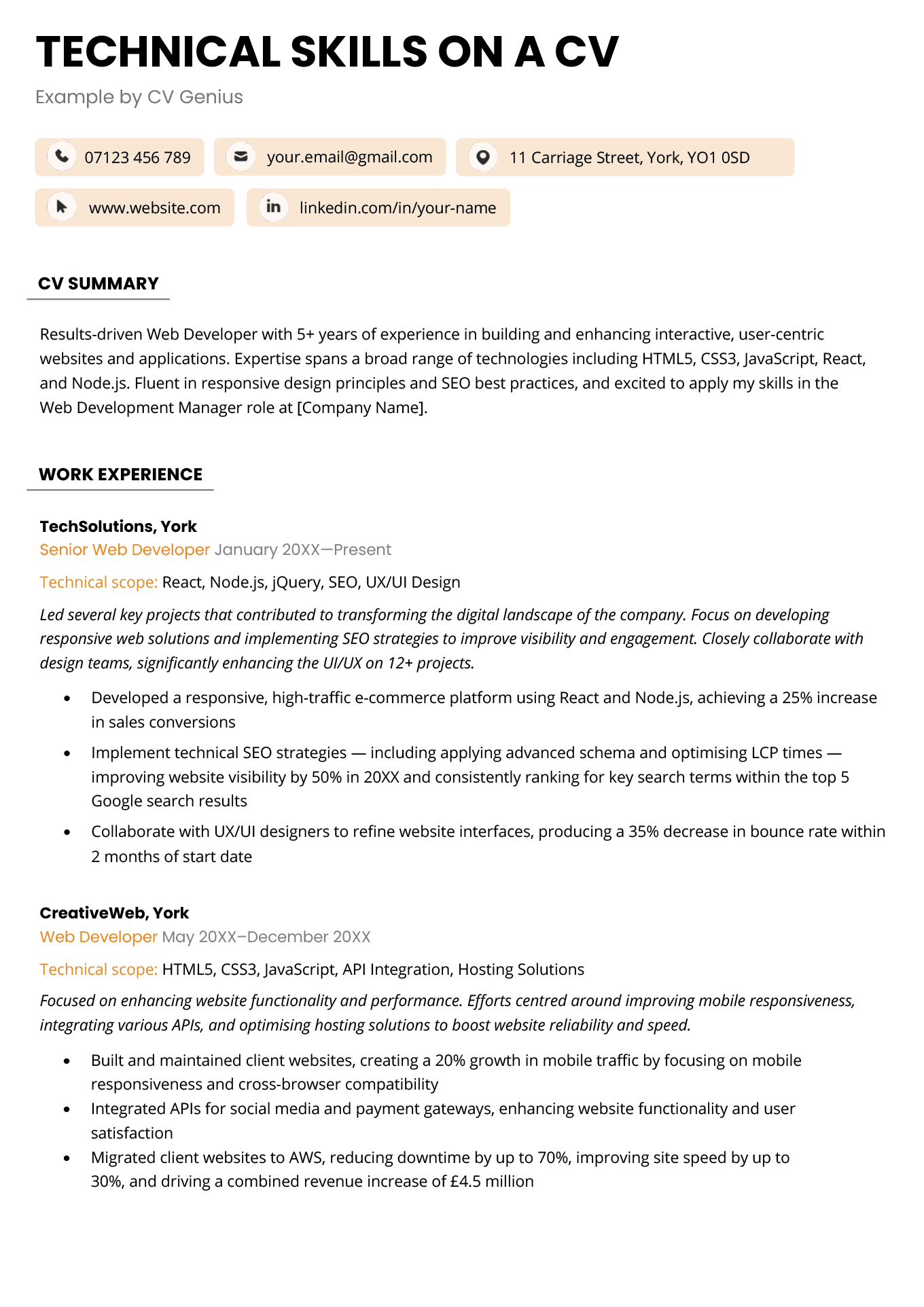
Understanding Technological Skills: A Comprehensive Definition for 2026
Technological skills refer to the specialized knowledge and practical expertise required to operate, manage, and innovate with digital tools, software, and hardware. In 2026, these skills encompass a broad spectrum from foundational di...
Technological skills refer to the specialized knowledge and practical expertise required to operate, manage, and innovate with digital tools, software, and hardware. In 2026, these skills encompass a broad spectrum from foundational digital literacy to advanced proficiencies in artificial intelligence, cloud architecture, and cybersecurity, serving as the essential building blocks for modern professional productivity.
Contents
Defining Technological Skills in the Modern Era
Technological skills, often referred to as hard skills or technical competencies, represent the ability to interact effectively with the complex systems that define the 2026 economy. While the core definition remains the application of scientific knowledge for practical purposes, the scope has expanded significantly. It is no longer sufficient to merely "use a computer"; technological skill now implies a deep understanding of how data flows through systems and how various digital ecosystems interconnect.
At their essence, these skills allow individuals to perform specific tasks using specialized programs or machinery. For a graphic designer, this involves mastery of generative AI design suites and vector software. For a civil engineer, it involves Building Information Modeling (BIM) and structural analysis software. The definition is inherently fluid, as a "technical skill" in one decade—such as manual data entry—often becomes automated or obsolete in the next, replaced by skills like robotic process automation (RPA) oversight or data synthesis.
In the current professional landscape, technological skills are categorized by their depth and application. Digital literacy is the baseline, involving the ability to find, evaluate, and communicate information through various digital platforms. Moving beyond literacy, technological fluency involves the ability to manipulate technology to create new outcomes, such as writing code or configuring cloud-based enterprise resource planning (ERP) systems.
Categorizing Technological Skills: From Foundational to Specialized
To understand the full definition of technological skills, one must distinguish between the different tiers of expertise required across various industries. These skills are rarely static; they exist on a continuum that requires constant updating as software versions change and new hardware is released.
Foundational Digital Skills
These are the non-negotiable competencies required for almost every role in the 2026 workforce. They include:
- Information Management: The ability to navigate complex file structures, use cloud storage (such as OneDrive or Google Workspace), and ensure data version control.
- Digital Communication: Mastery of asynchronous tools (Slack, Microsoft Teams) and virtual meeting etiquette, as well as the ability to use collaborative whiteboards and project management software like Asana or Jira.
- Cyber Hygiene: Understanding basic security protocols, such as multi-factor authentication (MFA), recognizing sophisticated phishing attempts, and maintaining privacy standards under modern data regulations.
Advanced Technical Skills
These skills are specific to technical roles but are increasingly "bleeding" into general management and administrative positions.
- Data Analysis and Visualization: The ability to take raw data and transform it into actionable insights using tools like Tableau, Power BI, or specialized SQL queries.
- Artificial Intelligence Literacy: This involves prompt engineering, understanding the ethical implications of AI, and knowing how to integrate Large Language Models (LLMs) into daily workflows to automate repetitive tasks.
- Software Development and Scripting: Proficiency in programming languages such as Python, JavaScript, or Rust, which are used to build applications, automate web tasks, or manage backend infrastructure.
The Essential Technological Skill Sets for 2026
As we navigate 2026, certain skill sets have emerged as the primary drivers of corporate value. These are the areas where the "definition" of tech skills is most actively evolving.
AI and Machine Learning Integration
In 2026, AI is no longer a niche field for data scientists. Technological skill now includes the ability to collaborate with AI agents. This includes model fine-tuning, where professionals adapt existing AI models to specific proprietary datasets, and AI auditing, ensuring that automated outputs are accurate, unbiased, and compliant with updated 2026 regulatory frameworks.
Cybersecurity and Resilience
With the rise of decentralized work environments, cybersecurity has become a core technical skill for all employees, not just IT staff. Defining this skill involves understanding the "Zero Trust" architecture and being able to operate within secure containers and encrypted environments. For specialists, it involves threat hunting and the use of AI-driven security orchestration, automation, and response (SOAR) tools.
Cloud Computing and Edge Architecture
Most modern business operations occur in the cloud. Skill in this area means understanding how to deploy and manage resources across environments like AWS, Azure, or Google Cloud. In 2026, there is a specific focus on Edge Computing, which involves processing data closer to where it is generated (such as IoT devices) to reduce latency.
Why Technological Skills Matter for Career Progression
The economic value of technological skills cannot be overstated. According to the World Economic Forum, the "skills gap" remains one of the largest hurdles for global productivity. Individuals who possess high-level technical skills command significantly higher salaries and enjoy greater job security because their expertise is directly linked to an organization’s ability to innovate and compete.
Beyond salary, these skills provide professional agility. A professional with a strong foundation in data logic and system architecture can pivot between industries—from healthcare to finance—more easily than someone with only industry-specific manual knowledge. In 2026, the concept of a "job for life" has been replaced by a "career of continuous learning," where technological skills are the currency of that journey.
| Skill Category | Primary Focus in 2026 | Key Tools & Technologies | Proficiency Requirement |
|---|---|---|---|
| Data Science | Predictive analytics & synthesis | Python, R, SQL, Snowflake | High (Specialized) |
| AI Operations | Prompt engineering & AI workflows | OpenAI API, Anthropic, Midjourney | Moderate (Universal) |
| Cybersecurity | Zero Trust & Identity Management | Okta, CrowdStrike, Wireshark | High (Specialized) |
| Cloud Mastery | Hybrid & Multi-cloud management | AWS, Azure, Kubernetes, Docker | High (Specialized) |
| Productivity | Collaborative automation | Zapier, Microsoft Power Automate | Moderate (Universal) |
| Digital UX | Accessibility & Human-AI Interaction | Figma, Adobe Express, Canva | Moderate (Creative) |
How to Acquire and Validate Your Technical Expertise
Defining technological skills also requires understanding how they are verified. In the 2026 labor market, a traditional four-year degree is often supplemented or even replaced by micro-credentials and skill-based assessments.
Industry Certifications
Certifications from major technology providers remain the "gold standard" for verification. Organizations like CompTIA provide foundational certifications (A+, Network+), while Amazon Web Services (AWS) and Microsoft offer specialized tracks for cloud and AI. These certifications prove that an individual’s skills meet current industry benchmarks.
Portfolio-Based Evidence
For creative and development roles, a "definition" of skill is often found in a GitHub repository or a digital portfolio. Showing the ability to solve a real-world problem—such as writing a script that reduces data processing time by 40%—is frequently more valuable than a certificate.
Continuous Professional Development (CPD)
Because technology moves so fast, the most important technological skill is the ability to learn. Platforms like LinkedIn Learning and Coursera allow professionals to engage in "just-in-time" learning, acquiring specific skills (like a new coding library or software update) exactly when they are needed for a project.
Common Challenges in Developing Technical Proficiency
Despite the clear benefits, acquiring technological skills is not without obstacles. The primary challenge is skill obsolescence. The "half-life" of a technical skill is currently estimated to be less than five years, meaning half of what you know today may be irrelevant by 2031.
Another challenge is the cognitive load required to keep up with multiple platforms. As businesses use an average of 100+ SaaS applications, professionals often suffer from "app fatigue." True technological skill in 2026 involves the ability to discern which tools are essential and which are distractions, focusing on the platforms that offer the highest return on effort.
Finally, there is the accessibility gap. While many resources are available online, the high cost of advanced certifications and the requirement for high-speed internet and modern hardware can create barriers for those in underserved communities. Bridging this gap is a major focus for global educational initiatives in 2026.
FAQs About Technological Skills
What is the difference between hard skills and technological skills?
Hard skills are a broad category of teachable, measurable abilities, such as speaking a second language or operating a forklift. Technological skills are a subset of hard skills specifically focused on digital tools, software, and electronic systems. While all technological skills are hard skills, not all hard skills are technological.
Can soft skills be technological?
Strictly speaking, soft skills (like empathy or leadership) are separate from technical skills. However, in 2026, the term "Hybrid Skills" describes the intersection of the two. For example, "Digital Leadership" is the soft skill of managing a remote team using technical project management tools.
Do I need to learn coding to have high technological skills?
No. While coding is a valuable technical skill, many highly technical roles in 2026 focus on "no-code" or "low-code" platforms. These allow users to build complex applications and automations using visual interfaces. Mastery of these platforms is considered a high-level technological skill.
How often should I update my technical skills?
In the 2026 environment, a "major" skill audit should be conducted every 12 to 18 months. This involves checking for new software versions, emerging industry standards, and shifts in the tools used by market leaders in your specific field.
Are technological skills industry-specific?
Some are, while others are "horizontal." Skills like data analysis and AI prompting are horizontal, meaning they apply to almost every industry. Conversely, skills like managing a robotic surgical arm or using specialized 3D seismic modeling software are vertical, industry-specific skills.
Future-Proofing Your Skill Set
To stay relevant, professionals must move beyond a static definition of technological skills and embrace a mindset of technological adaptability. This means not just learning a specific tool, but understanding the underlying logic of how systems function.
The best next action for any professional is to identify one "foundational" skill (like advanced data literacy) and one "emerging" skill (like AI workflow automation) to master over the next six months. By balancing current utility with future trends, you ensure that your technological definition remains sharp, relevant, and highly marketable in the evolving 2026 economy.
Image Gallery