The Victims of the Happy Face Killer: Restoring Identity to the Stories of Keith Hunter Jesperson’s Targets
The victims of the Happy Face Killer, Keith Hunter Jesperson, include at least eight confirmed women murdered between 1990 and 1995 across multiple U.S. states. Primarily targeting vulnerable women during his career as a long-haul truc...
The victims of the Happy Face Killer, Keith Hunter Jesperson, include at least eight confirmed women murdered between 1990 and 1995 across multiple U.S. states. Primarily targeting vulnerable women during his career as a long-haul truck driver, Jesperson’s crimes are defined by the tragic loss of life and the high-profile wrongful convictions that initially followed his first murder.
Contents
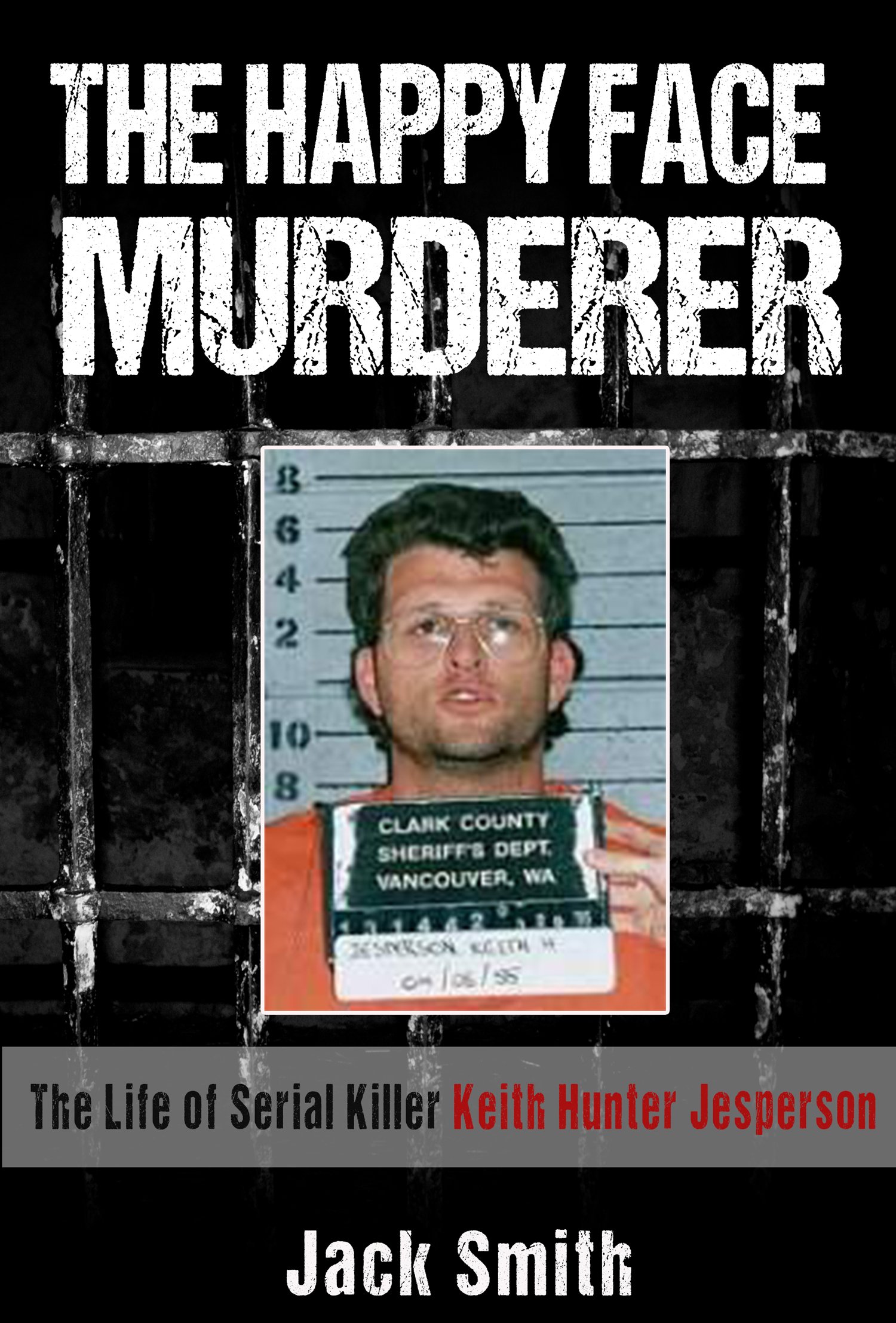
For decades, the narrative surrounding the "Happy Face Killer" focused heavily on the killer’s own ego—specifically the taunting letters he sent to the media and law enforcement signed with a smiley face. However, by 2026, the focus of criminal justice and true crime history has shifted toward the victims. Many of these women were marginalized at the time of their deaths, and recent advancements in forensic genealogy continue to provide names to those who remained "Jane Does" for years. Understanding the victims' stories requires looking past the sensationalism of the killer and examining the lives of the women he targeted.
The First Victim and the Failure of Justice: Taunja Bennett
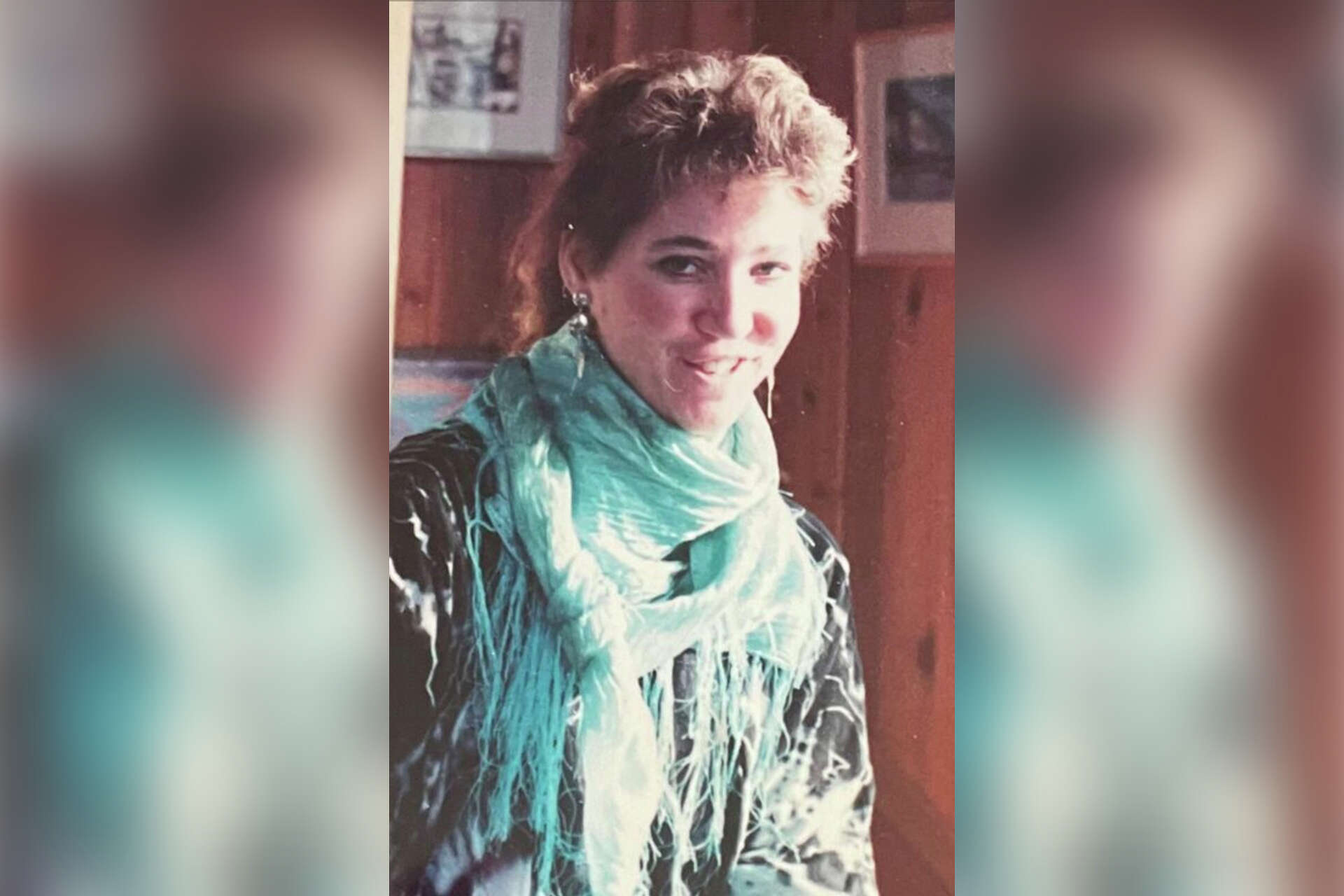
The story of Jesperson’s victims begins with Taunja Bennett, a 23-year-old woman from Portland, Oregon. On January 21, 1990, Bennett met Jesperson at a bar. After leaving with him, she was taken to his home, where she was sexually assaulted and strangled to death. Her body was later discovered near Vista House at Crown Point.
The tragedy of Taunja Bennett’s death was compounded by a catastrophic failure of the legal system. Shortly after the murder, a woman named Laverne Pavlinac falsely confessed to police that she and her boyfriend, John Sosnovske, had killed Bennett. Despite a lack of physical evidence linking them to the crime, and despite Pavlinac later recanting her statement—claiming she only made it to escape an abusive relationship with Sosnovske—both were convicted.
It was Bennett’s murder that prompted Jesperson to begin writing his infamous letters. Frustrated that someone else was getting "credit" for his work, he wrote a confession on the wall of a Greyhound bus station and sent letters to the Oregonian newspaper, signing them with a happy face. It took years for these claims to be taken seriously, during which time Pavlinac and Sosnovske remained imprisoned. They were only exonerated after Jesperson provided details of the crime that only the killer could have known.
The Oregon Victims: Cynthia Lynn Rose and Laurie Ann Pentland
Following the murder of Taunja Bennett, Jesperson continued his spree while working as a truck driver, which allowed him to cross state lines and dispose of bodies in various jurisdictions, making it difficult for investigators to link the crimes.
Cynthia Lynn Rose
In 1992, Cynthia Lynn Rose became one of the victims Jesperson claimed in the Pacific Northwest. Her body was found in Tualatin, Oregon. Like many of Jesperson's targets, Rose was in a vulnerable position when she encountered him. He utilized the anonymity of truck stops and the transient nature of his job to lure women into his vehicle. Rose’s death highlighted the predatory nature of Jesperson’s MO: he sought out individuals who he believed would not be immediately missed or whose disappearances might be dismissed by authorities.
Laurie Ann Pentland
Later in 1992, Laurie Ann Pentland was murdered in Salem, Oregon. Her body was discovered at a rest area. Pentland was a 37-year-old mother who had fallen on hard times. Jesperson’s interaction with her followed his established pattern—picking her up at a truck stop, committing the act of violence within the cab of his truck, and discarding the body along a highway. Her story is a stark reminder of how serial predators exploit the lack of safety infrastructure for transient populations and those working in high-risk environments.
Crossing State Lines: Angela Subrize and the Final Victims
As Jesperson’s route took him across the country, the geography of his crimes expanded. He was eventually linked to murders in California, Florida, Nebraska, and Washington.
Angela Subrize
In 1995, Angela Subrize was murdered after meeting Jesperson in Nebraska. He reportedly killed her and then drove with her body in his truck for several days, eventually disposing of her remains in a ditch in Washington state. Subrize had been traveling with Jesperson, illustrating how he sometimes spent more time with his victims before killing them, a departure from his more impulsive earlier strikes. Her disappearance and the subsequent investigation were pivotal in narrowing the window on Jesperson's movements.
The Identification of Suzanne Louise Kjellenberg
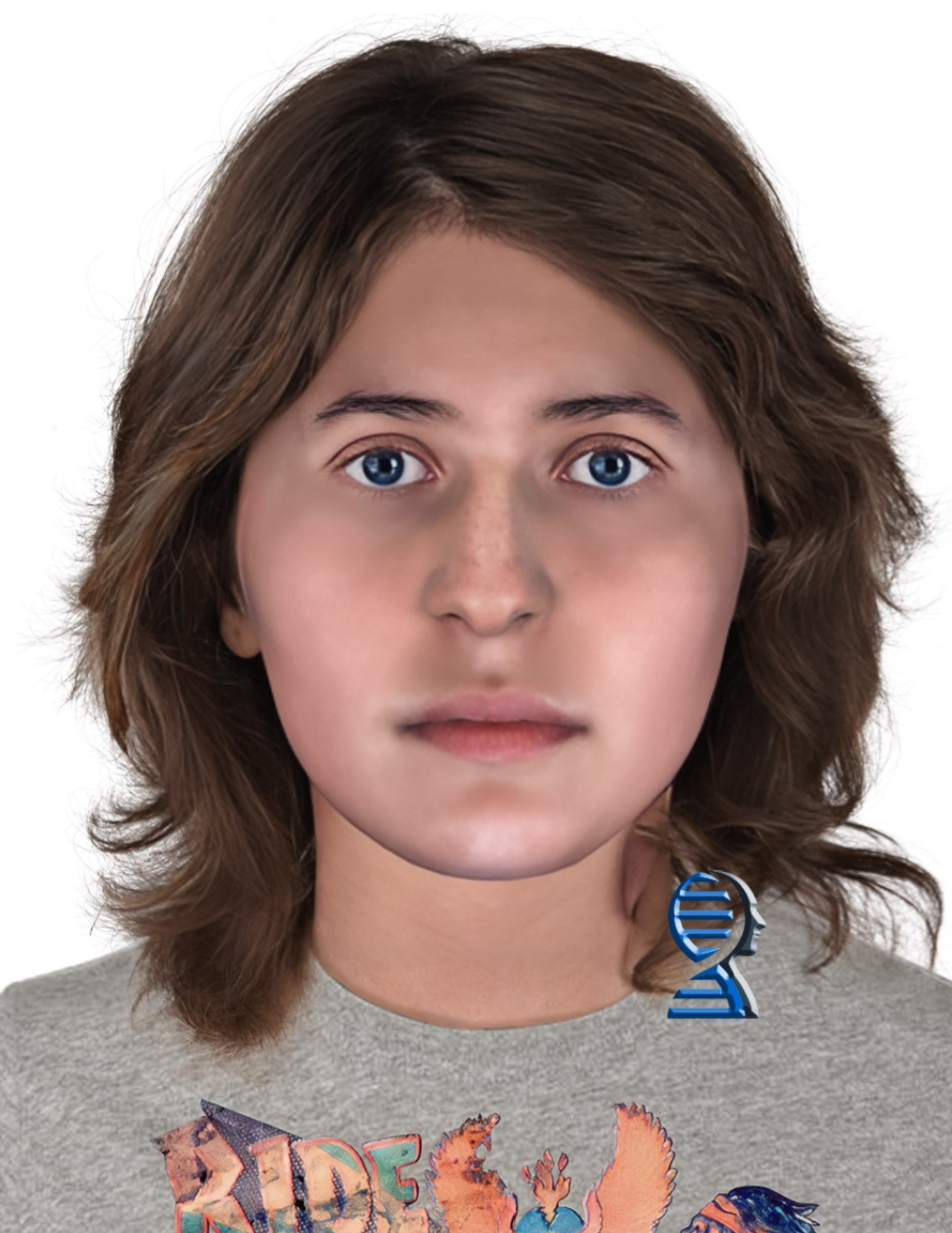
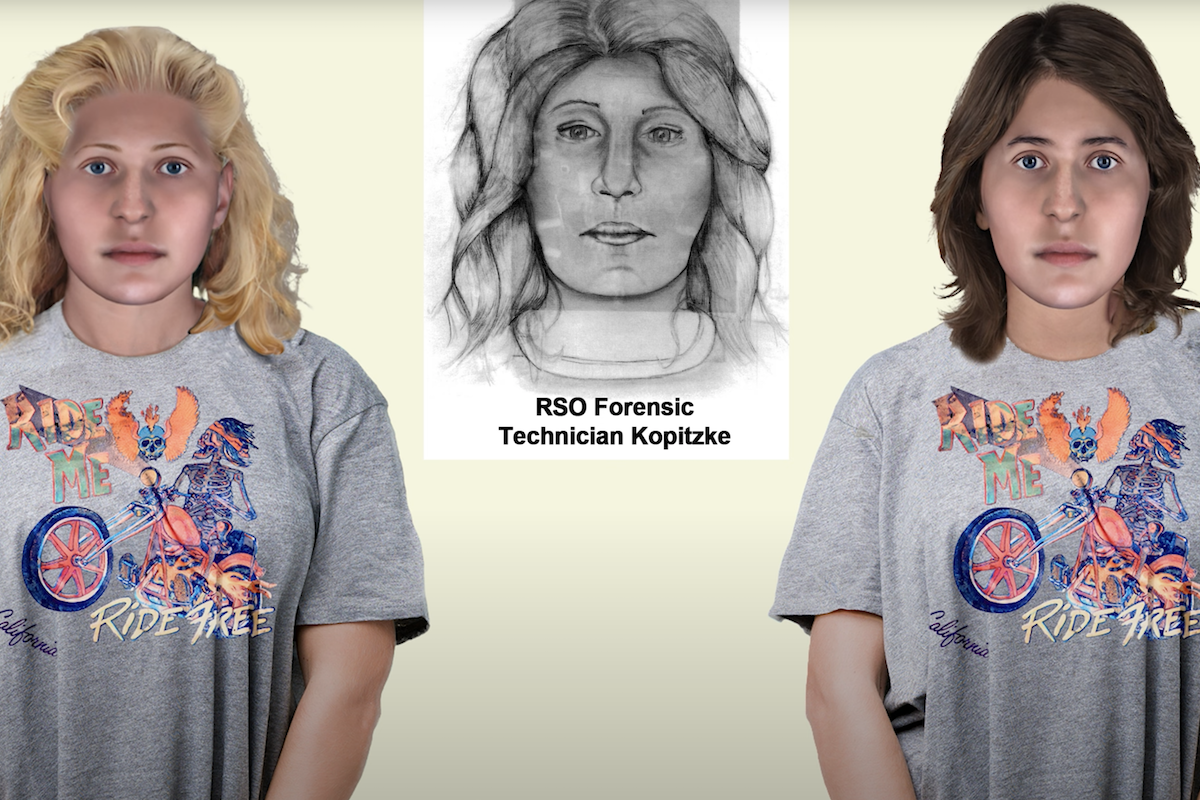
For decades, one of Jesperson's victims remained unidentified, known only as the "Okaloosa County Jane Doe." Her remains were found in 1994 near a rest area in Florida. It was not until late 2023 and early 2024 that forensic genealogists and the Okaloosa County Sheriff’s Office officially identified her as Suzanne Louise Kjellenberg.
Kjellenberg was 34 years old at the time of her death. Her identification was a landmark moment for the families of Jesperson's victims, proving that even thirty years later, the identities of those he tried to erase could be restored. Her story emphasizes the importance of modern DNA technology in closing cold cases and providing a name to the nameless.
Confirmed Victims of Keith Hunter Jesperson
While Jesperson has claimed to have killed upwards of 160 people, authorities have only been able to definitively link him to eight murders. The following table outlines the confirmed victims and the locations where they were discovered.
| Victim Name | Year of Death | Discovery Location | Status of Case |
|---|---|---|---|
| Taunja Bennett | 1990 | Oregon | Confirmed / Exonerated others |
| Cynthia Lynn Rose | 1992 | Oregon | Confirmed via confession |
| Laurie Ann Pentland | 1992 | Oregon | Confirmed via confession |
| Jane Doe (identified as Suzanne Kjellenberg) | 1994 | Florida | Identified in 2023 |
| Angela Subrize | 1995 | Washington | Confirmed via confession |
| Julie Ann Winningham | 1995 | Washington | Final victim / Led to arrest |
| Jane Doe (unidentified) | 1992 | California | Ongoing investigation |
| Jane Doe (unidentified) | 1993 | California | Ongoing investigation |
The Capture: Julie Ann Winningham
The spree finally came to an end with the murder of Julie Ann Winningham in 1995. Winningham was someone Jesperson actually knew and had a brief relationship with, which was a deviation from his usual pattern of targeting strangers. Because there was a documented connection between the two, Jesperson became the primary suspect almost immediately after her body was found in Washington.
Under pressure from the investigation into Winningham’s death, Jesperson attempted suicide and eventually wrote a letter to his brother confessing to his crimes. This letter, combined with the evidence found in his truck, led to his arrest and the subsequent unraveling of his multi-state killing spree.
The Role of Forensic Genealogy in 2026
As of 2026, the investigation into the Happy Face Killer’s victims remains active, not to convict Jesperson—who is serving multiple life sentences without the possibility of parole—but to identify the remaining "Jane Does."
The use of Investigative Genetic Genealogy (IGG) has revolutionized this process. By uploading unidentified DNA profiles to public databases like GEDmatch or FamilyTreeDNA, investigators can find distant relatives of the victims. This method was instrumental in identifying Suzanne Kjellenberg and continues to be used on the remaining unidentified remains found along Jesperson's trucking routes in the early 90s.
The complexity of these cases often involves:
- Degraded DNA: Remains found decades ago may have poor quality DNA, requiring advanced sequencing techniques.
- Lack of Missing Persons Reports: Many of Jesperson's victims were estranged from their families, meaning no one had filed a report that would match with the bodies found.
- Geographic Displacement: Because Jesperson was a trucker, a victim might disappear in one state and be found three states away, confusing local jurisdictions.
The Psychological Impact on Victim Families
The "Happy Face Killer" moniker itself is a source of pain for the families of the victims. The name was derived from Jesperson’s own desire for notoriety. For the families of Taunja Bennett or Angela Subrize, the media's focus on the "smiley face" letters often overshadowed the human beings who were lost.
Victim advocacy groups emphasize that the narrative should center on the loss of potential: the children who grew up without mothers and the families who spent decades wondering what happened to their loved ones. The exoneration of Pavlinac and Sosnovske also created a unique layer of trauma, as the Bennett family had to process the fact that the "justice" they thought they had received for five years was a lie.
FAQs
How many victims did the Happy Face Killer have?
Keith Hunter Jesperson was convicted of killing eight women. Although he has claimed to have murdered over 160 people, these claims are largely considered exaggerations intended to gain media attention. Investigators continue to work on identifying remains that may be linked to his trucking routes.
Why was he called the Happy Face Killer?
He received the nickname because he drew happy faces (smiley faces) on the letters he sent to the media and authorities. He began writing these letters because he was jealous of the attention being given to Laverne Pavlinac, who had falsely confessed to his first murder.
Who was the first victim of the Happy Face Killer?
The first confirmed victim was Taunja Bennett, killed in Portland, Oregon, in January 1990. Her case is famous in legal history due to the wrongful conviction of two other people for her murder before Jesperson confessed.
Are there still unidentified victims?
Yes. As of 2026, there are still sets of remains found in California and other states that investigators believe may be linked to Jesperson. Forensic genealogy is the primary tool currently being used to identify these women.
Is Keith Hunter Jesperson still alive?
As of 2026, Keith Hunter Jesperson remains incarcerated. He is serving multiple life sentences at the Oregon State Penitentiary.
Practical Actions for Following Cold Cases
For those interested in the ongoing efforts to identify the remaining victims of the Happy Face Killer or other cold cases, it is recommended to follow the updates from the DNA Doe Project or the National Missing and Unidentified Persons System (NamUs). These organizations provide the most accurate data on how modern science is restoring identities to those lost to history. Support for victim advocacy programs ensures that the focus remains on justice and remembrance rather than the sensationalism of the perpetrators.
Image Gallery