How to Grow Expensive Plants to Sell: Commercial Cultivation and Sales Guide
To grow expensive plants to sell successfully, you must select high-demand, high-margin species, master advanced plant propagation techniques, establish a controlled growing environment, and comply with agricultural regulations. Profit...
To grow expensive plants to sell successfully, you must select high-demand, high-margin species, master advanced plant propagation techniques, establish a controlled growing environment, and comply with agricultural regulations. Profitable plant cultivation relies on sourcing authentic mother stock, protecting inventory from pathogens, and executing precise shipping and marketing strategies to reach collectors and retail buyers.
Contents
1. Selecting High-Value Plant Categories and Understanding Market Dynamics
Cultivating high-value plants requires a clear understanding of supply dynamics, growth cycles, and collector demand. Unlike mass-market greenhouse crops sold at low margins, high-value plants command premium prices due to slow propagation rates, genetic instability (such as chimeric variegation), or restricted geographical availability.
| Category | Primary Examples |
|---|---|
| Rare Aroids & Epiphytes | Monstera deliciosa 'Albo', Philodendron spiritus-sancti |
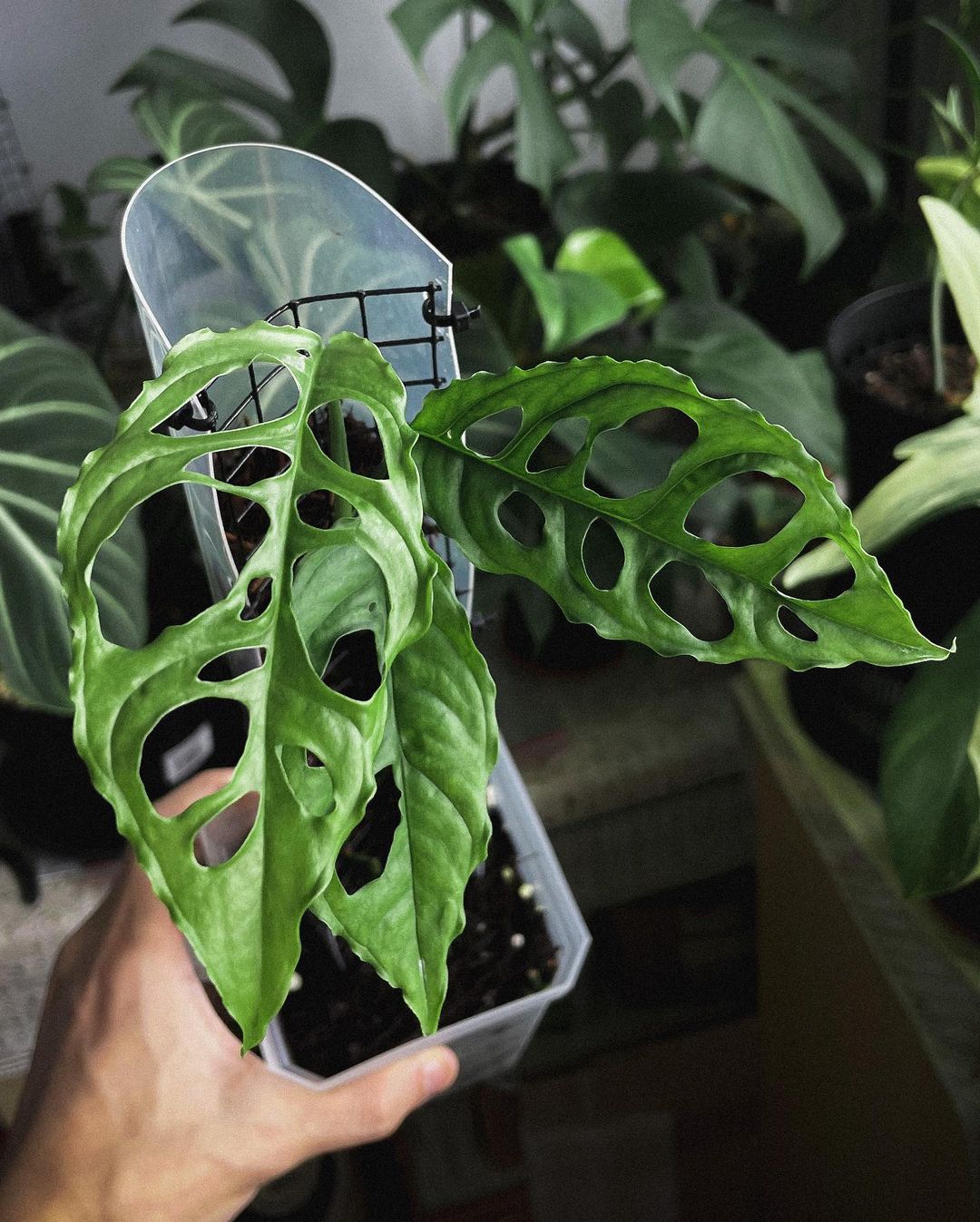
| Variegated Cultivars | Variegated Frydek, Monstera adansonii 'Mint' |
| Specimen Succulents/Cacti | Astrophytum asterias, Crested Ariocarpus species |
| Slow-Growing Specimen Trees | Specialized Japanese Maples, Finished Bonsai Stock |
Rare Aroids and Variegated Tropicals
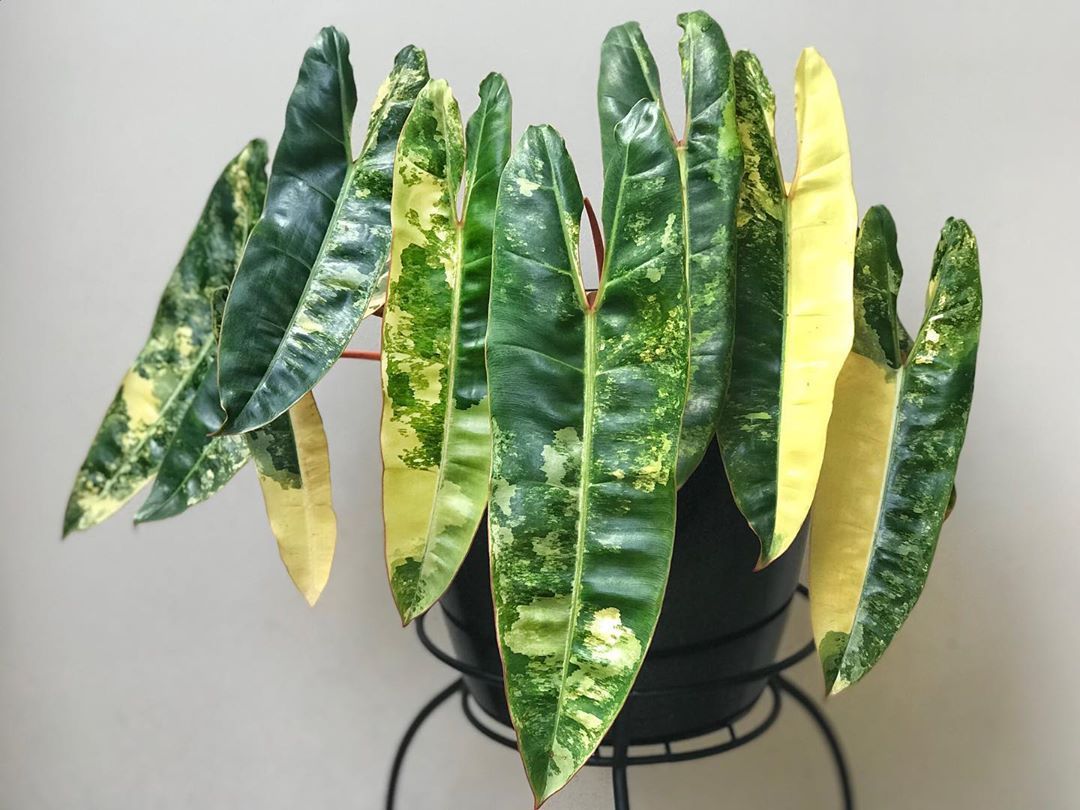
Tropical foliage plants, particularly within the Araceae family, remain a dominant category in the premium plant trade. Plants featuring stable or semi-stable chimera variegation—where mutated cells lack chlorophyll—fetch higher prices because they cannot be reliably reproduced through seed. Cultivars such as Monstera deliciosa 'Albo Borsigiana' or Philodendron spiritus-sancti require vegetative propagation (node cuttings or tissue culture), keeping production volumes lower than standard seed-grown stock.
Specimen Succulents and Cacti
Rare desert plants command high market values primarily due to their slow growth rates. Cultivars like Ariocarpus, Astrophytum asterias mutations (such as 'V-Type' or crested forms), and rare Haworthia hybrids take years to reach mature sizes. Because these plants cannot be quickly mass-produced without tissue culture, mature, well-rooted specimens maintain high market prices.
Market Volatility and Risk Management
High-value plant markets experience rapid pricing adjustments. When commercial micropropagation (tissue culture) labs successfully clone a previously rare plant at scale, market prices drop significantly. Commercial growers must diversify their inventory across multiple categories, maintain elite mother plants, and monitor propagation trends to avoid over-investing in species subject to imminent mass production.
2. Legal Compliance, Plant Patents, and Agricultural Regulations
Operating a plant production enterprise requires strict adherence to legal frameworks governing plant intellectual property and agricultural movement. Failing to comply can result in structural fines, crop destruction, or legal liability.
Plant Patents and Intellectual Property
Before propagating any plant for commercial resale, verify its patent status. In the United States, plant patents granted under 35 U.S.C. 161 grant the patent holder the exclusive right to exclude others from asexually reproducing, selling, or using the patented plant for 20 years from the filing date.
- Patented Cultivated Plants: You cannot legally take cuttings, tissue samples, or air layers from a patented plant to sell without an explicit license agreement from the patent holder.
- Unpatented Species and Wild Varieties: Naturally occurring species and unpatented cultivars can be legally propagated and sold vegetative.
- Trademarks: Brand names associated with certain plant lines (e.g., Pink Princess™) may be trademarked, restricting how you market the plant even if the plant itself is unpatented.
Agricultural Licensing and Nursery Inspection
Commercial plant growers must obtain a nursery license or plant dealer permit from their state or regional department of agriculture. State inspectors periodically evaluate nursery facilities to verify freedom from regulated pests, invasive weeds, and soil-borne pathogens.
When shipping live plants across state or international borders, you must meet agricultural phytosanitary standards. Interstate plant movement often requires a state inspection certificate, while international exports require a Phytosanitary Certificate issued by an official plant health authority, such as the USDA Animal and Plant Health Inspection Service (APHIS).
3. Essential Propagation Techniques for High-Value Crops
Selecting the appropriate propagation technique determines your production speed, labor efficiency, and multiplication ratio. High-value plant production relies on four main propagation methods.
- Propagation Method
- Stem & Node Cuttings
- Air Layering
- Micropropagation (Tissue Culture)
- Specialized Seed Sowing
1. Stem and Node Cuttings
The most common method for propagating tropical climbing plants involves single-node or multi-node stem cuttings. Each cutting must contain at least one healthy node, an axillary bud, and preferably an active leaf and aerial root.
- Substrate Preparation: Use sterile, well-aerated media such as coarse perlite, long-fiber sphagnum moss, tree fern fiber, or dedicated rooting plugs.
- Environmental Requirements: Maintain 80% to 90% relative humidity and continuous ambient temperatures between 75°F and 82°F (24°C to 28°C) to encourage callusing and adventitious root growth.
- Sanitation: Sterilize cutting instruments between every single plant using isopropyl alcohol (70% or higher) or a 10% bleach solution to prevent transferring viral or bacterial pathogens like Xanthomonas.
2. Air Layering
Air layering is ideal for large, high-value woody stems or top cuttings of rare species where risking a unrooted node cutting is unacceptable. By wounding the stem tissue and wrapping it in moist sphagnum moss while still attached to the parent plant, the grower induces root formation before separating the child plant. This technique lowers mortality rates for sensitive or expensive specimens.
3. Micropropagation (Tissue Culture)
Micropropagation involves growing plant cells, tissues, or organs in sterile, nutrient-rich media under controlled laboratory conditions. This technique yields thousands of identical clones from a minimal amount of donor tissue.
While requiring significant capital investment for laminar flow hoods, autoclaves, and growth media, micropropagation offers the highest multiplication rates for rare crops. However, growers propagating chimera-variegated plants must ensure the tissue culture protocol preserves the chimeric layer structure; otherwise, plants may revert to solid green or fully albino foliage.
4. Specialized Seed Sowing
For rare cacti, succulents, and non-variegated species that do not clone easily vegetative, seed propagation is required. Because seeds of rare species can be delicate, use pasteurized mineral substrates (pumice, lava rock, coarse sand) enclosed in sealed, high-humidity containers under controlled LED lighting schedules.
4. Controlled Environmental Infrastructure and Substrate Systems
High-value plants are sensitive to environmental stress, pest infestations, and root pathogens. Producing marketable stock efficiently requires precise climate control and tailored growing media.
- Target Microclimate Bounds
- Temperature: 72°F–82°F (22°C–28°C)
- Relative Humidity: 65%–85%
- Photosynthetic Photon Flux: 150–350 PPFD
Lighting and Daily Light Integral (DLI)
Indoor cultivation facilities utilize full-spectrum LED lighting to deliver controlled light intensity without excessive radiant heat. High-value tropical foliage generally thrives at a Photosynthetic Photon Flux Density (PPFD) between 150 µmol/m²/s and 350 µmol/m²/s. Maintaining a consistent 12-to-16-hour photoperiod provides the optimal Daily Light Integral (DLI) for rapid root initiation and leaf development without causing light stress or foliar bleaching on variegated areas.
Temperature and Air Circulation
Maintain day temperatures between 75°F and 82°F (24°C–28°C) and night temperatures no lower than 68°F (20°C). Relative humidity should remain between 65% and 85% for tropical species to promote leaf expansion and prevent tip necrosis. High humidity must be paired with continuous air movement using oscillating fans to prevent air stagnation, which encourages fungal diseases like Botrytis and powdery mildew.
Substrate Composition and Root Health
High-value plants require substrates engineered for optimal gas exchange and rapid drainage to prevent root rot (Pythium, Phytophthora). Standard potting soils are often too dense. A specialized custom mix for high-value epiphytes and tropicals typically incorporates:
- Coarse Coconut Coir / Tree Fern Fiber (40%): Provides moisture retention and structural stability.
- Coarse Perlite or Pumice (30%): Ensures aeration and prevents compaction.
- Medium-Grade Orchid Bark (20%): Maintains macroporosity for root respiration.
- Horticultural Charcoal & Worm Castings (10%): Supports beneficial microbial activity and buffers nutrients.
5. Comparative Analysis of Propagation Methods
The table below compares the primary propagation methods used for producing high-value plants across operational metrics.
| Propagation Method | Initial Capital Cost | Propagation Speed | Multiplication Factor | Technical Skill Level | Primary Risk Factors |
|---|---|---|---|---|---|
| Stem & Node Cuttings | Low ($100 - $1,000) | Moderate (4 - 12 weeks) | Low (1:1 per node) | Beginner to Intermediate | Stem rot, node abortion, chimera reversion |
| Air Layering | Very Low ($50 - $200) | Slow (8 - 16 weeks) | Very Low (1:1 per branch) | Intermediate | Parent plant stress, uneven root development |
| Tissue Culture (Lab) | High ($5,000 - $50,000+) | Fast (4 - 8 weeks per cycle) | Extreme (1:100s per batch) | Advanced | Contamination, genetic mutation, acclimation failure |
| Controlled Seed Sowing | Low to Moderate | Slow to Very Slow | High (depends on seed yield) | Intermediate | Low germination, genetic non-uniformity, damping-off |
6. Integrated Pest Management and Sanitation Protocols
A single pest infestation can destroy the commercial value of rare foliage or quarantine an entire nursery facility. Implementing a proactive Integrated Pest Management (IPM) program is essential.
- Biosecurity & Prevention Protocol
- Quarantine New Plant Arrivals (14–30 Days)
- Routine Physical Surveillance (Sticky Cards)
- Target Biological Control Release (Predatory Mites)
Preventative Sanitation
- Quarantine Isolation: Isolate all incoming plant material in a designated space for 14 to 30 days before integrating it into your main facility.
- Substrate Pasteurization: Ensure all rooting media is sterile before introducing node cuttings or seedlings.
- Tool Sterilization: Dip pruning shears and knives in isopropyl alcohol or a quaternary ammonium disinfectant between plants.
Common High-Value Plant Pests and Interventions
- Thrips (Thripidae): Microscopic insects that feed on emerging leaf tissue, causing silvered patches and distorted growth. Treat immediately with targeted biological controls such as Amblyseius swirskii or systemic beneficial treatments where legally permitted.
- Spider Mites (Tetranychidae): Thrive in low-humidity environments, damaging cellular structure on leaf undersides. Control via targeted predatory mites (Phytoseiulus persimilis) and maintaining relative humidity above 65%.
- Mealybugs (Pseudococcidae): Cottony pests that settle in leaf sheaths and root systems. Remove manually using isopropyl alcohol swabs and apply systemic soil drenches or beneficial predators like Cryptolaemus montrouzieri.
7. Monetization, Packaging, and Direct-to-Consumer Logistics
Unlocking the full commercial value of rare plants requires secure distribution, accurate plant descriptions, and specialized shipping methods.
- Plant Fulfillment Process
- Bare-rooting & Root Wrap (Sphagnum)
- Moisture Preservation (Foliage)
- Thermal Shielding (Heat/Cool)
Sales Channels and Buyer Trust
High-value plant transactions depend heavily on seller transparency and clear documentation.
- Direct-to-Consumer Platforms: Specialized e-commerce sites, live auction platforms (e.g., PalmStreet), and dedicated social storefronts connect growers directly with plant collectors.
- High-Resolution Documentation: List photos of the exact plant being sold, showing root development, leaf health, and any cosmetic imperfections. For variegated species, show multiple angles of the stem to verify node stability.
- Wholesale B2B: Partner with boutique plant shops and interior landscape designers for steady volume sales at wholesale margins (typically 40% to 60% of retail price).
Packaging and Shipping Engineering
Shipping expensive live plants presents physical and environmental risks. Follow these preparation steps to minimize shipping stress:
- Root System Preparation: Most high-value plants ship best bare-root or semi-bare-root. Gently remove excess substrate, wrap the roots in damp (not soaking) long-fiber sphagnum moss, and seal the root mass securely in paper or plastic wrap to prevent moisture loss.
- Foliage Protection: Wrap the leaves in breathable kraft paper or corrugated sleeves to protect leaves from mechanical bending and tearing.
- Thermal Protection: Use insulated foil box liners. Include 72-hour thermal heat packs during cold weather shipping or phase-change cooling packs during summer heatwaves.
- Carrier Selection: Use fast transit options (Express or Overnight) and mandate signature confirmation and insurance coverage for high-ticket sales.
FAQs
What expensive plants are easiest to propagate at home?
Rare tropical aroids like Monstera deliciosa 'Albo', Philodendron species, and select Syngonium cultivars are straightforward to propagate at home. They grow reliably from stem cuttings with single nodes, requiring minimal lab equipment compared to tissue culture setups.
How do I protect my rare plants from sudden market price drops?
Diversify your inventory across multiple plant families rather than relying on a single trending cultivar. Focus on slow-growing specimen plants, top-tier stable variegations, and plants with strong collector demand that cannot easily be micropropagated in mass quantities.
Do I need an agricultural license to sell plants online?
In most jurisdictions, selling live plants commercially—even online—requires a state or regional nursery dealer license. Requirements vary by location, but most regulations mandate facility inspections to confirm your plants are free from invasive pests and diseases.
Can I legally propagate a plant I bought at a local nursery?
You can propagate any unpatented plant species or cultivar. However, if the plant is protected by an active U.S. Plant Patent or international equivalent, asexual propagation (including cuttings, air layers, and tissue culture) for commercial sale without a license is illegal.
How do I safely ship high-value plants in the winter?
Pack plants using insulated box liners, wrap root masses in damp moss, and secure a 72-hour heat pack inside the shipping container. Ensure the heat pack is wrapped in paper so it does not touch foliage directly, and ship using 1- to 2-day express transit services.
Action Plan for Aspiring Commercial Growers
- Verify Legal Frameworks: Contact your local Department of Agriculture to apply for a nursery grower or dealer permit. Check patent databases to confirm your target species can be legally propagated.
- Acquire Elite Mother Stock: Purchase healthy, pest-free, verified mother plants from reputable source nurseries. Avoid low-quality stock to ensure your cuttings inherit strong traits and genetics.
- Build Climate-Controlled Propagation Areas: Install high-efficiency LED grow lights, continuous air circulation fans, humidity controllers, and sterile benching.
- Standardize IPM and Substrates: Mix well-aerated substrates suited to your target crops. Institute daily health inspections, bi-weekly biological pest controls, and strict sanitization routines.
- Establish Secure Sales and Logistics: Test your shipping packaging with mock shipments during extreme weather. Build transparent listings featuring photos of exact plants, clear health records, and fast shipping options.
Image Gallery