How to Choose Foundation Repair in El Paso
To choose the right foundation repair company in El Paso, hire an independent Texas-licensed structural engineer to diagnose the movement, identify contractor options specializing in local soil types like expansive clay or caliche, ver...
To choose the right foundation repair company in El Paso, hire an independent Texas-licensed structural engineer to diagnose the movement, identify contractor options specializing in local soil types like expansive clay or caliche, verify general liability and workers' compensation insurance, compare transferable warranties, and ensure all work includes City of El Paso structural permits.
Contents
Understanding El Paso Soil and Foundation Dynamics
Selecting an effective foundation repair strategy in El Paso requires an understanding of how local geological conditions affect residential structural stability. El Paso sits within the Chihuahuan Desert, where soil profiles vary dramatically across different geographic zones. Homes built in the Upper and Lower Rio Grande Valleys often rest on fine sands, silts, and alluvial deposits, whereas properties in East El Paso, West El Paso, and the Northeast near the Franklin Mountains frequently encounter expansive clay soils combined with dense layers of caliche (calcium carbonate hardpan).
Expansive clay is the leading structural threat to concrete slab-on-grade foundations in the region. This soil type undergoes significant volume changes based on moisture content. During the intense heat of late spring and early summer, the soil desiccates, shrinks, and pulls away from the concrete slab, leaving structural perimeters unsupported. Conversely, during the late summer monsoon season or after plumbing leaks, the clay absorbs water rapidly and swells. This continuous shrink-swell cycle creates uneven hydraulic pressure under the slab, leading to foundation settlement, differential movement, and cracking.
Understanding these subterranean conditions explains why a standardized, one-size-fits-all repair approach rarely succeeds in El Paso County. A foundation repair method that works in sandy alluvial soil near the river may prove ineffective when driven into stubborn, high-density caliche layers in the foothills. Evaluating a repair company's mastery of these micro-regional soil mechanics is essential before committing to a structural intervention.
Identifying Signs of Foundation Distress in Desert Homes
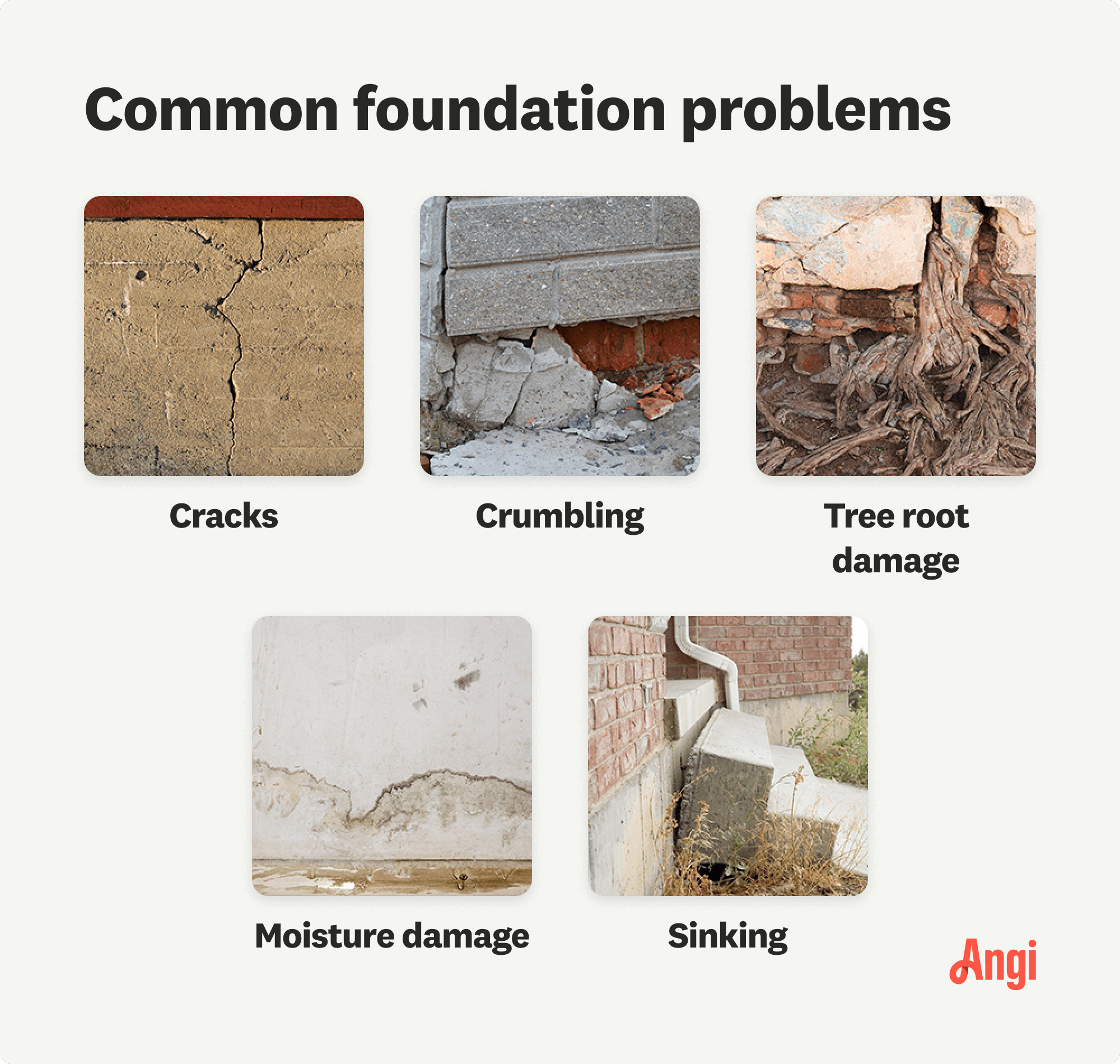
Before contacting a repair specialist, property owners should recognize the primary indicators of foundation failure versus normal cosmetic settling. Because desert environmental extremes accelerate material stress, visible symptoms often manifest on both the exterior and interior of the home.
Visual Inspection Checklist for Foundation Stress
- Exterior Indicators
- Step-cracks along exterior brick masonry or mortar joints
- Shearing, buckling, or pulling away of stucco finishes
- Separation between window/door frames and exterior walls
- Gaps between the concrete perimeter beam and surrounding soil
- Interior Indicators
- Diagonal drywall cracks originating from door frame corners
- Sticking, jamming, or out-of-square interior doors
- Slanted, unlevel, or noticeably sloping floor surfaces
- Unexplained floor tile cracking or carpet buckling
Structural movement usually presents as asymmetric distress. If diagonal drywall cracks extend upward from the top corners of interior door frames, or if floor tiles crack along a continuous line across a room, differential foundation movement is likely occurring. Exterior stucco walls—a dominant architectural feature in El Paso—frequently display diagonal shearing cracks when the underlying slab sags or heaves. Distinguishing minor surface curing cracks from deep structural shearing is critical; structural cracks typically measure wider than one-eighth of an inch and show vertical or horizontal displacement across the joint.
Plumbing leaks represent both a symptom and a cause of foundation movement. Broken sewer or fresh water lines beneath a concrete slab release large volumes of moisture directly into expansive soil, triggering localized foundation upheaval (heave). If door frames bind suddenly without structural changes elsewhere, a underslab plumbing leak evaluation should accompany any foundation assessment.
Common Foundation Repair Methods Used in El Paso
Selecting the appropriate remediation method depends on soil depth, load requirements, structural type, and whether the objective is stabilization or elevation recovery. Professional contractors in El Paso typically employ one of several recognized structural engineering solutions.
Pressurized Concrete Pilings
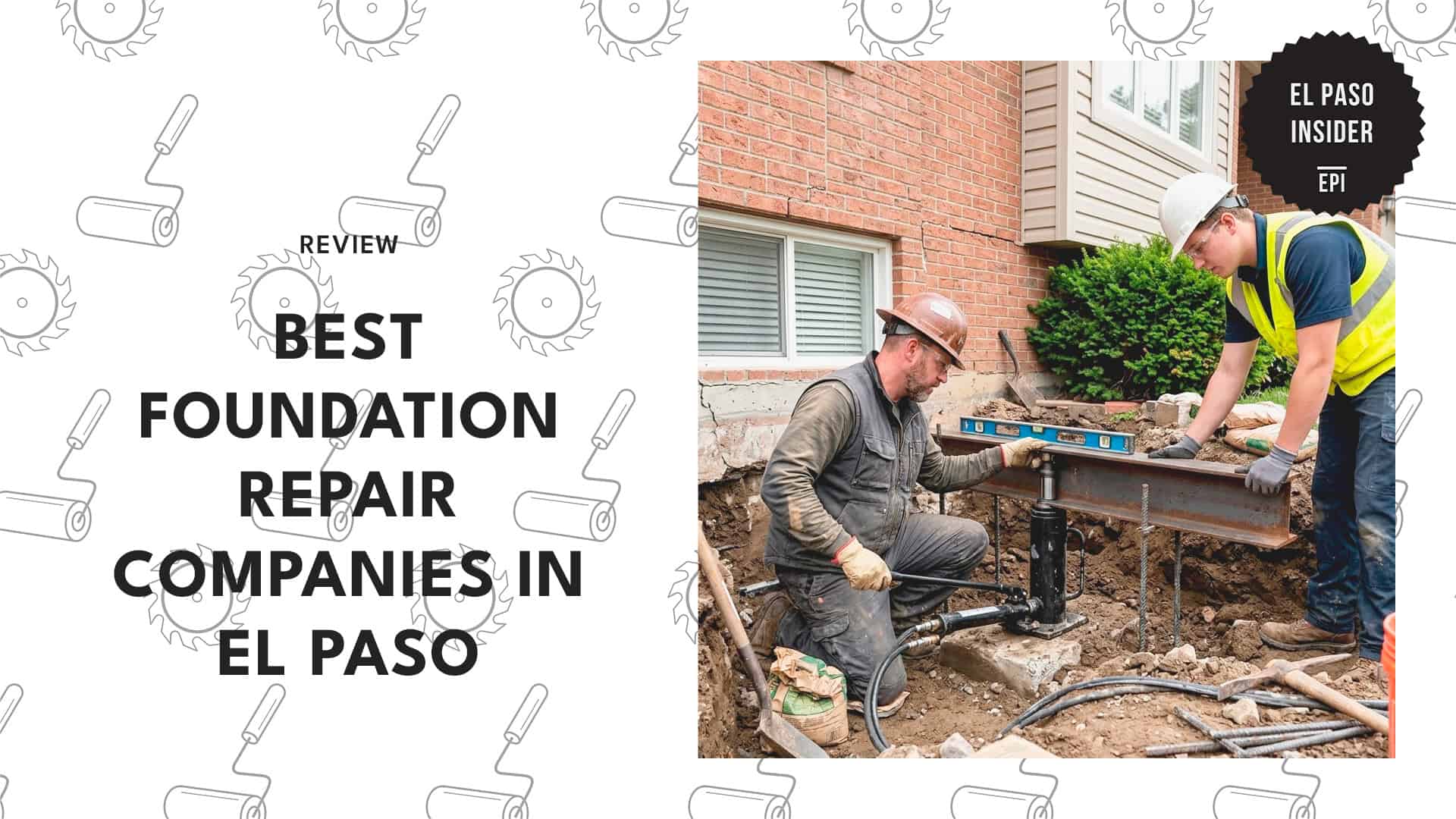
Pressurized concrete pilings are widely used for concrete slab-on-grade homes built on deep clay deposits. Precast concrete cylinders (typically 6 inches in diameter and 12 inches in length) are hydraulically driven into the ground directly beneath the foundation beam, using the weight of the house as resistance. The cylinders are stacked sequentially until structural resistance (refusal) or a stable soil stratum is reached. While cost-effective, their depth is constrained by the building's weight, and they may struggle to penetrate dense caliche layers without fracturing.
Pressed Steel Piers
Pressed steel piers utilize high-strength structural steel pipes driven deep into the earth using hydraulic equipment. Steel piers penetrate through upper soil layers, expansive clays, and dense caliche, reaching solid bedrock or stable load-bearing strata far deeper than concrete pilings can achieve. Because steel piers feature a smaller surface area and high tensile strength, they offer exceptional stability for heavy structural loads in challenging geology, making them a preferred solution for long-term stabilization in the El Paso foothills.
Helical Piers
Helical piers feature metal shafts equipped with screw-like helical blades. They are mechanically rotated into the soil until specified torque resistance values are achieved, indicating sufficient load capability. Helical piers excel in areas with light structural loads, deep unstable sands, or where hydraulic driving methods could damage fragile structures. They provide immediate load-bearing capabilities and allow precise height adjustment during installation.
Polyurethane Foam Injection (Polyjacking)
Polyurethane foam injection, or polyjacking, involves drilling small holes through a concrete slab or driveway and injecting expandable, high-density hydrophobic foam beneath the surface. As the liquid foam reacts, it expands, fills voids, compacts loose soil, and lifts settled concrete slabs. Polyjacking is an excellent solution for non-structural interior slab settlement, sidewalk leveling, or filling voids created by subterranean erosion or repaired plumbing leaks. However, high-density foam injection does not replace deep structural piering when load-bearing foundation beams require underpinning.
Structural Engineer vs. Foundation Repair Contractor
One of the most valuable steps in choosing foundation repair in El Paso is distinguishing between an independent structural engineer and a foundation repair contractor sales representative.
| Factor | Independent Structural Engineer | Repair Contractor Sales Representative |
|---|---|---|
| Primary Role | Objective structural evaluation & design | Sales presentation & scope-of-work estimate |
| Licensing | Licensed Professional Engineer (PE) by Texas Board of Professional Engineers and Land Surveyors | General trade contractor (no mandatory state engineering license) |
| Financial Incentive | Paid flat fee regardless of repair scope | Commission or revenue linked to repair volume |
| Output Deliverable | Stamped, legal engineering report and repair plan | Proposal, itemized estimate, and sales contract |
| Fiduciary Duty | Public safety, client interest, structural accuracy | Company profitability and sales targets |
Hiring an independent Texas-licensed Professional Engineer (PE) to inspect the property before soliciting contractor quotes provides an unbiased baseline. An independent engineer conducts a elevation survey, assesses structural integrity, determines whether foundation movement is active or historic, and provides an impartial assessment of whether repairs are actually required.
Contractor representatives often recommend extensive pier installation programs because their business models rely on pier volume. An independent engineer may discover that minor drainage adjustments, deep soil moisture management, or localized plumbing repairs can stop movement without costly structural underpinning. If structural repair is necessary, the engineer drafts a stamped repair plan that contractors can bid on, ensuring accurate cost comparisons.
Steps to Evaluate and Choose a Contractor in El Paso
Selecting a reputable foundation repair company requires careful verification of business credentials, engineering compliance, local experience, and legal protections.
Contractor Selection Workflow
- Step 1: Verify Licensing & Insurance
- Confirm TX business registration, general liability ($1M+), & workers' comp
- Step 2: Require Engineering Oversight
- Ensure all projects are backed by a Texas-licensed Professional Engineer (PE)
- Step 3: Check Municipal Compliance
- Verify contractor pulls permits with the City of El Paso Development Services
- Step 4: Scrutinize Warranty Terms
- Review transferable warranty details, exclusion clauses, & backing structure
- Step 5: Compare Written Bids
- Evaluate itemized scopes based on identical engineering specifications
1. Verify Credentials and Local Experience
Confirm that the business maintains an active legal standing in Texas and holds comprehensive business insurance. Demand proof of Commercial General Liability insurance (minimum $1,000,000 policy) and Workers' Compensation coverage. In Texas, general home repair contractors are not individually licensed by a state licensing board, making verified insurance, safety records, and local history critical safeguards for homeowners.
2. Mandatory Municipal Permitting
Verify that the contractor adheres to local municipal codes. Structural foundation repairs within the city limits of El Paso require a building permit issued by the City of El Paso Planning and Inspections Department. Legitimate contractors will include permit fees in their initial bid and schedule mandatory municipal building inspections upon project completion. Never hire a contractor who suggests skipping the permit process to save time or money.
3. Evaluate Engineering Oversight and Sign-Offs
A reputable contractor must collaborate with a Texas-licensed Professional Engineer. The contractor should provide a post-repair engineering inspection report stamped by a PE verifying that piers were driven to proper resistance and that the structural elevation was restored according to design standards. This final engineering report is mandatory for real estate disclosures and mortgage refinancing.
4. Scrutinize Warranty Coverage and Exclusions
Foundation repair contracts frequently highlight "Lifetime Transferable Warranties." Examine the specific language of these guarantees:
- Transferability: How easily can the warranty be transferred to a new owner if the home is sold? Are there transfer fees or strict notification deadlines (e.g., within 30 days of closing)?
- Scope of Guarantee: Does the warranty cover labor and materials for re-adjusting piers if future settlement occurs, or does it charge adjusting fees per pier?
- Exclusions: Does the warranty become void if plumbing leaks occur, if surface drainage changes, or if trees are planted near the slab?
- Financial Backing: Is the warranty backed solely by the local contractor, or supported by a third-party warranty trust or national association? If a single-owner LLC closes, an unbacked warranty becomes unenforceable.
Comparing Foundation Repair Methods, Costs, and Durability
Understanding costs, operational limits, and suitability helps property owners evaluate contractor proposals accurately.
| Repair Method | Ideal Soil / Site Conditions | Estimated Cost Range (Per Pier / Sq. Ft.) | Durability & Longevity | Primary Limitation |
|---|---|---|---|---|
| Pressed Steel Piers | Expansive clay over deep bedrock/caliche; heavy residential loads | $900 – $1,500 per pier | Lifetime (50+ years); immune to soil moisture changes | Higher upfront installation cost |
| Pressurized Concrete Pilings | Moderate clay depth; standard single-story slab-on-grade | $500 – $850 per pier | Moderate to High (20–30 years); subject to soil shifting | Depth limited by house weight; can break in dense caliche |
| Helical Piers | Sandy loam, loose alluvial soil, light framing, pier-and-beam | $800 – $1,400 per pier | Lifetime (50+ years); excellent tension resistance | Hard caliche can block helical blade installation |
| Polyurethane Foam Injection | Interior floor slab voids, driveways, non-load-bearing slabs | $10 – $25 per sq. ft. | High (20+ years); hydrophobic material does not erode | Cannot lift primary load-bearing foundation beams |
| Pier and Beam Reshimming | Crawl space homes, wooden joist adjustments | $1,500 – $4,000 total project | Periodic adjustment required (5–10 years) | Does not fix underlying perimeter soil subsidence |
Key Questions to Ask Before Signing a Contract
Before signing an agreement or making a deposit, ask prospective contractors the following questions:
- Will an independent Texas-licensed Professional Engineer inspect and stamp the initial design plan and final repair results?Why it matters: Reputable companies welcome engineering oversight to ensure legal compliance and structural safety.
- What specific depth or pressure threshold determines when a pier has reached refusal?Why it matters: Contractors must define technical stopping criteria (such as hydraulic pressure limits or load capacity metrics) to prevent shallow, inadequate pier installations.
- Does the bid include all City of El Paso building permits, utility line locates (811 calls), and post-repair plumbing tests?Why it matters: Hydraulic jacking can disturb underlying drain or water lines. Post-repair hydrostatic testing ensures plumbing integrity was not compromised during lifting.
- Who handles utility clearance and landscape restoration after excavation?Why it matters: Pier installation requires digging access holes along the exterior foundation beam. The contract should clarify who re-packs soil, replaces pavers, and manages damaged landscape features.
- What is the exact process, timeline, and fee structure for transferring the warranty to a future buyer?Why it matters: Unclear warranty transfer terms can delay or disrupt home sales during escrow.
Frequently Asked Questions
How much does foundation repair typically cost in El Paso?
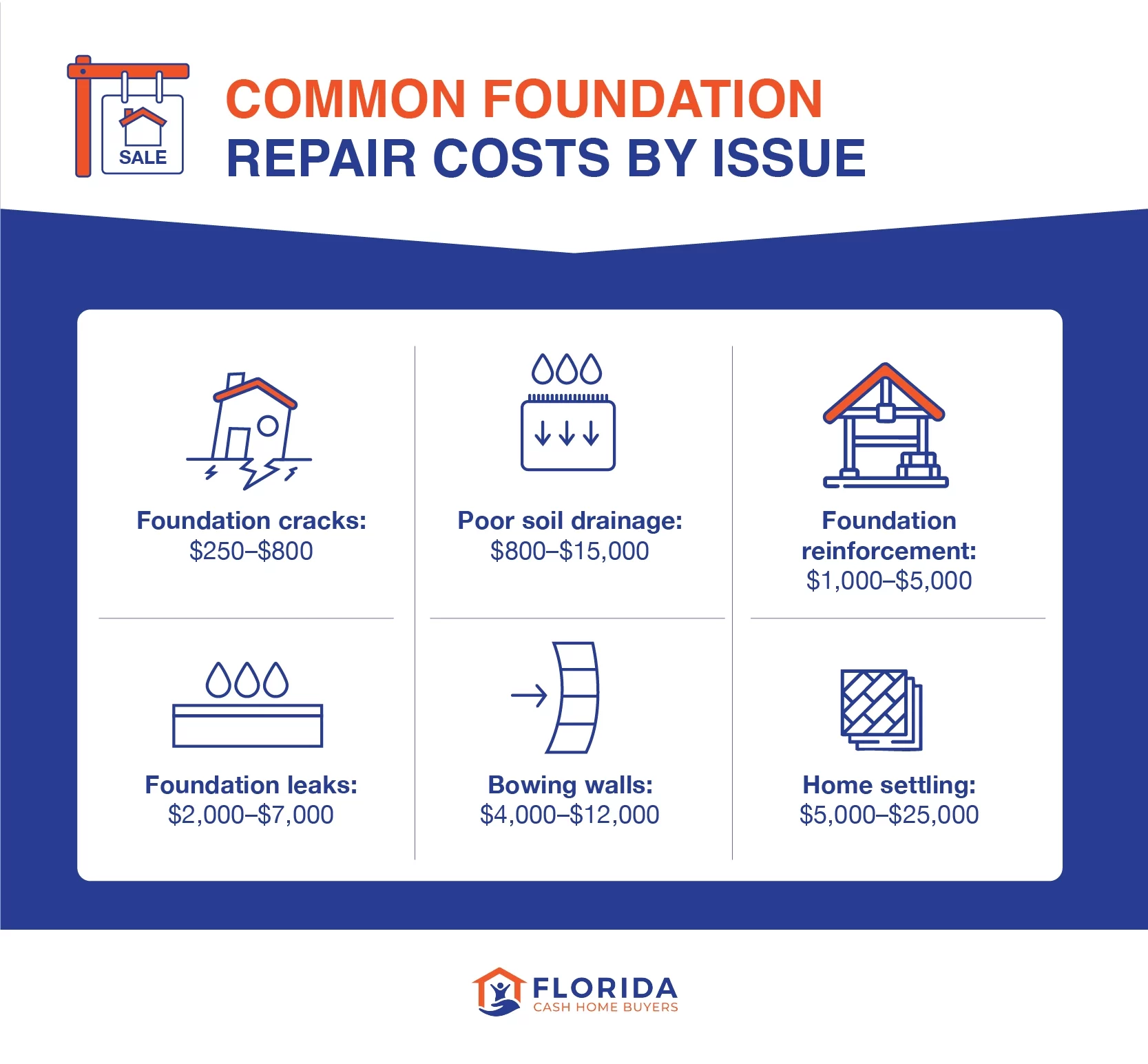
Minor leveling or localized interior polyurethane void filling generally costs between $2,000 and $4,500. Structural piering projects requiring 8 to 14 deep steel or concrete piers typically cost between $6,000 and $15,000, depending on pier depth, access conditions, and soil complexity. Comprehensive structural overhauls involving interior and exterior piers can exceed $20,000.
Should I get an engineering report before getting contractor estimates?
Yes. Obtaining an independent assessment from a licensed structural engineer ensures an unbiased diagnosis. Contractors are incentivized to sell their proprietary installation services, whereas an independent engineer provides an objective evaluation and structural plan that allows you to collect comparable contractor bids.
Does homeowners insurance cover foundation repair in Texas?
Standard homeowners insurance policies usually exclude foundation damage caused by settling, shrinking, expanding soil, or normal wear and tear. However, coverage may apply if the foundation damage directly resulted from a covered peril, such as an accidental discharge from a fresh water line or heating system. Review your specific policy endorsements with your insurance carrier.
How long does a typical foundation repair project take to complete?
Most residential piering projects in El Paso take 2 to 4 days of onsite labor. Excavation around the foundation beam occurs on the first day, pier installation and structural hydraulic lifting on the second day, followed by backfilling, concrete cleanup, and final engineering checks.
Can bad surface drainage cause foundation problems in desert climates?
Yes. In arid environments like El Paso, localized water pooling from roof downspouts or improper surface grading causes severe, isolated clay soil expansion. When dry clay rapidly absorbs concentrated rain runoff during monsoon storms, it generates localized heave. Ensuring surface water drains at least 5 feet away from the foundation perimeter is crucial for structural stability.
Action Plan for Foundation Repair in El Paso
To safeguard your home and ensure a long-lasting repair, follow this step-by-step process:
Foundation Remediation Action Plan
Step 1: Document & Track
- Take clear photos of cracks, measure widths, & note dates.
Step 2: Schedule Independent Engineering Inspection
- Hire a Texas-licensed PE (Professional Engineer) for an unbiased assessment.
Step 3: Conduct Plumbing Leak Testing
- Run hydrostatic or isolation tests to rule out underslab leaks.
Step 4: Solicit Itemized Contractor Bids
- Collect 3 bids based strictly on the independent engineer's structural plan.
Step 5: Verify Permits & Contracts
- Ensure City of El Paso permits are pulled & warranty terms are fully documented.
Step 6: Complete Post-Repair Engineering Audit
- Secure the final stamped PE completion report for your records & future resale.
Document Visible Movement: Take photos of exterior wall cracks, interior door misalignment, and floor tilt. Keep a dated log to monitor if movement expands after rain events.
Book an Independent Structural Engineer: Hire a Texas-licensed PE without affiliation to any repair business. Secure a written evaluation detailing the cause of movement and specific repair recommendations.
Rule Out Underslab Plumbing Leaks: Have a licensed plumber execute a hydrostatic test on the sanitary sewer system to verify that concealed leaks are not driving localized soil heave.
Collect Comparative Bids: Request itemized proposals from at least three insured local foundation repair companies using the independent engineer's blueprint as the baseline.
Confirm Municipal Permits: Verify that your chosen contractor submits plans to the City of El Paso Planning and Inspections Department before excavation begins.
Archive Final Documentation: Save the post-repair engineering certification, final municipal permit sign-off, and transferred warranty documents in your permanent home records.
Image Gallery