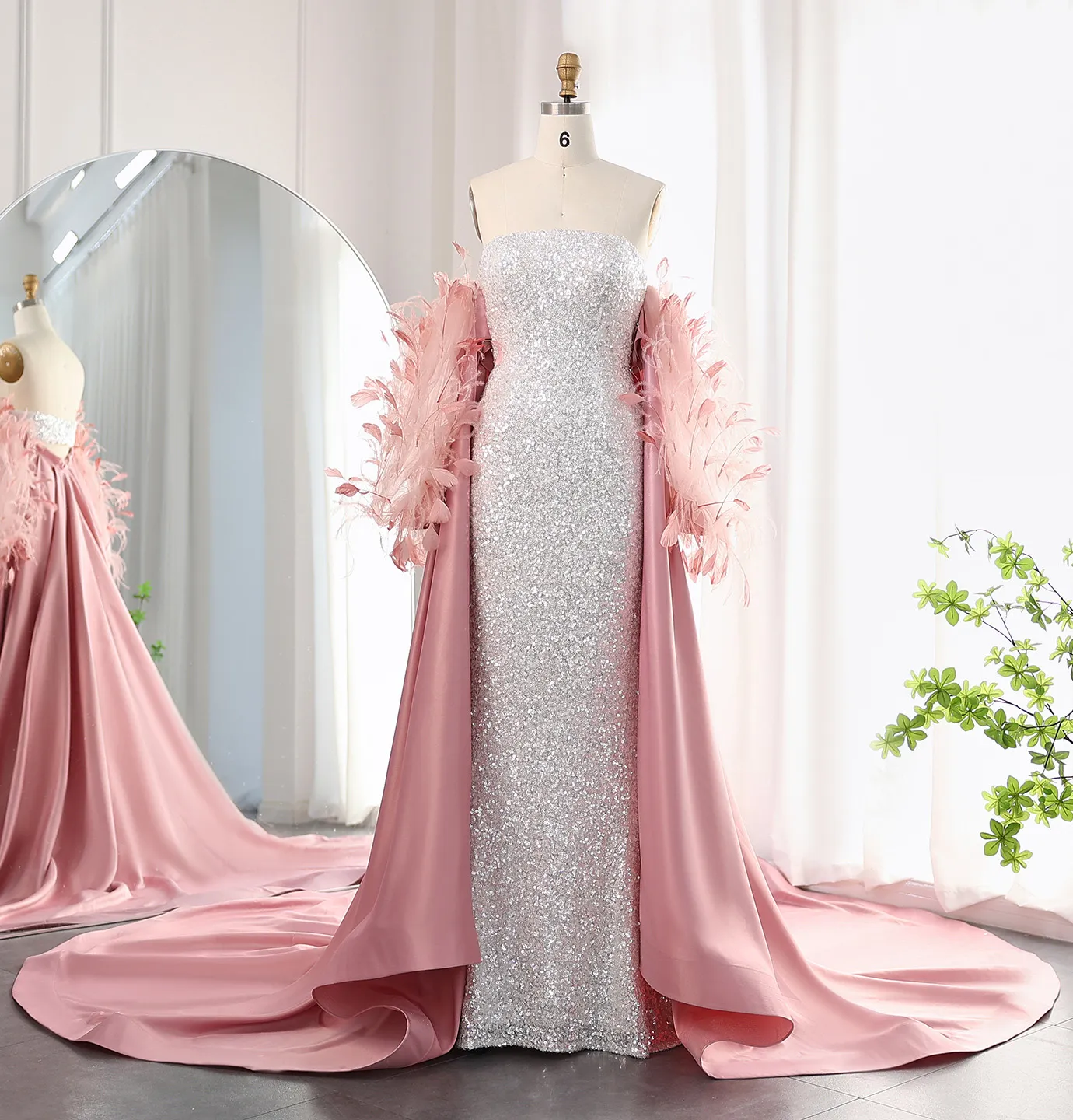
Elevating Elegance: The Ultimate Guide to the Glamorous Pink Dress for High-Profile Occasions
Selecting a glamorous pink dress for high-profile occasions requires balancing shade, fabric architecture, venue dress codes, and flash-photography lighting. From soft blush silk gazar for black-tie galas to vivid fuchsia duchesse sati...
Selecting a glamorous pink dress for high-profile occasions requires balancing shade, fabric architecture, venue dress codes, and flash-photography lighting. From soft blush silk gazar for black-tie galas to vivid fuchsia duchesse satin for red-carpet events, mastering silhouette structure, tonal accessorizing, and precision tailoring ensures a commanding, sophisticated presence that adheres to formal etiquette.
Contents
Decoding Pink: Choosing the Ideal Shade for Formal Settings
Pink is a surprisingly versatile hue in haute couture and luxury evening wear, spanning from barely-there pastels to saturated jewel tones. Determining the appropriate shade for a high-profile event involves evaluating skin undertones, venue lighting, and the formal tone of the occasion.
Soft Blush and Ballet Pink
Blush, petal, and ballet pink offer understated sophistication. These subdued shades work exceptionally well for state dinners, diplomatic functions, and formal daytime galas where muted elegance is expected. Because pale pinks can sometimes appear washed out under intense indoor artificial lighting or direct camera flashes, choose fabrics with structural weight or subtle luster—such as silk mikado or heavy silk crepe—to retain depth.
Dusty Rose and Tea Rose
Dusty rose and tea rose possess grey or brown undertones, rendering them mature, rich, and versatile. These shades harmonize with warm and neutral skin tones and are ideal for black-tie autumn or winter galas. Dusty rose pairs exceptionally well with antique gold jewelry or muted metallic accents, creating a timeless visual aesthetic suitable for museum galas and opera openings.
Fuchsia, Magenta, and Shocking Pink
Vibrant fuchsia, magenta, and shocking pink make immediate statements. Best suited for high-impact settings like film premieres, creative award ceremonies, and fashion galas, these rich jewel tones hold up effortlessly under harsh photography lighting. When selecting a high-saturation pink, keep the silhouette clean and modern to prevent the garment from overwhelming the wearer or appearing cluttered.
Fabric Architecture and Couture Construction
The overall impact of a glamorous pink dress depends heavily on fabric choice and structural craftsmanship. The drape, luster, and movement of a gown are dictated by the weave and fiber density of the textile.
Couture Fabric Selection
- Structured
- Silk Mikado
- Duchesse Satin
- Silk Gazar
- Fluid/Draped
- Heavy Silk Crepe
- Silk Chiffon
- Liquid Silk Charmeuse
- Structured
Silk Duchesse Satin: A heavyweight, low-luster silk that holds sharp pleats and sculpted bodices. It provides a regal silhouette for ballgowns and structured column dresses, reflecting flash photography with a soft glow.
Silk Mikado: Heavier than traditional satin, Mikado features a subtle diagonal weave. Its structural rigidity makes it the premier choice for architectural gowns, architectural folds, and dramatic trains.
Silk Gazar: Famed for its crisp handle and lightweight volume—famously popularized by Cristóbal Balenciaga—gazar holds sculptural shapes away from the body without adding excessive physical weight.
Heavy Silk Crepe: Offering a fluid, liquid drape with a matte finish, silk crepe hugs body contours gracefully. It is ideal for minimalist bias-cut gowns and column dresses that require effortless movement.
Layered Tulle and Silk Organza: Used to construct etherial volume, delicate tulle and organza create depth when layered in varying shades of pink, producing a subtle gradient effect as the wearer moves.
Dress Code Alignment and Occasion Etiquette
High-profile events enforce strict dress codes. Adapting a glamorous pink dress to match the specific level of formality prevents sartorial missteps while honoring event protocol.
White Tie and State Occasions
White Tie is the most formal dress code. Women are expected to wear full-length formal evening gowns, often accompanied by long evening gloves. For these occasions, choose pale blush or soft rose gowns made of substantial fabrics like silk mikado or duchesse satin. Modest necklines, structured trains, and traditional fine jewelry (such as diamonds or platinum) are essential. Bold, neon pinks and excessively revealing cuts should be avoided.
Black Tie Galas and Charity Balls
Black Tie allows for broader creative expression while remaining strictly formal. Floor-length gowns remain mandatory, but wearers can explore bolder shades like magenta or deep fuchsia. Sculptural necklines—such as off-the-shoulder, asymmetrical one-shoulder, or deep square cuts—add contemporary flair. Pair the dress with high-jewelry statement earrings or a structured clutch.
Red Carpet Premieres and Award Ceremonies
Red carpet dress codes encourage avant-garde design, dramatic proportions, and eye-catching color saturation. Bright fuchsia, shocking pink, and vibrant coral excel under flash photography. High slits, sweeping trains, dramatic capes, and intricate embellishments (such as hand-sewn bugle beads or ostrich feather trims) are appropriate for making a memorable visual impact.
High-Society Weddings and VIP Receptions
When attending a high-profile wedding as a guest, select romantic, sophisticated pinks such as dusty rose or peach-pink. Avoid ultra-pale blush gowns that might photograph as white or cream in bright outdoor lighting. Keep silhouettes tailored and elegant, avoiding excessive trains or over-the-top embellishments that could draw attention away from the wedding party.
Strategic Selection Matrix
The following table outlines optimal fabric, color, and accessory pairings based on venue type and formal dress requirements:
| Occasion / Venue | Recommended Pink Shade | Optimal Fabric | Key Architectural Detail | Accessory & Accent Palette |
|---|---|---|---|---|
| White Tie / State Dinner | Ballet Pink, Soft Blush | Silk Mikado, Duchesse Satin | Ballgown silhouette, structured internal boning | Platinum, white diamonds, classic satin dyed-to-match pumps |
| Black Tie Symphony / Opera | Dusty Rose, Tea Rose | Heavy Silk Crepe, Silk Velvet | Column silhouette, draped cowl neck | Antique gold, cognac diamonds, warm champagne metallic clutch |
| Red Carpet Premiere | Fuchsia, Shocking Pink | Silk Gazar, Taffeta | Asymmetrical neckline, dramatic train or cape | Emerald green or sapphire fine jewelry, high-gloss nude sandals |
| Charity Gala / Art Benefit | Magenta, Orchid | Layered Silk Organza, Crepe | Sculptural ruffles, corseted bodice | Rose gold, pink diamonds, crystal-embellished minaudière |
| VIP Sunset Reception | Coral Pink, Peach Blush | Silk Charmeuse, Chiffon | Fluid bias cut, subtle side slit | Yellow gold, warm pearls, bronze strappy sandals |
Accessorizing the Glamorous Pink Dress
Balancing accessories with a pink evening dress requires careful color theory. The goal is to enhance the gown without competing with its color or structural silhouette.
Fine Jewelry Selection
- Diamonds and Platinum: White diamonds set in platinum or white gold provide a crisp, clean contrast to all shades of pink, particularly pale blush and cool-toned fuchsia.
- Emeralds and Sapphires: For bold fuchsia or magenta dresses, contrasting gemstone jewelry creates a regal effect. Deep green emeralds sit opposite pink on the color wheel, creating an eye-catching statement.
- Rose Gold and Warm Gems: Dusty rose and warm peach pinks pair seamlessly with rose gold, morganite, and champagne diamonds, yielding a harmonious tone-on-tone appearance.
| Gown Shade | Ideal Jewelry Metal & Gems |
|---|---|
| Pale Blush | Platinum, White Diamonds |
| Deep Fuchsia | White Gold, Emeralds, Sapphires |
| Dusty Rose | Rose Gold, Morganite, Topaz |
Footwear and Minaudières
Footwear should elongate the leg without distracting from the hemline. Pointed-toe pumps or delicate minimalist sandals in metallic tones (champagne gold, silver, or gunmetal) or nude shades matching the wearer's skin tone are highly recommended. For hard-shell clutches (minaudières), select structural pieces featuring mother-of-pearl, fine metalwork, or tonal satin encrusted with subtle crystal details.
Undergarments and Foundation Architecture
High-profile occasions demand flawless garment fit. Invisible support is critical:
- Built-in Corsetry: High-end gowns often feature internal waist tapes (cinchers) and boning to maintain bodice structure without external shapewear.
- Seamless Foundation Pieces: If wearing a bias-cut crepe gown, select raw-edge, bonded-seam shapewear in skin-matching tones to prevent visible panty lines (VPL) under event lighting.
- Bespoke Tailoring: Ensure the skirt hem is adjusted while wearing the exact heels planned for the event. The hem should hover 0.5 inches (1.25 cm) above the floor to allow smooth walking without tripping or dragging.
Photography, Lighting, and Tailoring Preparation
Capturing a high-end dress on camera requires anticipating how light interacts with different fabrics and dye lots. High-intensity LED studio lights and press flashbulbs penetrate thin materials, making proper lining mandatory.
Flash-Proofing the Gown
- Double Lining: Ensure pale pink gowns feature high-quality silk lining to prevent translucency under direct flash photography.
- Anti-Static Treatment: Silk chiffon and organza accumulate static easily, causing garments to cling unnervingly. Treat underskirts with professional anti-static spray prior to dressing.
- Steaming and Pressing: Silk mikado and duchesse satin require professional hand-pressing. Never use a low-grade steamer directly on high-luster silk, as water drops can leave permanent water spots on lighter shades of pink.
The Fitting Timeline
Achieving a couture-level fit requires a structured fitting schedule leading up to the occasion:
6 Weeks Out: Initial Fitting & Hem Marking
3 Weeks Out: Second Fitting (Foundation Garments & Shoes)
1 Week Out: Final Fitting & Steam Prep
Event Day: Dressing Assistant & Emergency Kit Ready
Six Weeks Before: Initial fitting to adjust major seams, torso length, and shoulder placement.
Three Weeks Before: Second fitting with exact event shoes and foundation garments to fine-tune hem length and waist placement.
One Week Before: Final try-on to verify minor weight fluctuations and complete final pressing.
Frequently Asked Questions
Can a glamorous pink dress be worn to a traditional Black Tie event?
Yes. Pink is entirely appropriate for Black Tie events, provided the dress meets formal floor-length requirements and features sophisticated tailoring. For formal galas, deep shades like rose, fuchsia, or muted dusty pink in rich fabrics like duchesse satin or silk crepe maintain an elegant aesthetic suitable for the dress code.
How do I choose between pale blush and vibrant fuchsia for a evening gown?
Base your selection on event formality and skin undertones. Pale blush offers quiet, traditional elegance suited for state dinners, diplomatic events, and formal daytime galas. Vibrant fuchsia makes a modern, high-impact statement ideal for red carpets, creative galas, and premiere events. Cool undertones complement vivid fuchsia, while warm or neutral undertones harmonize beautifully with blush and dusty rose.
What makeup palette best complements a glamorous pink dress?
Aim for balance rather than exact color matching. With pale blush gowns, soft rose lips, polished nude eyeshadows, and warm blushes create a refined monochromatic look. When wearing bold fuchsia or magenta, opt for neutral eye makeup with crisp black eyeliner and either a nude lip to let the dress pop, or a matching bold lip for a confident statement.
What are the best remedies for last-minute wrinkles or static on silk pink dresses?
Use a professional garment steamer from the inside of the garment to avoid water marks on silk face fabrics. To eliminate static cling, spray an anti-static guard on the inside of the underskirt lining, or lightly stroke the lining with a metal hanger to discharge static electricity before stepping onto the red carpet.
How should a pink gown with a dramatic train be managed during a formal dinner?
Select a dress featuring an integrated invisible bustle system or a delicate wrist loop sewn into the interior lining of the train. Before transitioning from the arrival red carpet to the dinner table or dance floor, secure the train using the internal hooks or loop to protect the fabric from being stepped on or soiled.
Actionable Styling Protocol
Follow this concise checklist to ensure flawless preparation for your high-profile event:
- Verify Dress Code Requirements: Confirm whether the event is White Tie, Black Tie, or Creative Formal.
- Select Fabric for Venue Lighting: Choose silk mikado or duchesse satin for indoor flash photography; opt for silk gazar or layered organza for sculptural outdoor drama.
- Schedule Tailoring Fittings: Lock in three fitting dates using your exact event footwear and foundation garments.
- Coordinate Jewelry and Accessories: Pair cool pinks with platinum/diamonds; pair warm dusty roses with rose gold; pair bold fuchsia with emerald accents.
- Prepare Emergency Kit: Pack fabric-safe double-sided tape, a travel anti-static spray, safety pins, and a silk-safe stain remover wipe for the venue.
Image Gallery