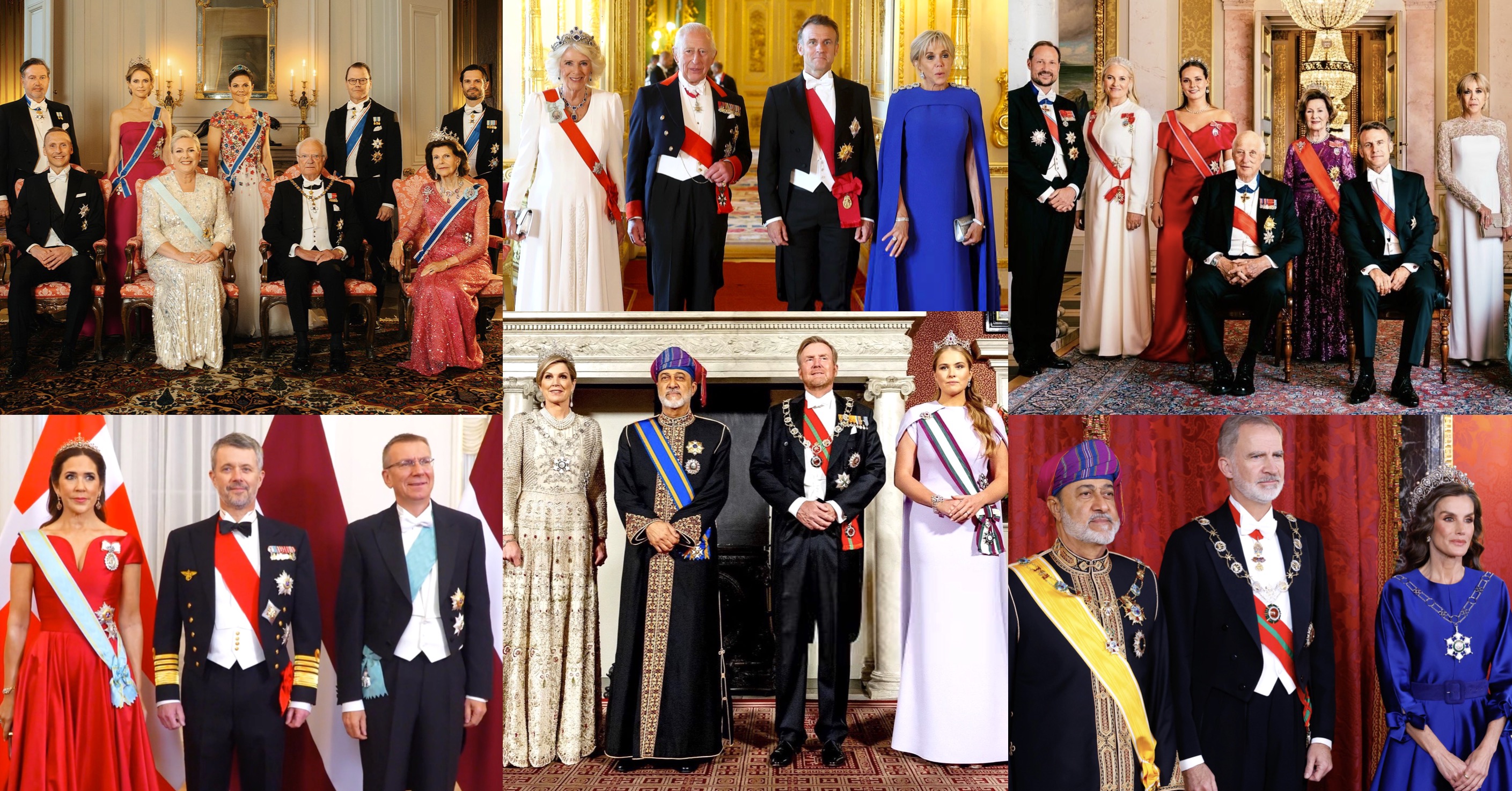
5 Upcoming State Visits 2025: Geopolitical Impacts and Diplomatic Milestones
The year 2025 represents a pivotal era in international relations, marked by significant leadership transitions and shifting global alliances. As we look back from 2026, five specific state visits stand out for their role in reshaping...
The year 2025 represents a pivotal era in international relations, marked by significant leadership transitions and shifting global alliances. As we look back from 2026, five specific state visits stand out for their role in reshaping trade, security, and environmental policy across the North American, African, and Asian corridors.
Contents
The Strategic Significance of the 2025 Diplomatic Calendar
State visits represent the highest level of diplomatic exchange between sovereign nations. Unlike official visits or working lunches, a state visit is characterized by formal ceremony, full military honors, and a focus on the long-term symbolic and legal bond between two countries. In 2025, the geopolitical landscape was dominated by three primary themes: the renewal of trans-Atlantic partnerships, the rise of the Global South within the G20 framework, and the normalization of relations in previously contested regions.
For practitioners in international relations and global commerce, these visits were not merely ceremonial. They served as the launchpads for bilateral treaties that now define the trade environment of 2026. Understanding the nuances of these five visits provides a blueprint for how executive leadership translates into tangible policy shifts.
1. The United States Presidential Visit to Canada (Winter 2025)
Following the 2025 presidential inauguration, the tradition of the first foreign journey being to a North American neighbor remained a top priority. This state visit was essential for stabilizing the USMCA (United States-Mexico-Canada Agreement) framework ahead of its 2026 review period.
Security and Economic Cooperation
The primary focus of the 2025 visit centered on Arctic sovereignty and North American Aerospace Defense Command (NORAD) modernization. With melting ice caps opening new shipping lanes, both nations sought a unified front on maritime security. Economically, the visit addressed the "Buy North American" initiative, aiming to secure supply chains for critical minerals required for the burgeoning electric vehicle (EV) battery industry.
Key Outcomes
- Critical Minerals Pact: A signed agreement to streamline cross-border mining permits.
- Border Management: New protocols for AI-integrated customs processing to reduce transit times for commercial freight.
- Energy Security: Reaffirmation of hydroelectric exports from Quebec to the Northeastern United States.
2. King Charles III’s State Visit to Canada (Spring 2025)
As the head of the Commonwealth, King Charles III’s 2025 visit to Canada was his most significant since his coronation. This visit was uniquely focused on the theme of "Reconciliation and Renewal," addressing the evolving relationship between the Crown and Indigenous Peoples.
The Role of the Monarchy in 2025
While the King’s role is constitutionally limited, the state visit provided a platform for high-level cultural diplomacy. The itinerary focused heavily on environmental stewardship, a lifelong passion of the Monarch, and its intersection with traditional Indigenous knowledge.
Diplomatic Nuance
The visit required delicate navigation of Quebec’s political landscape and the broader movement regarding Canada’s constitutional future. By emphasizing the "Living Covenant" with First Nations, the visit helped bridge historical grievances with modern governance, providing a stable backdrop for federal policy-making.
3. President Xi Jinping’s State Visit to South Africa (G20 Summit Context)
In late 2025, South Africa became the first African nation to host the G20 Summit. President Xi Jinping’s concurrent state visit to Pretoria was a landmark event for the BRICS+ alliance, which had seen rapid expansion in the preceding months.
Infrastructure and Energy
The visit focused on the "Belt and Road Initiative 2.0," which moved away from massive infrastructure loans toward "Green Development" projects. This included significant investment in South Africa's struggling energy grid through Chinese solar and wind technology transfers.
Strategic Influence
South Africa’s role as the G20 chair allowed China to position itself as the champion of the Global South. The visit resulted in the signing of a Comprehensive Strategic Partnership update, focusing on:
- Digital Economy: Cooperation on 5G infrastructure and cybersecurity standards.
- Agricultural Trade: Streamlined phytosanitary requirements for South African exports to Chinese markets.
4. Pope Francis’s Apostolic Journey to Vietnam (Summer 2025)
Though often categorized as a religious pilgrimage, the Pope’s 2025 journey to Vietnam carried the full weight of a state visit, marking a historic normalization of ties between the Holy See and the Socialist Republic of Vietnam.
Path to Normalization
Decades of quiet diplomacy culminated in 2025 with the establishment of a permanent Papal Representative in Hanoi. This visit was the final step in integrating the Vietnamese Catholic community into the broader global framework while respecting the local political structure.
Regional Impact
The visit resonated across Southeast Asia, signaling Vietnam's increasing openness to international institutional engagement. For Western observers, the visit served as a barometer for human rights and religious freedom in the region, influencing future trade assessments and diplomatic rankings.
5. Prime Minister Narendra Modi’s State Visit to the United Kingdom (Autumn 2025)
Long-delayed by technical negotiations, the state visit of the Indian Prime Minister to London in 2025 finally sealed the UK-India Free Trade Agreement (FTA). This visit was the cornerstone of the UK’s post-Brexit "Indo-Pacific Tilt."
The FTA and Beyond
The 2025 visit went beyond simple trade tariffs. It established the "Migration and Mobility Partnership," which modernized visa processes for students and highly skilled professionals in the tech and healthcare sectors.
Defense and Technology
A significant portion of the state dinner discussions centered on defense co-production. The "Technology Security Initiative" was launched during this visit, focusing on:
- Jet Engine Technology: Collaboration between Rolls-Royce and Indian aerospace firms.
- Cyber Defense: Shared intelligence frameworks to combat state-sponsored maritime threats in the Indian Ocean.
Comparison of 2025 State Visit Objectives
The following table outlines the core focuses and outcomes of these five pivotal diplomatic events.
| Visiting Leader | Host Nation | Primary Strategic Driver | Key Economic Sector |
|---|---|---|---|
| U.S. President | Canada | USMCA Stability / Arctic Security | Critical Minerals & EV Supply Chain |
| King Charles III | Canada | Crown-Indigenous Reconciliation | Environmental Tech & Cultural Diplomacy |
| Xi Jinping | South Africa | G20 Leadership / BRICS Expansion | Renewable Energy & Digital Infrastructure |
| Pope Francis | Vietnam | Diplomatic Normalization | Social Governance & Institutional Ties |
| Narendra Modi | United Kingdom | Post-Brexit FTA Completion | Defense Tech & Professional Services |
Logistics and Protocol: The Anatomy of a 2025 State Visit
Executing these visits in 2025 required unprecedented levels of inter-agency cooperation. For a state visit to be successful, several operational tiers must align perfectly.
Advanced Security Protocols
In 2025, security for visiting heads of state evolved to include comprehensive "Drone Shield" perimeters and AI-driven crowd sentiment analysis. These measures, while invisible to the public, ensured that high-profile leaders could engage in public walkabouts—a key element of soft power—despite rising global tensions.
The Role of Protocol
Protocol officers in 2025 faced the challenge of blending traditional honors with modern sensibilities. For example, during the South African G20 visits, traditional dance and honors were integrated into the digital-first media strategy of the summit, ensuring that the visual "brand" of the host nation reached billions via social media platforms.
The Economic Impact of High-Level Diplomacy
While the immediate cost of hosting a state visit can reach tens of millions of dollars, the long-term Return on Investment (ROI) is measured in billions. In 2025, the "State Visit Effect" was observed in several ways:
- Direct Investment: Announcements of new manufacturing plants or corporate headquarters often coincide with these visits.
- Market Confidence: Bilateral visits act as a "green light" for private equity firms, signaling that the political environment is stable for long-term capital deployment.
- Tourism Boost: The global media coverage serves as a prolonged advertisement for the host country’s culture and safety.
Frequently Asked Questions
What distinguishes a state visit from an official visit?
A state visit is the highest form of diplomatic contact and is only conducted at the invitation of the host head of state (e.g., a President or Monarch). It includes full ceremonial honors, such as a 21-gun salute and a state banquet. An official visit is more work-oriented, usually involving heads of government (like Prime Ministers) and focusing on specific policy negotiations without the full ceremonial apparatus.
Why was 2025 particularly significant for South African diplomacy?
In 2025, South Africa held the G20 presidency. This gave the nation a unique platform to invite global leaders for state visits that aligned with the African Union’s "Agenda 2063." It allowed South Africa to influence the global discourse on debt relief and climate finance for developing nations.
How do state visits impact local business operations?
During a state visit, businesses in the host city may face temporary logistical challenges, such as road closures and restricted airspace. However, the presence of large business delegations accompanying the visiting leader often leads to B2B networking events, providing local firms with direct access to international markets and investors.
What are the security requirements for a state visit in 2025?
Security is a joint operation between the host nation’s secret service and the visiting leader’s security detail. In 2025, this included advanced cyber-surveillance to prevent digital interference, physical barriers, and the coordination of thousands of personnel across local and national law enforcement agencies.
Can state visits be canceled or downgraded?
Yes. State visits are sensitive to the political climate. If a host or visiting nation experiences civil unrest, a sudden change in government, or a diplomatic rift, a state visit can be postponed or downgraded to an official visit. In 2025, most scheduled visits proceeded, though some were adjusted to account for regional health guidelines or budget constraints.
Strategic Recommendation for 2026 Planning
For organizations operating in the spheres of international trade, logistics, or government relations, the outcomes of the 2025 state visits provide the current regulatory framework for 2026. It is recommended that stakeholders review the specific Memorandums of Understanding (MoUs) signed during the US-Canada and UK-India visits, as these documents contain the technical specifications for cross-border data flows and professional accreditation that are now being implemented. Monitoring the subsequent follow-up meetings at the ministerial level will provide the most accurate forecast for market entry requirements in the coming fiscal year.
Image Gallery