Accommodations in Zermatt, Switzerland: Complete Traveler's Guide
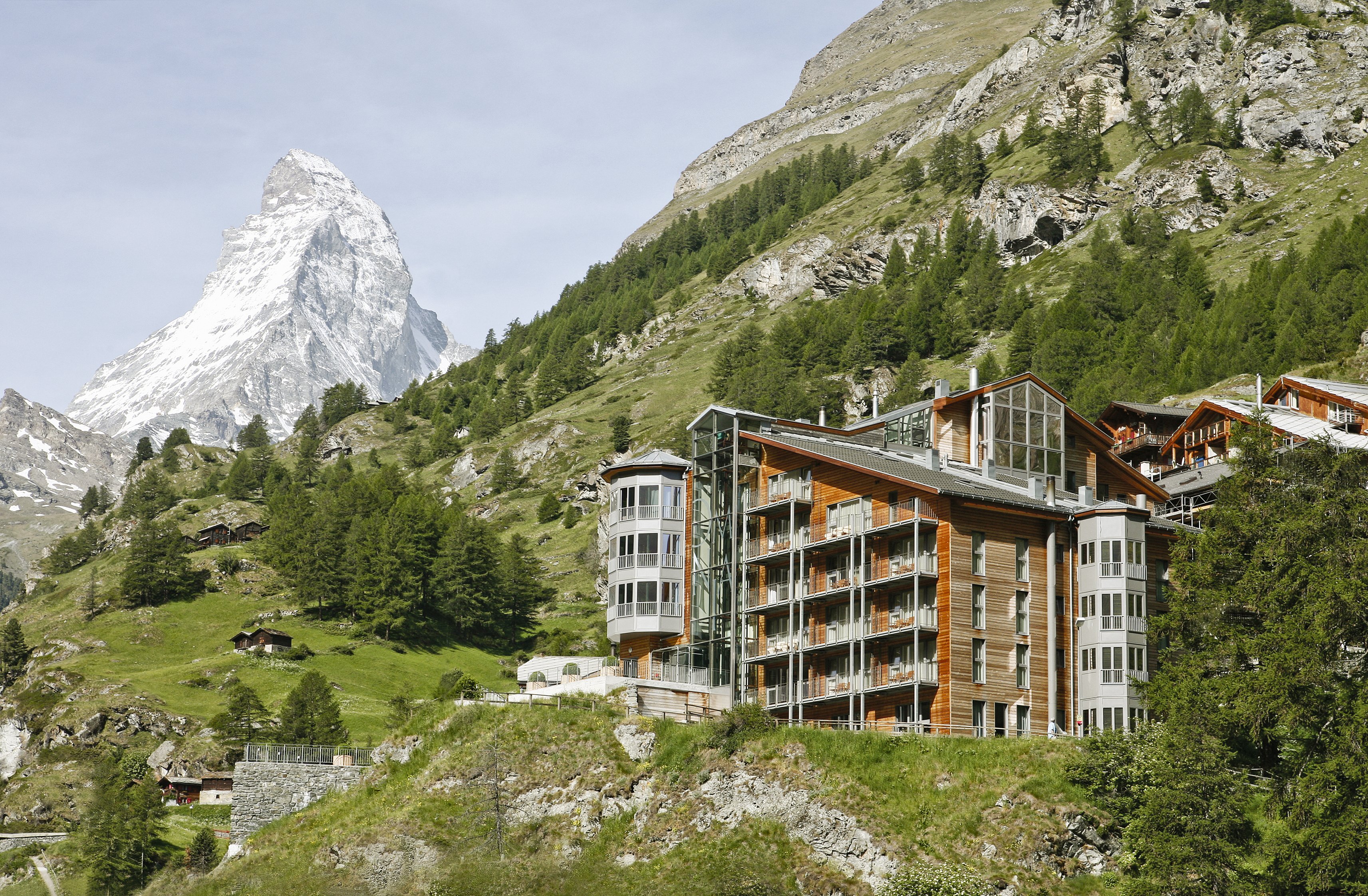
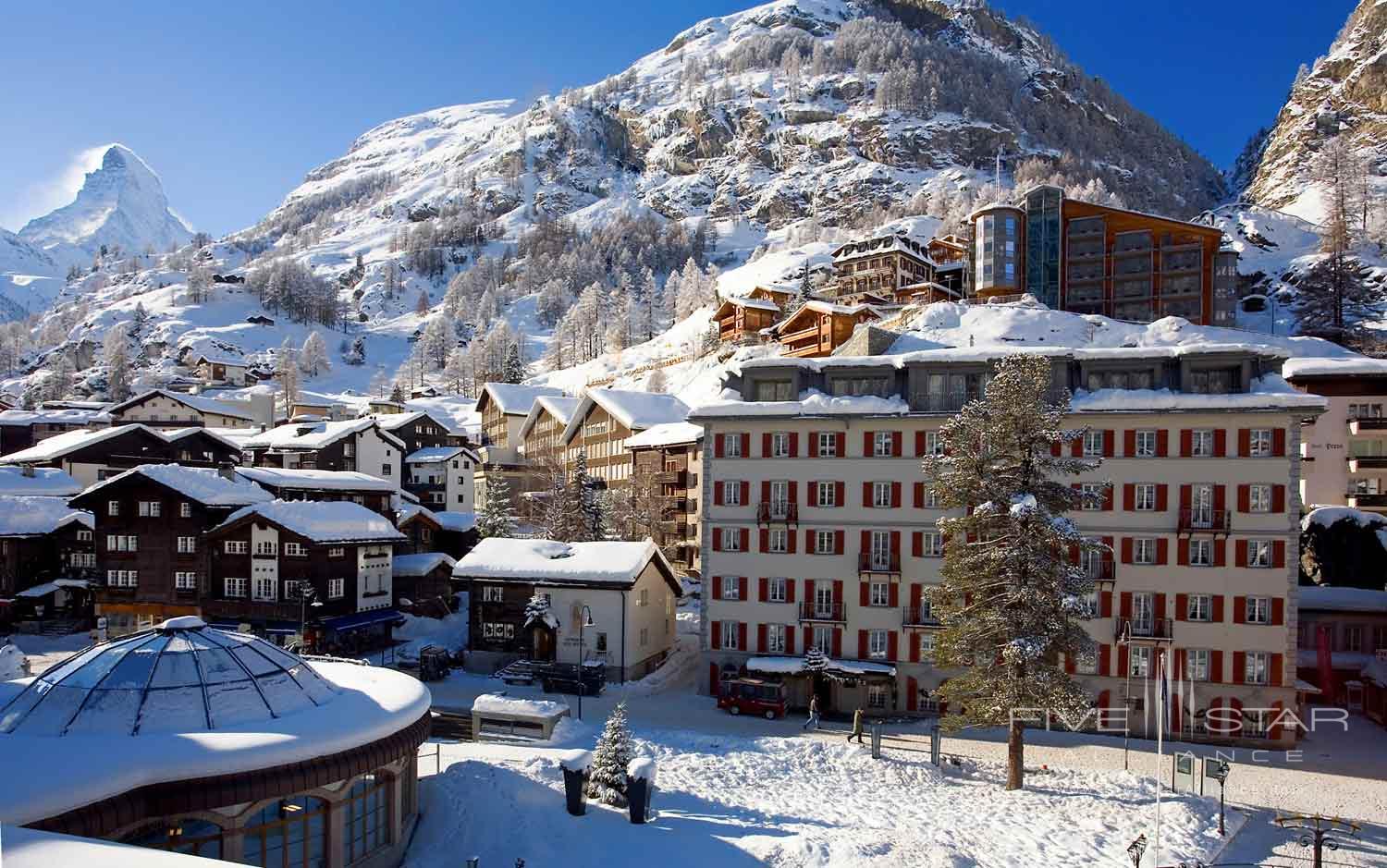
Finding the right accommodation in Zermatt, Switzerland depends on your travel season, budget, preferred proximity to mountain ski lifts, and desired view of the iconic Matterhorn. Options range from luxury five-star ski resort hotels...
Finding the right accommodation in Zermatt, Switzerland depends on your travel season, budget, preferred proximity to mountain ski lifts, and desired view of the iconic Matterhorn. Options range from luxury five-star ski resort hotels and private traditional chalets to mid-range family-run inns, self-catering vacation rentals, and budget-friendly youth hostels.
Contents
Understanding Zermatt’s Logistics and Car-Free Status
Planning a stay in Zermatt requires understanding the village's unique municipal structure. Zermatt is entirely car-free to preserve air quality and maintain its alpine charm. Internal combustion engine vehicles are forbidden from entering the village, which directly impacts how travelers arrive and navigate to their lodgings.
Arriving via Täsch
Travelers arriving by personal vehicle must drive to the neighboring village of Täsch, located approximately 5 kilometers north of Zermatt. Täsch hosts large multi-story parking terminals, such as the Matterhorn Terminal Täsch. From Täsch, visitors board the shuttle train operated by the Matterhorn Gotthard Bahn, which runs every 20 minutes and takes roughly 12 minutes to arrive at Zermatt Station.
[Personal Vehicle] ---> Park at Täsch Terminal ---> [Matterhorn Gotthard Bahn Shuttle (12 mins)] ---> Zermatt Station
Navigating Within Zermatt
Upon arriving at Zermatt Railway Station, travelers navigate the village using three primary modes of transport:
- Electro-Taxis (E-Taxis): Small, custom electric vehicles operated by private hotels or commercial taxi fleets. High-end and mid-range hotels often provide complimentary transfers from the train station or heliport; guests must notify the hotel of their arrival time in advance.
- E-Busses: The municipal electric bus system operates two main routes (the Green Line and Red Line), linking the train station and main village points with the cable car base stations (Sunnegga-Rothorn, Matterhorn Glacier Paradise, and Gornergrat Bahn).
- Walking: Zermatt is compact, stretching approximately 2 kilometers from north to south. Most accommodations are within a 5- to 15-minute walk from major transport hubs.
Best Neighborhoods to Stay in Zermatt
Choosing where to stay within Zermatt dramatically alters the travel experience. The village is divided into distinct zones, each offering varying levels of convenience, noise levels, cable car access, and view lines toward the Matterhorn.
[ Sunnegga-Rothorn Funicular ] | (North) [ Untere Matten / Steinmatte ] | [ Village Center / Dorf ] <--- (Zermatt Train Station / Gornergrat Bahn) | (South) [ Winkelmatten ] | [ Matterhorn Glacier Paradise Boarding ]
1. Village Center (Dorf)
The center of Zermatt surrounds the main street (Bahnhofstrasse). This area is packed with historic buildings, sports shops, luxury boutiques, chocolate stores, and high-end restaurants.
- Best For: First-time visitors, travelers using public transit extensively, and night-life enthusiasts.
- Pros: Immediate access to Zermatt Railway Station, the Gornergrat Bahn cogwheel railway, and dining facilities.
- Cons: Higher foot traffic, louder evening noise levels, and higher peak-season prices.
2. Winkelmatten
Located in the south-alpine slope of Zermatt, Winkelmatten is often called the "Beverly Hills of Zermatt." It sits at a higher elevation than the main village center and offers some of the most unobstructed views of the Matterhorn.
- Best For: Families, couples seeking quiet environments, luxury chalet rentals, and winter sports enthusiasts accessing the Matterhorn Glacier Paradise area.
- Pros: Direct access to the Matterhorn Express gondola station, peaceful environment, panoramic mountain vistas.
- Cons: A 15- to 20-minute uphill walk from the main train station (though accessible by E-Bus or E-Taxi).
3. Untere Matten and Steinmatte
These residential areas sit just east and northeast of the village center. They provide a comfortable blend of local life, self-catering apartments, and mid-range hotels.
- Best For: Families, long-term visitors, budget-conscious travelers, and summer hikers.
- Pros: Easy, flat walking access to both Bahnhofstrasse and the Sunnegga-Rothorn funicular; quieter than the main strip.
- Cons: Matterhorn views may be partially obstructed by surrounding structures depending on building position.
4. Furi and High-Altitude Enclaves
Situated above Zermatt village proper at elevations exceeding 1,800 to 2,200 meters, mountain enclaves like Furi, Riffelalp, and Schwarzsee host specialized alpine hotels.
- Best For: Ski-in/ski-out enthusiasts in winter and alpine hikers in summer.
- Pros: Instant mountain access, total escape from village crowds, incredible dark-sky stargazing.
- Cons: Limited evening access to Zermatt village once cable cars and mountain railways stop running for the night.
Breakdown of Zermatt Accommodation Types
Zermatt maintains strict municipal building codes to preserve traditional Valais architectural styles—predominantly dark larch-wood chalets mixed with modern stone work. Accommodations generally fall into four distinct operational categories.
1. Luxury and Historic 5-Star Hotels
Zermatt features iconic 5-star properties that date back to the golden age of Alpinism in the mid-19th century. These establishments emphasize full-service luxury, offering comprehensive wellness spas, indoor heated pools, Michelin-starred dining, and private butler or transfer services.
- Key Features: Extended spa installations (saunas, steam baths, outdoor warm pools facing the Matterhorn), concierge ski-valet systems, and guaranteed Matterhorn-facing balconies.
- Notable Characteristics: Many historic hotels maintain original woodwork and salon areas while featuring contemporary interior upgrades.
2. Boutique and Family-Run Alpine Hotels (3-Star & 4-Star)
The majority of Zermatt’s hospitality inventory is managed by multi-generational local families. These mid-scale hotels balance personal service with modern alpine amenities.
- Key Features: Rich buffet breakfasts emphasizing local Swiss cheeses and meats, on-site ski storage rooms with heated boot racks, and access to hotel saunas.
- Value Profile: High baseline service quality; clean, comfortable rooms with functional alpine layouts.
3. Self-Catering Chalets and Vacation Apartments
For families, small groups, or travelers staying longer than three days, self-catering chalets (Ferienwohnungen) represent a highly flexible accommodation choice.
- Key Features: Fully equipped kitchens (dishwasher, oven, fondue sets), multiple bedrooms, private lounge spaces, and laundry facilities.
- Logistics: Managed either directly through local owners or through property management agencies. Guests buy groceries at local supermarkets like Coop or Migros near the train station.
4. Youth Hostels, Mountain Huts, and Budget Lodgings
While Zermatt is known as an exclusive destination, affordable options exist for backpackers, solo travelers, and mountaineers.
- Youth Hostels: The official Hostelling International Youth Hostel Zermatt offers clean dormitory rooms and simple private rooms with shared or private bath options, including complimentary breakfast.
- SAC Mountain Huts (Schweizer Alpen-Club): Located high in the surrounding alpine range (such as the Monte Rosa Hut or Hornlihütte), these high-altitude refuges cater directly to mountaineers, climbers, and trekkers undertaking multi-day alpine routes. Reservations must be made months in advance for peak climbing seasons.
Comparative Overview of Accommodations in Zermatt
| Accommodation Tier | Typical Target Guest | Key Features & Amenities | Primary Location | Est. Price Range (CHF / Night)* |
|---|---|---|---|---|
| Luxury 5-Star | High-net-worth travelers, honeymooners, luxury skiers | Full spa centers, Michelin dining, private E-Taxi transfer, Matterhorn views | Village Center, Riffelalp | CHF 600 – CHF 2,500+ |
| Boutique 4-Star | Couples, comfort-focused alpine travelers | Spa access, ski valets, hot breakfasts, balcony mountain views | Village Center, Winkelmatten | CHF 300 – CHF 700 |
| Traditional 3-Star | Active skiers, hikers, families | Included breakfast, ski storage with boot heaters, cozy alpine design | Steinmatte, Untere Matten | CHF 180 – CHF 400 |
| Self-Catering Chalets | Families, groups, long-stay travelers | Full kitchen, living rooms, laundry, 1 to 4 bedrooms | Winkelmatten, Steinmatte | CHF 250 – CHF 1,200 |
| Budget & Hostels | Solo travelers, backpackers, climbers | Shared dorms/baths, basic breakfast, shared lounge spaces | Northern Edges, High Alpine | CHF 50 – CHF 150 |
*Note: Pricing varies drastically between high winter peak (Christmas, February) and shoulder months (May, November).
Essential Booking Tips, Seasonal Rates, and Local Fees
Navigating Zermatt’s reservation landscape requires understanding seasonal operational cycles, city taxes, and booking windows.
Seasonal Dynamics and Timing
High Winter (Dec–Apr) ---> Shoulder (May) ---> High Summer (Jul–Aug) ---> Shoulder (Nov) [Peak Rates / Skiing] [Maintenance / Quiet] [Hiking / Mild Rates] [Maintenance / Quiet]
- Winter Peak (Mid-December through Mid-April): The highest demand period. Rates peak during Christmas/New Year holidays and the February school break. Cable cars operate for alpine skiing. Minimum stay requirements (often 7 nights, Saturday to Saturday) are common among chalets and hotels during peak winter weeks.
- Summer Peak (July through August): Focuses on alpine hiking, trail running, mountain biking, and summer glacier skiing on the Theodul Glacier. Rates are moderate to high, though generally lower than peak winter.
- Shoulder Seasons (May and October/November): Many hotels, mountain restaurants, and cable lift facilities close temporarily for annual maintenance. While room rates drop significantly, options for dining and mountain transport are limited.
Local Visitor Tax (Kurtaxe)
Every guest staying overnight in Zermatt is subject to the municipal visitor tax (Kurtaxe), which is typically charged separately from the baseline room rate upon checkout.
- Standard Rate: Approximately CHF 4.00 per adult per night (and CHF 2.00 per child per night aged 6–16; under 6 free).
- Zermatt Visitor Card: Payment of the tourist tax grants travelers access to the digital Zermatt Visitor Card. This card provides discounts on select local activities, mountain excursions, and municipal services. Check the details via Zermatt Tourism.
Reservation Timelines
Due to international demand, securing lodging in Zermatt requires early planning:
- For Christmas, New Year, and February: Book 6 to 12 months in advance.
- For Peak Summer (July–August): Book 3 to 6 months in advance.
- For Shoulder Seasons: Book 1 to 2 months in advance.
Practical Next Steps for Booking Your Zermatt Stay
To secure the best accommodation for your itinerary, follow these procedural steps:
- Establish Your Mountain Access Priorities: Determine whether your primary focus is immediate access to the ski slopes/gondolas (look at Winkelmatten or high-altitude areas) or proximity to dining and transportation (look at the Village Center).
- Confirm Transportation Logistics: Ensure your accommodation offers E-Taxi pickup services from Zermatt Train Station, or map out the walking/E-Bus route from the station to the property.
- Verify Matterhorn Visibility: If a direct view of the Matterhorn is essential, check room category descriptions carefully; properties often distinguish between "Matterhorn View" rooms and general "Village View" or "North Facing" rooms.
- Reserve Peak Travel Windows Early: Lock in accommodations early if visiting during peak winter or mid-summer periods to avoid limited availability and inflated room pricing.
Frequently Asked Questions
Is it better to stay in Zermatt or in nearby Täsch?
Staying in Zermatt provides an immersive mountain experience, immediate access to dining and nightlife, and direct walk-up access to cable cars and mountain trains. Staying in Täsch is significantly cheaper and allows you to keep a personal vehicle nearby, but requires taking the 12-minute shuttle train into Zermatt every day to access the slopes and village attractions.
Can I drive my car directly to my hotel in Zermatt?
No. Zermatt is completely car-free for private combustion-engine and private standard electric vehicles. You must park your vehicle in Täsch (usually at the Matterhorn Terminal Täsch) and take the shuttle train into Zermatt, where you can walk or catch an electric taxi to your hotel.
How do hotel transfers work from Zermatt Train Station?
Most mid-range and luxury hotels provide complimentary electro-taxi shuttles. Prior to your arrival, contact the hotel front desk with your train arrival time. A hotel driver will meet you at the station entrance with an electric vehicle to transport you and your luggage directly to the property.
What is the minimum stay requirement for chalets in Zermatt?
During high winter season (especially Christmas, New Year, and mid-February), most chalets and self-catering apartments enforce a 7-night minimum stay, usually running from Saturday to Saturday. During summer and shoulder seasons, minimum stay requirements often drop to 2 or 3 nights.
Do all accommodations in Zermatt have views of the Matterhorn?
No. Because Zermatt sits in a narrow valley, buildings located on lower streets, narrow side lanes, or north-facing mountain flanks may have views blocked by surrounding terrain or neighboring buildings. Always explicitly select room categories marked "Matterhorn View" or "South Facing" if the landmark view is a priority.
Image Gallery