Understanding Small Plane Crashes in California: Safety, Investigations, and Legal Rights
In the event of a small plane crash in California, the immediate priorities involve emergency response and site stabilization, followed by a multi-layered investigation conducted by the National Transportation Safety Board (NTSB) and t...
In the event of a small plane crash in California, the immediate priorities involve emergency response and site stabilization, followed by a multi-layered investigation conducted by the National Transportation Safety Board (NTSB) and the Federal Aviation Administration (FAA). Navigating the aftermath requires an understanding of federal aviation regulations, state liability laws, and the complex technical processes used to determine the probable cause of the accident.
Contents
California maintains one of the most active general aviation (GA) sectors in the world. With thousands of private flights departing from hundreds of municipal airports daily, the state naturally sees a higher frequency of small aircraft incidents compared to smaller regions. As of 2026, the intersection of dense urban environments, diverse topography, and varying microclimates continues to present unique challenges for pilots operating under Part 91 of the Federal Aviation Regulations.
The Landscape of General Aviation in California
California’s geography is a double-edged sword for aviators. The state hosts critical hubs such as Van Nuys (VNY), John Wayne (SNA), and Long Beach (LGB), which are among the busiest general aviation airports in the United States. While these facilities provide robust infrastructure, the surrounding airspace is some of the most congested in the world.
Geographical and Meteorological Factors
Small aircraft, typically defined as those with a maximum takeoff weight of less than 12,500 pounds, are particularly susceptible to California’s unique weather patterns. Pilots frequently contend with:
- The Marine Layer: Coastal airports often experience sudden influxes of low clouds and fog, which can trap Visual Flight Rules (VFR) pilots in Instrument Meteorological Conditions (IMC) for which they may not be rated.
- Santa Ana Winds: These high-velocity, offshore winds create severe turbulence and wind shear, especially during approach and departure phases in Southern California.
- Mountain Wave Activity: Flights over the Sierra Nevada or the Transverse Ranges face "mountain waves," which can cause sudden altitude loss or structural stress on light airframes.
Urban Encroachment and Forced Landings
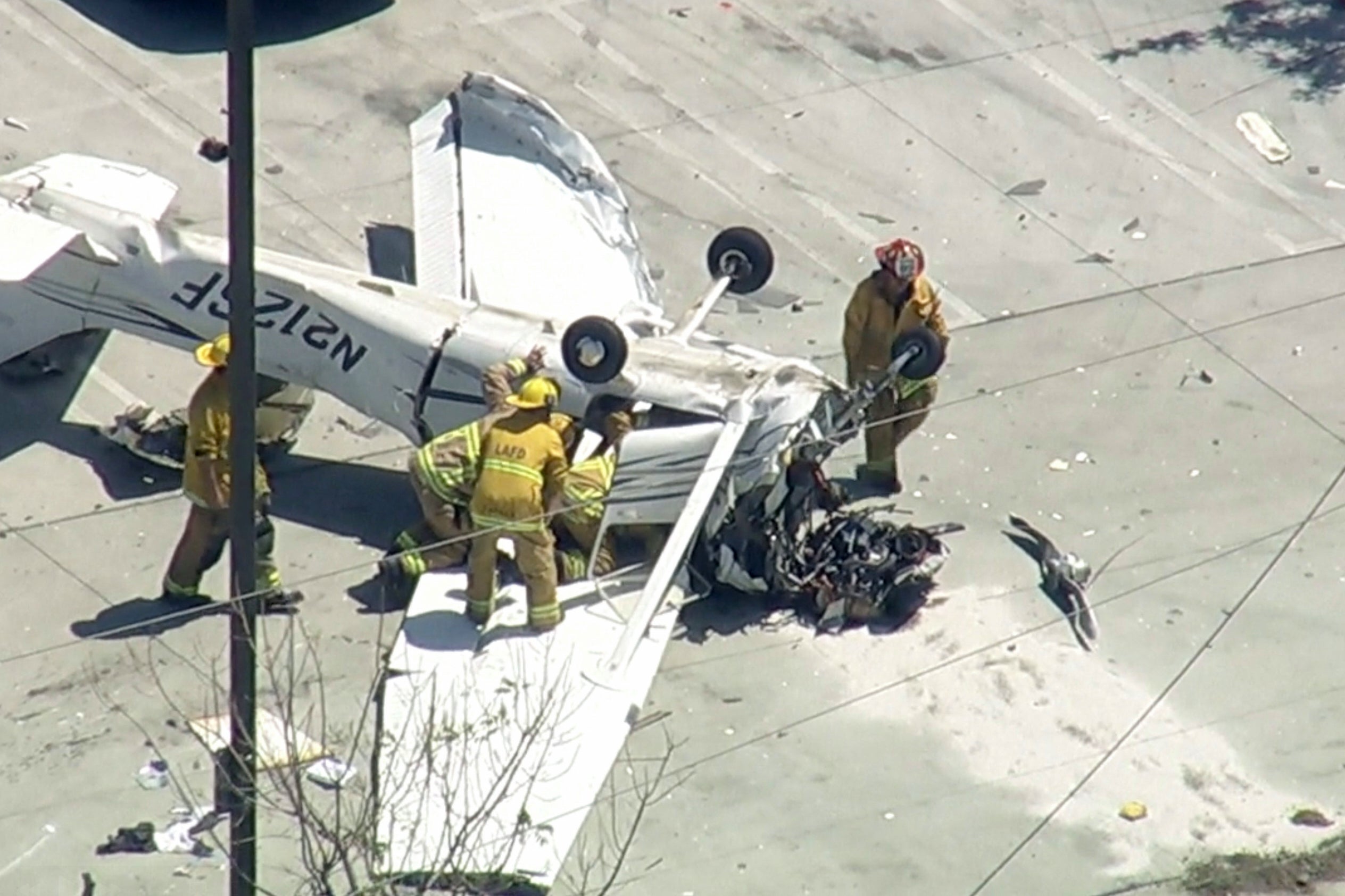
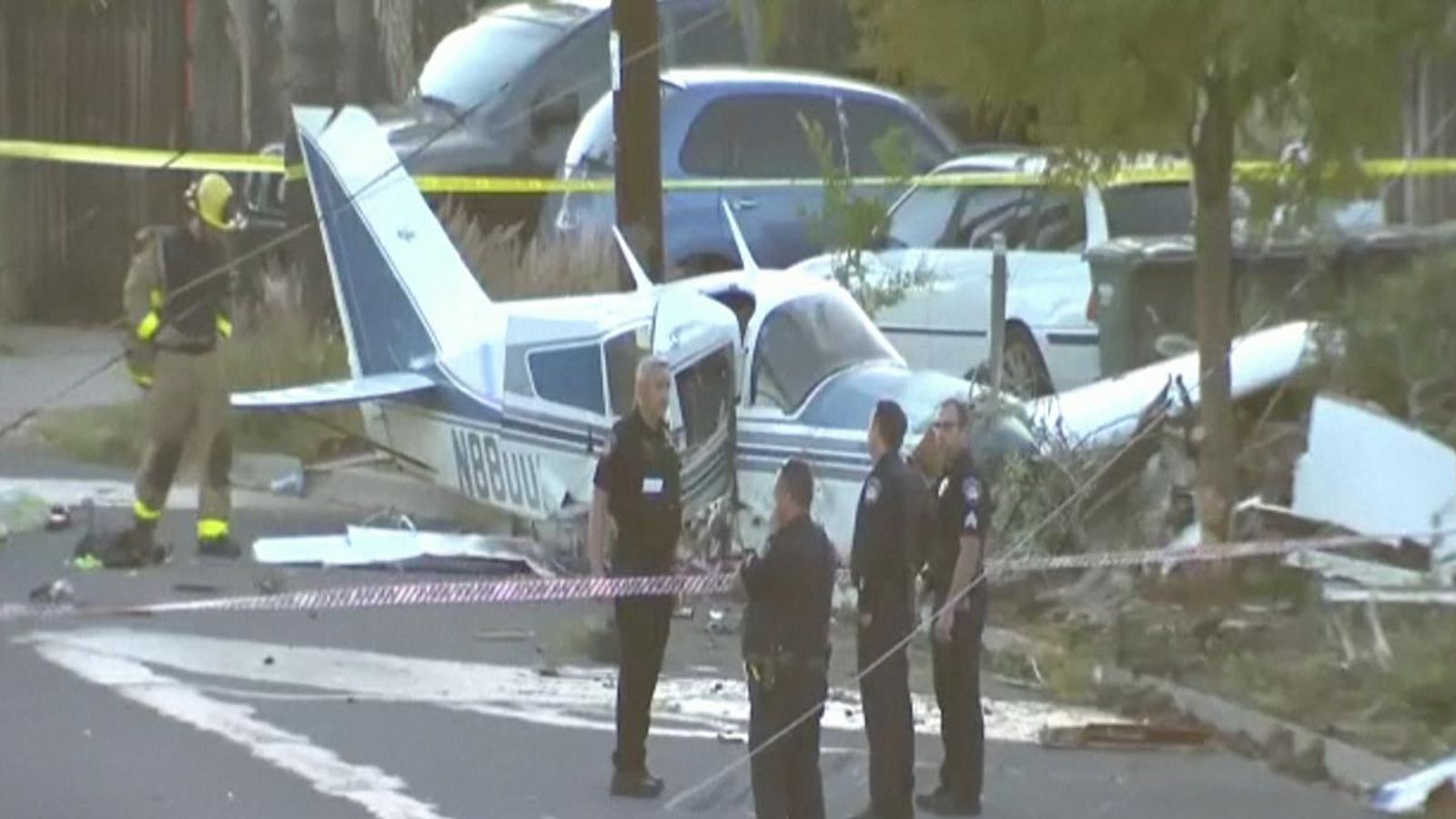
In many parts of California, such as the Los Angeles Basin and the Bay Area, historical airports are now surrounded by dense residential and commercial development. This leaves pilots with very few "off-field" landing options in the event of an engine failure. Consequently, small plane crashes in California frequently involve impacts with structures or roadways, complicating the emergency response and increasing the potential for third-party injuries.
The Investigation Process: NTSB and FAA Roles
When a small plane crashes, the federal government assumes jurisdiction over the investigation. While local police and fire departments manage the "first response," they quickly hand over the scene to federal authorities once life-saving efforts are complete.
The National Transportation Safety Board (NTSB)
The NTSB is an independent agency charged with determining the "probable cause" of every civil aviation accident in the U.S. Their process is exhaustive and follows a specific timeline:
- On-Site Phase: Investigators, often referred to as the "Go Team," arrive to document the wreckage, examine ground scars, and collect perishable evidence such as cockpit instruments and GPS data.
- The Preliminary Report: Usually released within 15 days of the crash, this document contains basic factual information (time, location, aircraft type) but does not speculate on the cause.
- Laboratory Analysis: Engines, avionics, and structural components may be shipped to NTSB facilities in Washington D.C. or regional hubs for teardowns and metallurgical testing.
- Final Report and Probable Cause: This final document, which can take 12 to 24 months to complete, outlines the definitive cause of the crash and may include safety recommendations to prevent future occurrences.
The Federal Aviation Administration (FAA)
While the NTSB finds the cause, the FAA focuses on regulation and enforcement. They investigate whether any Federal Aviation Regulations (FARs) were violated during the flight. This includes checking pilot certifications, medical records, and the maintenance history of the aircraft. If a crash was caused by a mechanical failure that indicates a broader fleet issue, the FAA may issue Airworthiness Directives (ADs) to mandate inspections or repairs for all similar aircraft.
| Investigation Stage | Typical Duration | Primary Focus | Public Output |
|---|---|---|---|
| Initial Response | 24–72 Hours | Life safety and scene security | Media briefings |
| Field Phase | 3–10 Days | Evidence collection and witness interviews | None (Internal) |
| Preliminary Report | 10–15 Days | Factual summary of the event | Public NTSB Database |
| Factual Report | 6–12 Months | Technical data, maintenance logs, weather | Public Docket |
| Final Determination | 12–24 Months | Probable cause and safety recommendations | Final Report |
Common Causes of Small Plane Accidents
Understanding why crashes occur is essential for both safety advocacy and legal determination. In the 2024–2026 reporting periods, three primary factors have consistently dominated the statistics for California-based incidents.
Pilot Error and Loss of Control (LOC-I)
Loss of Control In-flight (LOC-I) remains the leading cause of fatal GA accidents. This often occurs during the "base-to-final" turn of a landing pattern where an aerodynamic stall can lead to an unrecoverable spin at low altitude. In California, "scud running"—the practice of flying clear of clouds but at dangerously low altitudes to maintain visual contact with the ground—is a frequent precursor to LOC-I accidents in coastal areas.
Controlled Flight Into Terrain (CFIT)
CFIT occurs when an airworthy aircraft, under the control of a pilot, is unintentionally flown into the ground, a mountain, or water. This is particularly prevalent in the mountainous regions of Northern California and the high desert. Pilots may miscalculate their climb gradients or lose situational awareness during night flights or in heavy haze.
Powerplant and Mechanical Failure
Small planes are aging; the average age of a GA aircraft in the U.S. is approximately 40 to 50 years. While rigorous maintenance is required, catastrophic engine failures still occur. Investigations in these cases focus on the last 100-hour or annual inspection and whether the owner complied with all mandatory service bulletins.
Legal and Insurance Framework in California
A small plane crash triggers significant legal and financial consequences. Because aviation is governed by both federal regulations and state tort law, the litigation process is highly specialized.
Liability and Negligence
California is a comparative negligence state. This means that if a crash occurs, a jury can apportion fault among several parties, including the pilot, the aircraft owner, the maintenance facility, and even the manufacturer of a defective part. If a victim is found partially at fault (for example, a passenger who interfered with controls), their recovery is reduced by their percentage of fault.
The Role of Aviation Insurance
Unlike auto insurance, aviation insurance policies are highly specific regarding "named pilots." If an aircraft is flown by someone not explicitly listed on the policy or someone who does not meet the "open pilot warranty" (minimum flight hours and ratings), the insurance carrier may attempt to deny coverage. Policies generally include:
- Liability Coverage: For bodily injury to passengers and people on the ground, and property damage.
- Hull Coverage: For the physical damage to the aircraft itself.
Statute of Limitations
In California, the statute of limitations for personal injury or wrongful death claims resulting from an aircraft accident is generally two years from the date of the incident. However, there are complexities involving the General Aviation Revitalization Act (GARA), a federal law that shields manufacturers from liability if the aircraft or the part that failed is more than 18 years old at the time of the crash.
What to Do After a Small Plane Crash
If you are involved in or affected by a small plane crash—whether as a witness, a property owner, or a family member of a victim—specific steps should be taken to protect your interests and ensure safety.
- Secure the Scene: Do not move any wreckage unless it is necessary to rescue a victim. Small planes often carry hazardous materials, including leaded aviation fuel (100LL) and potentially explosive ballistic parachute canisters.
- Contact Authorities: Notify the local police immediately. They will coordinate with the FAA’s Regional Operations Center and the NTSB.
- Document Evidence: If safe to do so, take photographs and videos of the wreckage and surrounding area from a distance. Witness statements should be recorded while memories are fresh.
- Avoid Speculation: Public statements regarding the "cause" of the crash can be used in future legal proceedings. It is advisable to wait for the NTSB’s factual findings.
- Seek Specialized Counsel: Aviation law involves federal preemption and international treaties (if the flight originated outside the U.S.). Standard personal injury attorneys may not have the technical expertise to interpret NTSB dockets or maintenance logs.
Frequently Asked Questions
Who pays for the damage caused by a small plane crash on private property?
The aircraft owner’s liability insurance is primarily responsible for property damage. If the owner is uninsured or underinsured, the property owner may need to file a claim through their own homeowners' insurance, which may then subrogate against the pilot or owner. California law generally holds the aircraft owner or operator liable for damages to persons or property on the ground.
How long does it take for the NTSB to release a final report?
While a preliminary report is typically available within two weeks, the full investigation and determination of probable cause usually take between 12 and 24 months. Complex cases involving mechanical failures or disputed air traffic control communications can take even longer.
Are small planes required to have "black boxes"?
Most small, reciprocating-engine aircraft (like Cessnas or Pipers) are not required by the FAA to carry Flight Data Recorders (FDR) or Cockpit Voice Recorders (CVR). However, modern "glass cockpit" avionics often record flight data on SD cards, and many pilots use third-party apps like ForeFlight that log GPS tracks, which investigators use to reconstruct the flight path.
Can a pilot be held criminally liable for a crash?
Criminal charges are rare in aviation accidents unless there is evidence of "reckless endangerment," flying under the influence (FUI), or intentional violation of federal laws. Most crashes are handled through civil litigation and FAA administrative actions (such as certificate revocation).
What is the safest way to track recent crashes in California?
The NTSB maintains a public database called the Aviation Accident Database & Synopses. Users can search by state and date to find preliminary and final reports. For real-time updates on active incidents, local emergency frequency monitors and aviation news outlets are the most immediate sources.
Strategic Recommendation
For those navigating the complexities of an aviation incident in 2026, the most critical action is to remain patient during the NTSB’s data-collection phase. Attempting to settle insurance claims or file lawsuits before the Factual Report is released often leads to incomplete recovery, as the technical nuances of the failure may not yet be understood. Stakeholders should focus on preserving all flight records, pilot logs, and maintenance receipts immediately following the event.
Image Gallery