Ferris Bueller at Wrigley Field: A Deep Dive for the Classic Cars Column
The 1961 Ferrari 250 GT California Spyder featured in Ferris Bueller’s Day Off remains the most iconic "unobtainable" vehicle in cinema history. While the film’s stop at Wrigley Field highlights a perfect Chicago afternoon, the car—act...
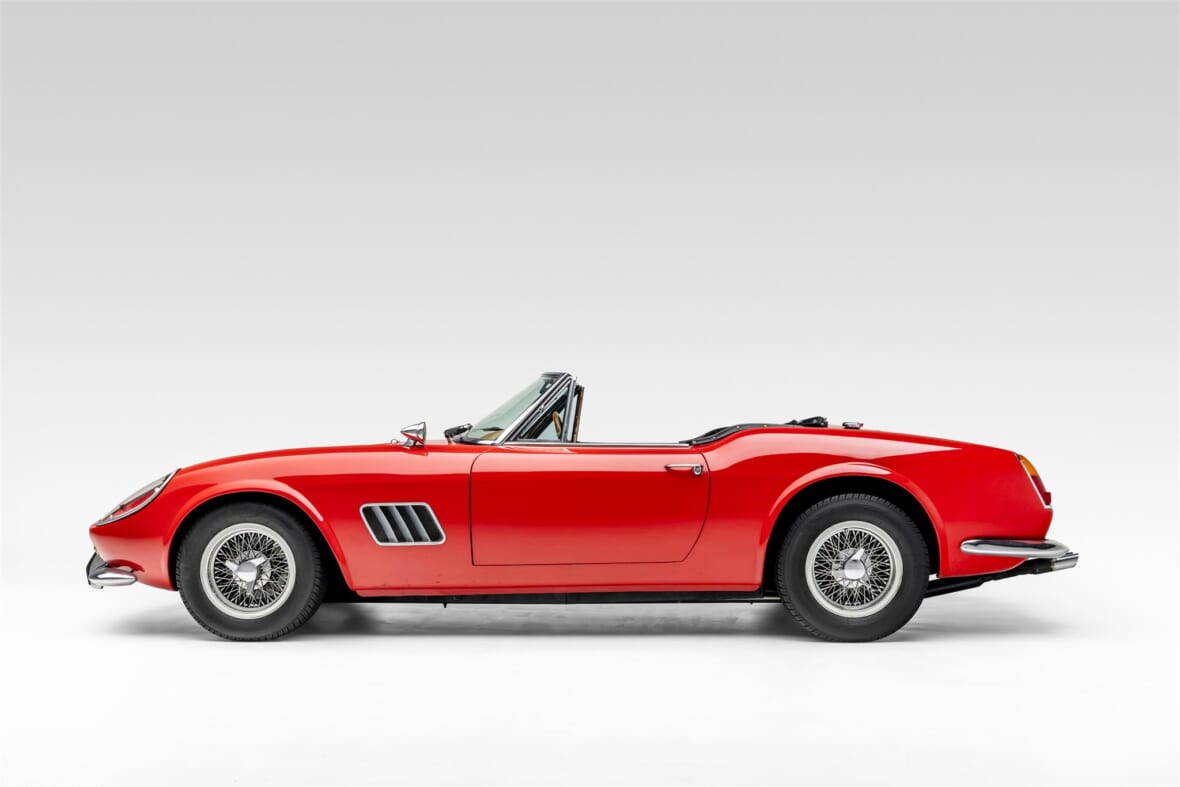
The 1961 Ferrari 250 GT California Spyder featured in Ferris Bueller’s Day Off remains the most iconic "unobtainable" vehicle in cinema history. While the film’s stop at Wrigley Field highlights a perfect Chicago afternoon, the car—actually a highly detailed Modena Spyder replica—serves as the mechanical heart of the narrative’s tension and ultimate catharsis.
Contents
In the decades since the film’s 1986 release, the legend of the "Bueller Ferrari" has only grown among collectors and film historians. As we look at this classic from the vantage point of 2026, the intersection of John Hughes’ cinematic vision and the engineering of the Modena Design replicas provides a fascinating case study in automotive stardom. To understand why this car remains a staple of classic car columns, one must look past the red paint and examine the technical ingenuity that allowed a trio of replicas to convince the world they were multi-million-dollar Italian masterpieces.
The Ferrari 250 GT California: Choosing an Icon
When John Hughes wrote the script for Ferris Bueller’s Day Off, he knew the car Cameron Frye’s father owned had to be more than just a luxury vehicle; it had to be a work of art. The 1961 Ferrari 250 GT SWB California Spyder was the natural choice. With only about 55 units ever produced, the Short Wheelbase (SWB) version of the California Spyder is widely considered one of the most beautiful cars ever designed.
However, even in 1985, when filming began, an authentic 250 GT California was worth approximately $300,000—a sum that made it too risky for the stunts Hughes had planned. Today, in 2026, those same authentic Ferraris regularly command upwards of $15 million to $18 million at elite auctions like RM Sotheby’s. The decision to use replicas wasn’t just a matter of budget; it was a matter of survival for the source material.
The production team turned to Modena Design and Development, a company founded by Neil Glassmoyer and Mark Goyette. They were tasked with building three "Modena Spyders" that would stand in for the real Ferrari. These cars were not mere kit cars; they were purpose-built machines featuring high-performance engines and fiberglass bodies that mimicked the lines of the Italian original with startling accuracy.
The Wrigley Field Connection: A High-Stakes Pit Stop
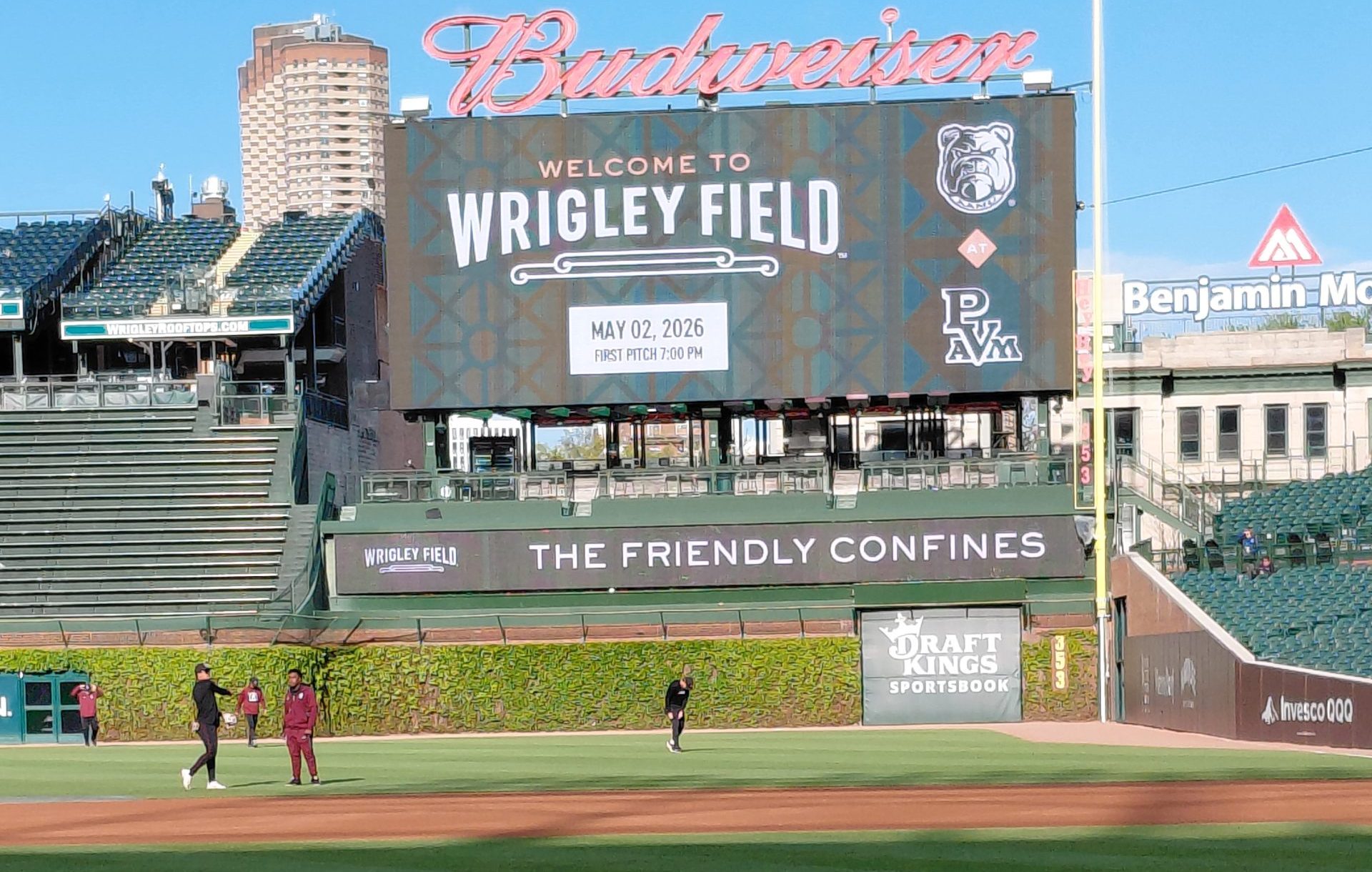
The scene at Wrigley Field is a pivotal moment in the film’s timeline. After "borrowing" the Ferrari from Cameron’s father’s glass-enclosed garage, the trio heads to the North Side of Chicago. The Ferrari is famously handed over to a pair of parking garage attendants, leading to the infamous "Star Wars" theme-backed joyride through the streets of the city.
The stop at the "Friendly Confines" during a game between the Chicago Cubs and the Atlanta Braves (actually filmed on June 5, 1985) serves a dual purpose. Culturally, it anchors the film in the quintessential Chicago experience. Mechanically, it represents the moment of no return. By leaving the car in the hands of the valets, the characters surrender control of the vehicle, setting the stage for the mileage-tampering disaster that follows.
For car enthusiasts, the Wrigley Field sequence is painful to watch. The sight of a (supposed) 250 GT being driven over curbs and launched into the air by attendants is the stuff of nightmares. Yet, it was this very sequence that cemented the car’s status as a symbol of rebellion against the "museum-piece" mentality of Cameron’s father.
Technical Specifications: The Modena Spyder vs. The Real 250 GT
To the untrained eye, the "hero car" used in the movie is indistinguishable from a genuine Ferrari. However, the underpinnings tell a very different story. The Modena Spyders used a custom-built steel tube frame and a reliable American powerplant, making them much more suitable for the rigors of a film set than a temperamental 1960s V12.
| Feature | 1961 Ferrari 250 GT SWB California | 1985 Modena Spyder (The Movie Car) |
|---|---|---|
| Engine | 3.0L Colombo V12 | 5.0L (302ci) Ford Windsor V8 |
| Horsepower | Approx. 240-280 hp | Approx. 195-225 hp |
| Transmission | 4-Speed Manual | 5-Speed Manual (or Automatic) |
| Body Material | Aluminum (Steel doors/hood) | Fiberglass |
| Chassis | Steel Oval-Tube Frame | Rectangular Steel Tube Frame |
| Suspension | Live Rear Axle w/ Leaf Springs | Independent Front / Coilover Rear |
| Current Value (2026) | $15,000,000+ | $300,000 - $500,000 (Provenance dependent) |
The use of the Ford 302 V8 was a masterstroke of practicality. It provided the necessary torque for the "jump" scenes and ensured that the production wouldn't be halted by the mechanical failures common to vintage European sports cars. The fiberglass bodies were molded directly from a real Ferrari, though enthusiasts often point out that the Modena’s windshield rake and door handles are slightly off compared to the Maranello original.
The "Star Wars" Joyride and the Stunt Cars
While three cars were used in the production, they were not created equal. One was the "hero" car, used for close-ups and interior shots. A second car was the "stunt" car, which took the brunt of the abuse during the valet joyride. The third was a rolling shell—essentially a fiberglass body on a frame with no engine—designed specifically to be kicked through the glass window of the Frye residence at the end of the film.
The stunt car's famous jump was not a trick of the camera. The Modena Spyder actually took flight, though the landing was significantly more violent than it appeared on screen. The car suffered a broken suspension and frame damage, which had to be repaired overnight so filming could continue. This durability is a testament to the engineering provided by Glassmoyer and Goyette, whose work was so impressive that Ferrari eventually sued them for trademark infringement, effectively ending production of the Modena Spyder and making the existing movie cars even more valuable.
Legacy and Value in the 2026 Market
In the 2020s, the "Bueller Cars" have transitioned from movie props to legitimate blue-chip collectibles. In 2023, one of the three original Modena Spyders used in the film sold for over $330,000 at a Mecum auction. By 2026, experts suggest that a movie car with documented provenance could easily exceed half a million dollars.
This price appreciation reflects a broader trend in the classic car market: the "Generation X" effect. As the children of the 80s have reached their peak earning years, the cars of their youth—even the high-quality replicas—have become more desirable than the pre-war classics favored by previous generations. The Modena Spyder is no longer seen as a "fake" Ferrari, but as a "real" piece of cinematic history.
For the purist, the existence of the Modena Spyder serves as a reminder of a time when Hollywood had to build what it couldn't buy. In an era where a 250 GT could be rendered with CGI, the physical presence of the Modena Spyder—with its real Ford V8 growl and real fiberglass cracks—offers a tangible connection to the film that digital effects cannot replicate.
Frequently Asked Questions
Was the car destroyed in the movie a real Ferrari?
No. The car that was kicked out of the garage and fell into the ravine was a non-running fiberglass shell. No actual Ferraris were harmed during the production of Ferris Bueller’s Day Off. The "hero" and "stunt" cars survived the filming and have since been sold to private collectors.
What happened to the three cars after filming?
The hero car was sold and eventually underwent a full restoration by one of its original builders, Neil Glassmoyer. The stunt car was also sold and has made various appearances at car shows and museums. The shell used for the crash was severely damaged but parts of it have reportedly been salvaged by movie memorabilia collectors.
Why didn't they use a real Ferrari for the close-ups?
While the budget for the film was approximately $5.8 million, spending 5-10% of that on a single car that would be subjected to high-speed driving and stunt work was deemed irresponsible. Additionally, Ferraris of that era were notoriously finicky; the production could not risk losing days of filming to a blown gasket or a complex Italian electrical issue.
Is the Modena Spyder considered a "kit car"?
While it shares some characteristics with kit cars, the Modena Spyder is generally classified as a "specialty manufactured vehicle." It featured a custom chassis and high-quality components that far exceeded the standards of the typical fiberglass kit cars of the 1980s. Its inclusion in the Library of Congress's National Film Registry as part of the movie further elevates its status.
Can you still buy a Modena Spyder today?
Modena Design and Development was forced to stop production after a legal settlement with Ferrari. However, because they were so well-built, many of the approximately 50 units produced (including the movie cars) still exist. They occasionally appear at high-end auctions, but they are rare and highly sought after by enthusiasts.
Final Recommendation for Collectors
If you are a collector looking to capture the spirit of 1986, the Modena Spyder represents a unique opportunity. While it lacks the V12 pedigree of a Maranello original, it possesses a cultural weight that few other cars can match. For those attending auctions in 2026, prioritize vehicles with a "Certificate of Authenticity" from the original builders or documented film provenance. Owning a piece of the Bueller legend isn't just about owning a car; it's about owning the feeling of a day when anything seemed possible—even skipping school and getting away with it in the most beautiful car in the world.
Image Gallery