Is HVAC Air Conditioning? Understanding the Relationship Between the Two
HVAC is not synonymous with air conditioning; rather, air conditioning is one specialized component within the broader HVAC system. While air conditioning focuses exclusively on cooling and dehumidifying indoor spaces, HVAC stands for...
HVAC is not synonymous with air conditioning; rather, air conditioning is one specialized component within the broader HVAC system. While air conditioning focuses exclusively on cooling and dehumidifying indoor spaces, HVAC stands for Heating, Ventilation, and Air Conditioning, representing an integrated system designed to manage all aspects of indoor environmental control, including heat, airflow, and climate regulation.
Contents
Defining HVAC: The Holistic System
To understand why these terms are often confused, it is necessary to break down the acronym. HVAC represents an engineering approach to indoor climate management. It is a comprehensive network of mechanical equipment, ductwork, and controls designed to achieve thermal comfort and acceptable indoor air quality.
- Heating: This component typically involves a furnace, boiler, or heat pump. Its primary function is to elevate the temperature of the indoor environment during colder seasons.
- Ventilation: This is the process of exchanging or replacing air within a space to improve air quality. It removes moisture, smoke, odors, heat, dust, airborne bacteria, and carbon dioxide. Ventilation can be mechanical (via fans and ductwork) or natural (via windows and vents).
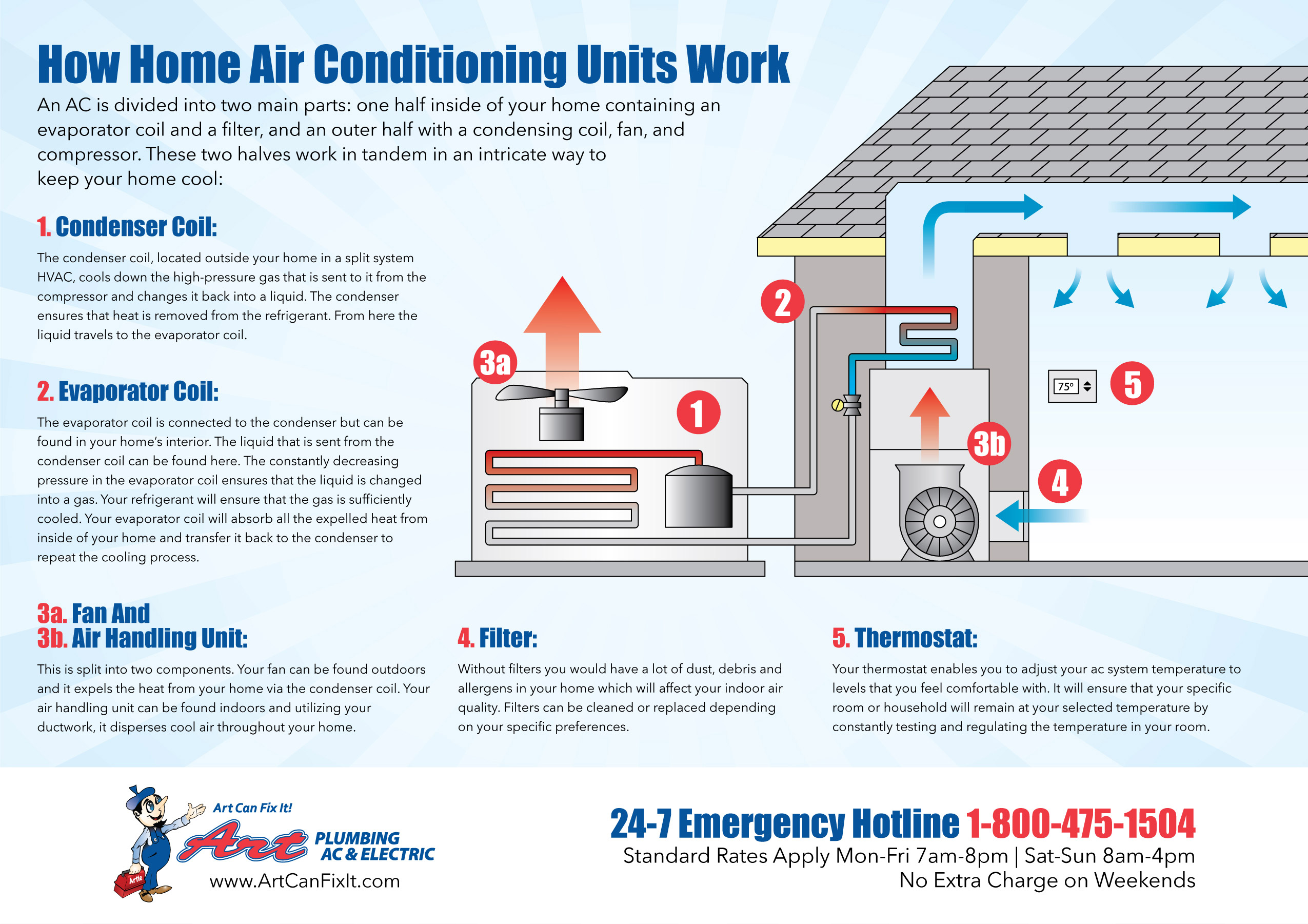
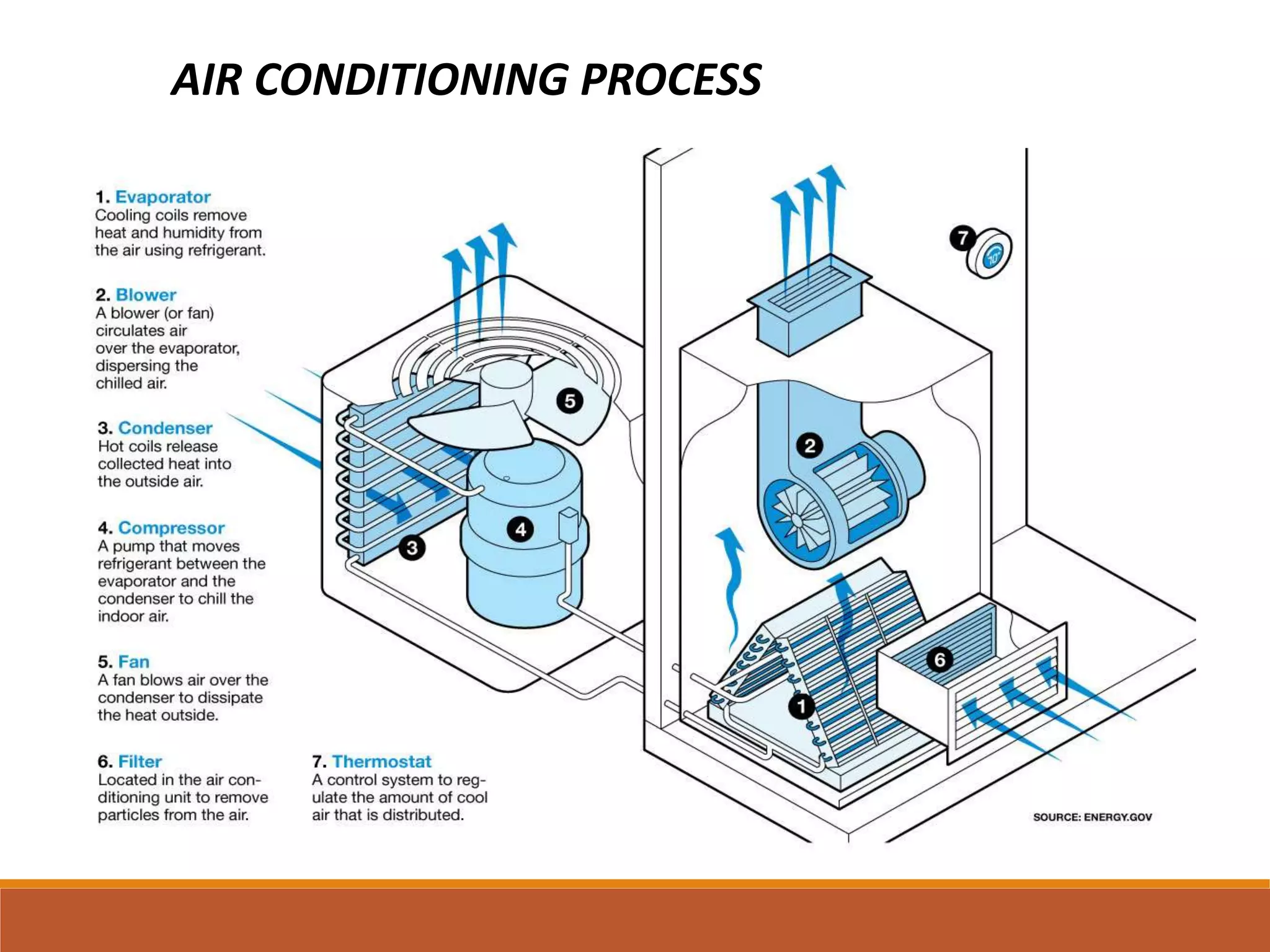
- Air Conditioning: This is the cooling and humidity control segment. It operates by removing heat from an indoor area and transferring it outdoors, usually through a refrigeration cycle involving a compressor, refrigerant, an evaporator coil, and a condenser coil.
When you have an "HVAC system" in your home or commercial building, you essentially possess a multi-functional machine capable of reacting to various environmental needs. If the temperature drops in January, the heating unit engages. If the humidity or heat becomes oppressive in July, the air conditioning unit engages. Throughout the year, the ventilation system ensures that fresh air is circulated, preventing the stagnation of indoor pollutants.
How Air Conditioning Functions Within the System
The confusion between HVAC and air conditioning often stems from the fact that modern residential air conditioning units are frequently integrated directly into the HVAC structure. In a standard central air system, the furnace and the air conditioner share the same blower motor and the same ductwork.
When your system is in cooling mode, the "air conditioning" aspect takes over. The blower pulls warm air from your home across an evaporator coil filled with cold refrigerant. As the refrigerant absorbs the heat from the air, the cooled air is pushed back through the ducts into your living spaces. Simultaneously, the heat extracted from the air is carried outside to the condenser unit.
Because the air conditioner relies on the HVAC’s air handler (the blower) and the ductwork to distribute air throughout the building, the lines between the two concepts blur. However, the refrigeration cycle itself is distinct from the heating or ventilation processes.
Comparison of Environmental Control Systems
To clarify the functional differences, consider how these components interact to regulate indoor conditions. The following table illustrates the core differences between the elements that comprise an HVAC system.
| Feature | Heating | Ventilation | Air Conditioning |
|---|---|---|---|
| Primary Goal | Increase thermal energy | Improve air quality | Decrease heat and humidity |
| Common Components | Furnace, Boiler, Heat Pump | Fans, Air Exchangers, Vents | Compressor, Coils, Refrigerant |
| Operational Timing | Seasonal (Cold months) | Continuous or Cyclical | Seasonal (Warm months) |
| Key Output | Warm air | Fresh air circulation | Cooled, dehumidified air |
The Role of Ventilation: The Often Forgotten Pillar
While consumers often focus on the "Heating" and "Air Conditioning" aspects of their HVAC system, "Ventilation" is essential for long-term health and building integrity. Modern building standards emphasize energy efficiency, which often leads to highly sealed, airtight homes. While airtightness saves on energy costs, it traps indoor pollutants, including volatile organic compounds (VOCs) from furniture, cooking fumes, and pet dander.
An integrated HVAC system manages ventilation through various methods. In simpler systems, ventilation is intermittent and passive. In high-efficiency systems, Heat Recovery Ventilators (HRVs) or Energy Recovery Ventilators (ERVs) are used. These devices bring in fresh outdoor air while simultaneously transferring heat (and sometimes moisture) from the outgoing stale air to the incoming fresh air. This ensures that you receive fresh air without placing an excessive burden on your heating or air conditioning components.
When HVAC and Air Conditioning are Separate
It is important to note that not all air conditioning is part of a central HVAC system. This distinction is where the difference between the two terms becomes most apparent.
- Window Units and Portable AC: These devices provide air conditioning but are generally not considered "HVAC systems." They are standalone cooling units. They lack the heating and integrated ventilation components required to meet the definition of HVAC.
- Ductless Mini-Splits: These systems blur the lines. A ductless mini-split can provide both heating and cooling. Because it controls both temperature and, through modern filtration, air quality, it is considered a legitimate HVAC system, even though it does not use traditional ductwork.
- Standalone Furnaces: Some buildings feature a heating system (furnace or boiler) that is entirely separate from the cooling system. In these cases, the building has a heating system and an air conditioning system, but they are not an "integrated HVAC" unit because they do not share a common distribution or control mechanism.
Efficiency and Maintenance Considerations
Whether you are maintaining a full HVAC system or a standalone air conditioning unit, regular maintenance is vital for efficiency. Because an HVAC system contains more components, it typically requires more frequent professional oversight.
- Filters: In an HVAC system, a single filter often serves both heating and cooling. A dirty filter restricts airflow, which forces the air conditioner’s blower to work harder, leading to potential premature compressor failure.
- Refrigerant Levels: This is specific to the air conditioning portion of the HVAC system. If your HVAC system is blowing warm air in the summer, it usually points to an issue with the refrigerant cycle or the condenser coils, rather than a failure of the heating unit.
- Duct Integrity: Leaky ducts are a major source of energy loss in an HVAC system. If the ducts are compromised, neither the heating nor the air conditioning will reach the intended set point, causing the system to run longer and consume more electricity.
Frequently Asked Questions
Is my furnace part of my air conditioning system? Technically, no; it is part of your HVAC system. Your furnace provides the heat, while your air conditioner provides the cold. They are two separate machines that happen to share the same blower and ductwork to distribute air throughout your home.
Can I have HVAC without air conditioning? Yes. You can have a heating system (like a furnace) and a ventilation system without an air conditioning component. In this case, you have a heating and ventilation system, but it is incomplete as an HVAC system because it lacks the cooling function.
Does a heat pump count as HVAC? Yes. A heat pump is a versatile piece of equipment that handles both heating and air conditioning. In the winter, it extracts heat from the outside air and moves it inside; in the summer, it reverses the process, functioning as an air conditioner.
Why is my HVAC system so loud? Noise in an HVAC system can come from the air conditioner’s condenser unit, the furnace’s blower motor, or even vibrations in the ductwork. Because these systems are interconnected, noise often travels through the ducts, making it difficult to pinpoint whether the source is the heating or the cooling component.
How often should I service my HVAC system? Most professionals recommend a full system check-up twice a year: once before the cooling season begins and once before the heating season begins. This ensures that the air conditioner, the furnace, and the ventilation components are all clean and functioning correctly.
Next Steps for System Management
If you are looking to optimize your indoor comfort, the first step is to identify the scope of your current equipment. If you possess a central system, you are managing an HVAC unit. Prioritize regular professional inspections to ensure that the "air conditioning" portion (the refrigeration cycle) and the "heating" portion are both balanced. Should you need an upgrade, consult with a licensed HVAC contractor to determine if a heat pump or a high-efficiency furnace-plus-AC combination is better suited for your local climate and energy requirements. Keeping these systems properly maintained will extend the life of your equipment and keep your utility costs predictable throughout the year.
Image Gallery