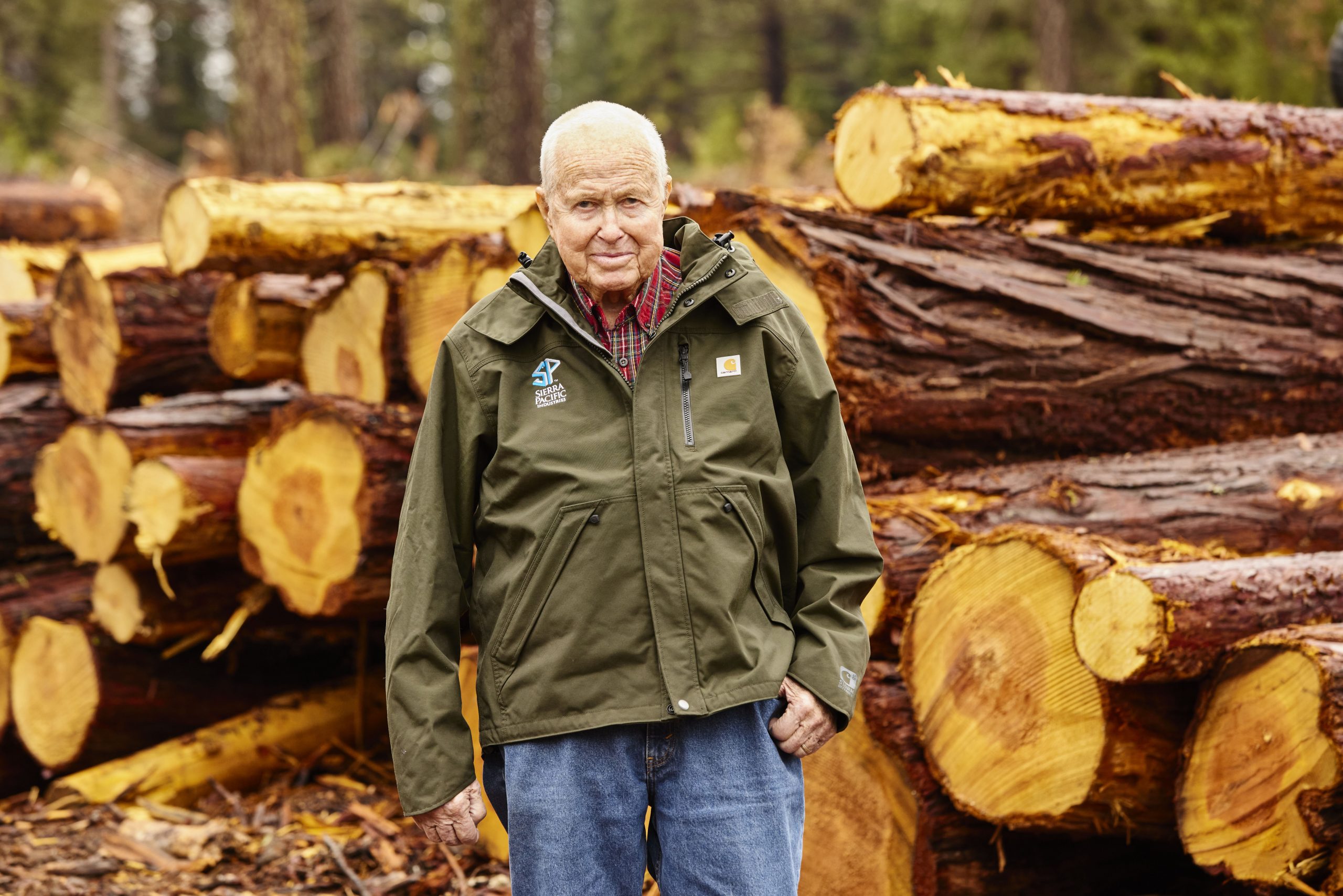
Understanding the Emmerson Family Land Holdings: A Comprehensive Overview
The Emmerson family is recognized as one of the largest private timberland owners in North America, primarily through their association with Sierra Pacific Industries (SPI). This family-owned entity manages extensive forest tracts acro...
The Emmerson family is recognized as one of the largest private timberland owners in North America, primarily through their association with Sierra Pacific Industries (SPI). This family-owned entity manages extensive forest tracts across California, Oregon, and Washington, operating under a vertically integrated model that emphasizes long-term sustainable forestry, wildfire resilience, and consistent wood product manufacturing.
Contents
The Foundation of the Emmerson Timber Legacy
The history of the Emmerson family as prominent land owners is inseparable from the trajectory of Sierra Pacific Industries. Founded by R.H. "Red" Emmerson, the company has grown from a small sawmill operation in the mid-20th century into the second-largest lumber producer in the United States as of 2026. The family’s strategy has historically focused on the strategic acquisition of timberland rather than mere reliance on third-party supply chains. By securing the land base, the family ensures a consistent supply of raw material while maintaining direct control over the management practices applied to those acres.
This land ownership model serves as the backbone of the family’s wealth and industrial operations. By owning the forest, the family acts as both the land steward and the end-product manufacturer. This integration allows for a cyclical approach to resource management: the land is harvested, reforested, and protected through rigorous fire management protocols, ensuring that the asset remains productive for successive generations.
Scale and Geographic Distribution of Holdings
As of 2026, the Emmerson family, through Sierra Pacific Industries, manages more than 2.4 million acres of timberland. While the company is most famously associated with California, its footprint has expanded significantly over the last two decades. The geographical distribution of these holdings is strategically chosen to support local manufacturing facilities.
The core of their holdings remains in Northern California, where the company operates several major mills. Over the years, the family has acquired significant tracts in the Pacific Northwest, particularly in Washington and Oregon. These regions are essential to their operations because they support the growth of softwoods such as Douglas fir, Ponderosa pine, and White fir, which are highly sought after in residential and commercial construction markets.
The ownership structure typically involves direct corporate holdings, where the family members retain control over the strategic direction of land usage. Unlike institutional investors who may treat timberland as a volatile asset class for short-term gain, the Emmerson approach is characterized by multi-generational stewardship. This allows for investment in long-term infrastructure, such as logging roads and fire suppression equipment, that might be considered prohibitive by shorter-term owners.
Sustainable Forestry and Management Practices
A critical component of the Emmerson family’s land ownership is their commitment to sustainable forestry. The lands managed by SPI are predominantly certified under the Sustainable Forestry Initiative (SFI) standards. This certification is a prerequisite for participating in the global timber market and serves as a verified benchmark for responsible management.
Sustainable management within the Emmerson portfolio involves several core pillars:
- Reforestation: Following every harvest, the land is replanted with high-quality seedlings. In many instances, the family operates its own seed orchards to ensure that the trees planted are genetically suited to the specific elevations and microclimates of the forest tracts.
- Wildfire Resilience: Given the high risk of catastrophic wildfire in Western states, the family invests heavily in "fuel management." This includes clearing brush, creating firebreaks, and thinning stands to reduce the density of vegetation that feeds major fires.
- Watershed Protection: Land management plans are designed to protect water quality, ensuring that logging activities do not negatively impact local salmon-bearing streams or regional water supplies.
Economic Impact and Vertically Integrated Operations
The economic significance of the Emmerson family land owners extends beyond the value of the standing timber. Because they own the mills that process the timber, they create a robust economic cycle within the communities where they operate. Their presence is a major driver of employment in rural, timber-dependent towns across the Western United States.
| Factor | Description | Impact on Land Value |
|---|---|---|
| Integration | Owns both land and mills | Reduces supply chain risk |
| Sustainability | SFI Certified practices | Ensures long-term regulatory compliance |
| Scale | 2.4+ million acres | Creates economies of scale |
| Fire Strategy | Proactive fuel management | Protects standing asset valuation |
The integration allows for the effective use of all parts of the tree. Large logs go to lumber mills, while smaller trees, slash, and wood chips are utilized in cogeneration plants. These plants convert biomass into electricity, some of which is sold back to the power grid, turning what would be waste into a secondary revenue stream.
Legal and Regulatory Considerations
Owning vast swaths of forestland requires navigating complex environmental and land-use regulations. In California, for example, the California Environmental Quality Act (CEQA) and the Forest Practice Act impose stringent requirements on harvesting, road building, and wildlife protection. The Emmerson family’s professional land management teams must work continuously with state agencies—such as CAL FIRE—to maintain permits and ensure that harvest plans align with state laws.
These regulatory burdens are a significant barrier to entry for smaller owners, which further cements the market position of established holders like the Emmerson family. They possess the internal legal, biological, and forestry expertise required to navigate these regulatory environments effectively. For readers interested in property law or timberland investment, it is essential to recognize that the "cost" of owning such large tracts is not just the purchase price, but the recurring annual expenditure on compliance, insurance, and land maintenance.
Frequently Asked Questions
Are Emmerson family lands open to the public? Generally, no. Most timberland owned by the Emmerson family through Sierra Pacific Industries is managed for industrial wood production and fire safety. While some areas may be accessible for specific authorized uses, the vast majority is closed to public access to prevent accidental wildfires, theft, and unauthorized use of heavy machinery.
How does the Emmerson family manage fire risks on their land? The family employs a multi-faceted fire prevention strategy. This includes the proactive clearing of deadwood, the construction of strategic firebreaks, and the maintenance of an internal fire-suppression force that can respond to lightning strikes or accidental ignitions before they reach an unmanageable scale.
What is the relationship between the Emmersons and Sierra Pacific Industries? Sierra Pacific Industries is the primary corporate vehicle through which the Emmerson family owns and operates their land and manufacturing facilities. Red Emmerson and his successors have maintained private ownership of the company, allowing them to make long-term capital decisions that do not require quarterly reporting to public shareholders.
How do they determine when to harvest timber? Harvesting is determined by a combination of market demand, tree maturity, and regulatory compliance. The management team uses sophisticated growth modeling to determine the "sustained yield" of each forest tract, ensuring that the amount of timber harvested does not exceed the annual growth increment of the forest.
Is timberland investment a passive income stream? For the Emmerson family, it is a highly active, operationally intensive business. While timberland can be an asset for passive investors through Timber Investment Management Organizations (TIMOs), the scale and integrated nature of the Emmerson holdings require constant oversight of logistics, mills, and environmental regulation.
Next Steps for Interested Stakeholders
For those looking to understand the mechanics of timberland management or the economic impact of large-scale land ownership, the most reliable source of information is the official annual reporting provided by the Sustainable Forestry Initiative or regional forestry boards. If you are exploring the industry for investment purposes, focus on the distinction between passive land ownership and vertically integrated industrial forestry. The Emmerson model is a prime example of the latter, where value is derived from the efficiency of the entire supply chain rather than the land alone.
Image Gallery