The State of the Honda Hybrid Sports Car: Performance, Electrification, and Future Expectations
As of 2026, Honda does not offer a dedicated hybrid sports car in its global production lineup, though it continues to advance hybrid performance through its electrified powertrain initiatives. While enthusiasts frequently anticipate a...
As of 2026, Honda does not offer a dedicated hybrid sports car in its global production lineup, though it continues to advance hybrid performance through its electrified powertrain initiatives. While enthusiasts frequently anticipate a spiritual successor to legendary models like the NSX or the S2000, current hybrid offerings prioritize fuel efficiency and urban mobility over track-focused, high-performance sports segments.
Contents
Understanding the Honda Hybrid Philosophy
To understand why a dedicated "Honda hybrid sports car" is a subject of constant speculation rather than a showroom reality, one must analyze the company’s broader engineering strategy. Honda has historically focused on the "i-MMD" (Intelligent Multi-Mode Drive) system, now rebranded under the e:HEV label. This two-motor system is designed primarily for efficiency, seamless power delivery, and carbon reduction in mass-market vehicles like the Civic and Accord.
In a hybrid sports car, the requirements change drastically. A performance-oriented hybrid requires high-density battery packs, potent electric motors that can operate at sustained high temperatures, and a chassis capable of handling the additional weight of an electrified system. While Honda has demonstrated the technical capability to merge these elements—most notably in the second-generation Acura NSX, which utilized a sophisticated Sport Hybrid SH-AWD system—the discontinuation of that platform marked a shift in corporate priorities toward electrification of the core fleet rather than boutique sports vehicles.
The Legacy of Electrified Performance
The narrative of the Honda hybrid sports car is inextricably linked to the second-generation NSX (produced 2016–2022). This vehicle served as the primary proof-of-concept for Honda’s performance-hybrid ambitions. It featured a twin-turbocharged V6 engine paired with a three-motor electric system, providing instant torque vectoring and precise handling that surpassed traditional mechanical systems.
For the modern buyer, this legacy informs what a future performance hybrid from the brand might look like. It established that Honda’s approach to the "sports hybrid" is defined by:
- Torque Vectoring: Using electric motors to independently drive wheels for superior cornering.
- System Integration: Seamless transitions between internal combustion and electric power.
- Thermal Management: Advanced cooling systems to support high-performance duty cycles.
Market Realities and Technical Constraints
In 2026, the automotive landscape is dominated by the transition toward fully battery-electric vehicles (BEVs) and modular hybrid architectures. Developing a low-volume hybrid sports car presents significant financial challenges for an automaker. The return on investment for such vehicles is often lower than for electrified SUVs or crossovers, which currently drive the industry's profitability.
Furthermore, the "sports car" segment itself has faced a decline in consumer demand, as performance capabilities have been effectively democratized. Many high-performance electric vehicles now offer acceleration figures that once required exotic combustion-engine engineering. Consequently, Honda’s R&D budget is heavily skewed toward the "Honda 0 Series" and other future-facing EV platforms, leaving limited room for niche hybrid sports development.
Comparison of Current Electrified Performance Approaches
While a direct "hybrid sports car" is absent, consumers often look toward existing models that incorporate hybrid or high-performance characteristics. The following table illustrates how Honda’s current lineup handles power delivery compared to the specialized requirements of a hybrid sports car.
| Feature | Honda e:HEV (Current) | Theoretical Hybrid Sports Car |
|---|---|---|
| Primary Goal | Fuel Efficiency / Emissions | Cornering Speed / Acceleration |
| Motor Bias | Efficiency-focused torque | Power-density focused torque |
| Cooling | Standard liquid cooling | High-load track thermal management |
| Chassis | Comfort-oriented | Rigid, track-tuned dynamics |
| Transmission | Fixed-gear/e-CVT | Multi-speed performance transmission |
What Enthusiasts Should Expect
For those seeking a performance-oriented experience within the Honda ecosystem today, the focus is typically on the Type R lineage or the high-output hybrid iterations of the Accord. While these vehicles lack the "hybrid sports car" designation, they represent the pinnacle of current Honda engineering.
The Civic Type R, for instance, remains a testament to chassis balance and driver engagement. Even without hybrid assistance, it utilizes advanced aerodynamics and mechanical limited-slip differentials to provide a driving experience that rivals many electrified alternatives. For many, the "next step" in Honda performance is not a hybrid, but the eventual integration of electric assist into the next generation of the Type R, intended to preserve the brand’s characteristic handling while meeting global emission standards.
Challenges in Hybrid Sports Car Ownership
If one were to source a used performance-hybrid, such as the second-generation NSX, there are specific technical and logistical considerations:
- Specialized Maintenance: Hybrid-specific performance components require technicians with specialized training. Standard dealership service may not be sufficient for the complex high-voltage systems found in performance-hybrid drivetrains.
- Battery Longevity: While the hybrid batteries in these vehicles are engineered for long-term reliability, the cost of replacement for a high-performance battery pack is significantly higher than that of a standard hybrid battery.
- Part Availability: As these vehicles enter the secondary market, finding proprietary parts—specifically those related to the power-control unit or individual electric motor components—can become a challenge as supply chains age.
Frequently Asked Questions
Does Honda plan to release a new hybrid sports car in the near future? As of 2026, Honda has not announced a production hybrid sports car. Current strategic disclosures focus on the expansion of fully electric vehicle platforms and the refinement of existing e:HEV hybrid systems for mass-market vehicles.
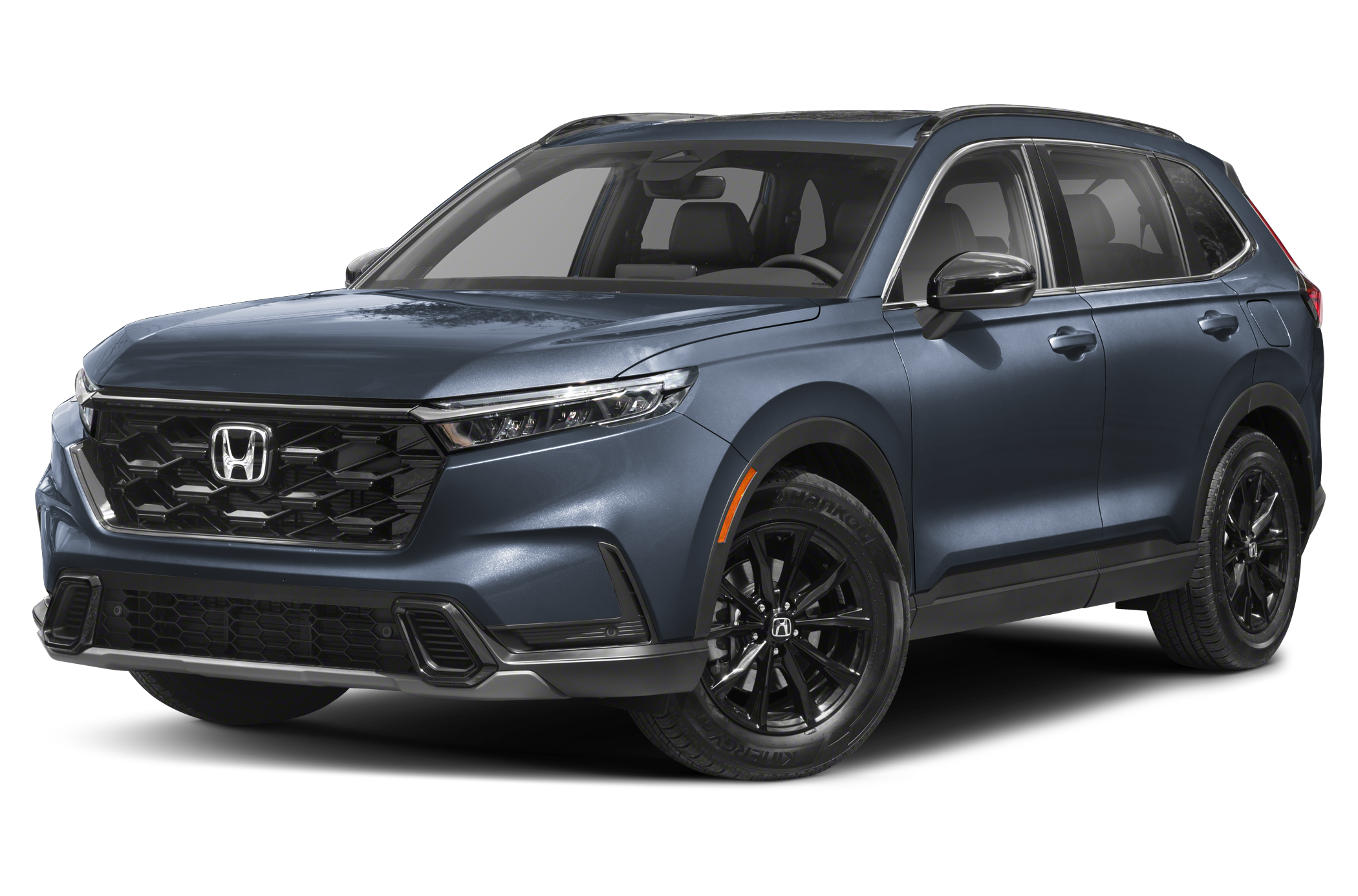
Can I modify a standard Honda hybrid for track use? Standard hybrid models, such as the CR-V Hybrid or Civic Hybrid, are engineered for efficiency and daily commuting. Modifying these vehicles for track use is discouraged, as the cooling systems and electronic control units are not designed to handle the continuous high-load demands of circuit driving.
Is the second-generation NSX considered a reliable hybrid? Yes, the second-generation NSX is generally regarded as a reliable vehicle within the supercar segment. However, owners should prepare for the unique maintenance requirements of its complex three-motor hybrid system and ensure that the vehicle has a documented history of service from certified high-performance technicians.
Why are hybrid sports cars becoming less common? Automakers are increasingly focusing their R&D efforts on either internal combustion performance (which is being phased out in many markets) or full-battery electric platforms. The middle ground—performance hybrids—requires the complexity of two propulsion systems, which adds weight and cost, often making them less competitive than lighter, simpler internal combustion vehicles or more powerful, pure-EV platforms.
What is the best alternative to a Honda hybrid sports car? Consumers currently seeking high-performance engagement from Honda are directed to the Civic Type R. While it is not a hybrid, it offers the most direct connection to the brand's motorsport heritage and current performance engineering capabilities.
Final Recommendation for Enthusiasts
If you are currently in the market for a vehicle that combines Honda’s engineering precision with high-performance characteristics, the most practical approach is to evaluate the current Civic Type R for a pure, driver-focused experience. For those set on the hybrid-performance concept, monitoring the used market for a well-maintained second-generation NSX is the only viable path. Ensure that any purchase includes a comprehensive diagnostic report of the high-voltage battery system, as this is the most critical component for long-term ownership in a performance-hybrid architecture.
Image Gallery