Is Variable Life Insurance for the Chronically Ill Worth It?
Variable life insurance is rarely the most cost-effective option for individuals already diagnosed with a chronic illness due to rigorous medical underwriting and market volatility. However, if a policy includes a robust chronic illnes...
Variable life insurance is rarely the most cost-effective option for individuals already diagnosed with a chronic illness due to rigorous medical underwriting and market volatility. However, if a policy includes a robust chronic illness rider and the policyholder can afford high premiums, it may offer unique tax-advantaged growth and "living benefits" that traditional policies lack.
Contents
Determining whether variable life insurance (VLI) is "worth it" for the chronically ill requires a sophisticated understanding of how death benefits, investment sub-accounts, and accelerated benefit riders intersect. In 2026, the life insurance landscape has shifted toward more integrated "hybrid" products, but the core mechanics of VLI remain rooted in two distinct components: a permanent death benefit and a cash value component that is invested in the stock market via sub-accounts.
For a person living with a chronic condition—defined typically as the inability to perform at least two of the six Activities of Daily Living (ADLs) or requiring substantial supervision due to cognitive impairment—the financial priority is often liquidity and certain protection. Variable life insurance, by its nature, introduces uncertainty.
The Underwriting Hurdle: Can You Even Qualify?
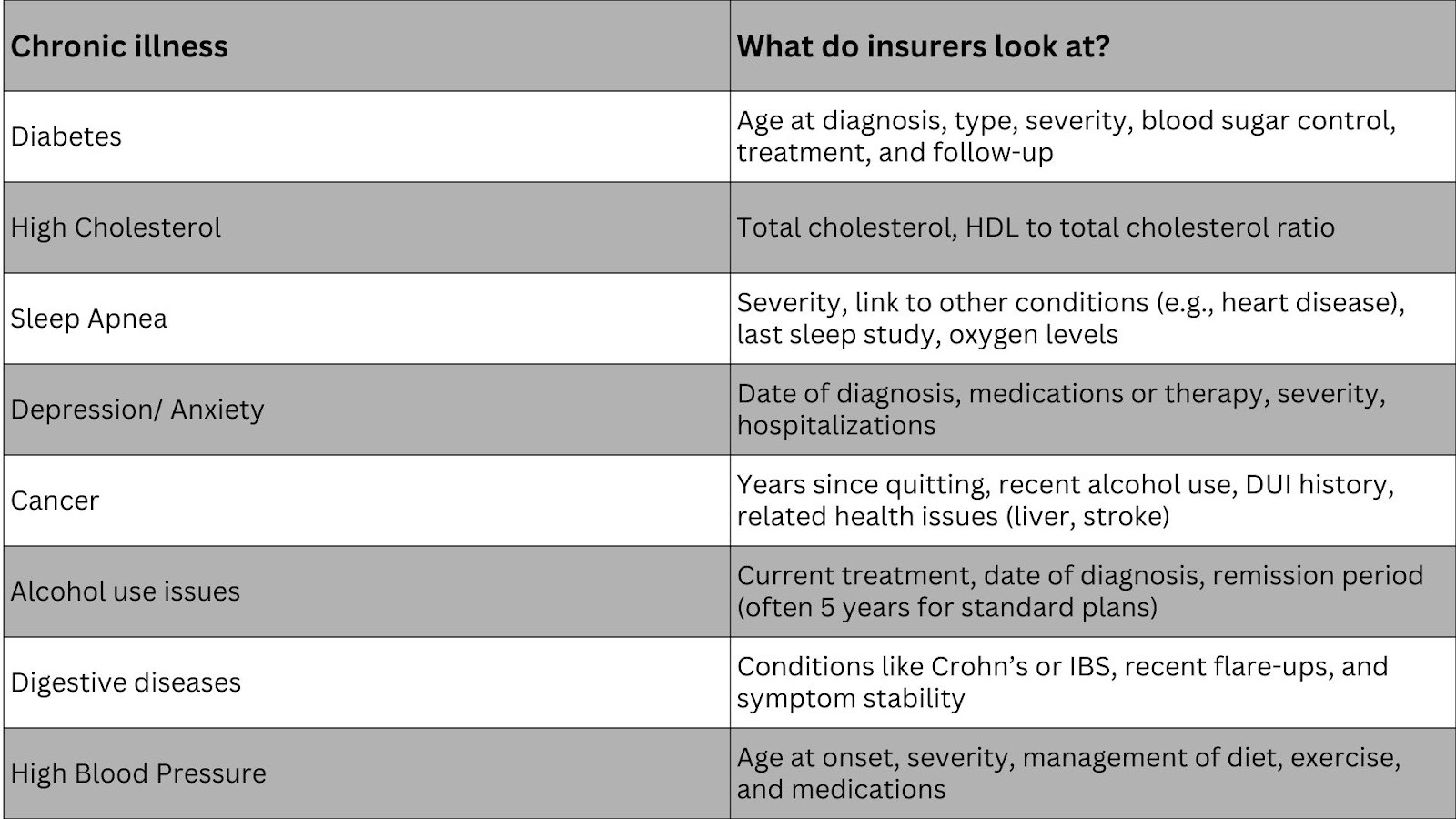
The primary obstacle for the chronically ill is the underwriting process. Variable life insurance is almost always "fully underwritten," meaning the insurance company conducts a deep dive into the applicant's medical history, current medications, and physician records.
The Impact of "Table Ratings"
When an individual with a chronic illness applies for VLI, they are rarely offered "Preferred" or even "Standard" rates. Instead, they are often "table rated." Each table rating usually adds a 25% surcharge to the base cost of insurance. For someone with a managed but chronic condition like Type 2 diabetes or early-stage multiple sclerosis, a Table 4 rating could double the cost of the insurance compared to a healthy peer.
In 2026, many insurers use automated underwriting powered by predictive analytics, which can sometimes be more clinical and less flexible than human underwriters. If the chronic illness is severe—such as advanced Parkinson’s or congestive heart failure—getting a VLI policy may be impossible, as these conditions often fall into the "decline" category for variable products.
Group Variable Universal Life (GVUL)
One exception to the underwriting hurdle is Group Variable Universal Life insurance offered through an employer. These plans often feature "guaranteed issue" amounts where an employee can obtain coverage regardless of their health status. For a chronically ill individual, a GVUL policy is almost always "worth it" because it bypasses the medical exam that would otherwise lead to a rejection in the individual market.
The Role of Chronic Illness Riders in 2026
The true value of VLI for the chronically ill often lies not in the death benefit itself, but in the Accelerated Death Benefit (ADB) for Chronic Illness. This rider allows the policyholder to access a portion of the death benefit while they are still alive to pay for care, modifications to their home, or general living expenses.
How Acceleration Works
If you have a $500,000 VLI policy with a chronic illness rider, and you are diagnosed with a qualifying condition, the insurer might allow you to "accelerate" 2% of the death benefit per month. This provides $10,000 monthly in tax-free (within IRS limits) cash.
However, there are two ways insurers handle this:
- The Lien Approach: The company charges interest on the money you take out, which is then deducted from the final death benefit paid to your heirs.
- The Discounted Approach: The company reduces the death benefit by an amount greater than the cash they give you, accounting for the "time value" of the money they are paying out early.
For a chronically ill person, this rider transforms a life insurance policy into a quasi-long-term care policy. Given that standalone long-term care insurance (LTCI) has become prohibitively expensive or difficult to obtain in 2026, this feature makes VLI more attractive than it would be on its own.
The Risk of Market Volatility for the Ill
The "Variable" in VLI refers to the fact that the cash value is tied to sub-accounts—essentially mutual funds. While this offers the potential for high returns, it also carries the risk of significant loss.
For a healthy individual with a 30-year horizon, a market downturn is a temporary setback. For a chronically ill individual who may need to access their cash value or utilize the chronic illness rider within the next 5 to 10 years, a market crash can be devastating.
If the sub-accounts perform poorly, the cash value may drop to the point where it can no longer cover the internal "cost of insurance" (COI). This is particularly dangerous for the chronically ill because their COI is already higher due to their health status. If the cash value hits zero, the policy lapses, and the individual is left with no coverage exactly when they need it most.
Comparing Variable Life to Alternatives (2026 Data)
Before committing to a VLI policy, it is essential to compare it against other permanent insurance types that might be more stable for someone with health challenges.
| Feature | Variable Life (VLI) | Whole Life Insurance | Universal Life (Guaranteed) |
|---|---|---|---|
| Cash Value Growth | Market-linked (High Risk/Reward) | Fixed interest (Stable/Low) | Minimal (Focus on death benefit) |
| Premium Flexibility | Low to Moderate | None (Fixed) | High (Flexible) |
| Underwriting Strictness | Very High | High | Moderate |
| Cost of Insurance | Increases with age | Level | Level/Structured |
| Suited For | Wealthy, risk-tolerant clients | Individuals seeking certainty | Those prioritizing the death benefit |
As shown, Guaranteed Universal Life (GUL) is often a better "pure" insurance play for the chronically ill because it focuses on keeping the death benefit active until age 121 without the risk of the policy collapsing due to market performance.
When Is It "Worth It"? (Specific Use Cases)
Despite the risks, there are specific scenarios where VLI remains a viable or even superior choice for the chronically ill in 2026:
1. The High-Net-Worth Strategy
If an individual has a chronic illness but also has a significant estate tax liability, VLI can serve as a powerful tool. The policyholder can use the sub-accounts to potentially grow the death benefit over time, providing more liquidity for heirs to pay estate taxes. Because the death benefit in VLI can grow beyond the initial face amount if the investments perform well, it acts as an inflation hedge.
2. Tax-Free Income Source
If the policyholder has already funded the VLI policy for years and then becomes chronically ill, the policy is incredibly valuable. They can take tax-free loans against the cash value to pay for medical treatments that health insurance might not cover. In this case, the "worth" was established by the early purchase, and the chronic illness simply triggers the utilization phase.
3. Supplementing Limited LTCI
If a person has a small long-term care policy that only covers two years of care, a VLI policy with a chronic illness rider can act as a "backstop." Once the LTCI benefits are exhausted, the VLI acceleration begins, providing a seamless transition of funding for home health care or assisted living.
Common Pitfalls and Troubleshooting
Individuals with chronic illnesses often make the mistake of focusing only on the potential investment gains of VLI while ignoring the "drag" of fees.
- The M&E Charge: Mortality and Expense (M&E) risk charges are higher in VLI than in other policies. For an ill person, these fees are compounded by the higher base mortality risk the insurer is taking.
- The Over-Funding Requirement: To ensure a VLI policy survives a market downturn, it often needs to be "over-funded." If a chronic illness is draining your current cash flow, you may not be able to put enough money into the policy to keep it healthy.
- Policy Loans vs. Acceleration: Taking a loan against a VLI policy reduces the death benefit and can potentially cause the policy to lapse if interest accrues too quickly. For the chronically ill, using the acceleration rider is usually safer than taking a standard policy loan.
Frequently Asked Questions
Can I get variable life insurance if I am already in a nursing home?
Generally, no. Being in a nursing home or requiring assistance with ADLs usually makes an individual "uninsurable" for variable products. At that stage, you would need to look at "Guaranteed Issue" whole life insurance, which has much lower death benefits (typically capped at $25,000 - $50,000) and no investment component.
What happens to my VLI sub-accounts if I trigger the chronic illness rider?
In most 2026 policy contracts, once you begin accelerating the death benefit, the insurer may require you to move your cash value from the aggressive sub-accounts into a "fixed account" or a "money market" sub-account. This protects the company and you from market volatility while they are paying out your living benefits.
Are the benefits from a chronic illness rider taxable?
Under current 2026 tax law (internalizing shifts from the previous decade), accelerated death benefits for the chronically ill are generally received income-tax-free, provided the insured is certified by a licensed health care practitioner as meeting the "chronically ill" definition. However, there are daily limits (per diem) on how much can be received tax-free.
Is VLI better than a standalone Long-Term Care (LTC) policy?
For someone already chronically ill, neither is easy to get. However, if you are in the early stages of a chronic condition, a VLI policy with a rider is often easier to qualify for than a standalone LTC policy, as LTC insurers have much stricter "morbidity" standards compared to "mortality" standards.
Can I switch my current VLI policy to a different one if my health declines?
No. Switching policies (a 1035 Exchange) requires a new application and new medical underwriting. If your health has declined significantly, you should almost always keep your existing policy, as you will likely not qualify for a new one at a reasonable rate.
Practical Recommendation
If you are already living with a chronic illness, Variable Life Insurance is likely not worth the risk or the cost unless you are obtaining it through a group employer plan with no medical exam. The combination of high internal fees, market volatility, and "table-rated" premiums makes the "Guaranteed Universal Life" or "Whole Life" options more predictable and secure for your family.
If you already own a VLI policy and have recently been diagnosed with a chronic illness, do not cancel it. Review your contract immediately for a chronic illness or terminal illness rider. Your priority should be to stabilize the cash value—perhaps by moving sub-account balances into more conservative fixed-interest options—to ensure the policy remains in force so you can eventually access the accelerated benefits.
Image Gallery