Mastering the Debtor Agreement: A Comprehensive Guide to Debt Settlement and Restructuring
A debtor agreement is a legally binding contract between a borrower (the debtor) and a lender (the creditor) that outlines modified repayment terms, debt reduction, or a structured settlement plan. It serves to resolve outstanding obli...
A debtor agreement is a legally binding contract between a borrower (the debtor) and a lender (the creditor) that outlines modified repayment terms, debt reduction, or a structured settlement plan. It serves to resolve outstanding obligations outside of formal bankruptcy proceedings, providing a clear roadmap for debt satisfaction while protecting the legal rights of both parties involved.
Contents
In the financial landscape of 2026, the debtor agreement remains a cornerstone of both consumer and commercial finance. Whether you are an individual struggling with personal credit or a business navigating cash flow challenges, understanding the nuances of these contracts is essential for maintaining financial viability. These agreements are not merely "payment plans"; they are sophisticated legal instruments that can permanently alter the nature of a debt, discharge liabilities, and prevent the escalation of legal action or foreclosure.
The Essential Components of a Valid Debtor Agreement
To be enforceable and effective, a debtor agreement must contain specific legal elements. While templates are available, the complexity of modern financial regulations in 2026 requires a high degree of precision in how these clauses are drafted.
Identification of Parties and the Underlying Debt
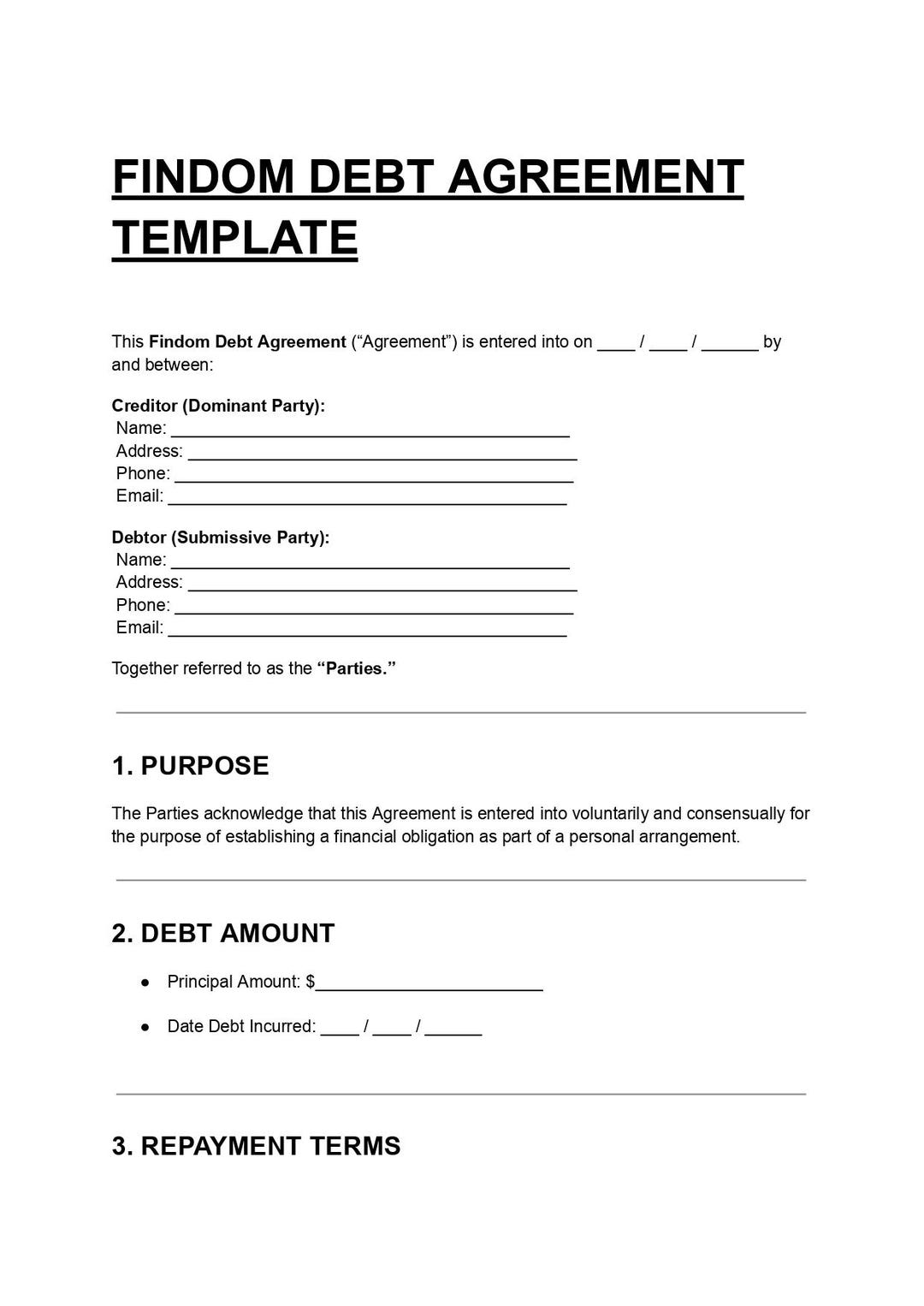
The agreement must clearly identify the legal names of the debtor and the creditor. Furthermore, it must specify the exact debt being addressed. This includes the original account numbers, the date the debt was incurred, and the current balance including accrued interest and fees. This section is often referred to as the "Recitals," providing the historical context of the obligation before the new terms are introduced.
The "Settled" Amount and Consideration
One of the most critical aspects of a debtor agreement is the "consideration." In legal terms, this is something of value exchanged between the parties. In a debt settlement context, the debtor typically agrees to pay a specific sum (the settlement amount), which is often less than the total owed, in exchange for the creditor releasing them from the remainder of the balance. The agreement must state whether the payment will be a one-time "lump sum" or a series of installments.
Release of Claims
A robust debtor agreement includes a "Release of Claims" clause. This prevents the creditor from taking future legal action against the debtor for the specific debt once the terms of the agreement are met. Without this clause, a debtor might find themselves vulnerable to secondary collection efforts or lawsuits even after they believe the matter has been settled.
Default Clauses and Consequences
The agreement must outline what happens if the debtor fails to meet the new terms. Usually, a "reversion" clause is included, stating that if the debtor misses a payment, the original debt amount (minus any payments made) becomes due immediately, and the settlement offer is voided. This provides the creditor with security while incentivizing the debtor to remain compliant.
Common Types of Debtor Agreements
Not every debtor agreement serves the same purpose. Depending on the financial situation, parties may choose between several different structures.
1. Debt Settlement Agreement (Lump Sum)
This is the most common form of agreement for severely delinquent accounts. The debtor offers a single payment—often ranging from 30% to 60% of the total balance—to close the account permanently. Creditors often accept this when they believe the cost of continued collection or legal action exceeds the potential recovery.
2. Debt Restructuring or Extension Agreement
In commercial finance, restructuring is more common than outright settlement. Here, the principal remains the same, but the terms are changed to make repayment feasible. This might involve lowering the interest rate, extending the maturity date, or allowing for "interest-only" payments for a set period. This is frequently used by businesses experiencing temporary liquidity issues.
3. Forbearance Agreements
A forbearance agreement is a temporary measure where the creditor agrees to pause or reduce payments for a specific window (e.g., six months). During this time, the creditor promises not to exercise their right to foreclose or sue. This is common in mortgage lending and large corporate credit facilities where the debtor needs breathing room to sell assets or secure new financing.
The Negotiation Process: Strategic Steps for 2026
Negotiating a debtor agreement is a delicate process that requires transparency and strategic communication. Following a structured approach can significantly improve the chances of a favorable outcome.
Step 1: Financial Disclosure and Hardship Verification
Before a creditor considers a reduction in debt, they will usually require proof of financial hardship. This involves providing bank statements, tax returns, and a detailed budget. In 2026, many institutional creditors use automated risk assessment tools to verify these documents. Being honest and thorough here is vital; any perceived deception can end negotiations immediately.
Step 2: The Initial Proposal
The debtor should initiate the offer in writing. This proposal should clearly state the proposed settlement amount or the new repayment schedule and explain why this is the best possible outcome for the creditor. For example, a debtor might argue that the proposed settlement is higher than what the creditor would receive if the debtor filed for Chapter 7 or Chapter 13 bankruptcy.
Step 3: Formalizing the Contract
Once verbal or email agreement is reached, it must be codified into a formal written document. This is where many individuals make mistakes by relying on "handshake deals" or informal email chains. A formal debtor agreement should be reviewed by legal counsel to ensure it complies with local statutes and that the "Release of Claims" is ironclad.
Legal and Tax Implications of Debt Forgiveness
It is a common misconception that settling a debt for less than what is owed is a "free" gain. There are significant legal and tax ramifications that must be understood before signing an agreement.
Taxable Income (1099-C)
In many jurisdictions, including the United States, the amount of debt forgiven by a creditor is considered "taxable income" by the IRS. For instance, if you settle a $20,000 debt for $10,000, the $10,000 difference may be reported on Form 1099-C (Cancellation of Debt). You may be required to pay income tax on that $10,000 unless you can prove "insolvency" at the time of the settlement.
Credit Score Impact
Signing a debtor agreement will have an immediate impact on your credit report. While it is generally better than a bankruptcy or an outstanding default, a settled debt is often marked as "Settled for less than full balance." This can lower credit scores in the short term, though it allows for the rebuilding process to begin sooner by resolving the delinquency.
The "Statute of Limitations" Warning
In some cases, making a partial payment as part of a debtor agreement negotiation can "restart the clock" on the statute of limitations for the debt. If you are negotiating a very old debt, consult with a legal professional to ensure you are not inadvertently reviving a creditor's right to sue you for the full amount.
Comparing Debt Resolution Strategies
Choosing the right path depends on your total debt load, income, and long-term financial goals.
| Feature | Debt Settlement Agreement | Debt Restructuring | Bankruptcy (Chapter 7/13) |
|---|---|---|---|
| Primary Goal | Reduce total principal owed | Change payment timing/rate | Legal discharge of most debts |
| Credit Impact | Moderate to High (Negative) | Low to Moderate | Severe (Negative) |
| Cost | Lump sum or short-term plan | Long-term interest payments | Legal and filing fees |
| Creditor Consent | Required | Required | Not required (Court ordered) |
| Tax Impact | Forgiven debt may be taxable | Usually none | None |
| Best For | Delinquent consumer/biz debt | Businesses with cash flow gaps | Severe, unmanageable insolvency |
Practical Expert Guidance for 2026
As we navigate the economic environment of 2026, the use of digital platforms for debt management has become standard. Many creditors now offer "settlement portals" where debtors can negotiate directly with AI-driven systems. While efficient, these systems are programmed to maximize the creditor's recovery.
Pro Tip: If you are using a digital portal, do not accept the first offer generated by the system. These portals often have a "negotiation range" built into their logic. If the system offers a 20% discount, declining and providing a reason for hardship may trigger a 30% or 40% offer in a subsequent round.
Furthermore, ensure that all payments made under the agreement are traceable. Avoid paying via cash or untraceable money orders. Use bank transfers or certified checks and keep a permanent digital record of the cleared payment and the final "Satisfaction of Debt" letter from the creditor.
Frequently Asked Questions
Does a debtor agreement stop collection calls?
Yes, once a formal agreement is signed and the initial payment is made, the creditor and their associated collection agencies must cease all collection efforts. If the agreement is being negotiated through a third-party debt settlement company, the calls may continue until the settlement is finalized, though certain consumer protection laws, such as the Fair Debt Collection Practices Act (FDCPA), still apply to prevent harassment.
Can a creditor back out of a debtor agreement?
A creditor cannot unilaterally back out of a signed agreement as long as the debtor is in full compliance with the terms. However, if the debtor misses a payment deadline by even a single day, most agreements contain a "time is of the essence" clause that allows the creditor to void the agreement and pursue the original, full balance.
Is it necessary to hire a lawyer to draft a debtor agreement?
While not strictly required for simple personal loans or small credit card settlements, legal counsel is highly recommended for large sums, business debts, or complex restructuring. A lawyer ensures that the language used effectively discharges the debt and that there are no hidden "confession of judgment" clauses that would allow the creditor to seize assets without a court hearing in the event of a default.
How long does a "settled" status stay on a credit report?
In most cases, a debt marked as "settled" will remain on a credit report for seven years from the date the account first became delinquent. However, the negative impact on a credit score diminishes over time, especially if the debtor maintains a clean payment history on other accounts after the settlement is finalized.
Can I settle a debt that is already in judgment?
Yes, you can negotiate a debtor agreement even after a court has issued a judgment against you. Creditors are often willing to settle post-judgment because actually collecting on a judgment (through wage garnishment or asset seizure) can be difficult, time-consuming, and expensive. A post-judgment agreement should include a "Vacation of Judgment" or a "Satisfaction of Judgment" filed with the court.
Final Recommendation
Before entering into a debtor agreement, perform a total audit of your liabilities and liquid assets. A settlement is only effective if you have the funds to complete the payment terms. If you find that you cannot afford even a reduced settlement, exploring professional credit counseling or bankruptcy may be more appropriate. However, for those with the means to make a lump-sum payment or a structured short-term plan, a well-drafted debtor agreement is the most efficient way to close a chapter of financial distress and begin the process of recovery in 2026.
Image Gallery