Farm Chic Dress Code Explained: A Comprehensive Style Guide
Farm chic is a versatile, semi-formal aesthetic that balances rustic comfort with elevated, sophisticated tailoring. It is a popular dress code for outdoor weddings, upscale barn events, and vineyard gatherings, requiring a blend of na...
Farm chic is a versatile, semi-formal aesthetic that balances rustic comfort with elevated, sophisticated tailoring. It is a popular dress code for outdoor weddings, upscale barn events, and vineyard gatherings, requiring a blend of natural textures, breathable fabrics, and practical footwear choices that transition seamlessly from grass to polished wood floors.
Contents
The term "farm chic"—often used interchangeably with "rustic elegant" or "elevated country"—is designed to bridge the gap between high-fashion refinement and the rugged, unpredictable environment of an agricultural or pastoral setting. Unlike a formal black-tie event or a strictly casual backyard barbecue, this dress code acknowledges the setting while demanding a thoughtful level of presentation. The goal is to appear polished without looking out of place amidst hay bales, stone pathways, or open fields.
Understanding the Aesthetic Foundations
To master farm chic, you must consider the environment. These events usually take place on uneven terrain, such as grass, gravel, or dirt, which makes footwear a critical component. Furthermore, the atmosphere is inherently relaxed, yet the designation of "chic" implies that effort has been invested in your appearance.
The fabric choices should favor natural materials over stiff, synthetic, or highly delicate textiles. Linen, light cotton blends, chambray, eyelet lace, and soft wools are staples of the look. These fabrics age gracefully and hold up better in open-air conditions than heavy silks or sequins, which can feel jarring against a natural, pastoral backdrop.
Dress Code Expectations for Women
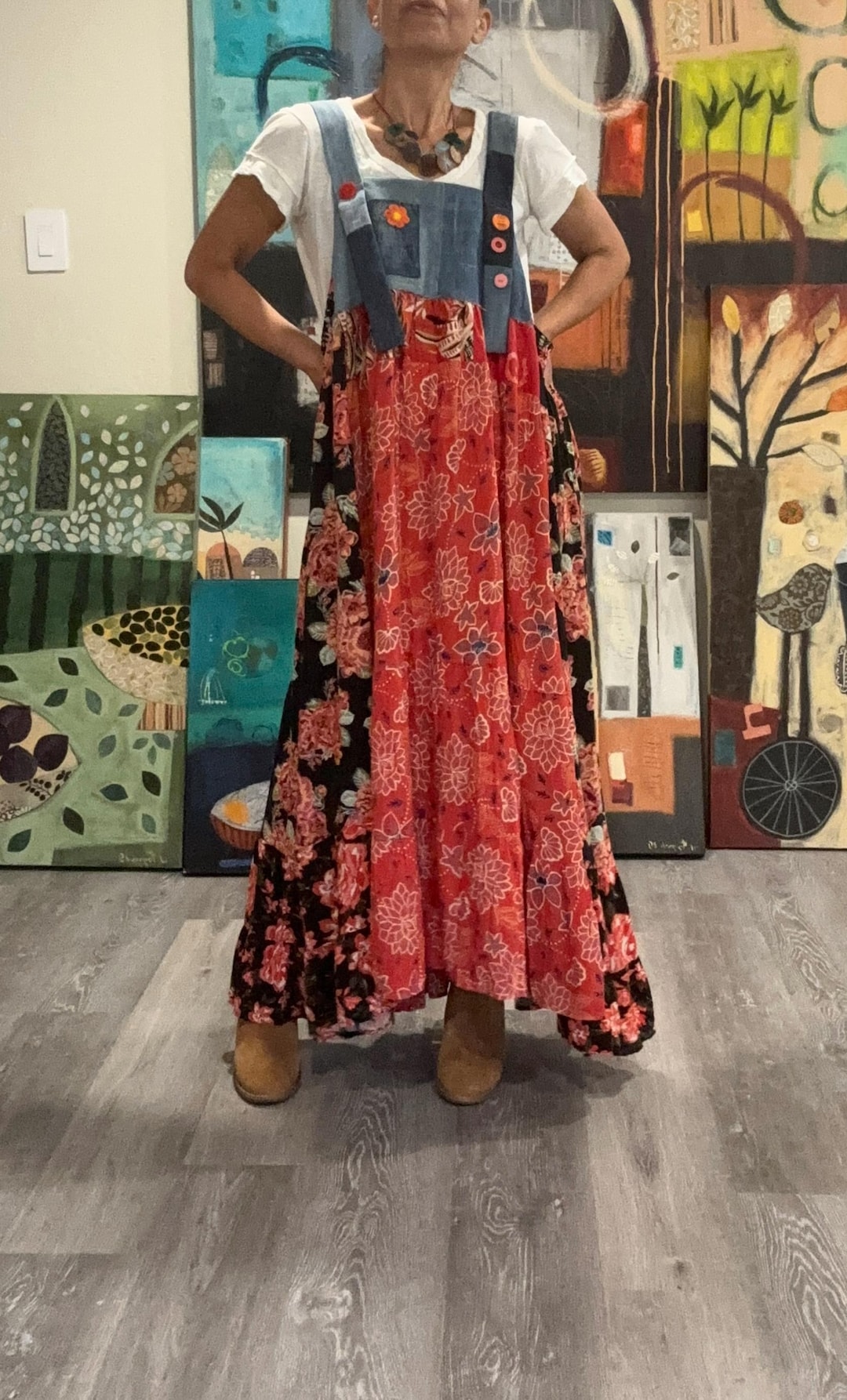
For women, the farm chic aesthetic centers on comfort and flow. Hemlines can vary, but mid-length (midi) or maxi dresses are generally the safest and most flattering choices. These lengths provide movement and elegance while ensuring you remain covered and comfortable if the breeze picks up or if you are navigating a staircase in a barn.
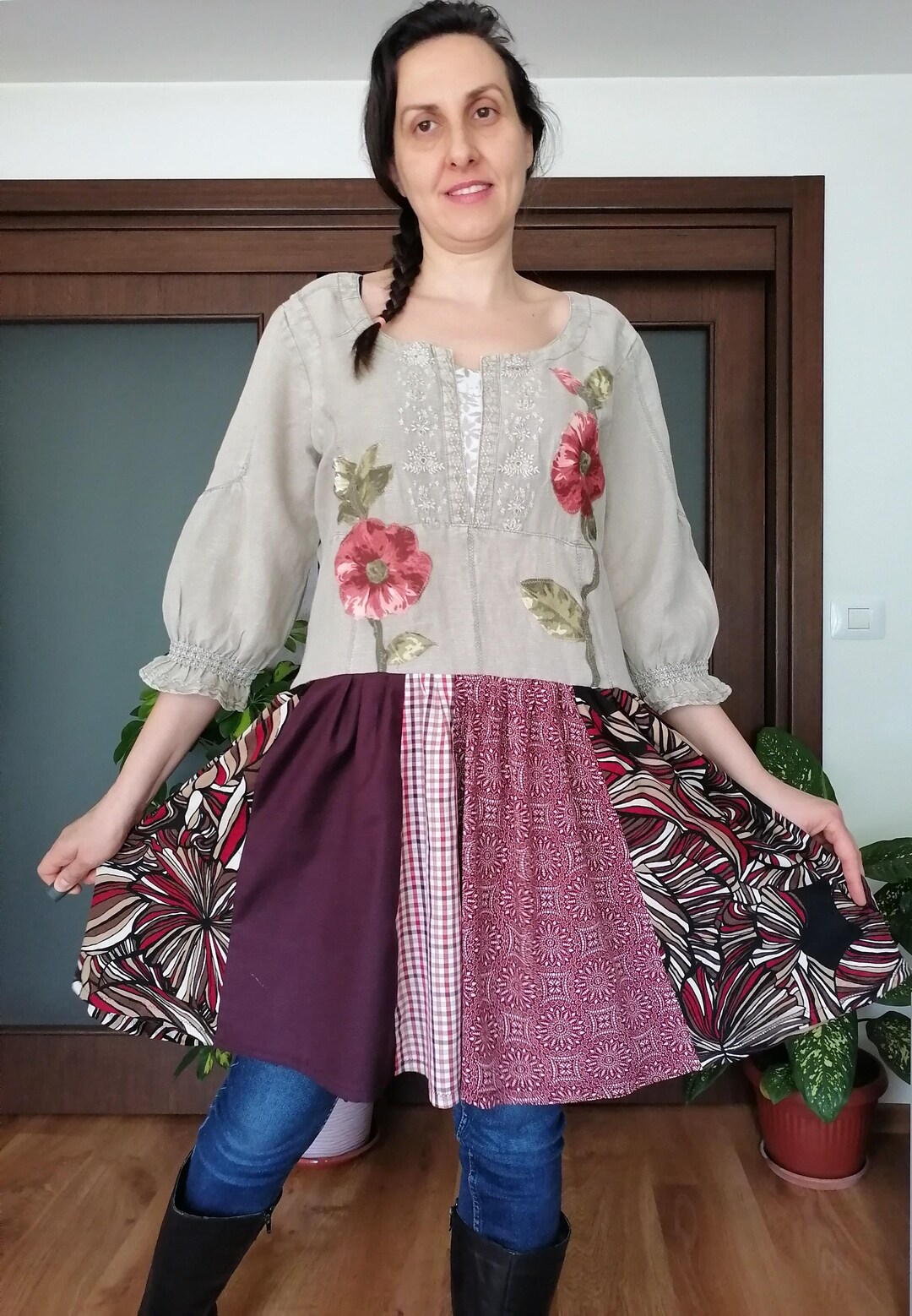
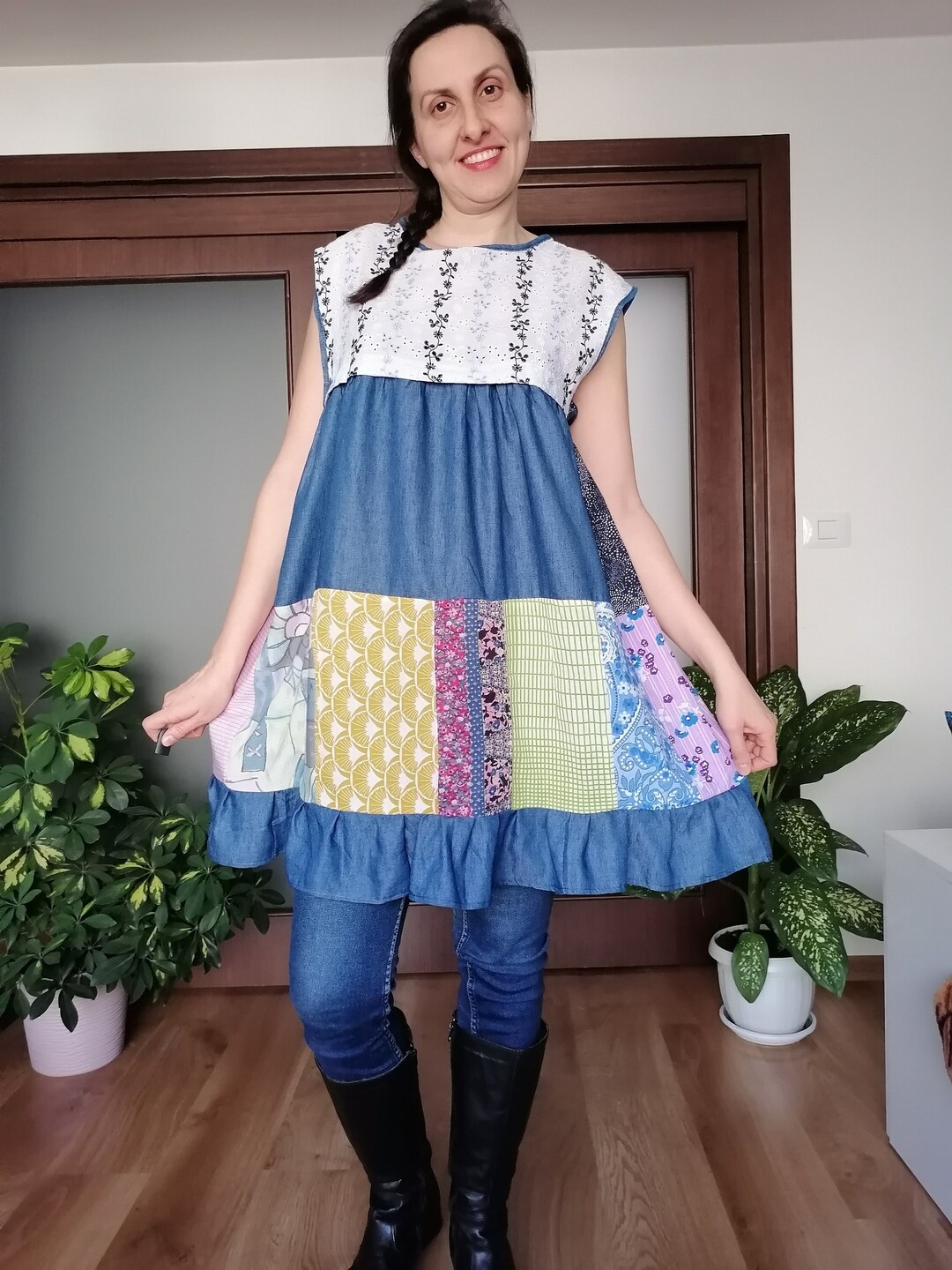
- Fabric and Prints: Look for floral prints, soft pastels, or earthy tones like sage green, terracotta, dusty blue, or cream. Avoid neon colors or high-contrast, aggressive patterns. Subtle ruffles, lace overlays, or tiered skirts add a romantic, rustic touch.
- The Footwear Factor: Stilettos are strongly discouraged, as they will sink into soft ground. Opt for block heels, wedges, or dressy flats. Leather ankle boots are also a quintessential farm chic staple, particularly if they are clean and well-kept.
- Layering: Since farm-based events often occur outdoors, temperatures can fluctuate significantly from day to night. Incorporate a tailored denim jacket, a light pashmina, or a structured cardigan to provide warmth without compromising the style.
Dress Code Expectations for Men
Men’s fashion within the farm chic category moves away from the traditional tuxedo or dark business suit, favoring a more relaxed yet structured silhouette. The objective is to look professional but accessible.
- Suiting and Separates: A full suit is usually unnecessary unless specified as "farm formal." A better approach is the use of separates. A navy or charcoal blazer paired with chinos in tan, olive, or grey creates an ideal balance.
- Shirts and Ties: A crisp button-down shirt is the standard. Whether you choose to wear a tie is largely dependent on the specific event’s level of formality. A knit tie or a bow tie can add a touch of personality without looking too stiff. If the event is more casual, an open-collar shirt is perfectly acceptable.
- Footwear: Leather loafers, brogues, or clean suede desert boots are excellent choices. Avoid athletic sneakers or heavily distressed work boots unless the event specifically calls for a "work-wear" aesthetic.
- Accessories: This is the perfect setting for more rugged accessories. Leather belts that match your footwear, classic watches with leather straps, and even pocket squares with subtle, non-geometric patterns work well to elevate the ensemble.
Comparison of Event Dress Codes
Understanding how farm chic compares to other common dress codes helps in gauging the level of effort required.
| Dress Code | Primary Focus | Footwear Constraints | Fabric Expectations |
|---|---|---|---|
| Farm Chic | Elevated Rustic | Block heels, boots, flats | Linen, cotton, wool, lace |
| Business Casual | Professional/Office | Loafers, modest pumps | Synthetic blends, poplin |
| Black Tie | Formal/Ceremonial | High heels, patent leather | Silk, velvet, high-shine |
| Casual | Maximum Comfort | Sneakers, sandals | Denim, jersey, fleece |
Practical Considerations and Troubleshooting
One of the greatest challenges of a farm-based event is the variable nature of the terrain. If the invitation states the event is taking place in a field, avoid long, trailing hems that will collect dirt and grass stains. A midi-length skirt is significantly more practical.
Another point of contention is the weather. If the forecast suggests rain or morning dew, avoid suede footwear as it absorbs moisture and can be easily ruined. Choose leather or treated synthetic materials that are easier to clean. If you are worried about the cold, prioritize layers that can be easily removed and stored rather than one heavy, cumbersome coat that you will have to carry for the duration of the evening.
When in doubt, it is always better to be slightly overdressed than underdressed. If the venue is a high-end barn conversion with amenities, lean toward the "chic" side of the spectrum. If the venue is an active working farm, lean toward the "farm" side by incorporating more durable, structured pieces.
Frequently Asked Questions
Does farm chic mean I should wear denim? Generally, avoid standard blue jeans. If you choose to wear denim, ensure it is dark-wash, tailored, and free of rips or distressing. A denim jacket, however, is a classic, acceptable layering piece for both men and women.
Can I wear a sun hat? A stylish, wide-brimmed straw hat is appropriate for daytime farm chic events, especially in summer. It serves both a functional purpose—sun protection—and adds to the pastoral aesthetic. Ensure it is not so large that it obstructs the view of other guests.
What if the event is at night? Evening farm chic invites more sophisticated fabric choices. You might opt for darker colors or slightly heavier fabrics like velvet or heavier cotton twill. Add more structured accessories to signal that the event has transitioned from daytime informality to an evening celebration.
Is a tie required for men? A tie is optional but recommended if you want to elevate your look. If you decide against a tie, ensure your button-down shirt is well-pressed and fits perfectly. A pocket square can serve as an excellent alternative to a tie to provide a sense of completeness to your outfit.
What is the best way to determine the specific level of formality? The venue and the nature of the event are your best clues. A wedding in an upscale vineyard is naturally more formal than a birthday party at a family-run orchard. Check the invitation for any specific language like "casual," "formal," or "dressy" to refine your interpretation.
Final Recommendation
To master the farm chic dress code in 2026, focus on the marriage of function and form. Invest in a pair of high-quality, comfortable leather boots or block-heeled shoes, as these will be your best assets in navigating outdoor event spaces. Select breathable natural fibers, and lean into earthy, muted color palettes. By curating an outfit that is physically suited for a rustic environment but tailored with intentionality, you will strike the perfect balance between style and substance.
Image Gallery