The Precise Runtime and Historical Context of Star Wars: A New Hope
The theatrical run-time of Star Wars: Episode IV – A New Hope, originally released in 1977, is officially documented as 121 minutes, or two hours and one minute. This duration accounts for the primary narrative experience, though varia...
The theatrical run-time of Star Wars: Episode IV – A New Hope, originally released in 1977, is officially documented as 121 minutes, or two hours and one minute. This duration accounts for the primary narrative experience, though variations exist based on specific technical releases, digital restorations, and the inclusion of updated special effects sequences introduced in subsequent decades.
Contents
Understanding the Runtime Specification
When discussing the length of A New Hope, it is essential to distinguish between the original 1977 theatrical cut and the various versions released for home video, television, and digital distribution. The 121-minute figure is the industry-standard runtime cited by Lucasfilm and the Academy of Motion Picture Arts and Sciences.
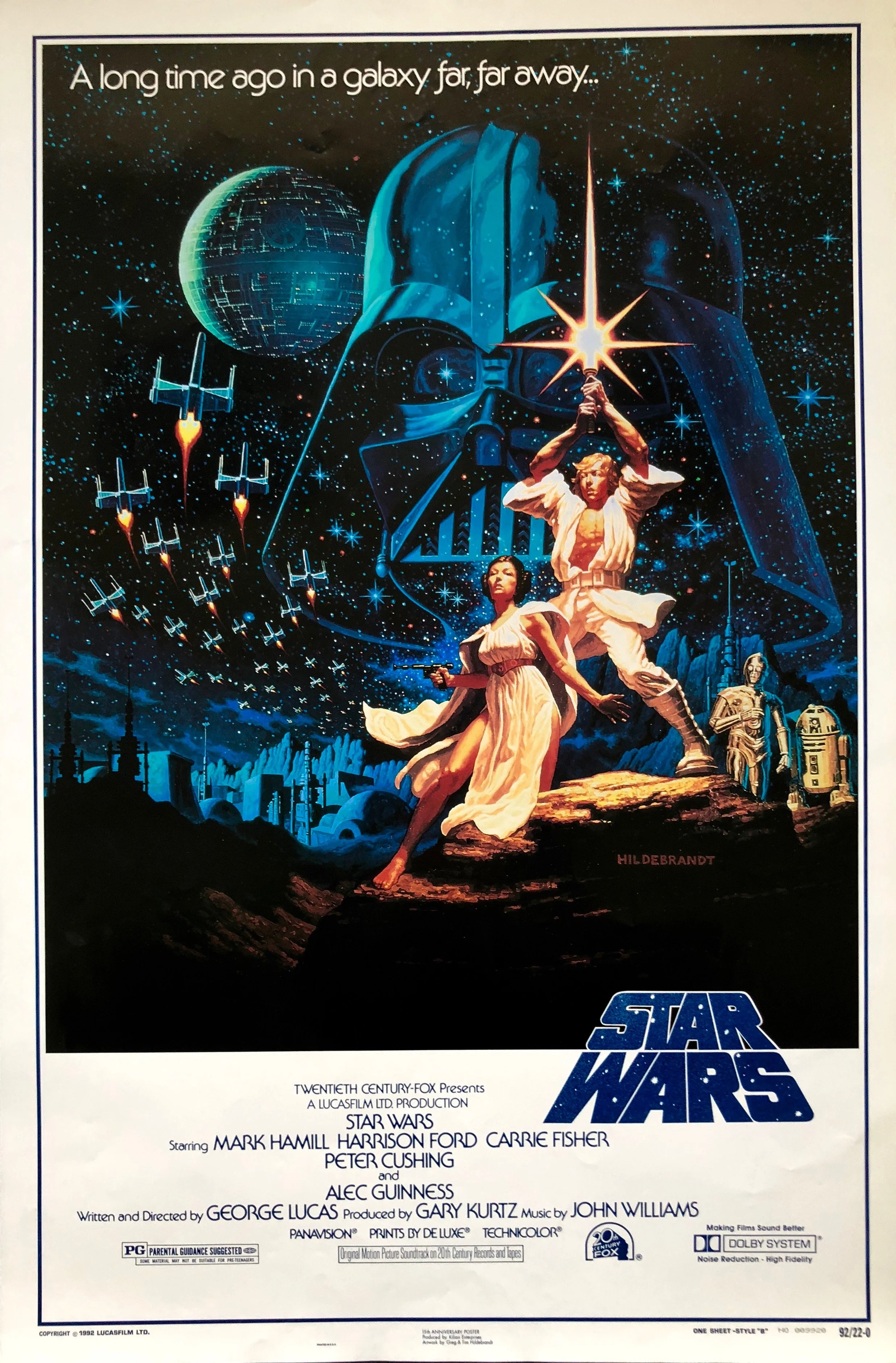
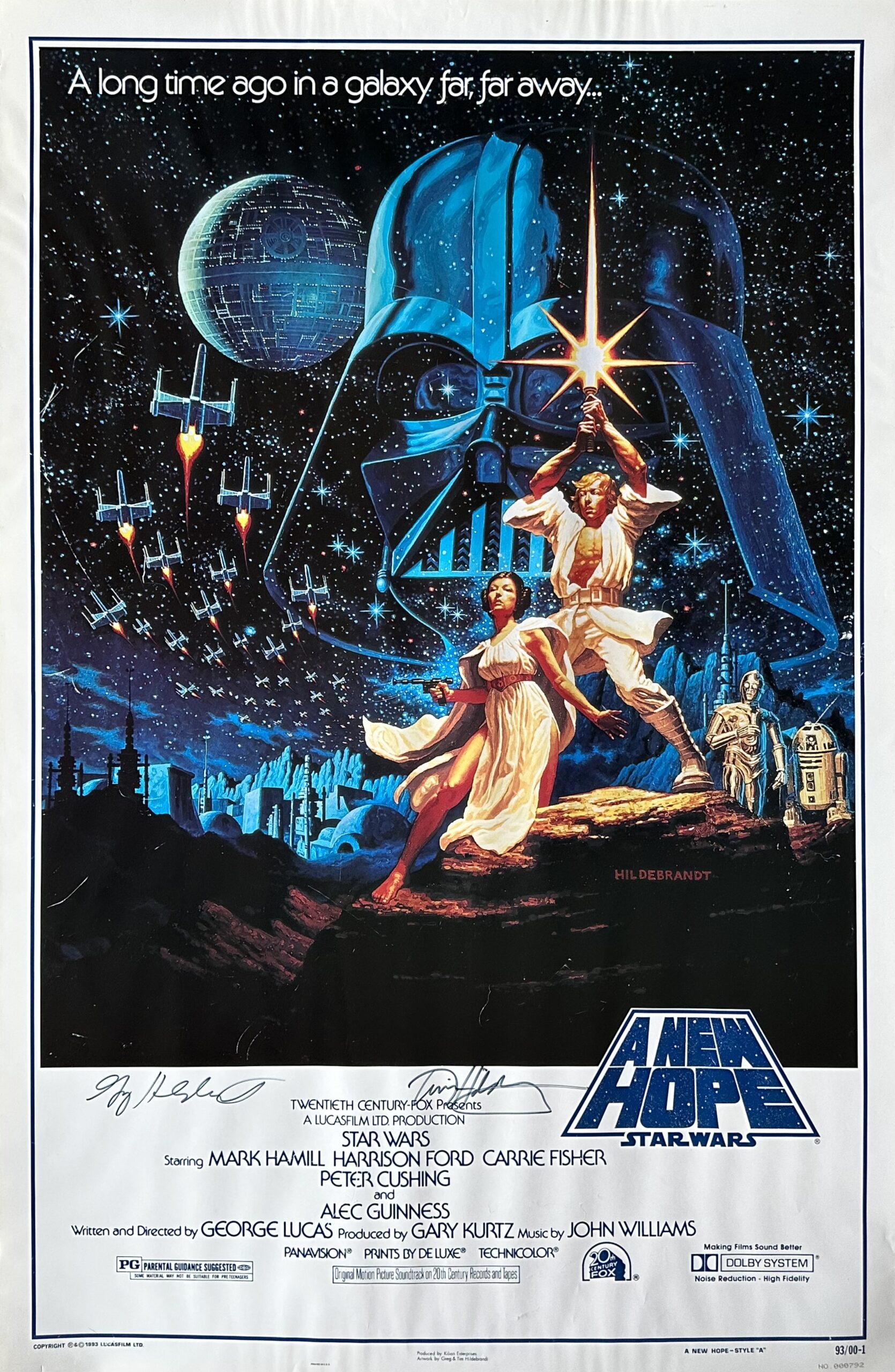
While some modern digital databases may list the runtime slightly differently—sometimes ranging from 120 to 125 minutes—these discrepancies often arise from the inclusion or omission of localized distribution studio logos, different formatting of opening crawl pacing, or the duration of the closing credits, which were updated during various re-releases. The core narrative content, from the opening "A long time ago in a galaxy far, far away..." title card to the final shot of the medal ceremony, remains consistent across the foundational releases.
Evolution of the Film Through Re-releases
The perceived "length" of the film has occasionally shifted in public discourse due to the "Special Edition" release in 1997. George Lucas famously revisited the original trilogy to incorporate new visual effects, sound design enhancements, and previously cut scenes, such as the conversation between Han Solo and Jabba the Hutt in Mos Eisley.
These additions slightly extended the runtime compared to the 1977 print. However, the film is not categorized as a "director’s cut" in the traditional sense where the primary runtime is radically altered. Instead, the pacing of the film remains governed by the original 1977 edit by Paul Hirsch, Richard Chew, and Marcia Lucas. The structural integrity of the film’s duration was a critical component of its 1977 success, as the tight 121-minute pacing was instrumental in building the tension required for the Battle of Yavin.
Comparative Runtime Metrics
To provide context for how A New Hope compares to other entries in the original trilogy and the broader franchise, one must look at the standard release versions. The following table illustrates the official runtimes for the original Star Wars trilogy as they are widely cataloged in film archives.
| Film Title | Release Year | Official Runtime |
|---|---|---|
| Star Wars: A New Hope | 1977 | 121 Minutes |
| The Empire Strikes Back | 1980 | 124 Minutes |
| Return of the Jedi | 1983 | 131 Minutes |
The relatively concise runtime of A New Hope compared to its successors is often attributed to the necessity of establishing an entirely new universe, complex lore, and multiple character arcs within a single, self-contained story. While The Empire Strikes Back and Return of the Jedi expanded the scope of the galaxy, the 121-minute limit of the first film forced an economy of storytelling that remains a case study for screenwriters today.
Technical and Distribution Factors
When viewing the film in 2026, audience members may notice minor fluctuations in the "length" depending on the platform. Streaming services and digital retailers sometimes append different versions of the film (e.g., the 2004 DVD master versus the 2011 Blu-ray or 4K UHD restoration).
- Restoration Credits: Modern 4K digital transfers often include updated studio logos and updated metadata headers, which can shift the file length by a few seconds.
- Frame Rates: The film was shot at 24 frames per second (fps). When digitized for modern high-definition displays, the conversion to different frame rates (such as 23.976 fps used for NTSC standards) can result in a negligible time difference, often less than a second, which is imperceptible to the average viewer.
- Closing Credits: The length of the credits has occasionally been altered in television broadcasts to accommodate network advertising requirements or to conform to faster scrolling speeds, which may lead viewers to believe the film is shorter than the theatrical version.
The Impact of Pacing on Narrative Structure
The 121-minute length is not merely a technical statistic; it is a structural necessity of the film’s "Hero’s Journey" narrative. The first act focuses on the introduction of Luke Skywalker on Tatooine, taking approximately 30 to 40 minutes. The second act covers the journey to the Death Star, and the third act comprises the rescue and the final assault.
The decision to keep the film under two hours and 15 minutes ensured that the stakes of the final trench run remained immediate. If the film were significantly longer, the pacing of the final act would have risked diluting the urgency of the Rebel Alliance's predicament. Critics and film historians often point to the precise editing of the final 20 minutes as a masterclass in tension, demonstrating how a rigid runtime can serve as a narrative tool rather than a restrictive boundary.
Frequently Asked Questions
Does the length of A New Hope include the post-credits sequence? No, A New Hope does not feature a post-credits scene. The film concludes with the end music and scrolling credits. The 121-minute runtime covers the entirety of the production from the opening Fox fanfare and Lucasfilm logo to the end of the technical credits.
Is there a version of the film that is significantly longer? There is no "Extended Cut" or "Director's Cut" that adds substantial new scenes beyond those integrated during the 1997 Special Edition. Rumors of a "lost" three-hour cut from the original 1977 edit persist in fan circles, but there is no verifiable evidence of such a version existing in any public archive or official Lucasfilm release.
Does the 2026 digital remaster affect the film's duration? The digital remasters available as of 2026 use the same core source material as the previous high-definition home video releases. While digital compression and encoding can impact the file size, the runtime remains consistent with the established 121-minute standard.
How does the runtime affect the theatrical experience today? For modern screenings or re-releases in 2026, the 121-minute duration is considered ideal for cinema programming. It fits well within standard screening blocks, allowing theaters to balance showtimes, cleaning, and patron turnover without requiring the extended intermissions often needed for longer epics.
Final Recommendation for Viewers
If you are planning a screening or a personal viewing, allocate at least 125 minutes to account for the film’s runtime plus time for title cards and studio startup sequences. If you are comparing versions for a collection, the most accurate runtime for a standard, high-quality viewing experience will always be anchored to the 121-minute theatrical designation. For archival research, prioritize the 1977 theatrical cut runtime over any later editions that may include additional frame processing or updated digital logos.
Image Gallery