Fantastic Four Spoilers Revealed in the New Film: What We Know About Marvel's First Family
Marvel's First Family is finally making their long-awaited entry into the established cinematic universe, bringing with them a wave of narrative leaks, character details, and world-building shifts that are reshaping fan expectations. A...
Marvel's First Family is finally making their long-awaited entry into the established cinematic universe, bringing with them a wave of narrative leaks, character details, and world-building shifts that are reshaping fan expectations. As anticipation reaches a fever pitch, understanding what has been officially disclosed versus what remains in the realm of speculation helps frame the true scope of the project.
Contents
Understanding the New Cinematic Direction for Marvel's First Family
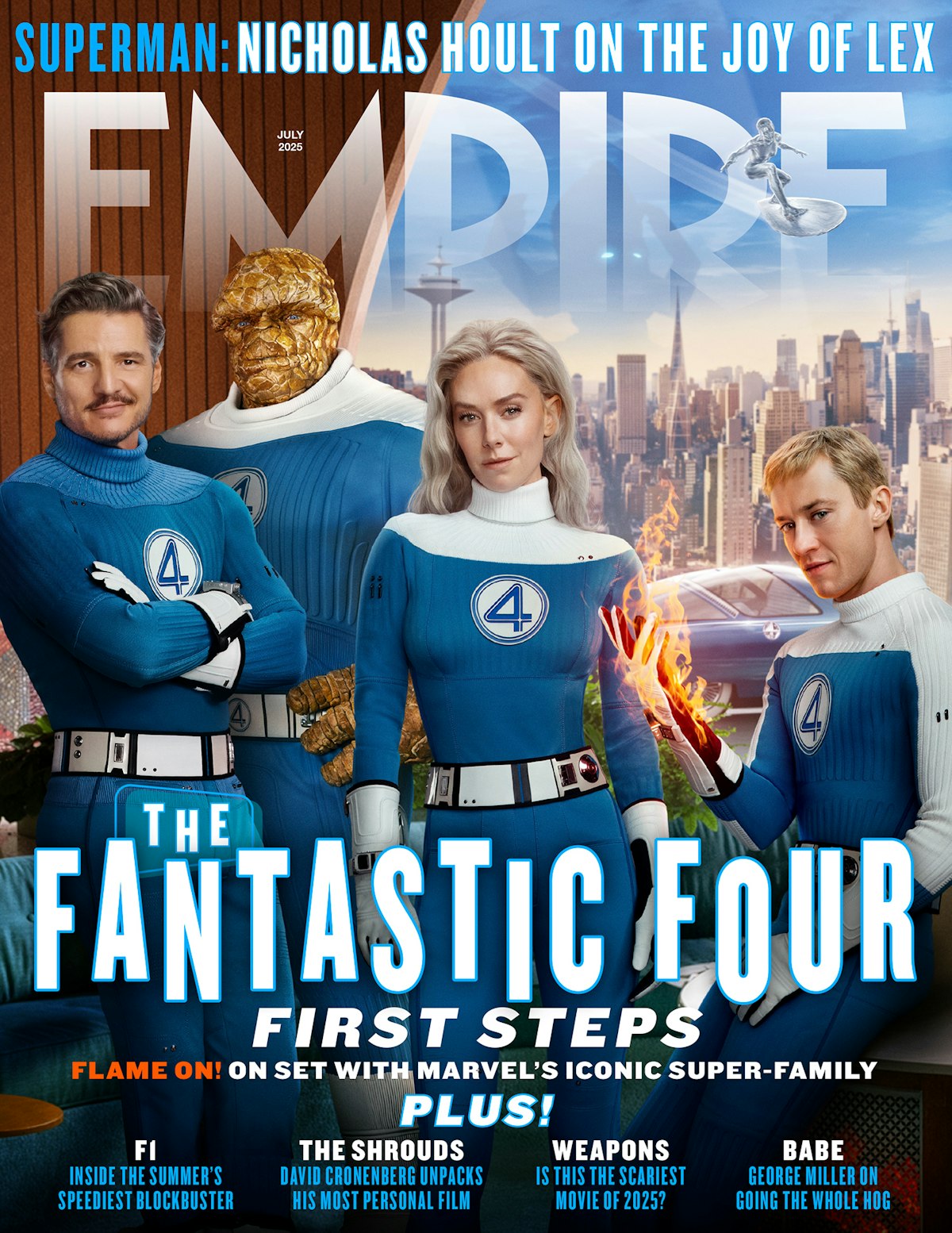
The journey of bringing the Fantastic Four into a cohesive, modern storytelling framework has been one of the most closely monitored developments in modern entertainment. Previous adaptations faced distinct challenges in tone, pacing, and visual execution, leaving audiences eager for a definitive cinematic iteration. When analyzing the narrative leaks and production details surrounding the new film, several core elements stand out regarding how the studio intends to handle Reed Richards, Sue Storm, Johnny Storm, and Ben Grimm.
Rather than relying on a traditional modern-day origin story set in present-day New York City, production insights and leaked plot beats point toward a distinct period-piece aesthetic. This stylistic choice immediately separates the project from contemporary superhero adventures, establishing a retro-futuristic backdrop that mirrors the 1960s technological optimism and Cold War anxiety of the original comic book run by Stan Lee and Jack Kirby.
The Retro-Futuristic Setting and Aesthetic Choices
By anchoring the narrative in an alternate-timeline 1960s environment, the creative team gains unique storytelling leverage. This setting is not merely a superficial visual coat of paint; it fundamentally alters how the characters interact with their environment, government agencies, and the broader cosmos.
- The Production Design: Concept art and set descriptions highlight mid-century modern architecture blended with advanced, vacuum-tube-era futuristic gadgets.
- Societal Context: The social climate of the mid-20th century provides a narrative friction that contrasts sharply with the team's cosmic-level abilities.
- Technological Baseline: Reed Richards' inventions reflect a tactile, analog-meets-quantum aesthetic rather than sleek, contemporary touchscreen interfaces.
This aesthetic commitment allows the production to bypass common franchise fatigue by offering a visual texture that feels distinct from everything else in the current cinematic landscape.
Core Narrative Leaks and Character Dynamics
Discussions surrounding plot leaks often focus on specific character introductions and antagonist reveals. Within the context of the new film, the narrative structure appears heavily focused on establishing family bonds before introducing catastrophic cosmic threats.
Reed Richards and Sue Storm: Intellectual Partnership
The dynamic between Reed Richards (Mr. Fantastic) and Sue Storm (The Invisible Woman) serves as the emotional anchor of the narrative. Leaked script details indicate that the film bypasses the standard "how they met" phase, presenting them as an established, brilliant scientific partnership navigating both academic pressures and unprecedented cosmic phenomena.
- Scientific Authority: Reed is depicted not just as a flexible scientist, but as a visionary whose theories push the boundaries of theoretical physics in their universe.
- Family Leadership: Sue acts as the stabilizing force, balancing Reed's obsessive intellect with pragmatic leadership and emotional intelligence.
Johnny Storm and Ben Grimm: Contrast and Loyalty
The secondary dynamic between Johnny Storm (The Human Torch) and Ben Grimm (The Thing) provides the film's primary source of interpersonal friction and humor.
- Johnny Storm: Portrayed as a confident, high-energy figure who revels in the public attention brought by their abilities.
- Ben Grimm: The tragic heart of the team, dealing with the profound physical transformation of becoming a stone-skinned behemoth while maintaining his core humanity and loyalty to his surrogate family.
| Character | Primary Ability | Narrative Role | Aesthetic Influences |
|---|---|---|---|
| Reed Richards | Elasticity and genius intellect | Strategic leader and scientist | Retro-scientific investigator |
| Sue Storm | Invisibility and force fields | Emotional anchor and tactician | Mid-century minimalist |
| Johnny Storm | Pyrokinesis and flight | High-energy catalyst | Bold 1960s pop culture |
| Ben Grimm | Superhuman strength and durability | Protective muscle and heart | Tactical industrial design |
The Antagonist and Cosmic Scale
A major point of interest for enthusiasts tracking production developments involves the primary threat facing the team. Traditional superhero narratives often rely on terrestrial villains, but the cosmic nature of Marvel's First Family demands a scale that reaches beyond Earth's atmosphere.
Galactus and the Silver Surfer
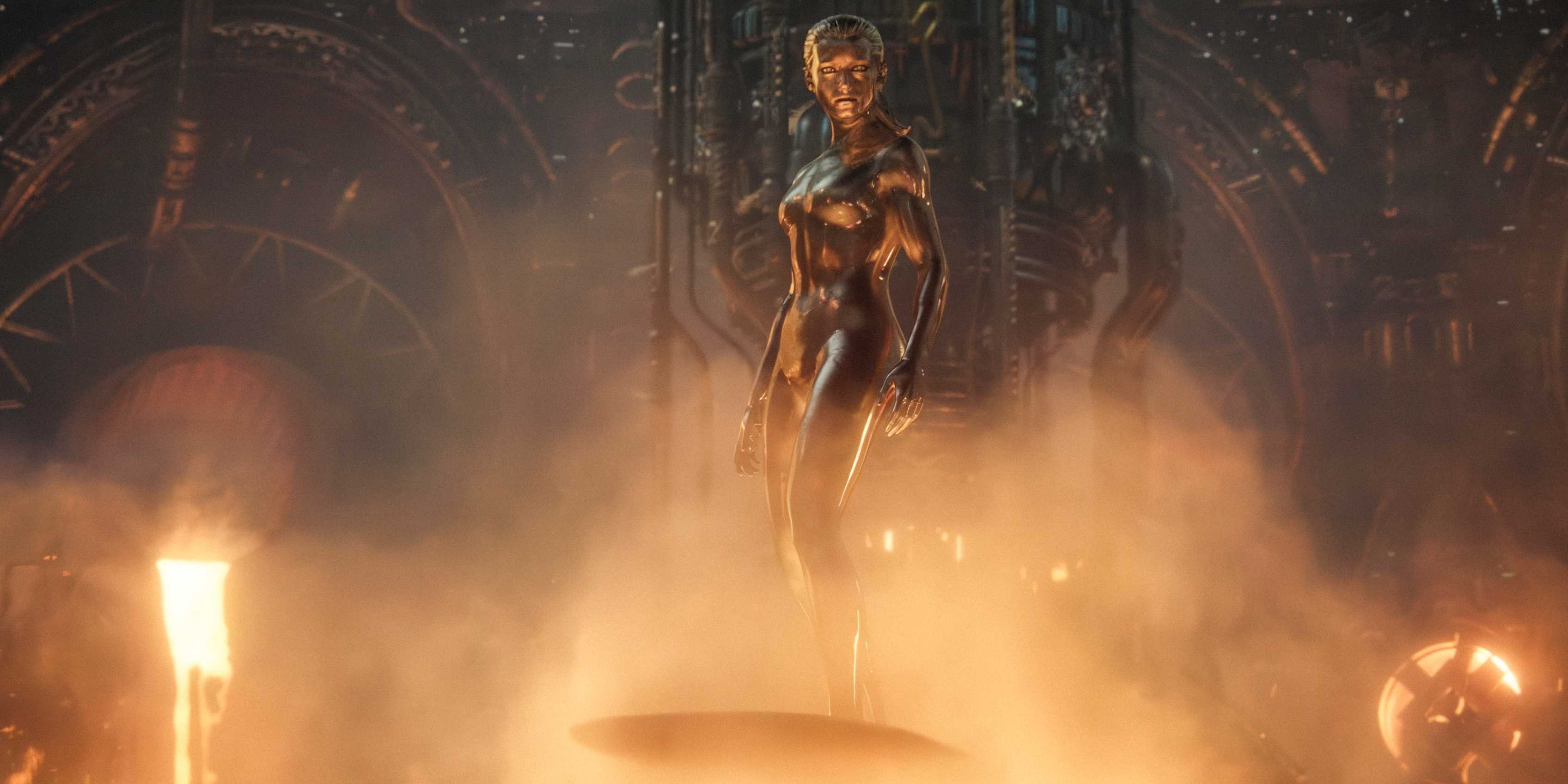
Multiple production reports and casting announcements have confirmed the inclusion of Galactus, the devourer of worlds, along with the Herald known as the Silver Surfer. This inclusion signals that the film will dive headfirst into cosmic lore rather than keeping the team confined to terrestrial conflicts.
- The Threat Level: Galactus represents an existential crisis that cannot be solved with standard physical combat, forcing Reed Richards to rely on ingenuity and negotiation.
- The Silver Surfer: Serving as the harbinger, the Surfer introduces philosophical themes regarding duty, sacrifice, and the preservation of universal life.
Production Timeline and Release Context
Navigating the production schedule requires keeping historical context clear. As of 2026, the film occupies a pivotal space in contemporary franchise planning. Principal photography, visual effects milestones, and promotional rollouts have followed a carefully calibrated trajectory designed to maximize audience engagement without overexposing key plot details prematurely.
Visual Effects and Practical Stunts
Achieving the unique visual requirements of stretching limbs, invisible force fields, fiery flight, and a stone-encased body requires a hybrid approach utilizing both practical effects and cutting-edge computer-generated imagery.
- Practical Elements: Directors have emphasized practical suit designs and on-set lighting to ensure the actors feel grounded in their environments.
- CGI Integration: Complex digital rendering is reserved for cosmic entities like Galactus and large-scale environmental destruction, maintaining a tangible visual weight.
Frequently Asked Questions
Is this film a direct continuation of previous Fantastic Four movies?
No, this project is an independent reboot that establishes a completely new continuity within its own distinct universe and retro-futuristic timeline, unrelated to the 2005, 2007, or 2015 adaptations.
How does the 1960s setting impact the broader cinematic timeline?
The alternate-timeline 1960s setting allows the characters to exist in a distinct historical era while introducing mechanisms for them to interact with contemporary settings later in their narrative arc.
Who is confirmed to play the core team members?
The principal cast features established dramatic actors selected for their ability to portray complex family dynamics, balancing high-stakes science fiction with grounded emotional beats.
Will Doctor Doom appear in the new film?
While rumors frequently circulate regarding Victor von Doom, primary promotional material and leaked plot summaries focus heavily on establishing the core family unit and their confrontation with cosmic-level threats like Galactus.
How do the visual effects handle Ben Grimm's transformation?
The production utilizes a combination of advanced performance capture and practical suit elements to ensure The Thing retains expressive facial features and physical weight on screen.
Practical Next Steps and Verification
For those tracking ongoing developments, official studio press releases, verified trade publications such as Variety and The Hollywood Reporter, and authorized teaser trailers remain the most reliable sources of verified information. Avoid relying on unverified social media leaks or speculative forum posts, as production details frequently shift during the editing and post-production phases. Keep track of official release dates and ticketing windows to experience the narrative unfold directly on the screen.
Image Gallery