Why Cooling Towers at Nuclear Plants Matter: Efficiency, Safety, and Environment
Cooling towers at nuclear power plants serve as the essential final stage of the thermodynamic cycle, rejecting waste heat into the atmosphere to ensure operational efficiency and environmental protection. Contrary to common misconcept...
Cooling towers at nuclear power plants serve as the essential final stage of the thermodynamic cycle, rejecting waste heat into the atmosphere to ensure operational efficiency and environmental protection. Contrary to common misconceptions, they release only clean water vapor while preventing thermal pollution in local ecosystems and maintaining the plant's ultimate heat sink.
Contents
The Vital Role of Cooling Towers in Nuclear Energy
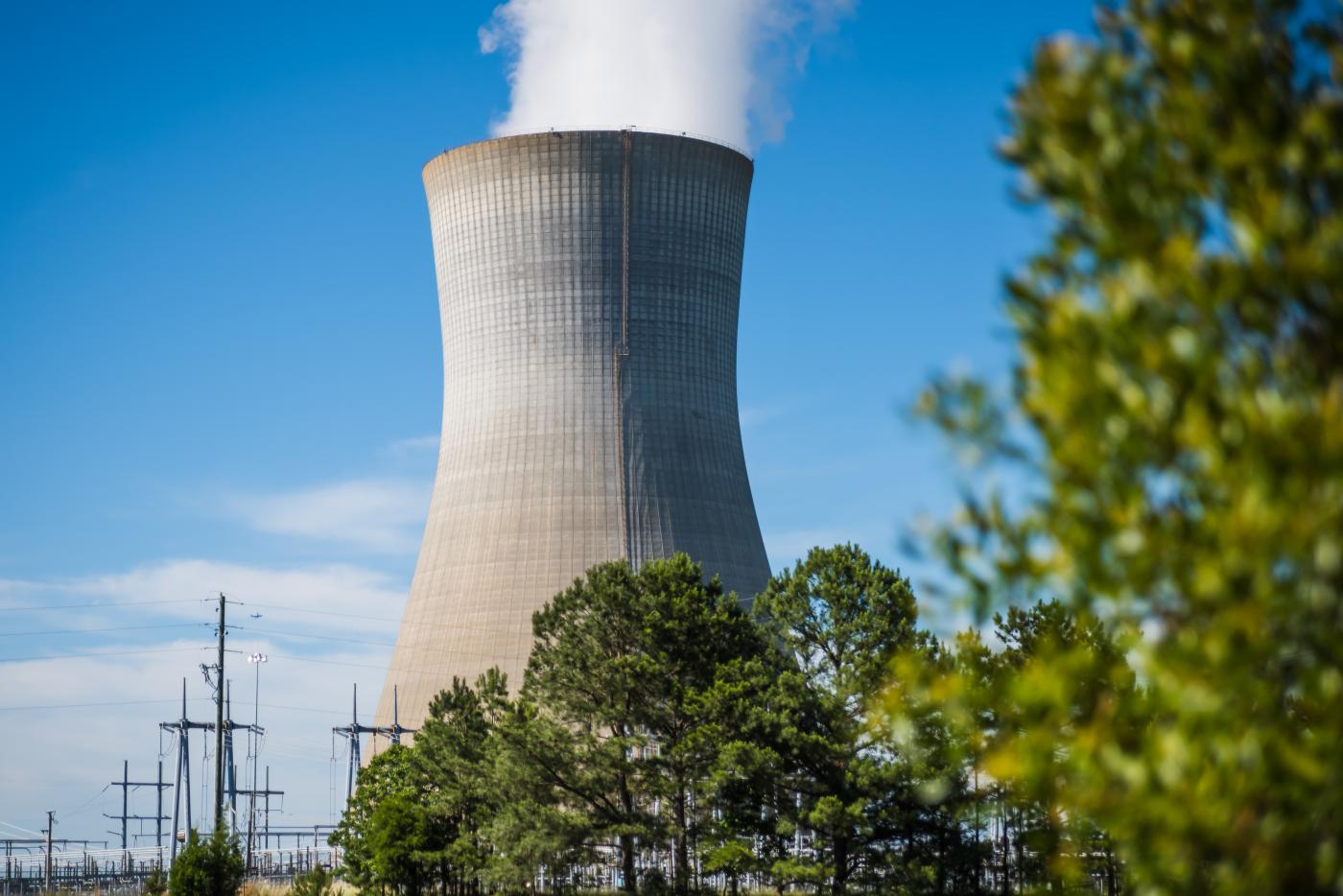
When observing a nuclear power plant from a distance, the most prominent feature is often the massive, flared concrete structure known as a cooling tower. To the uninitiated, the thick white plumes billowing from the top might look like smoke or industrial pollution. In reality, these structures are among the cleanest components of the energy infrastructure, acting as giant heat exchangers that facilitate the conversion of thermal energy into electricity.
As of 2026, the global push for carbon-neutral energy has placed nuclear power back at the center of the conversation. Understanding why cooling towers matter requires a deep dive into the second law of thermodynamics. No heat engine—whether it is a car engine or a nuclear reactor—can convert 100% of its heat into useful work. A significant portion of that energy must be rejected. In a nuclear facility, cooling towers are the primary mechanism for this rejection, ensuring the facility operates within safe temperature limits while maximizing the electricity delivered to the grid.
The Physics of Heat Rejection: Why Cooling is Necessary
Nuclear power plants operate on what is known as the Rankine Cycle. In this process, nuclear fission generates intense heat, which is used to boil water into high-pressure steam. This steam flows through massive turbines, spinning them to generate electricity. However, for the cycle to continue, that steam must be cooled back into liquid water so it can be pumped back into the steam generator or reactor vessel.
The Role of the Condenser
The cooling process begins in the condenser, a massive heat exchanger typically located beneath the turbine. Inside the condenser, thousands of tubes carry cool water from an external source—like a cooling tower—while the "spent" steam from the turbine flows over the outside of these tubes. The steam loses its heat to the cooling water, turns back into liquid (condensate), and is recycled.
Latent Heat and Evaporation
The cooling tower's job is to take the now-warmed water from the condenser and cool it back down so it can be reused. This is achieved primarily through evaporative cooling. As the warm water is sprayed inside the tower, a small portion of it evaporates. This phase change from liquid to vapor requires a significant amount of energy (latent heat), which is drawn from the remaining liquid water, effectively lowering its temperature.
Categorizing Cooling Tower Systems
Not all nuclear plants use the same cooling technology. The choice depends on the plant’s location, water availability, and local environmental regulations. As we look at the infrastructure in 2026, we see a mix of traditional and modern cooling solutions.
1. Natural Draft Towers (Hyperboloid)
These are the iconic "nuclear" towers. Their unique flared shape is not for aesthetics; it is a feat of engineering designed to facilitate the chimney effect. The height and shape create a natural pressure differential that pulls cool air in from the bottom and pushes warm, moist air out the top without the need for massive electric fans. This makes them highly energy-efficient for large-scale power plants.
2. Mechanical Draft Towers
These towers use large fans to force air through the system. They are much shorter and have a rectangular profile. While they require electricity to operate the fans, they are cheaper to build and offer more control over the cooling rate. Many newer Small Modular Reactors (SMRs) and sites with height restrictions prefer mechanical draft systems.
3. Once-Through Cooling
Some nuclear plants, particularly those built on coasts or large rivers, do not use cooling towers at all. Instead, they pull water directly from the body of water, run it through the condenser once, and discharge it back. While simpler, this method is increasingly being phased out due to its impact on aquatic life.
| Feature | Natural Draft Tower | Mechanical Draft Tower | Once-Through Cooling |
|---|---|---|---|
| Primary Cooling Method | Evaporation & Convection | Forced Air & Evaporation | Direct Heat Transfer |
| Energy Consumption | Very Low (Passive Airflow) | Moderate (Fan Power) | Low (Pumping only) |
| Visual Profile | Very High (up to 200m) | Low to Medium | Minimal (Pumping stations) |
| Water Usage | High (Evaporative loss) | High (Evaporative loss) | Very High (Withdrawal only) |
| Environmental Impact | Low (Thermal) | Low (Thermal) | High (Thermal/Aquatic) |
Environmental Stewardship and Thermal Pollution
One of the most critical reasons cooling towers matter is the protection of local ecosystems. Without a cooling tower, a nuclear plant must discharge its waste heat directly into a nearby river, lake, or ocean. This creates what is known as thermal pollution.
Protecting Aquatic Ecosystems
When water temperature in a river rises even a few degrees, it can have a devastating effect on aquatic life. Warmer water holds less dissolved oxygen, which can lead to "fish kills." Furthermore, many species of fish and macroinvertebrates are highly sensitive to temperature shifts, which can disrupt breeding cycles and migration patterns. Cooling towers act as a buffer, releasing heat into the atmosphere rather than the water, thereby preserving the biological integrity of the local environment.
Water Withdrawal vs. Consumption
It is important to distinguish between water withdrawal and water consumption. Once-through systems withdraw massive amounts of water—often hundreds of millions of gallons per day—which can trap fish against intake screens (impingement) or pull small organisms through the plant’s cooling pipes (entrainment). Cooling towers operate on a recirculating loop. While they "consume" more water through evaporation, they withdraw significantly less from the environment, reducing the physical impact on local wildlife.
The Safety Implications: The Ultimate Heat Sink
In the nuclear industry, safety is predicated on the ability to remove "decay heat" even after the reactor has been shut down. Cooling towers play a vital role in maintaining what engineers call the Ultimate Heat Sink (UHS).
If a plant loses its primary cooling source, it must have a redundant and reliable way to reject heat to prevent core damage. While many plants have dedicated emergency spray ponds or cooling basins for this purpose, the main cooling towers are a key part of the overall heat management strategy. In the post-Fukushima regulatory environment of 2026, the reliability of heat rejection systems has become a top priority for the International Atomic Energy Agency (IAEA).
Modern cooling tower designs are built to withstand extreme weather events, including high-magnitude earthquakes and hurricane-force winds. By ensuring a steady supply of cool water to the condensers and heat exchangers, these towers prevent the buildup of pressure and temperature that could lead to structural stress or equipment failure.
Economic Efficiency and Grid Stability
The efficiency of a nuclear power plant is directly tied to the temperature of its cooling water. This is governed by the Carnot Efficiency principle: the greater the temperature difference between the heat source (the reactor) and the heat sink (the cooling water), the more efficiently the plant can produce electricity.
Seasonal Performance
During hot summer months, the efficiency of cooling towers can drop as the ambient air temperature rises. This is why some plants utilize "helper" towers or sophisticated water-treatment systems to maintain optimal cooling. If the cooling water is too warm, the pressure in the turbine condenser rises—a condition known as "back-pressure." High back-pressure forces the plant to reduce its power output (derating), which can be costly during periods of peak summer demand.
Maintaining Base-Load Power
Nuclear plants provide "base-load" power, meaning they run 24/7 to provide a steady floor of electricity for the grid. Cooling towers ensure that these plants can operate at maximum capacity regardless of fluctuations in river levels or water temperatures, providing the stability necessary to balance intermittent renewable sources like wind and solar.
Addressing the "Smoke" Misconception
Public perception remains a challenge for the nuclear industry. The plumes seen rising from cooling towers are 100% water vapor. Because the cooling water loop is entirely separate from the water that touches the nuclear fuel (the primary coolant), there is no radioactive material in the cooling tower water.
Regulatory bodies like the U.S. Nuclear Regulatory Commission (NRC) and the Environmental Protection Agency (EPA) enforce strict limits on what can be released. In fact, the water circulating in cooling towers is often cleaner than the source water it was drawn from, as it undergoes filtration and treatment to prevent scale and biological growth inside the tower's "fill" material.
FAQs
Are cooling towers at nuclear plants radioactive?
No. The water that circulates through a cooling tower is part of a secondary or tertiary loop that is physically separated from the reactor's primary coolant. The steam released is pure water vapor and contains no radioactive isotopes.
Why do cooling towers have a curved, hyperboloid shape?
The hyperboloid shape serves two purposes: structural and aerodynamic. Economically, this shape uses less material to achieve great height and strength. Aerodynamically, the flare at the bottom and the narrowing in the middle create a "venturi effect," accelerating the upward airflow and improving cooling efficiency without the need for fans.
Do all nuclear power plants have cooling towers?
No. Approximately 40-50% of nuclear plants globally use once-through cooling, drawing water from large bodies like the ocean or Great Lakes. However, almost all new plants being built or planned for 2026 and beyond incorporate cooling towers to comply with stricter environmental regulations regarding thermal discharge.
What happens if a cooling tower stops working?
If the cooling towers fail, the plant’s condensers cannot effectively turn steam back into water. This would lead to a buildup of back-pressure in the turbine. In such a scenario, the plant would be forced to "derate" (reduce power) or perform a controlled shutdown to prevent equipment damage. Safety systems are always in place to ensure the reactor remains cool during such events.
Do cooling towers use a lot of water?
Cooling towers consume water through evaporation, which is how they remove heat. While they use less water withdrawal than once-through systems, the consumption (water lost to the atmosphere) is higher. Engineers in 2026 are increasingly looking at "dry cooling" technologies that use air only, though these are currently less efficient and more expensive.
Final Practical Recommendation
For energy planners and environmental advocates, the presence of cooling towers should be viewed as a hallmark of environmental responsibility. If you are evaluating the impact of a local power project, prioritize designs that utilize closed-cycle cooling (towers) over once-through systems. While the towers are visually prominent, they represent a significant investment in protecting local water quality and ensuring the long-term reliability of carbon-free nuclear energy.
Image Gallery