The Evolution of Luxurious Japanese Food: From Imperial Roots to Modern Global Gastronomy
The evolution of luxurious Japanese food represents a transition from ritualistic, aristocratic consumption tied to the Imperial Court and Buddhist traditions to a globalized pinnacle of culinary precision. This transformation is defin...
The evolution of luxurious Japanese food represents a transition from ritualistic, aristocratic consumption tied to the Imperial Court and Buddhist traditions to a globalized pinnacle of culinary precision. This transformation is defined by the elevation of seasonal ingredients through kaiseki mastery, the refinement of sushi as an art form, and the modern synthesis of omakase as a high-end service model.
Contents
Historical Foundations: The Aristocratic and Temple Origins
The concept of luxury in Japanese cuisine did not originate with the ingredients themselves, but with the scarcity and preparation rituals associated with the ruling classes and religious institutions. During the Heian period (794–1185), the Japanese nobility developed elaborate banquets that prioritized aesthetic presentation and the symbolic value of seasonal ingredients. These meals were not merely sustenance; they were a reflection of one's proximity to the Emperor and an understanding of the natural order.
Simultaneously, the development of Shojin Ryori—the vegetarian cuisine of Zen Buddhist monks—introduced a rigorous technical foundation. By stripping away animal proteins, chefs were forced to elevate simple ingredients like soy, tofu, and mountain vegetables through complex techniques such as fermentation, steaming, and precise knife work. The luxury inherent in this tradition was defined by "minimalist perfection," where the preparation time and the purity of the environment served as markers of status.
The Emergence of Kaiseki as the Standard for Luxury
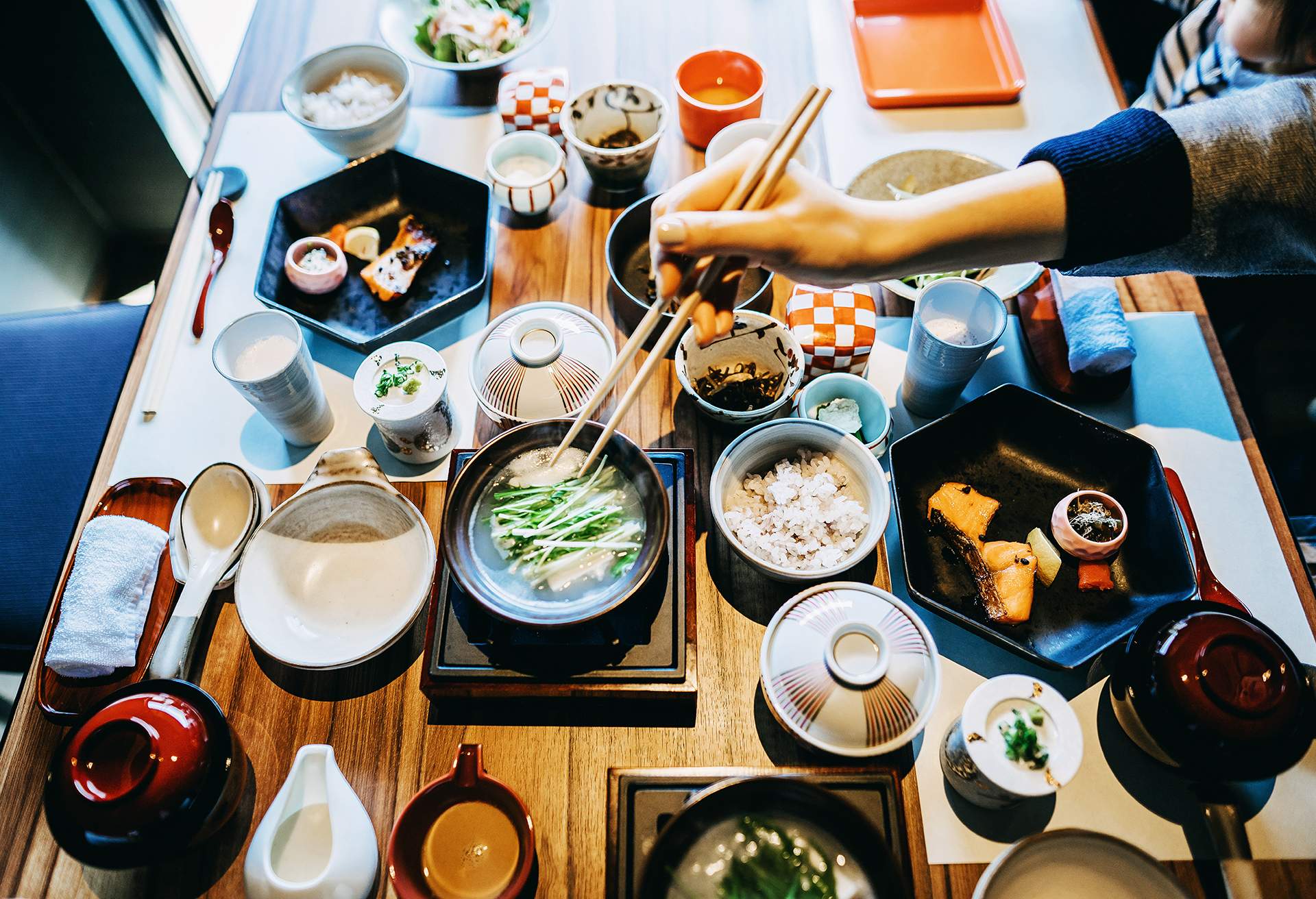
As the samurai class rose to power, the influence of the tea ceremony (chanoyu) began to dictate the parameters of luxury dining. The kaiseki style—a series of small, meticulously prepared dishes—emerged as the ultimate expression of hospitality and wealth.
By the Edo period (1603–1867), kaiseki had formalized its structure, emphasizing shun (the concept of peak seasonality). A luxurious kaiseki meal requires that ingredients be consumed only at the precise moment of their biological peak. This requirement creates a natural, inherent cost barrier; the logistics of sourcing wild mountain vegetables, specific coastal seafood, and rare produce within a narrow window of days makes authentic kaiseki one of the most resource-intensive dining experiences in the world.
The Transformation of Sushi and the Omakase Model
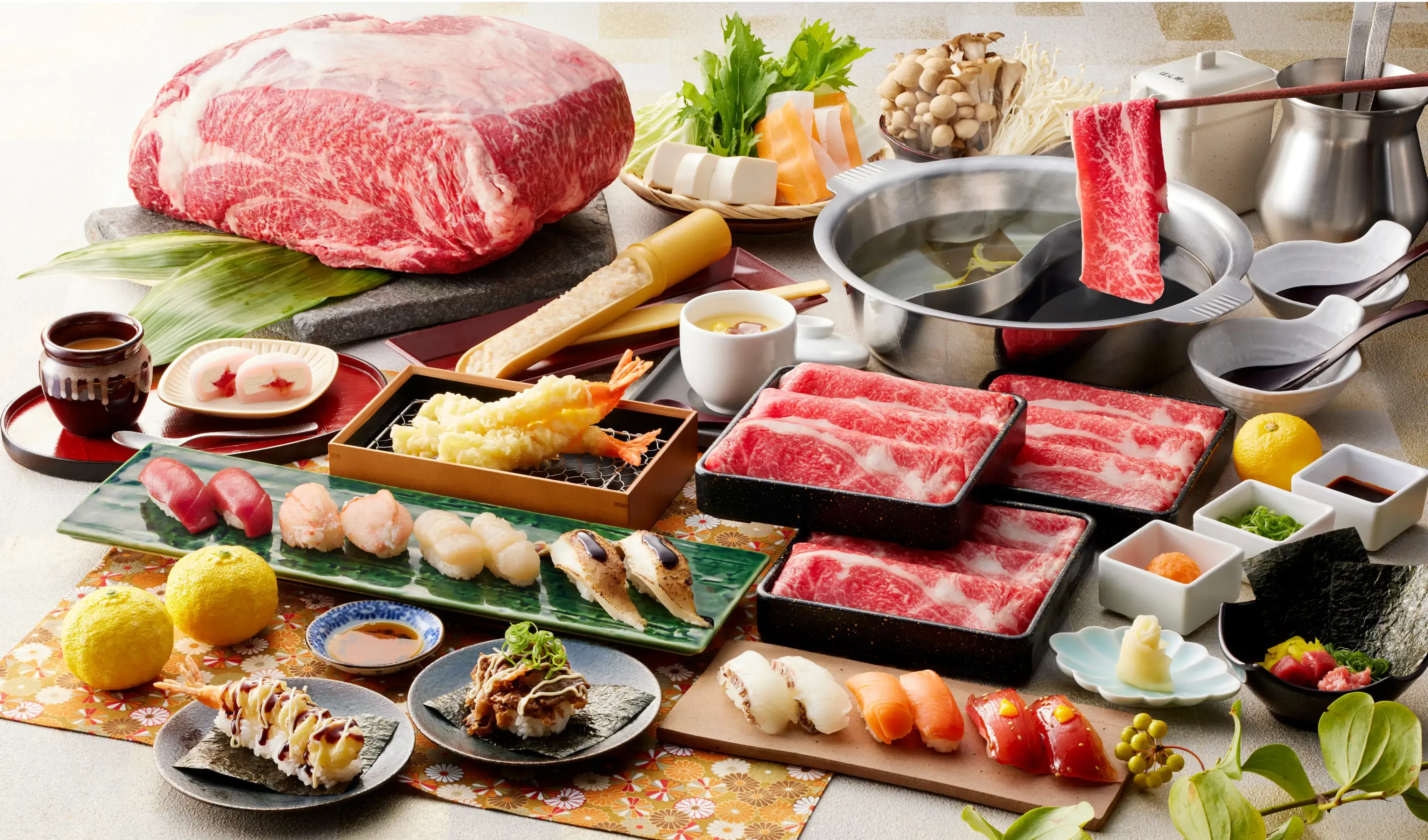
In the mid-20th century, sushi transitioned from a common street-stall snack to a symbol of global luxury. This evolution was driven by the professionalization of the itamae (sushi chef) and the rise of the omakase (chef’s choice) dining format.
The modern luxury of sushi is predicated on three factors:
- Sourcing (Shokuzai): The ability to procure bluefin tuna from specific regions or prized uni (sea urchin) from Hokkaido creates a tiered market where provenance dictates value.
- Aging (Jukusei): The technique of aging fish—controlled oxidation to break down proteins and intensify umami—requires specific cold-chain infrastructure and deep technical knowledge.
- The Interaction: The omakase model removes the menu, placing the burden of luxury entirely on the chef’s judgment. This creates a high-stakes environment where the diner pays for the chef’s expertise in evaluating the day's market offerings.
Factors Defining Contemporary High-End Japanese Dining
Today, luxury is measured by the integration of traditional craftsmanship with modern food safety and traceability. The premium sector of the industry has moved beyond traditional ingredients like Wagyu and tuna to include rare, hyper-local foraging and artisanal products, such as single-origin miso or heirloom rice varieties.
| Feature | Traditional Luxury | Modern Luxury |
|---|---|---|
| Sourcing | Regional availability | Global, traceable provenance |
| Focus | Ritual and hierarchy | Technical innovation and ingredient purity |
| Menu Format | Fixed ceremonial courses | Dynamic omakase based on daily catch |
| Ingredient | Wild-caught/Seasonal | Precision-farmed/Aged/Rare-cultivar |
Economic and Technical Constraints
For consumers, the luxury market is defined by high entry costs. These costs are not arbitrary; they reflect the "hidden" economics of the industry. For example, high-end establishments must maintain an extensive network of specialized purveyors. A chef in a high-end Tokyo or New York restaurant does not simply order supplies; they maintain relationships with auctioneers at markets like Toyosu to secure the "first pick" of the day's catch.
Furthermore, the labor requirement for high-end Japanese dining is among the most demanding in the global hospitality sector. Apprenticeships (shugyo) can last a decade, during which the chef learns to master a single element, such as the seasoning of sushi rice (shari) or the balancing of dashi (stock). The cost of a meal essentially acts as a subsidy for this long-term human capital development.
Frequently Asked Questions
What distinguishes a luxury Japanese meal from a standard restaurant experience? The distinction lies primarily in the sourcing of ingredients and the level of specialized labor. Luxury Japanese dining prioritizes shun (seasonality) and highly specific provenance. A luxury meal is prepared by chefs who have undergone years of formal apprenticeship, focusing on the preservation of traditional textures and flavors rather than mass-market adaptations.
How has the Wagyu boom affected the luxury market? The international rise of Wagyu has standardized the definition of "luxury meat" globally. However, in Japan, high-end dining now emphasizes specific regional beef (such as Matsusaka or Kobe) with rigorous certification. The focus has moved from merely serving the meat to explaining its specific lineage and fat-melting point (the "sashimi" of meat).
Is sushi considered "luxury" in Japan? Sushi exists on a spectrum. While conveyor-belt sushi is mass-market, high-end edomae sushi is arguably the most exclusive tier of Japanese gastronomy. The cost is driven by the exclusivity of the ingredient supply chain and the personal expertise of the chef, who must decide the exact moment each piece of fish reaches its optimal flavor profile.
What is the role of the "itamae" in high-end dining? The itamae acts as both a chef and an arbiter of taste. In an omakase setting, they must assess the quality of the raw ingredients upon arrival and adjust their techniques—such as the temperature of the rice or the duration of the fish curing—to compensate for subtle variations in the product, ensuring a consistent high-end experience.
What should I look for when booking a premium Japanese dining experience? Prioritize restaurants that emphasize their relationship with suppliers and those that operate on an omakase (chef-directed) basis. Reviewing the seasonal specialty of the house is also helpful; top-tier establishments often specialize in one or two specific styles, such as tempura, sushi, or kaiseki, rather than offering a broad, diluted menu.
Next Steps for the Connoisseur
To experience the true evolution of Japanese luxury, seek out establishments that publish their sourcing origins or maintain direct links to the fish auctions they patronize. When booking, verify whether the restaurant offers an omakase service, as this remains the standard for authentic high-end interaction between the chef and the guest. For those traveling to Japan, consider prioritizing smaller, counter-seating establishments (typically 8–10 seats), where the intimacy of the environment is intended to minimize the distance between the craftsmanship and the consumer.
Image Gallery