Understanding the Historical and Modern Context of Plague Outbreaks in China
The term "china plague outbreak" generally refers to historical and contemporary concerns regarding cases of Yersinia pestis—the bacterium responsible for the plague—within the People's Republic of China. While major historical pandemi...
The term "china plague outbreak" generally refers to historical and contemporary concerns regarding cases of Yersinia pestis—the bacterium responsible for the plague—within the People's Republic of China. While major historical pandemics originated in the region, modern public health infrastructure, antibiotic availability, and strict surveillance have transformed the plague from an unstoppable societal catastrophe into a manageable, highly treatable bacterial infection.
Contents
Evaluating the nature of plague outbreaks requires looking past sensationalized headlines to understand the epidemiology, clinical manifestations, transmission vectors, and modern medical countermeasures implemented by global and domestic health authorities.
Historical Foundations and the Etiology of Plague
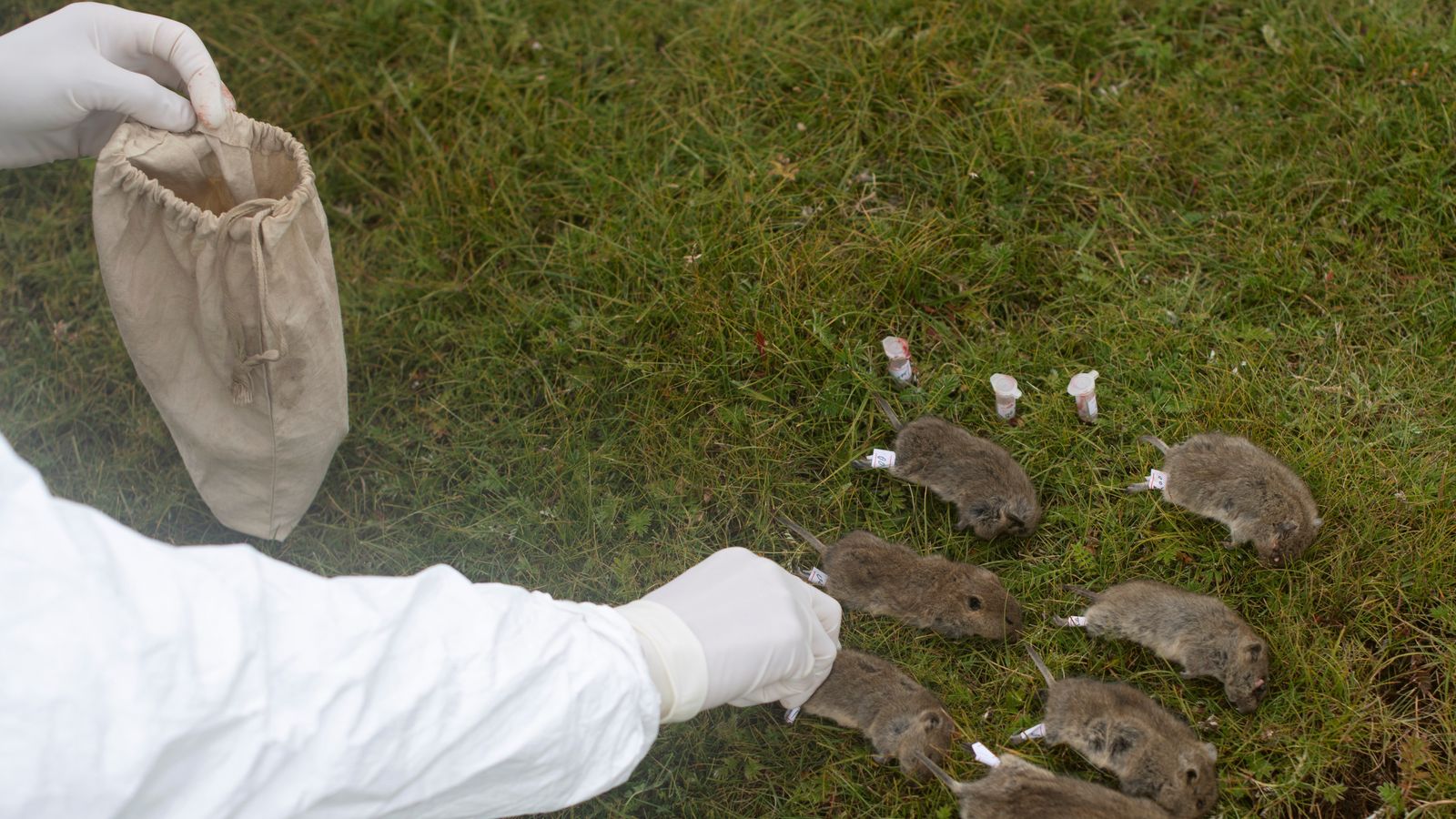
The plague is not a monolithic disease; rather, it is a zoonotic infection driven by Yersinia pestis, a Gram-negative, rod-shaped coccobacillus. Historically, the geographic landscape of Central and East Asia, including parts of western and northern China, has served as a natural reservoir for the bacterium. Wild rodent populations—such as marmots, voles, and mice—maintain the pathogen within localized ecosystems through enzootic cycles.
Historically, China has been the focal point of some of the most devastating pandemics in human history. The Second Pandemic, commonly known as the Black Death during the 14th century, and the Third Pandemic, which began in Yunnan province in the mid-19th century and spread globally, fundamentally altered human demographics. During these historical epochs, medical science lacked an understanding of vectors and antibiotics. The primary vector—the oriental rat flea (Xenopsylla cheopis)—and respiratory transmission routes allowed the disease to decimate urban centers before quarantine protocols and sanitation standards were established.
In the modern era, understanding the fundamental biology of Yersinia pestis helps demystify contemporary reports. The bacterium utilizes sophisticated virulence factors, including a type III secretion system, to inject toxins into host immune cells, disabling phagocytosis. Despite these aggressive evolutionary mechanisms, the advent of modern pharmacology means that the disease is no longer a death sentence if caught early.
Contemporary Surveillance and Modern Outbreak Dynamics
In the 21st century, sporadic cases of the plague continue to occur in China, typically among individuals who live in or travel to pastoral and steppe regions where wild rodent populations carry the bacteria. The National Health Commission of the People's Republic of China, alongside the Chinese Center for Disease Control and Prevention (China CDC), maintains continuous surveillance systems to monitor natural foci of Yersinia pestis.
When discussing a potential china plague outbreak, international health bodies like the World Health Organization (WHO) differentiate between isolated zoonotic spillover events and community-level transmission. The vast majority of modern cases fall into the former category. These instances usually involve:
- Hunters or herders handling wild animals, particularly marmots (Marmota himalayana).
- Individuals consuming improperly cooked wild game meat from endemic areas.
- Direct contact with domestic pets (such as dogs and cats) that have hunted infected rodents.
Public health alerts issued by local governments in regions like Inner Mongolia are routine preventative measures rather than indicators of an impending epidemic. These advisories typically restrict activities involving wild animal handling, encourage reporting of dead rodents, and remind local medical facilities to maintain high diagnostic vigilance.
Clinical Forms of the Plague and Diagnostic Indicators
Yersinia pestis presents in three primary clinical forms depending on the route of exposure. Recognizing these manifestations is essential for timely clinical intervention and public health containment:
- Bubonic Plague: The most common form, resulting from the bite of an infected flea. Bacteria multiply in the nearest lymph node, causing painful, swollen nodes known as "buboes" (typically in the groin, armpit, or neck). Symptoms include sudden onset of fever, chills, headache, and weakness.
- Septicemic Plague: Occurs when bacteria multiply in the blood, either directly from a flea bite or as an untreated progression of bubonic plague. It causes shock, tissue necrosis (gangrene of fingers, toes, and nose), and disseminated intravascular coagulation.
- Pneumonic Plague: The most virulent and least common form, occurring when the bacteria infect the lungs or spread from advanced bubonic/septicemic cases. It is transmitted directly via respiratory droplets between humans, making it the only form capable of causing rapid-spread outbreaks if isolation protocols fail.
| Clinical Form | Primary Transmission Route | Key Symptoms | Modern Treatment Efficacy |
|---|---|---|---|
| Bubonic | Infected flea bites; handling infected animal tissue | Swollen, painful lymph nodes (buboes), high fever, fatigue | High when treated within 24 hours of symptom onset |
| Septicemic | Flea bites or direct bacterial entry via broken skin | Abdominal pain, shock, bleeding into skin, tissue necrosis | High with immediate intravenous antibiotics |
| Pneumonic | Inhalation of respiratory droplets from infected humans/animals | Severe respiratory distress, bloody sputum, rapid pulmonary failure | Requires immediate quarantine and aggressive intravenous therapy |
Prevention, Treatment, and Medical Countermeasures
Modern medicine has shifted the trajectory of plague management from containment through isolation to rapid pharmacological cure. Yersinia pestis remains highly susceptible to a wide range of common, inexpensive, and readily available antibiotics.
Pharmacological Treatment Protocols
Clinical guidelines established by international infectious disease specialists recommend early administration of targeted antibiotic therapy. Aminoglycosides (such as streptomycin and gentamicin), fluoroquinolones (such as ciprofloxacin and levofloxacin), and tetracyclines (such as doxycycline) are the standard first-line treatments.
- Time Sensitivity: Treatment must ideally begin within 24 hours of the first appearance of symptoms for bubonic cases, and even earlier for pneumonic manifestations, to prevent high mortality rates.
- Prophylaxis: Individuals who have had close contact with confirmed pneumonic plague patients or exposed laboratory workers are placed on post-exposure antibiotic prophylaxis for seven days.
Public Health and Environmental Controls
Preventative frameworks in endemic regions rely on multi-layered public health interventions:
- Vector Control: Targeted insecticide applications in high-risk rural areas to reduce flea populations.
- Rodent Management: Public education campaigns discouraging the hunting, skinning, and consumption of wild marmots and rodents.
- Quarantine Infrastructure: Isolation wards and personal protective equipment (PPE) protocols in hospitals located near natural reservoirs to handle suspected pneumonic cases safely.
Frequently Asked Questions
Is a china plague outbreak a global health emergency?
No. Sporadic cases in China are typically isolated zoonotic events tied to rural wildlife contact. Modern surveillance, public health warnings, and the availability of standard antibiotics prevent these localized occurrences from escalating into international pandemics.
How do humans usually contract the plague today?
Most modern cases are acquired through the bites of infected fleas originating from wild rodents, or through direct contact with body fluids or tissues from infected animals, such as marmots. Respiratory transmission (pneumonic plague) between humans is rare and strictly controlled through modern isolation procedures.
Can the plague be cured with modern medicine?
Yes. Unlike historical outbreaks, modern bacterial strains of Yersinia pestis are readily treated with standard antibiotics such as streptomycin, gentamicin, doxycycline, and ciprofloxacin, provided treatment is initiated promptly.
Why do plague cases still appear in parts of China?
The bacterium Yersinia pestis is naturally harbored by wild rodent populations in specific ecological zones, particularly in northern and western provinces. Because these animal reservoirs cannot be eradicated without severe ecological disruption, occasional spillover into human populations remains a persistent, manageable reality.
What precautions do travelers to China need to take?
Standard travel to major urban centers in China carries zero risk of plague exposure. Travelers visiting remote, rural, or grassland areas in endemic provinces should avoid contact with wild rodents, refrain from consuming game meat, and use insect repellent to prevent flea bites.
Next Steps and Professional Guidance
For individuals closely monitoring global health trends or planning travel to rural regions in Central and East Asia, reliance on verified updates from the World Health Organization and national public health agencies is essential. If symptoms resembling sudden high fever, fatigue, and swollen lymph nodes develop after visiting a known rural or wildlife-heavy region, immediate medical evaluation is critical. Informing healthcare providers of travel history allows for rapid diagnostic screening and immediate, effective antibiotic intervention.
Image Gallery