The Comprehensive Event Venues in Detroit Guide for 2026
Finding the ideal event venue in Detroit requires balancing the city's rich architectural history with its rapid modern development. Whether you are planning a high-stakes corporate summit, a large-scale industrial wedding, or an intim...
Finding the ideal event venue in Detroit requires balancing the city's rich architectural history with its rapid modern development. Whether you are planning a high-stakes corporate summit, a large-scale industrial wedding, or an intimate gallery gathering, Detroit offers a diverse inventory of spaces ranging from restored Art Deco theaters to contemporary waterfront pavilions.
Contents
Detroit’s event landscape in 2026 is defined by a mix of historic preservation and high-tech modernization. Selection depends on three primary factors: the specific district’s accessibility, the venue's catering and vendor exclusivity policies, and the seasonal demand for Detroit’s unique indoor-outdoor urban spaces.
Navigating Detroit’s Premier Event Districts
Choosing a venue begins with understanding the distinct character and logistical advantages of Detroit’s primary neighborhoods. By 2026, the city's infrastructure improvements have made cross-district coordination significantly easier for event planners and guests alike.
Downtown and the Financial District
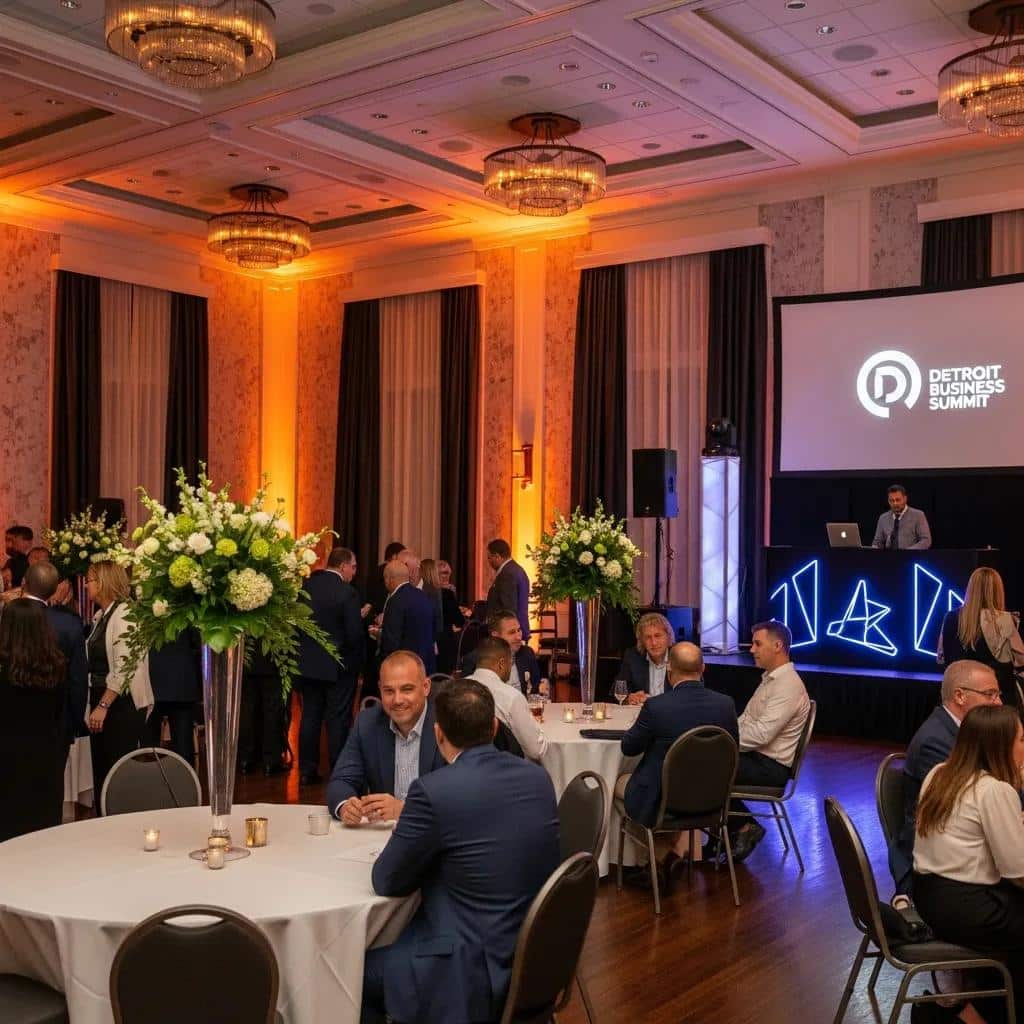
The heart of the city remains the most sought-after location for corporate galas and luxury weddings. Venues here, such as the Shinola Hotel and the Detroit Foundation Hotel, offer turnkey solutions with high-end in-house catering. The primary advantage of Downtown is walkability and proximity to major hotels and the QLine. However, planners must account for higher premium pricing and limited parking, often requiring the inclusion of valet services in the event budget.
Midtown and the Cultural Center
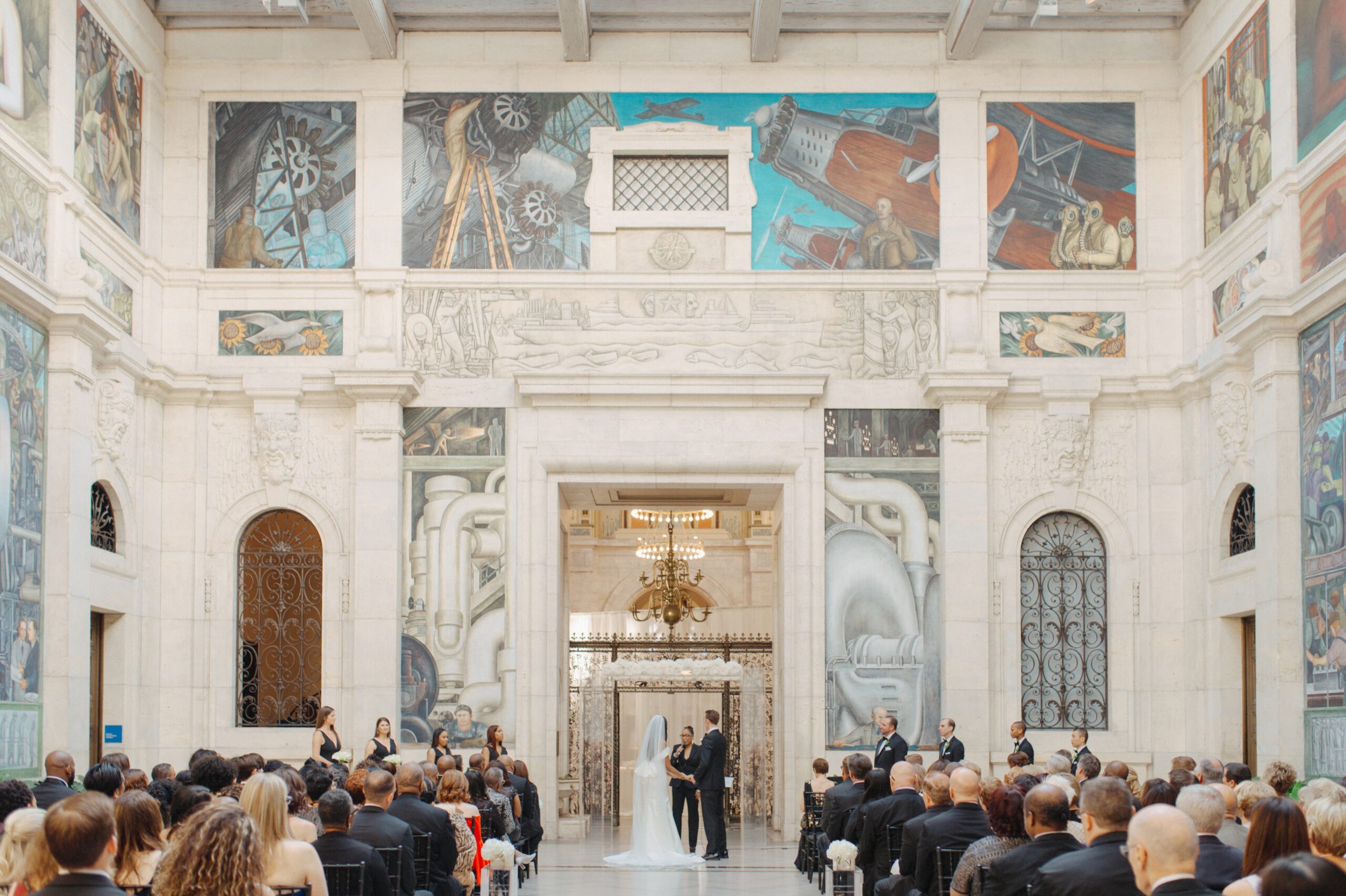
Midtown provides a sophisticated backdrop, dominated by academic and artistic institutions. The Detroit Institute of Arts (DIA) and the Wayne State University campus offer spaces that lend an air of prestige and intellectual gravity to events. This area is ideal for non-profit fundraisers and educational conferences. Accessibility is high via public transit, and the atmosphere is generally more academic and refined than the bustling Downtown core.
Corktown and the Industrial West
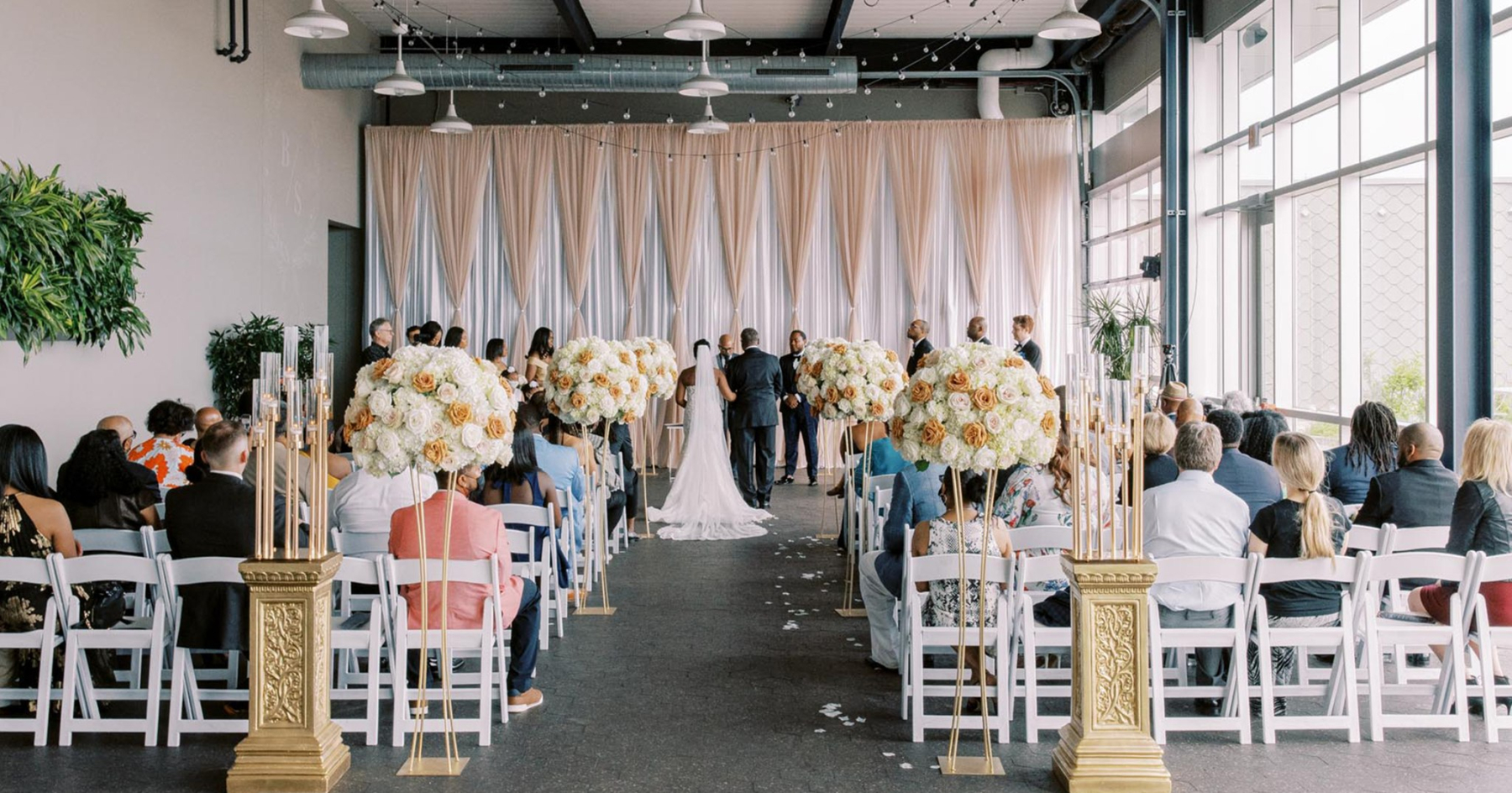
As Detroit's oldest neighborhood, Corktown has evolved into a hub for "industrial chic" events. With the completed restoration of the Michigan Central Station district, the area has seen a surge in boutique event spaces that utilize exposed brick, steel beams, and reclaimed wood. These venues are particularly popular for tech product launches and modern weddings seeking a less traditional, more authentic urban aesthetic.
Eastern Market
For large-scale events requiring significant square footage and a raw, customizable environment, Eastern Market is unparalleled. The various sheds—particularly Shed 3 and Shed 5—offer massive footprints that can accommodate thousands of guests. While these spaces provide ultimate flexibility, they are often "blank canvas" venues, meaning planners must outsource everything from lighting and sound to climate control and specialized flooring.
Categorizing Detroit Venue Types by Capacity and Style
Selecting the right venue type is crucial for establishing the tone of the event. Detroit’s inventory is unique because of its high concentration of "Gilded Age" architecture repurposed for modern use.
| Venue Name | Primary Style | Approximate Capacity | Best Use Case |
|---|---|---|---|
| The Masonic Temple | Historic/Gothic | 500 – 4,000 | Concerts, Large Galas, Weddings |
| Ford Piquette Plant | Industrial/Museum | 150 – 300 | Automotive Enthusiasts, Weddings |
| Garden Theater | Modern/Restored | 200 – 450 | Corporate Meetings, Live Performances |
| The Roost (Book Tower) | Luxury/Historic | 50 – 250 | VIP Receptions, Small Corporate Retreats |
| Waterview Loft | Waterfront/Modern | 100 – 400 | Social Celebrations, Riverfront Views |
| Eastern Market Shed 3 | Open-Air/Industrial | 1,000+ | Large Festivals, Trade Shows |
Historic and Architectural Landmarks
Detroit is home to some of the most impressive historic venues in the United States. The Fox Theatre and The Fillmore Detroit provide ornate, gold-leafed interiors that require very little additional decoration. These venues are "statement" spaces. When booking a historic landmark, planners must often adhere to strict preservation rules, such as limitations on what can be taped or hung from walls, and specific load-in/load-out schedules to protect the integrity of the building.
Industrial and Warehouse Spaces
The "Detroit look" is often synonymous with the city's industrial heritage. Venues like the Ford Piquette Avenue Plant—the birthplace of the Model T—offer a museum-quality backdrop with vintage vehicles and original flooring. These spaces are excellent for storytelling and branding but may require additional attention to acoustics, as large industrial halls can have significant echo issues without proper pipe-and-drape or audio engineering.
Modern Luxury and Boutique Hotels
By 2026, Detroit's boutique hotel scene has matured significantly. The Book Tower (Roost Detroit) restoration offers some of the most exclusive and architecturally stunning event spaces in the Midwest. These venues are typically "full-service," providing tables, chairs, linens, and gourmet food and beverage packages. They are the most efficient choice for out-of-town planners who cannot spend significant time on-site managing multiple vendors.
Essential Logistics: Insurance, Permitting, and Catering
Booking a venue in Detroit involves more than just signing a lease agreement. Navigating the legal and operational requirements is essential for a smooth event.
Insurance and Liability Requirements
Almost every reputable Detroit venue will require a Certificate of Insurance (COI). In 2026, the standard requirement for most commercial event spaces is $1 million in general liability insurance, often with the venue named as an "additional insured." If alcohol is being served, planners must ensure they have Liquor Liability coverage, especially if using a third-party catering service rather than the venue's internal bar staff.
Catering and Alcohol Policies
Detroit venues generally fall into two categories:
- Exclusive Catering: The venue requires you to use their in-house chef or select from a very short list of "preferred" vendors. This is common in hotels and large banquet halls.
- Open Vendor Policy: Common in industrial sheds and smaller galleries, this allows you to bring in any licensed and insured caterer. This is often more cost-effective but requires the planner to manage kitchen logistics, as some of these spaces do not have full on-site prep kitchens.
Parking and Transportation Infrastructure
Parking remains a significant consideration in a city originally designed for the automobile. In Downtown Detroit, many venues do not own private lots. Planners should negotiate "buyouts" of nearby parking structures or arrange for shuttle services from a central hub. The QLine and Detroit People Mover are viable options for events centered around the Woodward Avenue corridor, but they are generally supplementary to private transportation for high-end events.
Understanding Event Costs in Detroit for 2026
Budgeting for a Detroit venue requires an understanding of "base rent" versus "all-in" pricing. For 2026, inflation and increased demand for the city's premier spaces have shifted the baseline costs.
- Rental Fees: A Saturday night rental for a premier Downtown venue typically ranges from $5,000 to $12,000 for the space alone. Historic landmarks often sit at the higher end of this spectrum due to maintenance costs.
- Food & Beverage (F&B) Minimums: Most hotels and full-service venues waive or reduce the rental fee if a specific F&B minimum is met. In 2026, expect minimums for a weekend evening to start at $15,000 to $25,000 for groups of 150 or more.
- Service Charges and Taxes: Detroit events are subject to standard sales tax, and most venues apply a "Service Charge" (often 20-24%) on top of the F&B totals. It is vital to clarify if this service charge is a gratuity for staff or an administrative fee for the house.
- Production Costs: For "blank canvas" spaces like Eastern Market, you must budget an additional $3,000 to $10,000 for basic rentals (tables, chairs, lighting) and audio-visual support.
Seasonal Considerations and Booking Timelines
Detroit's climate heavily influences venue availability and pricing. The "peak season" runs from May through October, with a secondary peak in December for holiday corporate events.
To secure a prime Saturday date in 2026, it is recommended to book at least 12 to 18 months in advance. For those looking for "value dates," January and February offer significantly lower rental rates and more flexible F&B minimums, though planners must account for the logistical challenges of Michigan winters, such as snow removal and guest coat checks.
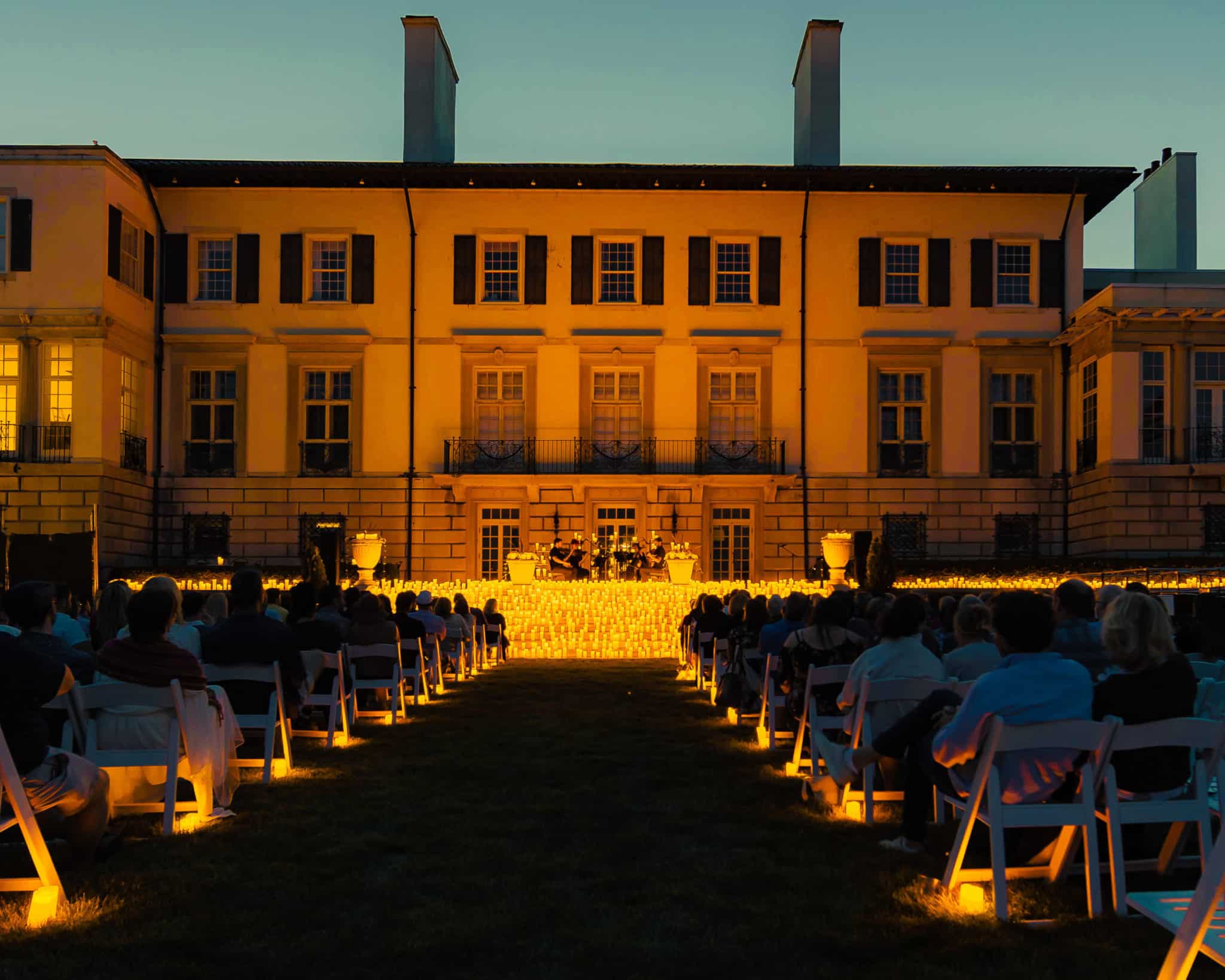
Outdoor venues, particularly those along the Detroit Riverwalk, are stunning in the summer but require a "Plan B" indoor space or tenting contract. High winds off the Detroit River can affect decor and sound quality, so ensure your A/V team has experience with waterfront environments.
Frequently Asked Questions
What are the best small event venues in Detroit for 50 people or fewer?
For intimate gatherings, boutique spaces like The Wright-Kay Building or private dining rooms at The Apparatus Room offer sophisticated environments. Small galleries in the Avenue of Fashion or the Cass Corridor also provide unique, culturally rich backdrops for smaller crowds without the massive overhead of a grand ballroom.
Do Detroit event venues allow outside alcohol?
This depends entirely on the venue's liquor license. Venues with their own permanent liquor license (like hotels and established banquet halls) legally cannot allow you to bring in outside alcohol. "Dry" venues, such as certain art lofts or community centers, may allow you to bring your own, provided you hire a licensed bartender and have the appropriate insurance coverage.
Is the Detroit Riverfront a viable place for large public events?
Yes, the Detroit Riverfront is home to several major event spaces, including the Aretha Franklin Amphitheatre and various plazas managed by the Detroit Riverfront Conservancy. These spaces are excellent for public festivals or large corporate outings but require specific municipal permits and often involve more complex security planning than indoor private venues.
How has the 2026 Detroit infrastructure affected event planning?
The expansion of transit options and the completion of major hotel projects like the Water Square development have increased the city's "room block" capacity. This makes Detroit more competitive for national conventions that previously might have chosen Chicago or Indianapolis. Improved pedestrian greenways also allow for "multi-venue" events where guests can walk between a ceremony and a reception.
What is the most "Instagrammable" venue in Detroit?
The Shinola Hotel Birdy Room and the Mondrian-inspired interiors of newer Midtown developments are highly popular for their aesthetic appeal. However, the classic "Grand Staircase" at the Detroit Public Library or the rooftop views from The Monarch Club remain the most iconic spots for photography-focused events.
Practical Recommendation for Planners
If you are planning an event in Detroit for 2026, your first step should be to determine the level of "production support" you require. If you are an out-of-state planner or a busy couple, prioritize full-service hotel venues (Shinola, Westin Book Cadillac, or Foundation Hotel) to minimize the number of external contracts you must manage.
If you are seeking a unique brand identity and have the budget for a dedicated production team, explore the Eastern Market sheds or the industrial lofts of Corktown. These spaces offer the highest degree of customization and will leave guests with a lasting impression of Detroit’s authentic urban character. Always conduct a site visit during the same time of day as your planned event to assess natural lighting and neighborhood traffic patterns.
Image Gallery