Commercial Foundation Repair Companies in Rockwall TX: What to Expect
When managing commercial properties in Rockwall, Texas, identifying structural distress early is critical to mitigating liability and protecting asset value. Engaging professional commercial foundation repair companies involves a struc...
When managing commercial properties in Rockwall, Texas, identifying structural distress early is critical to mitigating liability and protecting asset value. Engaging professional commercial foundation repair companies involves a structured process that moves from initial site evaluation and geotechnical analysis to engineering-backed repair implementation and post-remediation monitoring, ensuring the structure adheres to local building safety codes.
Contents
Understanding the Regional Soil Context in Rockwall
Rockwall, like much of North Texas, sits on expansive clay soils—specifically Blackland Prairie soil. These soils are characterized by high plasticity, meaning they shrink and swell significantly in response to moisture fluctuations. During the hot, dry Texas summers, the clay loses moisture and contracts; during heavy rainfall events, the clay absorbs water and expands.
For commercial structures, this cycle exerts immense upward and downward pressure on foundation slabs and pier-and-beam systems. Unlike residential projects, commercial foundation issues often involve heavier load-bearing requirements, larger square footage, and strict compliance with municipal ordinances enforced by the City of Rockwall’s Building Inspections Department. When selecting a repair company, prioritize firms with experience in localized geologic conditions, as standard residential techniques may not satisfy the structural engineering requirements for large-scale commercial occupancy.
The Phases of a Commercial Foundation Repair Project
Professional contractors follow a predictable lifecycle for foundation remediation. Understanding these phases allows property owners to budget effectively and schedule maintenance to minimize operational disruption.
1. The Engineering Consultation and Site Assessment
Before any repairs begin, a licensed structural engineer—independent of the repair contractor—should perform a site assessment. This is a non-negotiable step for commercial assets. The engineer will produce a report detailing the scope of the movement, the cause of the failure, and the required repair methodology. Do not rely solely on a contractor’s assessment, as the separation of inspection and implementation is a standard ethical safeguard in the engineering industry.
2. Geotechnical Data Collection
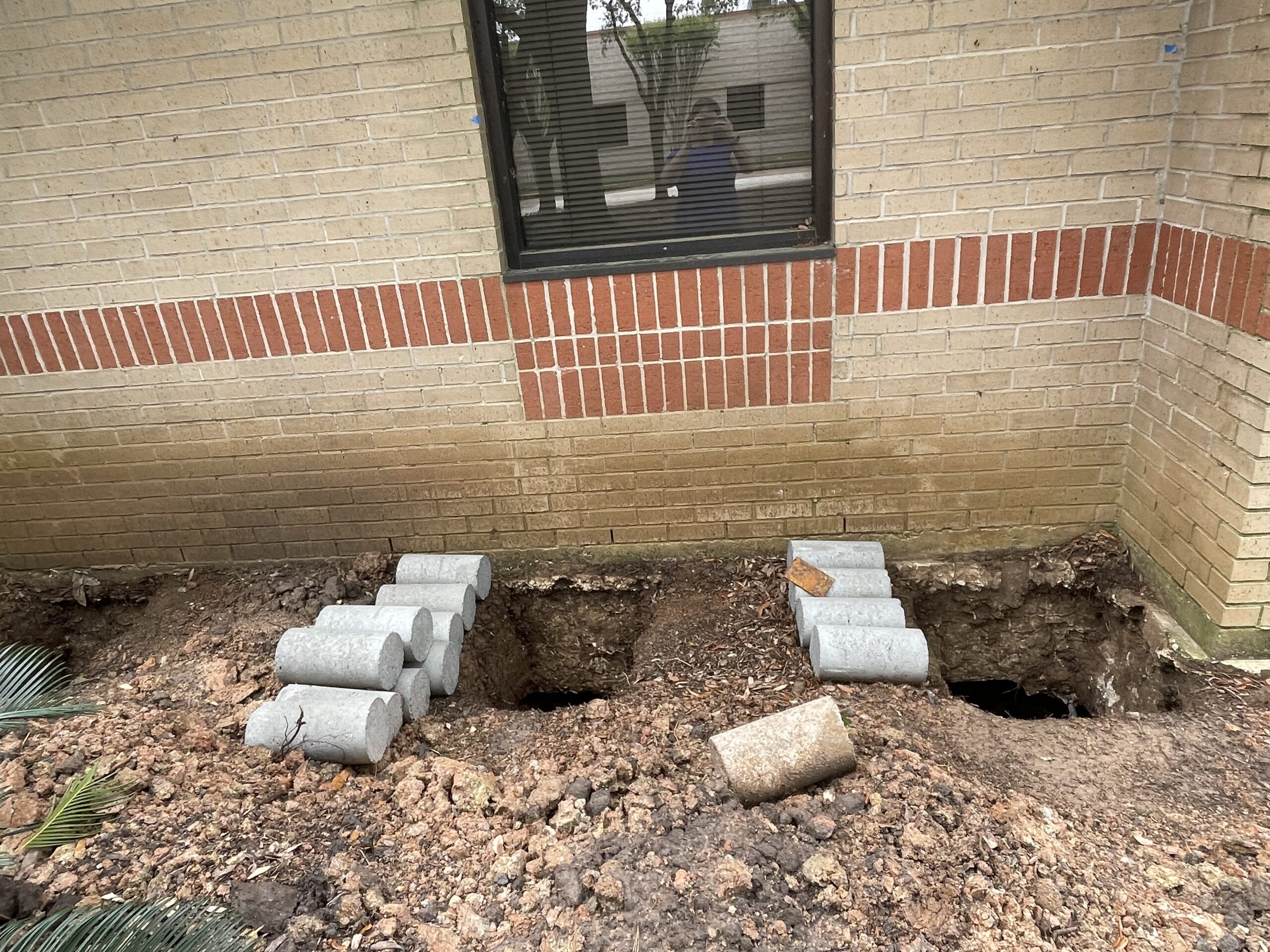
Contractors will often review the building’s original soil report or request new core samples. This data determines the depth at which stable soil or rock strata can be found. In Rockwall, steel piers or concrete pressed pilings are typically driven to these stable depths to provide long-term load support for the slab.
3. Execution of Repairs
Once the engineering plan is finalized, the company will mobilize equipment. This often involves:
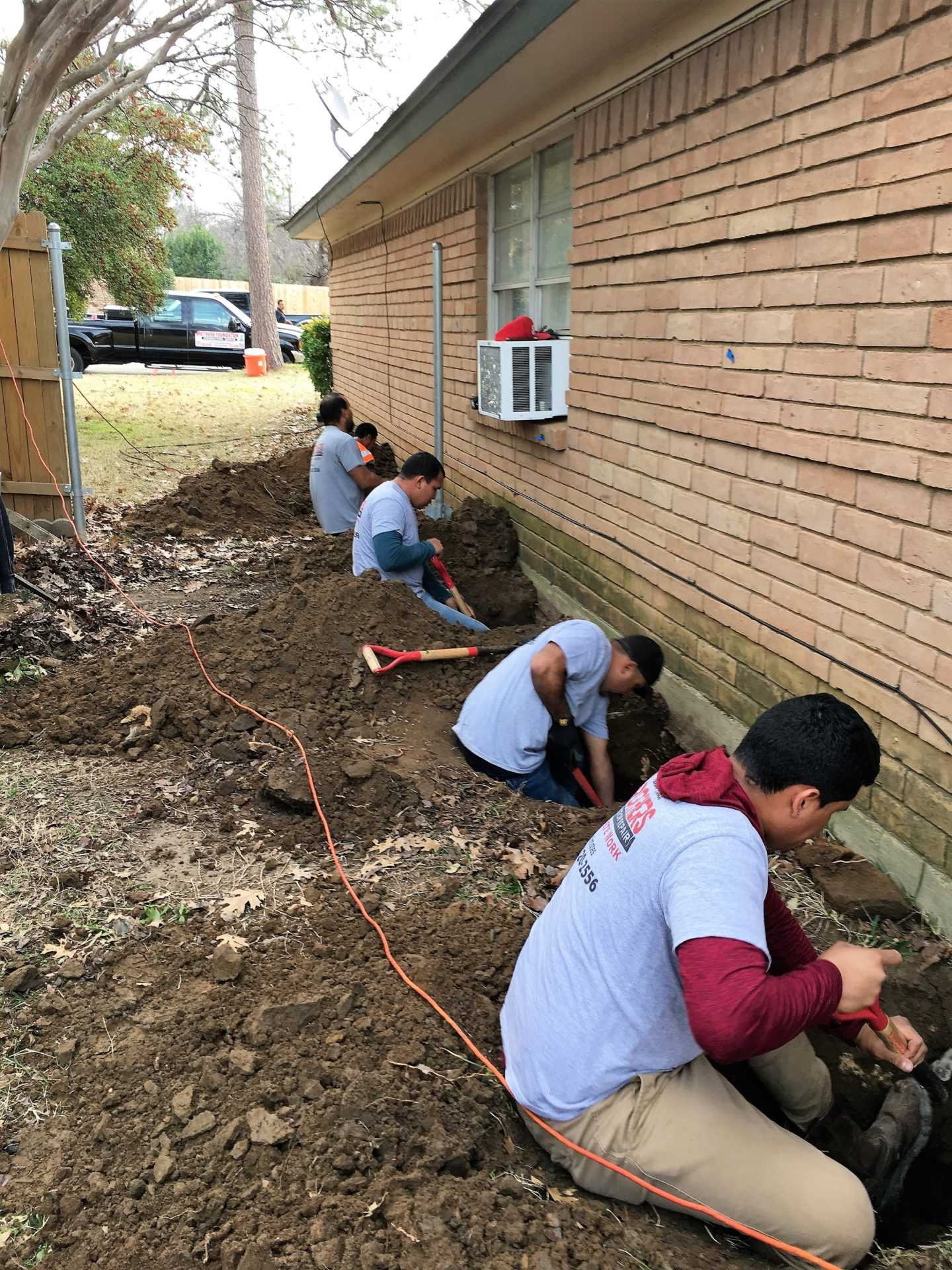
- Pier Installation: Using hydraulic equipment to drive steel or concrete piers beneath the building’s perimeter or interior grade beams.
- Slab Jacking or Underpinning: Using specialized grouts or mechanical lifting systems to restore the slab to its original elevation.
- Drainage Correction: Because soil movement is moisture-driven, no repair is complete without addressing surface water drainage, which may involve installing French drains, swales, or grading adjustments to ensure water flows away from the structure.
4. Post-Repair Verification
After the lifting process, the engineer will perform a final level check to ensure the structure has been stabilized and, where possible, leveled within acceptable tolerance ranges. A formal letter of completion or a sealed engineering report is usually provided for your property records, which is essential for future title transfers or commercial refinancing.
Comparing Common Foundation Repair Methodologies
Commercial projects require methods that provide high weight-bearing capacity and long-term durability.
| Method | Best For | Typical Depth | Durability |
|---|---|---|---|
| Pressed Concrete Piling | Lightweight structures / Minor adjustments | 10–15 feet | Moderate |
| Steel Resistance Piers | Heavy commercial / Multi-story | To refusal (bedrock) | High |
| Helical Piers | Stable soil / High load capacity | Deep strata | Very High |
| Polyurethane Injection | Voids under slabs / Minor lifting | Surface to sub-base | Targeted |
What to Expect During the Project
Commercial property owners should anticipate some level of disruption. Unlike residential foundation work, commercial sites may require ongoing business operations during repairs. Discuss the following with your contractor during the bidding phase:
- Site Logistics: Where will equipment be stored? Will sections of the parking lot need to be cordoned off?
- Noise and Vibration: Will the installation of piers cause significant vibration that could damage sensitive internal equipment or disrupt tenants?
- Safety and Liability: Ensure the company carries commercial-grade general liability and worker’s compensation insurance. Request a certificate of insurance (COI) that names your property management entity as an additional insured.
- Permitting: The contractor should manage the permit acquisition process with the City of Rockwall. Verify that they are licensed to perform work within the city limits.
Common Pitfalls to Avoid
The most common mistake property owners make is prioritizing the lowest bid without verifying the structural engineering component. Foundation repair is a permanent alteration to a building’s core structural system. A failure in the repair process can lead to litigation, code violations, and decreased property value.
Another frequent error is ignoring the "root cause." If the foundation has shifted due to a leaky plumbing pipe under the slab, lifting the foundation without repairing the pipe will result in immediate, catastrophic secondary failure. Always mandate a hydrostatic plumbing test before authorizing any lifting or leveling.
Evaluating Potential Contractors
When vetting firms, look for these indicators of professional competency:
- Engineering Partnerships: Does the company work regularly with local, licensed structural engineers?
- References: Can they provide examples of previous commercial work within Rockwall or the surrounding Dallas-Fort Worth metroplex?
- Warranty Specifics: Understand the difference between a "transferable" warranty and a "limited" warranty. For commercial assets, seek a warranty that covers both materials and labor and remains valid if the property is sold.
- Transparency: A reputable contractor will explain the "heave" and "settlement" risks clearly. Be wary of any company that guarantees a perfectly level building, as old commercial structures often cannot be returned to 100% original elevation without risking damage to the building envelope.
Frequently Asked Questions
Does foundation repair require a building permit in Rockwall? Yes. Any structural modification, including foundation underpinning or pier installation, requires a permit through the City of Rockwall Building Inspections Department. The contractor is generally responsible for pulling these permits, but it is the owner’s responsibility to verify that they have been issued.
How do I know if I need a structural engineer? For commercial properties, you should always consult a licensed professional engineer (PE). They provide the objective design specifications required to ensure the repair actually addresses the structural failure rather than just masking the symptoms.
Can foundation work be done without closing my business? In many cases, yes. Most commercial foundation work is performed on the exterior of the building. However, if interior piers are required to stabilize a support column, localized office or retail closures may be necessary for safety.
What is the average timeline for a commercial foundation job? Timeline varies significantly based on the size of the building and the complexity of the failure. A smaller retail strip center might be stabilized in two to three weeks, while a large commercial complex could require several months of staged work.
What does a "transferable" warranty mean for my property? If you sell the property, a transferable warranty allows the new owner to retain the protection provided by the original repair. This is a significant selling point for commercial real estate, as it demonstrates that the structural health of the building has been professionally maintained.
Final Recommendation
Begin your process by contacting a local, independent structural engineer who specializes in commercial slab inspections. Use their assessment as your primary document when soliciting bids from foundation repair companies. By separating the diagnostic phase from the bidding phase, you ensure that you receive competitive quotes based on identical structural requirements, protecting both your budget and the long-term integrity of your commercial asset.
Image Gallery