Analyzing Hakeem Seriki: The Net Worth Profile and Professional Impact
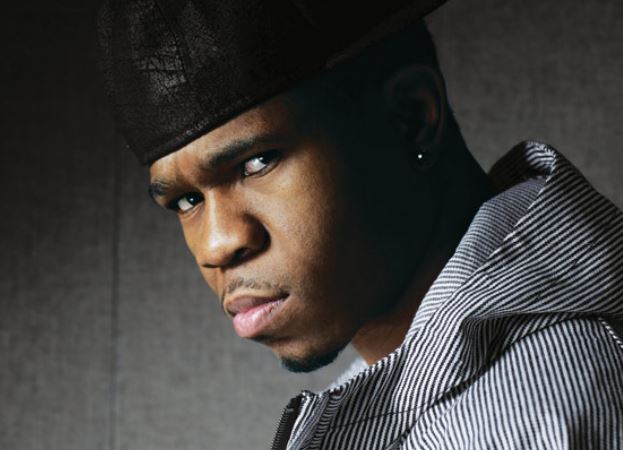
Hakeem Seriki, better known by his stage name Chamillionaire, is a prominent American rapper, entrepreneur, and venture capitalist. His net worth is primarily derived from a multifaceted career that spans chart-topping musical achievem...
Hakeem Seriki, better known by his stage name Chamillionaire, is a prominent American rapper, entrepreneur, and venture capitalist. His net worth is primarily derived from a multifaceted career that spans chart-topping musical achievements in the 2000s and a highly successful pivot into technology investment and startup consulting, cementing his status as a savvy business mogul in 2026.
Contents
The Evolution of Hakeem Seriki’s Professional Identity
To understand the financial standing of Hakeem Seriki, one must first distinguish between his persona as a platinum-selling recording artist and his current reality as a professional investor. Born in Washington, D.C., and raised in Houston, Texas, Seriki gained national recognition in the mid-2000s. His debut studio album, The Sound of Revenge, was released in 2005 and remains his most commercially significant musical project. The lead single, "Ridin'," became a cultural phenomenon, earning him a Grammy Award for Best Rap Performance by a Duo or Group in 2007.
While many artists from that era experienced rapid financial decline, Seriki’s trajectory took a different path. He utilized the capital generated during his peak music years—driven by record sales, touring, and merchandise—as seed money for his transition into the corporate world. Unlike peers who focused solely on music-adjacent ventures like clothing lines, Seriki gravitated toward the Silicon Valley ecosystem, focusing on software, mobile technology, and venture capital.
Assessing the Components of Financial Success
The net worth of an individual with such diverse interests is rarely tied to a single asset class. By 2026, Seriki’s wealth profile is characterized by a mix of legacy music royalties, long-term investments in high-growth startups, and advisory roles.
Music Industry Assets
Though his output as a recording artist slowed significantly following the late 2000s, Seriki retains interests in his intellectual property. The streaming era has allowed legacy artists to continue generating consistent, albeit smaller, revenue streams from their back catalogs. His music rights serve as a foundational, passive income component that provides liquidity, allowing him the freedom to pursue higher-risk entrepreneurial ventures.
Venture Capital and Startup Investing
The most significant component of his current profile is his activity as a venture capitalist. Seriki is a founding member of the venture capital firm Upfront Ventures' "Entrepreneur in Residence" program and has been an early investor in several prominent tech companies. His investment philosophy often emphasizes companies that solve practical problems through software. His early stake in Maker Studios, which was eventually acquired by The Walt Disney Company for approximately $500 million, stands out as a landmark moment in his investment career. This move signaled to the industry that his business acumen extended far beyond the recording studio.
Comparative Financial Overview
The following table provides a breakdown of the typical revenue sources for artists-turned-entrepreneurs in the technology space, illustrating how Seriki’s profile aligns with successful transitions.
| Revenue Stream | Nature of Asset | Impact on Long-term Wealth |
|---|---|---|
| Music Royalties | Intellectual Property | Low-growth, predictable passive income |
| Equity in Startups | Venture Capital | High-growth, high-risk, exit-dependent |
| Advisory Fees | Service/Consulting | Active income tied to professional expertise |
| Real Estate/Diversified | Hard Assets | Inflation hedge, capital preservation |
Prerequisites for Understanding Net Worth Estimates
When evaluating the net worth of public figures like Hakeem Seriki, readers must exercise caution regarding the terminology and methodology used by various outlets. Net worth is an estimate based on publicly available data and disclosures; it is not an audited financial statement.
- Illiquid Assets: Much of Seriki’s wealth is tied up in private equity and company shares. These assets cannot be sold or "cashed out" instantly, meaning they do not reflect his liquid cash position.
- Tax Liabilities: Estimates rarely account for tax obligations, operating costs of investment firms, or debt structures.
- Market Volatility: The valuation of tech startups fluctuates based on market conditions, funding rounds, and IPO status. A company that is valued at $100 million in one funding cycle may see that valuation shift significantly in the next.
Strategic Shift: From Entertainment to Venture Capital
Seriki’s transition from hip-hop to tech was not merely a change in industry; it was a fundamental shift in business model. In the music industry, artists are often dependent on labels and promoters. As a venture capitalist, Seriki acts as a capital allocator and strategic advisor.
He has leveraged his platform to bridge the gap between the entertainment industry and the technology sector. By focusing on firms that leverage digital media, he has been able to bridge his expertise in consumer behavior with the technical requirements of software startups. This "domain expertise" allows him to evaluate investments through a lens that many traditional venture capitalists might lack—specifically, the understanding of how viral trends translate into user acquisition and retention.
Common Misconceptions Regarding Celebrity Wealth
A recurring issue in analyzing the net worth of individuals like Hakeem Seriki is the assumption that their primary source of wealth remains their most famous profession. While the public identifies him as the voice behind "Ridin'," his wealth-building activity has been largely absent from the music charts for over a decade.
- Myth 1: Celebrity net worth is primarily liquid cash. In reality, high-net-worth individuals maintain the majority of their wealth in businesses, real estate, and stocks.
- Myth 2: Past fame equals current income. While fame aids in networking and opening doors in the venture capital space, it does not guarantee the success of an investment portfolio.
- Myth 3: High revenue implies high net worth. High-earning years are often offset by lifestyle expenses and tax burdens. Seriki’s emphasis on investment rather than consumption has been a critical factor in his financial longevity.
Frequently Asked Questions (FAQ)
1. Is Hakeem Seriki still active in the music industry? While he is not releasing music at the same frequency as his peak years, he retains the rights to his catalog. His professional focus has moved toward technology investment, though he occasionally engages in creative projects or industry commentary.
2. What was Seriki’s most significant investment success? His early investment in Maker Studios is widely cited as his most successful exit. The acquisition of Maker Studios by The Walt Disney Company provided a significant windfall that solidified his reputation as an astute technology investor.
3. Does Seriki manage his own investments? Seriki often collaborates with established venture firms and investment groups. By aligning himself with institutions like Upfront Ventures, he gains access to proprietary deal flow and institutional-grade vetting processes that are essential for long-term venture success.
4. Can fans invest in the same companies as Seriki? Generally, no. Most of the startups he invests in are in the "private equity" phase, meaning they are not available for public trading on stock exchanges. Participation in these rounds is typically reserved for accredited investors and institutional venture capital firms.
Financial Management and Future Outlook
For those looking to replicate a similar transition from entertainment to investment, Seriki’s career provides a blueprint for fiscal responsibility. He has frequently emphasized the importance of saving, understanding equity, and networking with individuals who are smarter than oneself in technical domains.
In 2026, Seriki continues to operate as a venture capitalist, focusing on startups that prioritize scalable technology and clear market utility. His current net worth profile is a reflection of disciplined capital deployment rather than the volatility of hit-making. As the digital economy evolves, his focus on private technology markets suggests that his wealth will continue to be tied to the growth of early-stage software companies rather than the entertainment assets that originally brought him to prominence.
If you are researching his profile to understand his business model, prioritize focusing on his venture portfolio and advisory roles. For those interested in his music, recognize it as the historical foundation of his capital, but not the primary driver of his current financial portfolio. Always consult with a licensed financial advisor if you are seeking investment advice, as the strategies employed by high-net-worth individuals are specific to their risk tolerance and liquidity requirements.
Image Gallery