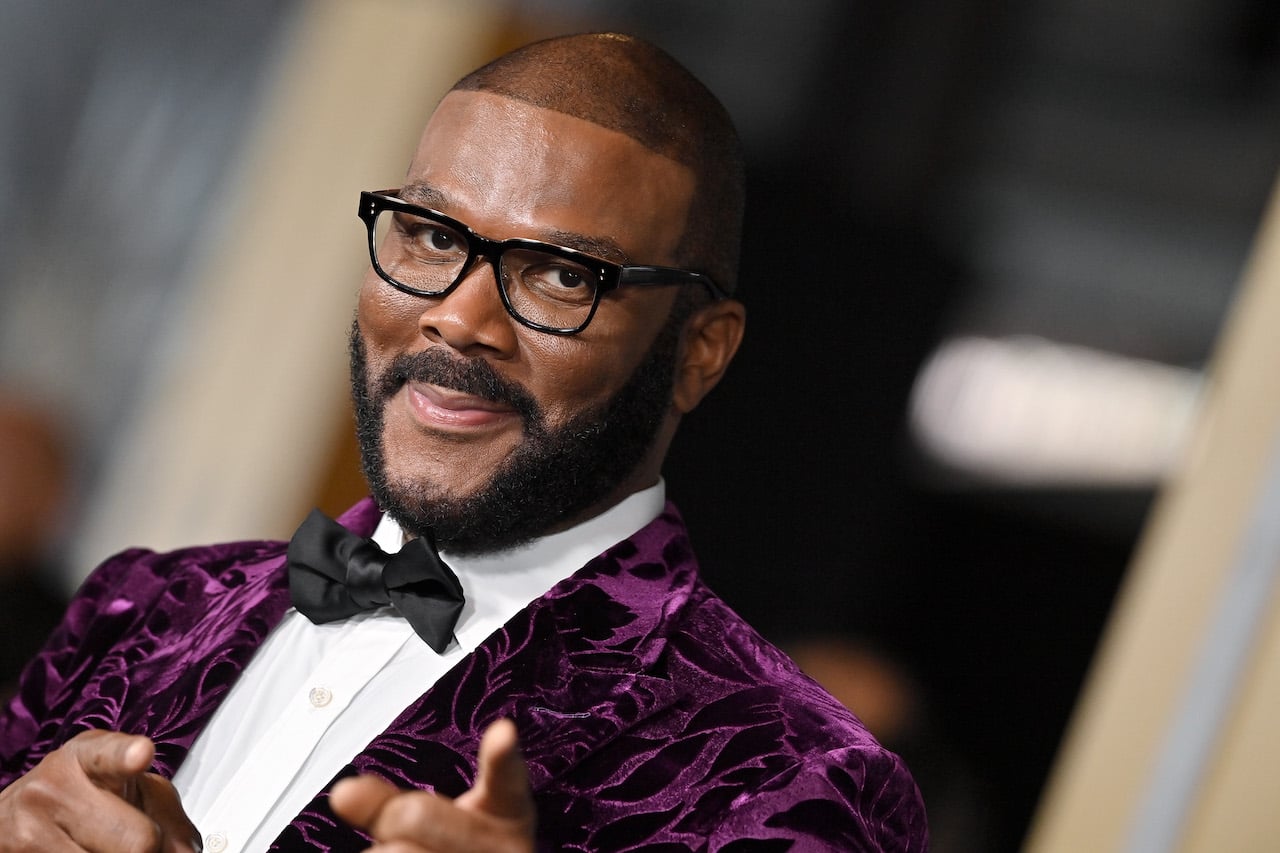
Why Tyler Perry is Famous: From the Chitlin' Circuit to a Global Media Empire
Tyler Perry is famous for his multifaceted career as an actor, director, producer, and playwright, most notably for creating and portraying the iconic character Madea. His fame is rooted in his unprecedented business model of 100% cont...
Tyler Perry is famous for his multifaceted career as an actor, director, producer, and playwright, most notably for creating and portraying the iconic character Madea. His fame is rooted in his unprecedented business model of 100% content ownership and the establishment of Tyler Perry Studios, one of the largest production facilities in the United States.
Contents
By 2026, Tyler Perry’s influence has transcended traditional Hollywood boundaries, positioning him not just as an entertainer, but as a historic figure in media infrastructure and economic empowerment. His rise from homelessness to billionaire status is a cornerstone of his public identity, representing a unique blend of faith-based storytelling and aggressive entrepreneurial independence. Understanding his fame requires looking at the specific pillars of his career: the Madea phenomenon, his revolutionary television deals, and the physical expansion of his studio empire in Atlanta.
The Cultural Phenomenon of Madea
The primary catalyst for Tyler Perry’s fame was the creation of Mabel "Madea" Simmons. First appearing in the 1999 play I Can Do Bad All by Myself, Madea is a tough, gun-toting, chain-smoking grandmother whose character is based on Perry’s mother and aunt. This character served as the bridge between the "Chitlin' Circuit"—a collection of performance venues throughout the eastern, southern, and upper midwest areas of the United States that were safe and receptive to African American artists—and mainstream global cinema.
Madea resonated with audiences because she represented a familiar archetype in many Black households: a matriarch who balanced comedy with harsh truths and a deep, albeit unconventional, moral compass. Perry’s ability to perform this role himself, using drag as a comedic tool while maintaining the character's authority, allowed him to build a loyal fanbase that Hollywood had largely ignored.
When Madea transitioned to the big screen in 2005’s Diary of a Mad Black Woman, the film’s massive success (grossing over $50 million on a $5.5 million budget) shocked industry analysts. This success proved that there was a massive, underserved market for stories centered on Black families, faith, and resilience. For over two decades, the Madea franchise became a reliable box-office engine, consistently generating hundreds of millions of dollars and making Perry a household name.
Vertical Integration and Content Ownership
While many actors and directors are famous for their craft, Perry is uniquely famous for his business acumen. Early in his career, after experiencing the volatility of the theater world, Perry made a strategic decision to own his masters and his production rights. This level of vertical integration—where one individual controls the writing, directing, producing, and starring roles—is rare in the entertainment industry.
The Lionsgate Partnership
Perry’s fame grew significantly through his partnership with Lionsgate. Unlike traditional studio deals where the studio owns the intellectual property, Perry negotiated an arrangement where he retained ownership of his films. Lionsgate acted primarily as a distributor, taking a fee while Perry kept the lion's share of the profits and the long-term rights to the content. This model allowed him to amass wealth at a rate far exceeding his peers, eventually leading to his status as a billionaire, as documented by Forbes.
The 10/90 Television Model
In the television space, Perry revolutionized how content was produced and sold. He pioneered the "10/90" deal with the sitcom House of Payne. Under this arrangement, a network (in this case, TBS) would buy 10 episodes of a show. If those episodes hit a certain ratings threshold, the network was obligated to trigger an additional 90-episode order. This provided Perry with immediate syndication-ready volume, ensuring massive financial returns and constant visibility on cable television. By 2026, this high-volume production style remains a hallmark of his work, allowing him to dominate airwaves with multiple concurrent series.
Tyler Perry Studios: A Historic Milestone
A major component of why Tyler Perry is famous involves his physical footprint in the industry. In 2019, he officially opened the new Tyler Perry Studios on the site of the former Fort McPherson, a decommissioned Army base in Atlanta, Georgia. The studio complex spans 330 acres, making it larger than the major lots of Disney, Warner Bros., and Paramount combined.
This achievement is historically significant because Perry became the first African American to own a major film studio outright, without the backing of a parent corporation or conglomerate. The studio features:
- 12 Massive Soundstages: Each named after a legendary Black figure in entertainment, such as Sidney Poitier and Oprah Winfrey.
- Diverse Backlots: Including a permanent replica of the White House, a luxury hotel, and a suburban cul-de-sac.
- Economic Impact: The studio has been a primary driver of Georgia’s film industry, attracting major productions from other studios, including Marvel’s Black Panther.
The existence of this studio is a testament to Perry's "do it yourself" ethos. By owning the land and the equipment, he eliminated the need to "ask for a seat at the table," a phrase he famously used during his 2019 BET Awards speech. This narrative of self-sufficiency has made him a symbol of economic empowerment and leadership.
Strategic Partnerships and the Streaming Era
Perry’s fame is also tied to his ability to adapt to changing media landscapes. His partnership with Oprah Winfrey and the OWN Network was a turning point for both parties. Perry’s scripted dramas, such as The Haves and the Have Nots, provided the ratings boost necessary to stabilize OWN during its early years. This collaboration between two media titans cemented Perry’s status as a kingmaker in the industry.
In recent years, his move to ViacomCBS (now Paramount) further expanded his reach. The creation of BET+, a joint venture streaming service, relies heavily on Perry’s library and new original content. By 2026, the strategy of moving his core audience from linear cable to digital streaming has proven successful, ensuring his relevance in an era where traditional television viewership is declining.
| Career Milestone | Year | Significance |
|---|---|---|
| I Can Do Bad All by Myself | 1999 | Debut of the Madea character in theater. |
| Diary of a Mad Black Woman | 2005 | First major film; proved the "underserved audience" theory. |
| TBS Deal (House of Payne) | 2006 | Introduced the high-volume 10/90 syndication model. |
| OWN Partnership | 2012 | Stabilized Oprah Winfrey's network with scripted content. |
| Studio Opening (Ft. McPherson) | 2019 | Became the first Black owner of a major film studio. |
| Forbes Billionaire Ranking | 2020 | Formal recognition of his massive financial success and ownership. |
| BET+ Launch/Expansion | 2019-2026 | Secured a dominant position in the streaming market. |
Criticisms and the "Auteur" Status
Tyler Perry’s fame is not without controversy, which ironically has contributed to his visibility. He is often criticized for his "auteur" approach, specifically his tendency to write, direct, and produce every episode of his shows without a traditional writers' room. Critics have argued that this leads to inconsistent quality and relies on melodramatic tropes.
Furthermore, some academic circles and filmmakers have criticized his work for perpetuating stereotypes. However, Perry has consistently defended his work by stating that his stories are for the people he grew up with—individuals whose lives are often ignored by high-brow cinema. This tension between critical reception and massive commercial success is a key part of his public narrative. He is famous for being "critic-proof"; no matter what reviewers say, his audience remains fiercely loyal.
Philanthropy and Social Impact
Beyond entertainment, Perry is famous for his extensive philanthropic work. He has a reputation for stepping in during crises, such as providing private planes for families in need, donating millions to the NAACP, and supporting the elderly in the Atlanta area. During the 2020 pandemic and the subsequent years, his "Camp Quarantine" model at his studios allowed production to continue safely, providing jobs when most of Hollywood was shut down.
His philanthropy is often tied to his faith. Perry is vocal about his Christian beliefs, and themes of forgiveness and divine intervention are central to his plots. This alignment with the values of his core demographic has created a bond of trust that goes beyond the typical actor-fan relationship.
Frequently Asked Questions
What is Tyler Perry's most famous character?
Mabel "Madea" Simmons is undoubtedly his most famous character. A tall, elderly woman with a quick temper and a heart of gold, she has appeared in over a dozen plays and movies. Perry performs the role himself, using the character to deliver both slapstick comedy and poignant life lessons about family and faith.
How did Tyler Perry become a billionaire?
Perry achieved billionaire status primarily through ownership. Unlike most creators, he owns 100% of the content he produces. By controlling the production, distribution rights, and the physical studio space where the content is filmed, he captures the profit at every level of the value chain. His 2020 inclusion in the Forbes billionaire list confirmed the success of this strategy.
Is Tyler Perry Studios open to the public?
While it is a working production facility and not a theme park, the studio has occasionally hosted major events and tours. However, its primary function is as a hub for film and television production for both Tyler Perry's projects and outside productions like those from Marvel and Netflix.
Why does Tyler Perry film in Atlanta?
Perry is a central figure in making Atlanta the "Hollywood of the South." He chose Atlanta because of its vibrant Black culture, its history as a hub for civil rights, and the significant tax incentives provided by the state of Georgia. His presence there has created thousands of jobs and established the city as a global center for media production.
Does Tyler Perry write all of his own scripts?
For many years, Perry was the sole writer for his television shows and films. While he has recently begun to incorporate more collaborative elements and writers' rooms for certain projects, his fame was built on his ability to produce an incredible volume of work single-handedly, often writing entire seasons of television in a matter of weeks.
Practical Takeaway: The Legacy of Independence
Tyler Perry is famous because he rewrote the rules of the entertainment industry. He demonstrated that by understanding a specific audience and maintaining ownership of one's work, it is possible to bypass traditional gatekeepers. For creators and entrepreneurs in 2026, Perry’s career serves as a masterclass in brand loyalty, vertical integration, and the importance of self-belief. His legacy is not just the movies he made, but the infrastructure he built, ensuring that the next generation of filmmakers has a literal and figurative place to create.
Image Gallery