Understanding the Definition of a Narcissistic Person: Traits, Dynamics, and Psychology
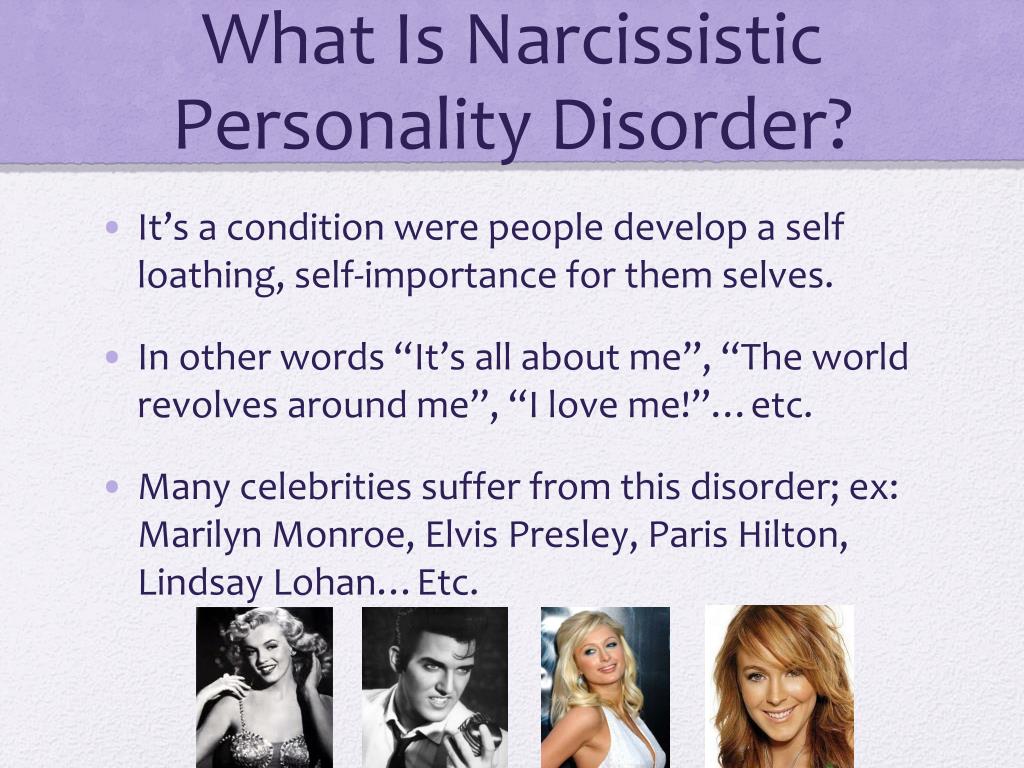
The definition of a narcissistic person centers on a pervasive pattern of grandiosity, an ongoing need for excessive admiration, and a profound lack of empathy. Clinical and psychological frameworks describe individuals exhibiting thes...
The definition of a narcissistic person centers on a pervasive pattern of grandiosity, an ongoing need for excessive admiration, and a profound lack of empathy. Clinical and psychological frameworks describe individuals exhibiting these traits as possessing an inflated sense of self-importance coupled with an extreme vulnerability to perceived criticism.
Contents
Navigating relationships, professional environments, or personal interactions with someone who displays high levels of narcissism requires a clear understanding of what the term actually means. In clinical psychology and everyday discourse, the concept spans a wide spectrum—ranging from normative human egoism to diagnosable personality pathology. Exploring this subject involves examining clinical criteria, behavioral manifestations, psychological underlying mechanisms, and practical coping strategies for those affected by these dynamics.
Clinical Frameworks: Defining Narcissism in Psychology
To establish a rigorous definition of a narcissistic person, behavioral scientists rely on established diagnostic manuals and empirical personality research. The primary diagnostic benchmark resides in the Diagnostic and Statistical Manual of Mental Disorders (DSM-5), published by the American Psychiatric Association, which outlines Narcissistic Personality Disorder (NPD).
NPD represents a clinical extreme characterized by an enduring pattern of inner experience and behavior that markedly deviates from cultural expectations. However, subclinical narcissism exists along a continuum. Many individuals exhibit narcissistic traits—such as vanity, ambition, or self-focus—without meeting the full criteria for a personality disorder. Understanding the boundary between healthy self-esteem and pathological narcissism is essential for accurate identification and interaction.
The Diagnostic Criteria for Narcissistic Personality Disorder
According to clinical guidelines, a formal diagnosis of NPD requires an individual to exhibit a pervasive pattern of grandiosity, need for admiration, and lack of empathy, beginning by early adulthood and present in a variety of contexts. This pattern must manifest by the presence of five or more specific behavioral indicators:
- Grandiose sense of self-importance: Exaggerating achievements and talents, expecting to be recognized as superior without commensurate achievements.
- Preoccupation with fantasies: Being absorbed by fantasies of unlimited success, power, brilliance, beauty, or ideal love.
- Belief in specialness: Believing that they are "special" and unique and can only be understood by, or should associate with, other high-status people or institutions.
- Requirement for excessive admiration: Demanding constant praise, validation, and preferential treatment from others.
- Sense of entitlement: Having unreasonable expectations of especially favorable treatment or automatic compliance with their expectations.
- Interpersonally exploitative behavior: Taking advantage of others to achieve their own ends.
- Lack of empathy: Being unwilling to recognize or identify with the feelings and needs of others.
- Envy of others or belief that others are envious of them: Harboring resentment toward achievements while falsely believing peers covet their status.
- Arrogant, haughty behaviors or attitudes: Displaying patronizing, dismissive, or contemptuous interactions toward individuals perceived as inferior.
Core Behavioral Traits and Presentation Styles
Beyond the clinical checklist, the practical definition of a narcissistic person involves observable behavioral patterns that manifest in daily interactions. Psychologists generally categorize these presentations into distinct sub-types, primarily grandiose narcissism and vulnerable (or covert) narcissism.
While grandiose narcissists are loud, bold, and overtly demanding of attention, vulnerable narcissists display high levels of insecurity, defensiveness, and quiet bitterness. Despite their outward differences, both sub-types share core psychological features: a fragile underlying self-esteem, deep-seated self-absorption, and an inability to maintain genuine, reciprocal emotional intimacy.
Comparing Manifestations of Narcissistic Presentation
| Feature / Domain | Grandiose Narcissism | Vulnerable (Covert) Narcissism |
|---|---|---|
| Outward Demeanor | Bold, boastful, outwardly confident, and dominant. | Quiet, defensive, anxious, and chronically victimized. |
| Response to Criticism | Outward anger, dismissal, counter-attack, or rage. | Withdrawal, silent treatment, deep shame, or martyrdom. |
| Need for Attention | Overtly demands center stage, applause, and special status. | Seeks subtle pity, validation, and reassurance of suffering. |
| Empathy Deficit | Openly dismissive of others' needs and emotional states. | Self-absorbed through internal focus on personal pain and grievance. |
| Underlying Self-Image | Consciously believes they are superior to everyone else. | Secretly feels inadequate while believing they deserve better. |
The Psychological Mechanics: Why Narcissism Develops
Exploring the etiology of narcissistic traits requires looking at developmental psychology and attachment theory. Most contemporary researchers agree that personality disorders stem from a complex interaction of genetic vulnerabilities, neurobiological factors, and environmental influences during childhood.
A widely accepted psychological model suggests that pathological narcissism often serves as a defensive armor against deep-seated emotional trauma, neglect, or conditional parenting. When a child experiences environments where affection is contingent solely on achievement, perfection, or compliance, they may develop a false, idealized self to protect their vulnerable, authentic self from rejection.
Key Developmental and Environmental Factors
- Parenting Styles: Research indicates extremes in parenting—ranging from excessive pampering, overvaluation, and instilling a sense of unearned superiority to severe emotional neglect, abuse, or unpredictable warmth—frequently correlate with the development of narcissistic defenses.
- Temperament: Innate neurobiological differences, such as heightened sensitivity to emotional stimuli or low baseline empathy capacity, interact with environmental triggers to shape personality trajectory.
- Social Learning: Children who observe narcissistic behaviors modeled by primary caregivers or cultural peers may internalize manipulation, lack of accountability, and grandiosity as adaptive survival strategies.
Impact on Interpersonal Relationships and Workplace Dynamics
The definition of a narcissistic person becomes starkly apparent when examining their interpersonal relationships. Because individuals with high narcissistic traits struggle with genuine empathy, relationships often become asymmetrical. Partners, family members, colleagues, and friends frequently report feeling used, emotionally drained, and invalidated.
In romantic relationships, interactions often follow a predictable cycle: an initial idealization phase (often called "love bombing"), followed by a devaluation phase where flaws are heavily criticized, and culminating in a discard or withdrawal phase when the individual no longer serves the narcissist's emotional or practical needs.
Professional and Organizational Consequences
In the workplace, narcissistic individuals may initially appear charismatic, ambitious, and visionary, making them successful in climbing corporate hierarchies. However, their long-term impact on team dynamics is frequently destructive:
- Credit-Taking and Blame-Shifting: Taking full credit for collaborative successes while deflecting responsibility for errors onto subordinates.
- Toxic Communication: Utilizing gaslighting, manipulation, and intimidation to maintain control and status.
- Impaired Collaboration: Disregarding institutional rules or ethical boundaries to advance personal professional standing at the expense of team cohesion.
Strategies for Managing Interactions and Setting Boundaries
Interacting with a narcissistic person—whether in a family setting, a workplace, or a shared community environment—demands clear boundaries and realistic expectations. Trying to change or "cure" a narcissist through affection or reason is generally ineffective, as these behavioral patterns are deeply ingrained and ego-syntonic (meaning the individual does not perceive them as problematic).
Mental health professionals recommend several evidence-based approaches to protect one's emotional well-being when dealing with such individuals:
- Establish Firm, Enforceable Boundaries: Clearly define what behavior is acceptable and establish immediate, non-negotiable consequences for boundary violations.
- Practice Emotional Detachment (The Gray Rock Method): When interaction is unavoidable, respond with uninteresting, flat, and unemotional communication to minimize providing the emotional stimulation or conflict the individual seeks.
- Focus on Facts, Not Emotions: Keep communications in professional or legal settings strictly objective, documented, and factual to prevent circular arguments or emotional manipulation.
- Seek Professional Support: Consult licensed therapists or counselors who specialize in narcissistic abuse recovery or interpersonal boundary setting to process experiences and rebuild self-trust.
Disclaimer: This article is for informational and educational purposes only and does not constitute formal psychological, clinical, or psychiatric diagnosis or medical advice. Individuals experiencing distress related to interpersonal relationships should consult a qualified mental health professional.
Frequently Asked Questions
What is the primary difference between healthy self-esteem and narcissism?
Healthy self-esteem involves a stable, realistic appreciation of one's worth coupled with genuine empathy and respect for others. Narcissism, particularly in its pathological forms, relies on an inflated, fragile self-image that requires constant external validation, exploitation of others, and an inability to tolerate criticism or acknowledge personal flaws.
Can a narcissistic person change or seek treatment?
Change is possible, but it is exceptionally rare. Because individuals with narcissistic traits often view their problems as external—blaming others or circumstances—they rarely seek treatment voluntarily. Psychotherapy can be effective if the individual experiences a major life crisis that shatters their grandiose defenses, motivating genuine self-reflection.
Is narcissism genetic or learned?
Research suggests that narcissism develops through a combination of genetic predispositions and environmental factors. While genetic traits related to temperament and emotional regulation play a role, environmental influences such as parenting styles, childhood trauma, and cultural conditioning heavily shape how these traits manifest.
What is covert narcissism?
Covert or vulnerable narcissism is a presentation style where the individual displays introverted, hypersensitive, and anxious behaviors rather than overt grandiosity. Instead of openly boasting, a covert narcissist may play the victim, exhibit chronic passive-aggressiveness, and harbor secret feelings of superiority while demanding constant pity and subtle reassurance.
How do you protect yourself from a narcissistic person in the workplace?
Protecting yourself involves documenting all professional communications, keeping interactions strictly business-oriented, avoiding emotional reactions to provocation, and building a reliable support network of colleagues. In severe cases, involving human resources or seeking alternative employment may be necessary to escape a toxic environment.
Image Gallery