The Evolutionary Trajectory of the Pelican: From Ancient Origins to Modern Specialization
The evolution of the pelican reflects a highly successful adaptation to aquatic life over millions of years. Within the order Pelecaniformes, pelicans represent a lineage defined by the development of the iconic gular pouch, specialize...
The evolution of the pelican reflects a highly successful adaptation to aquatic life over millions of years. Within the order Pelecaniformes, pelicans represent a lineage defined by the development of the iconic gular pouch, specialized webbed feet for propulsion, and a highly efficient plunge-diving mechanism. These anatomical features have remained remarkably stable since the late Miocene epoch, demonstrating a perfected biological design for piscivorous feeding.
Contents
Taxonomic Context and Phylogenetic Position
Pelicans, belonging to the family Pelecanidae, are among the most distinct members of the order Pelecaniformes. For decades, the classification of this order was a subject of intense debate among evolutionary biologists. Early taxonomy grouped pelicans with cormorants, gannets, and frigatebirds due to shared morphological traits like the totipalmate foot—a condition where all four toes are connected by webbing.
However, genetic research conducted in the early 21st century significantly reorganized this classification. Molecular phylogenetic studies indicate that pelicans are more closely related to herons, ibises, and the Hamerkop than to the gannets and cormorants they were previously grouped with. This reassessment highlights the role of convergent evolution; disparate groups developed similar swimming apparatuses independently to suit similar aquatic environments.
The Fossil Record and Early Ancestors
The fossil record of the Pelecanidae is surprisingly robust, offering clear evidence of the family's presence by the early Miocene, approximately 20 to 23 million years ago. One of the most significant ancestral finds is Protopelicanus, discovered in France, which exhibits primitive skeletal structures that bridge the gap between more generalized waterbirds and the specialized pelicans seen today.
By the Pliocene epoch, members of the genus Pelecanus had already established the primary anatomical characteristics observed in living species. Evolution for the pelican was less about radical transformation and more about the refinement of existing tools for survival. The transition from terrestrial or generalist ancestors to specialized piscivores necessitated three primary evolutionary adjustments:
- Bill Morphology: The expansion of the mandible to support the flexible, distensible skin of the gular pouch.
- Skeletal Lightness: The increase in pneumatization of the bones (air-filled sacs) to improve buoyancy and reduce weight during flight.
- Respiratory Adaptation: The development of air sacs beneath the skin to cushion the impact of plunge-diving, a hallmark behavior for the larger pelican species.
Functional Anatomy: The Evolution of the Pouch
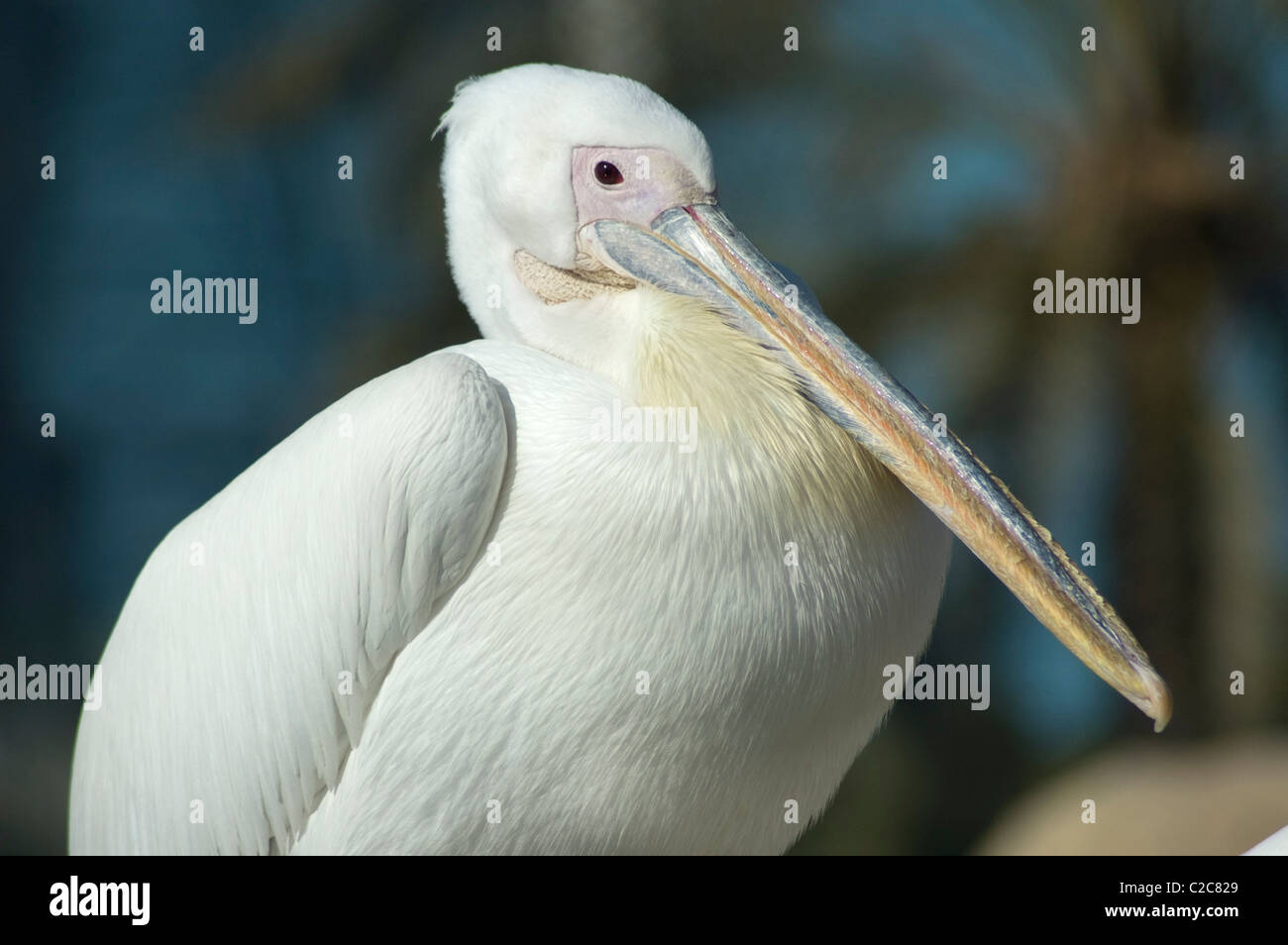
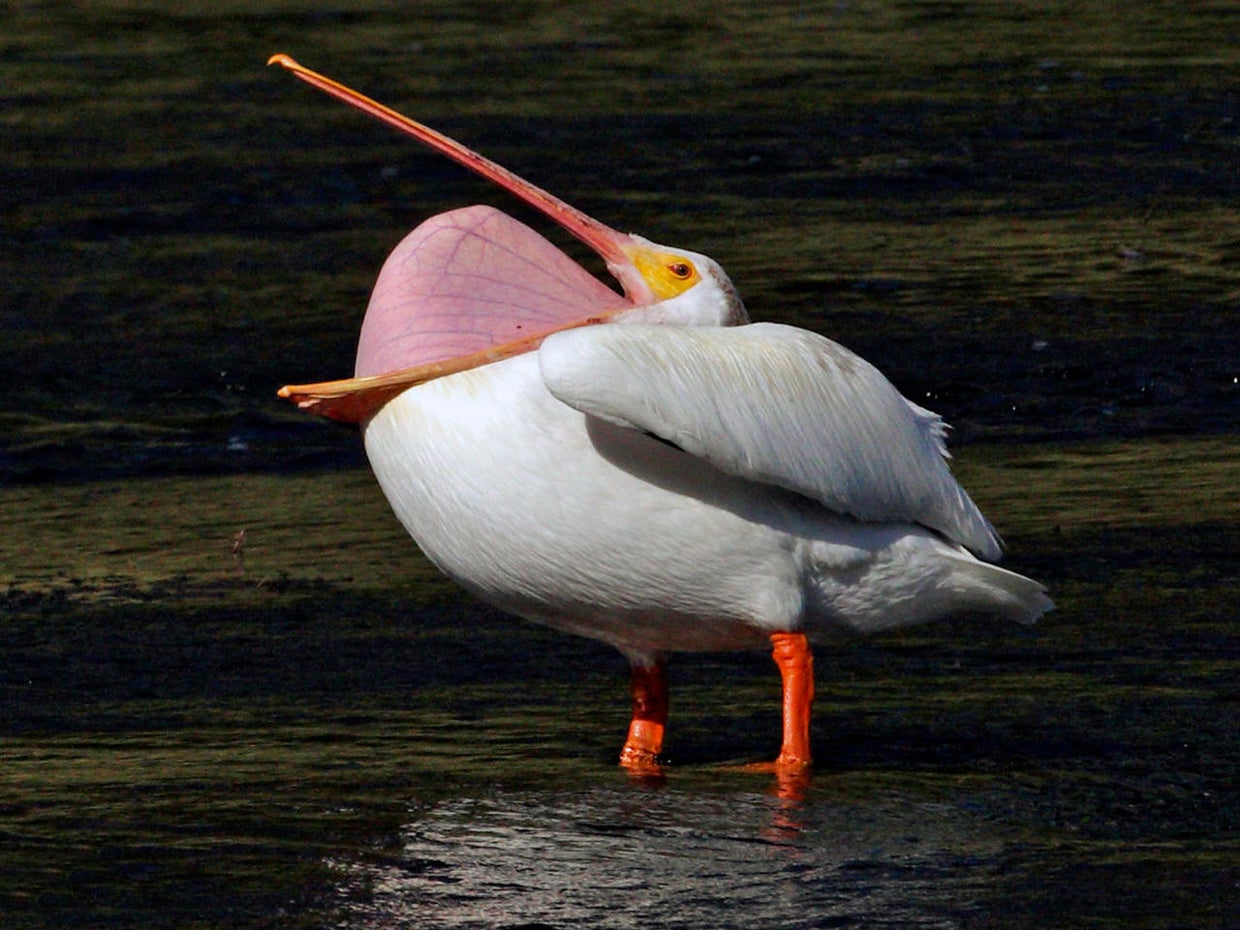
The most striking feature of the pelican is its gular pouch. From an evolutionary perspective, this structure is a highly specialized adaptation for mass-feeding. Unlike birds that swallow individual fish, the pelican’s pouch allows it to capture significant volumes of water—and the prey within it—in a single motion.
This development is inextricably linked to the species' foraging strategy. The "filter-feeding" or scoop-feeding mechanism is efficient in both shallow and deep waters. The pouch is not merely a static container; it is composed of highly elastic tissues capable of holding up to three gallons of water. This evolutionary investment in a large, flexible bill allows the bird to maintain a high caloric intake with relatively low energy expenditure during the initial capture phase.
Comparison of Evolutionary Adaptations Across Pelican Species
While all pelicans share a common evolutionary blueprint, subtle variations exist based on their specific ecological niches. These variations demonstrate how environmental pressures drive localized evolution within a broader genus.
| Feature | Surface-Feeding Species | Plunge-Diving Species |
|---|---|---|
| Feeding Strategy | Cooperative herding near shore | High-altitude diving into schools |
| Pouch Size | Large, used as a scoop | Moderate, optimized for impact |
| Habitat | Shallow lagoons, inland lakes | Coastal marine environments |
| Bone Density | Higher, for stability in shallow water | Lower, to manage impact stress |
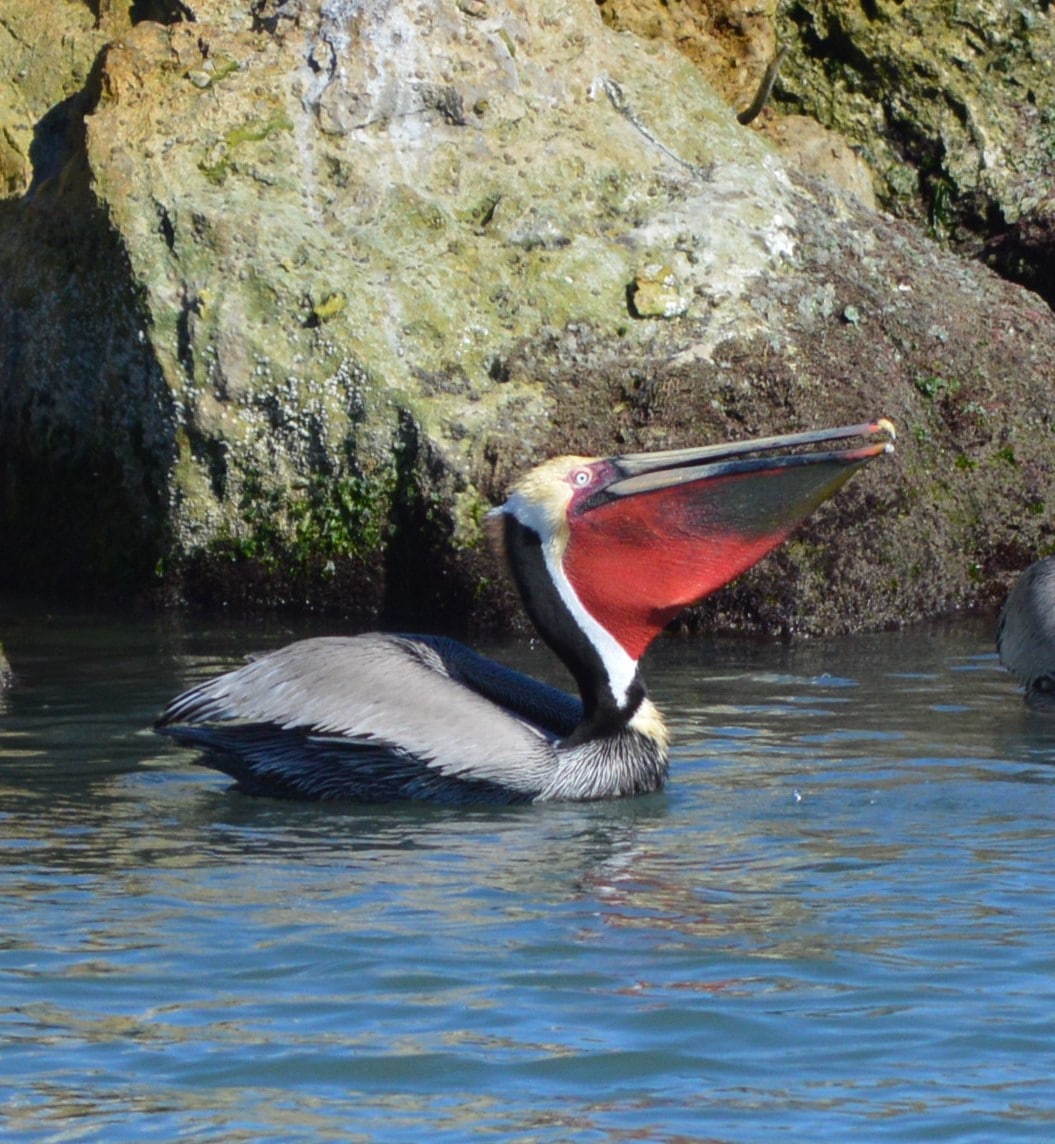
The Brown Pelican (Pelecanus occidentalis), for instance, evolved the specialized behavior of plunge-diving from heights of up to 60 feet. This required the evolution of subcutaneous air sacs that act as a biological "airbag," protecting the bird’s internal organs upon high-velocity water entry. Conversely, the Great White Pelican (Pelecanus onocrotalus) relies on collaborative swimming, where groups of birds encircle fish schools, a behavioral evolution that requires complex social signaling and coordination.
Environmental Pressures and Modern Stability
By the modern era (2026), pelicans have proven to be resilient, though they remain vulnerable to habitat degradation and shifts in marine food availability. Their evolutionary strategy—specialization in piscivory—is inherently tied to the health of aquatic ecosystems. Because they sit at the apex of their immediate food chains, they have historically been used as biological indicators for the presence of pesticides or heavy metals in water systems.
The stability of the Pelecanus genus over the last 10 million years suggests that their morphology is a local optimum. In evolutionary biology, this means that for the niche of a large-bodied, web-footed, pouch-billed fish hunter, the current physical structure of the pelican is as efficient as it can be. Evolution does not aim for perfection, but it tends to prune away traits that fail to compete; the fact that pelicans have persisted with such limited morphological deviation for millions of years is a testament to the success of their evolutionary trajectory.
Frequently Asked Questions
Why did pelicans evolve such a large pouch instead of a standard beak? The pouch is an evolutionary solution to the challenge of capturing agile prey. A narrow, rigid beak is better for precision, but the pouch allows the pelican to "net" a large volume of water containing multiple fish, ensuring higher energy gain per dive or sweep.
Are pelicans more closely related to gulls or herons? Genetic testing confirms that pelicans are more closely related to herons, egrets, and the Hamerkop. This placement within the order Pelecaniformes (as currently defined by genomic sequencing) corrects older classifications that relied too heavily on superficial foot structure.
How does the pelican survive the impact of hitting the water? They have evolved a network of air sacs beneath the skin. These sacs serve as a shock-absorption system, dampening the force of impact when the bird dives from significant heights to intercept prey.
Has the pelican’s diet changed over evolutionary time? While the primary diet remains fish, the evolution of behavioral patterns—such as cooperative feeding—has allowed some species to adapt to environments with fluctuating prey density, ensuring consistent caloric intake.
What is the significance of the "totipalmate" foot? The totipalmate foot, where all four toes are joined by webbing, provides a high surface area for powerful propulsion underwater. While this trait appears in other birds, evolutionary studies show it emerged independently in different lineages as an adaptation to swimming.
Strategic Conservation and Future Observations
Protecting the evolutionary heritage of the pelican requires preserving the complex aquatic ecosystems that sustain them. As of 2026, conservationists monitor populations by observing foraging efficiency and nesting success rates. Because these birds occupy vast areas across multiple continents, their survival is a global, not local, concern.
To support the continued success of these birds, focus efforts on protecting nesting colonies from human encroachment and maintaining the water quality of the wetlands they utilize. When observing pelicans in the wild, prioritize a respectful distance to ensure that their energy-intensive feeding and nesting behaviors remain undisturbed.
Image Gallery