Understanding the Location and Scope of Ted Turner’s Montana Ranches
Ted Turner, the media mogul and environmentalist, is one of the largest private landowners in the United States, with a significant portion of his holdings concentrated in Montana. Rather than a single ranch, his footprint in the state...
Ted Turner, the media mogul and environmentalist, is one of the largest private landowners in the United States, with a significant portion of his holdings concentrated in Montana. Rather than a single ranch, his footprint in the state comprises several expansive properties, most notably the Flying D Ranch, which spans hundreds of thousands of acres across Gallatin and Madison counties.
Contents
The Geography of Turner’s Land Holdings
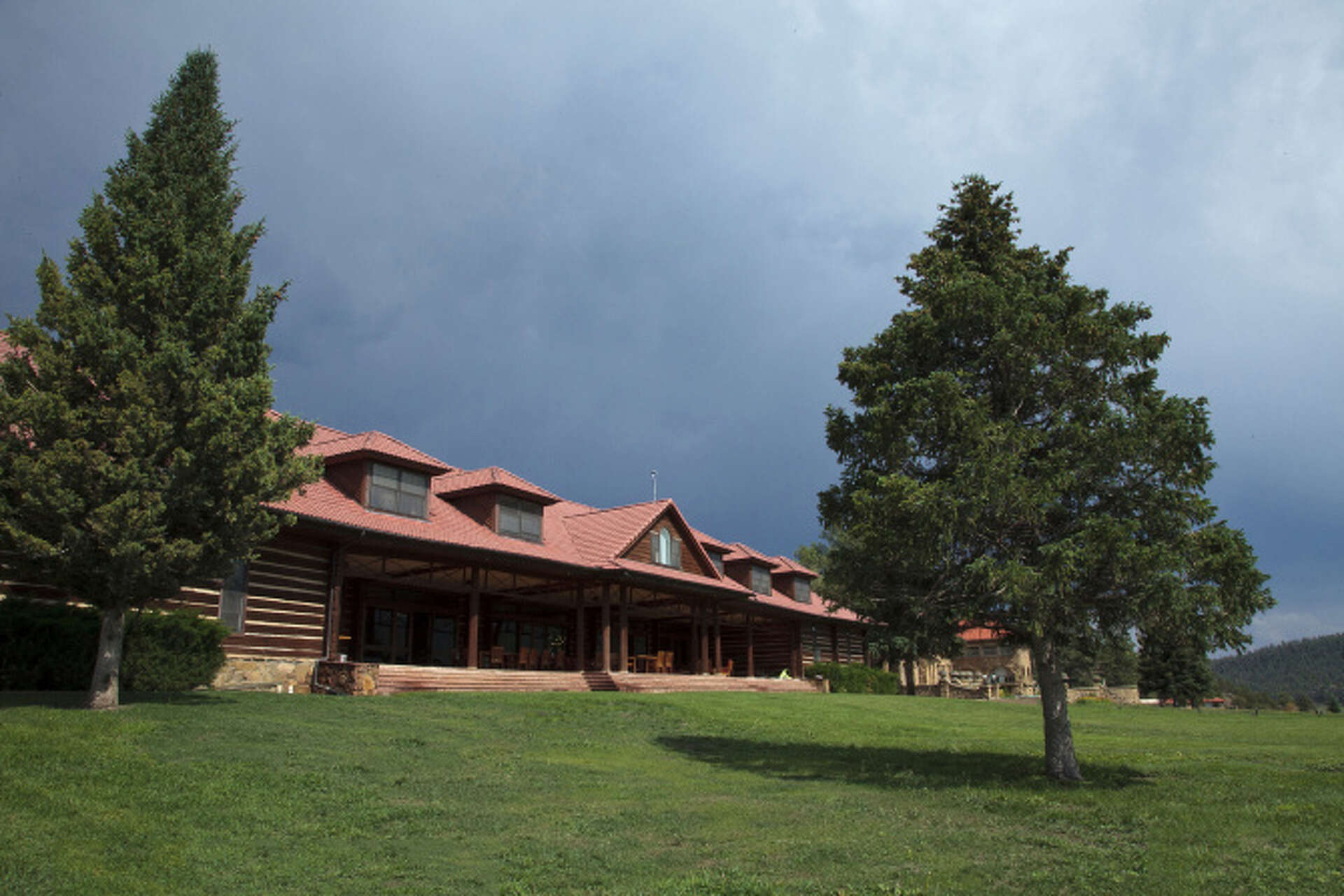
When discussing the location of Ted Turner’s ranches in Montana, it is important to distinguish between his primary operations. The crown jewel of his portfolio is the Flying D Ranch, a massive contiguous property located roughly southwest of Bozeman. This ranch occupies a strategic position in the landscape, stretching from the outskirts of Gallatin Gateway toward the rugged terrain near Ennis.
The ranch is not merely a singular plot of land but a collection of historical homesteads and range land consolidated over several decades. Its location is defined by the Gallatin Range to the east and the Madison River valley to the west. Because of its sheer scale, the ranch serves as a critical corridor for wildlife, particularly the American bison, which Turner reintroduced to the land as part of his commitment to ecological restoration and sustainable ranching.
Ecological and Operational Significance
The location of these ranches was selected with specific environmental objectives in mind. Unlike traditional commercial ranches that prioritize maximum livestock density, Turner’s Montana properties function as living laboratories for land management. The Flying D, for instance, operates under a philosophy of holistic grazing, where bison are moved through pastures to mimic the natural migration patterns that once characterized the Great Plains.
This management strategy requires vast, unbroken tracts of land. By acquiring properties in the high-elevation basins of Montana, Turner has created a mosaic of ecosystems ranging from riparian zones along mountain streams to high-altitude grasslands. The location is inherently significant because it interfaces with both public forest service land and private agricultural holdings, creating complex challenges and opportunities for wildlife management, particularly regarding the seasonal migration of elk and grizzly bears.
Access, Public Perception, and Privacy
It is a common misconception that large private ranches are open to the public. As of 2026, the Flying D and Turner’s other Montana properties remain private land. They are not parks or public preserves; rather, they are working ranches managed by Turner Enterprises, Inc. Unauthorized entry is prohibited, and the properties are strictly gated and monitored to ensure the safety of both the livestock and the sensitive ecological restoration projects underway.
The scale of these holdings has occasionally generated local debate. In rural Montana, where land use is often a blend of tradition and shifting economic priorities, the presence of a "billionaire’s ranch" can influence local tax bases, grazing permits, and community dynamics. However, Turner has frequently engaged in conservation easements, which legally restrict future development on the land to ensure that these thousands of acres remain undeveloped and ecologically healthy in perpetuity.
Comparative Overview of Major Turner Holdings
While the Flying D is the most recognized, Turner’s influence extends through several other distinct properties. The following table illustrates the general scope and nature of his primary regional interests.
| Property Name | Primary Focus | Regional Context |
|---|---|---|
| Flying D Ranch | Bison production/Conservation | Southwest Montana (Gallatin/Madison) |
| Bar None Ranch | Sustainable agriculture | Central Montana range land |
| Snowcrest Ranch | High-altitude ecosystem | Southwest Montana corridors |
| Turner Ranches (General) | Holistic land management | Intermountain West footprint |
Wildlife Management and the Bison Initiative
The location of the ranches in the Madison and Gallatin valleys provides an ideal habitat for bison, a species central to Turner’s agricultural enterprise. By maintaining the largest private bison herd in the world, these locations serve as a vital resource for both commercial meat production—sold under the Ted’s Montana Grill brand—and conservation biology.
The strategic location allows the bison to utilize diverse foraging grounds. During the winter months, the lower valley floors provide shelter, while the higher elevations are utilized during the summer. This vertical migration is a hallmark of the habitat restoration efforts conducted across his Montana properties. Unlike cattle, which are often confined to specific fenced paddocks, the management approach at these ranches emphasizes minimal human interference, allowing the animals to behave in ways that promote soil health and plant diversity.
Regulatory and Conservation Frameworks
Managing hundreds of thousands of acres involves navigating a complex web of state and federal regulations. This includes dealing with noxious weed control, water rights, and the management of predators such as wolves and bears, which frequently cross between the ranch and the surrounding national forests.
Owners of large tracts in Montana must adhere to Montana Department of Natural Resources and Conservation (DNRC) guidelines. Furthermore, the conservation easements placed on many of these properties are permanent legal agreements. These easements ensure that even after the land changes hands, it cannot be subdivided into residential lots or commercial developments. This aspect of the location is crucial; it effectively "freezes" the landscape in its current state, preventing the urban sprawl that has begun to encroach upon areas like Bozeman and Big Sky.
Addressing Frequently Asked Questions
Can I visit the Flying D Ranch? No. The ranch is private property owned by Turner Enterprises. It is not open to public tourism, hiking, or recreational use. Trespassing laws are strictly enforced on all such large-scale private agricultural lands in Montana.
Where exactly is the Flying D located? The ranch is situated southwest of Bozeman, Montana. Its borders cover a large expanse of the Gallatin and Madison River valleys, sitting between the Gallatin Range and the Madison mountain range.
Why did Ted Turner choose Montana for his ranches? Montana offered the scale necessary to support large-scale bison herds and complex ecosystem restoration. The state’s diverse topography, ranging from river valleys to mountain basins, allows for the natural migration and health of the bison, which is the primary driver of Turner’s agricultural philosophy.
Do these ranches affect local property taxes? Yes, but they are taxed primarily as agricultural land. While the total acreage is massive, the tax classification for working agricultural ranches differs from commercial or residential development property, which is a point of frequent discussion in Montana state legislature regarding large land holdings.
Are there guided tours of Turner’s properties? While Ted’s Montana Grill restaurants often feature imagery of the ranches and their bison, there are no sanctioned commercial tours or public access programs for the ranches themselves.
Is the land used only for bison? While bison are the primary focus, the land is managed for total ecological health. This includes the protection of riparian zones, forest management, and habitat conservation for native wildlife, including elk, deer, and predators.
Next Steps for Interested Researchers
If you are researching these locations for academic, ecological, or historical purposes, the most productive path is to consult public records via the Gallatin and Madison County Clerk and Recorder offices. For those interested in the broader subject of conservation easements and large-scale land management, the Montana Land Reliance offers extensive documentation on how these legal instruments function to protect private lands in the state. For information regarding the bison operations specifically, the official communications from Turner Enterprises, Inc. provide the most accurate technical details regarding their current agricultural practices and sustainability benchmarks.
Image Gallery