The Formative Years of Princess Anne: A Study of the Royal Teenager (1963–1970)
Princess Anne’s teenage years, spanning 1963 to 1970, marked a revolutionary period for the British Monarchy. As the first daughter of a sovereign to attend a public boarding school, she redefined royal expectations through her equestr...
Princess Anne’s teenage years, spanning 1963 to 1970, marked a revolutionary period for the British Monarchy. As the first daughter of a sovereign to attend a public boarding school, she redefined royal expectations through her equestrian excellence, bold fashion choices, and a famously no-nonsense attitude that challenged the era's traditional gender norms.
Contents
The Benenden Revolution: A Departure from Tradition
In the autumn of 1963, at the age of 13, Princess Anne broke centuries of royal precedent. Historically, royal daughters were educated at home by governesses—a practice her mother, Queen Elizabeth II, and her aunt, Princess Margaret, had followed. However, the Queen and Prince Philip decided that Anne required a more standard social and academic environment. They selected Benenden School, an independent boarding school for girls in Kent.
This move was more than a change of scenery; it was a modernization of the royal image. As a teenager, Anne was expected to live in a dormitory, share meals with peers, and follow a strict academic curriculum. While she was accompanied by a protection officer, her time at Benenden allowed her to cultivate a degree of independence that was previously unheard of for a princess. She was not treated as a royal figurehead within the school walls but as a student who was expected to participate in school plays, sports, and social clubs.
Academically, Anne focused on the humanities. By the time she finished her secondary education in 1968, she had achieved six GCE O-levels and two A-levels in History and Geography. This educational foundation provided her with a global perspective that would later inform her extensive work with Save the Children and other international NGOs.
Navigating the "Swinging Sixties" and the Media
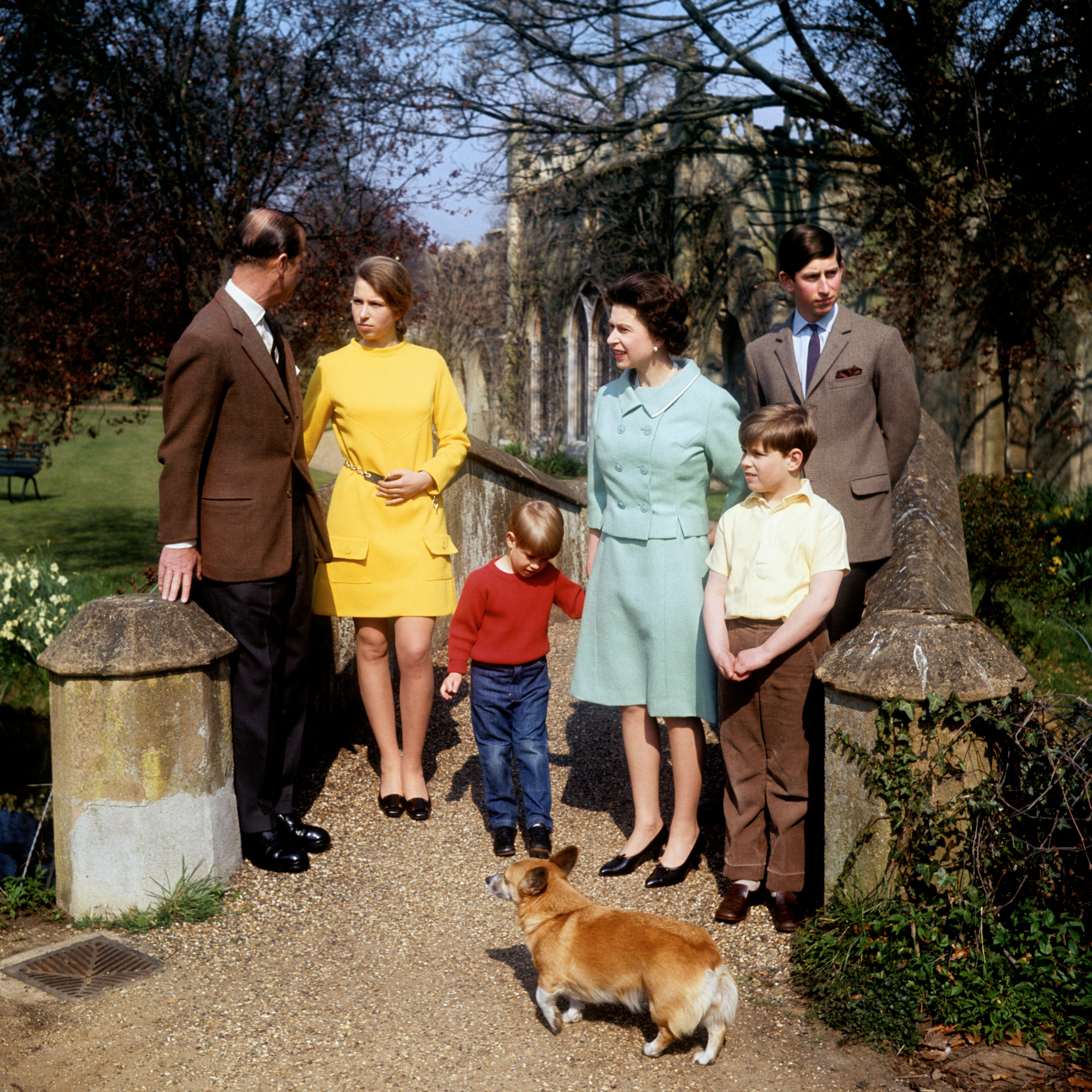
The 1960s were a decade of profound social upheaval in Britain, and Princess Anne was the first royal teenager to navigate this landscape under the intense scrutiny of the modern media. As the "Swinging Sixties" took hold, the contrast between the traditional, stoic monarchy and the vibrant, rebellious youth culture became a central theme in her life.
Anne was often portrayed by the press as the "difficult" royal. Unlike her brother, Prince Charles, who was perceived as more sensitive and introspective, Anne was assertive and frequently visibly frustrated with the paparazzi. This "feisty" reputation began in her mid-teens. She was often photographed with a stern expression, leading the tabloids to dub her "Princess Sourpuss." However, from a modern perspective in 2026, many historians view this not as a lack of grace, but as a teenager’s natural defense mechanism against an invasive media apparatus that had not yet learned how to respect the boundaries of young royals.
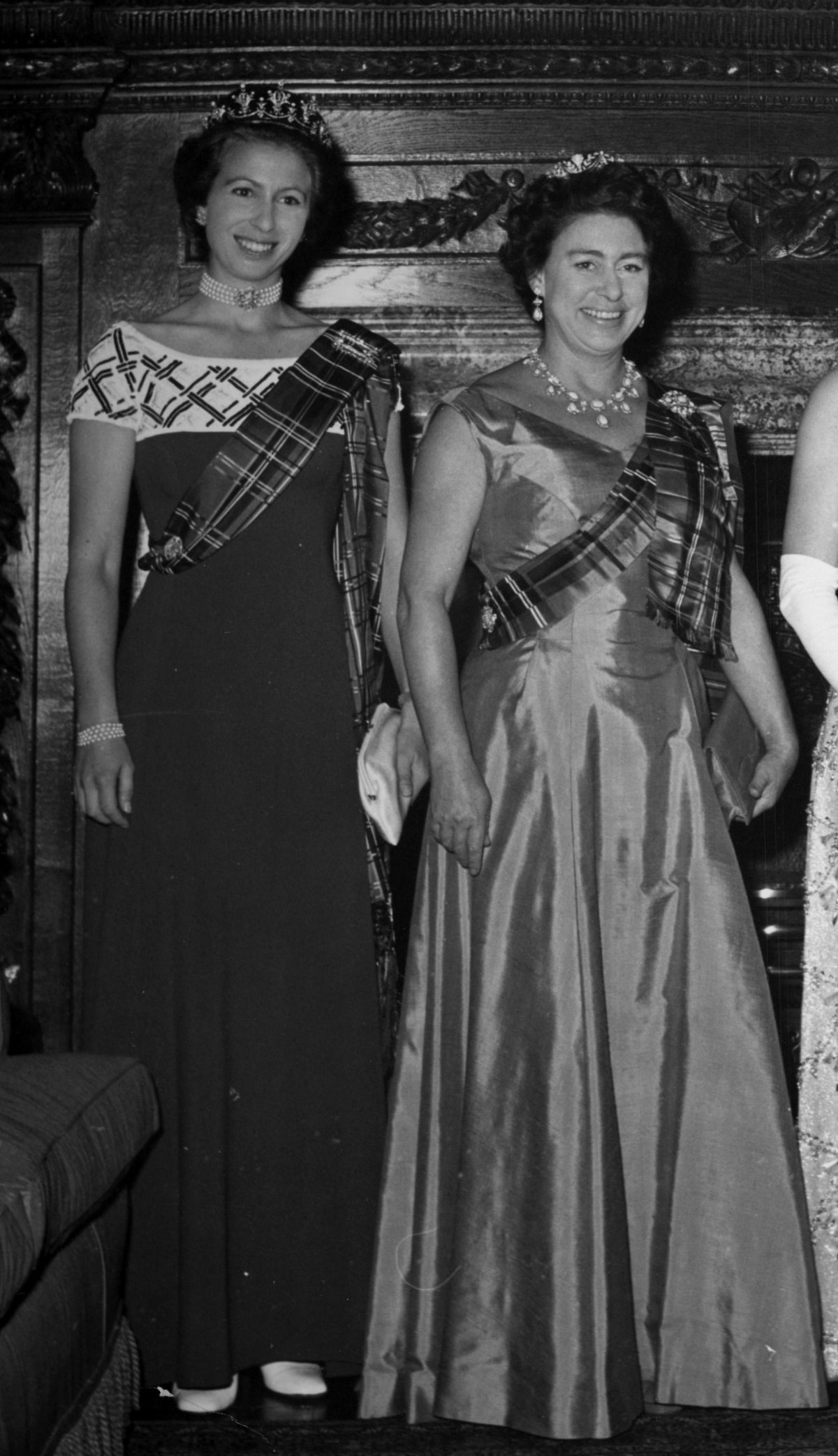
Despite the friction with the press, Anne became an unexpected style icon. She embraced the fashion of the era, moving away from the prim, mid-century dresses of her childhood into more daring silhouettes. She was a fan of the miniskirt, bold floral patterns, and the "mod" aesthetic. Her influence was so significant that she appeared on the cover of Vogue magazine three times during her late teens and early twenties, proving that she could bridge the gap between royal duty and contemporary culture.
The Foundation of Equestrian Excellence
While her peers were exploring the London music scene, Princess Anne spent the majority of her teenage years in the saddle. Her passion for horses was not merely a royal hobby; it was a professional pursuit that demanded rigorous discipline. Her teenage years were the "incubation period" for what would become an Olympic-level career.
By the age of 15, Anne was competing in local horse trials. She worked closely with top-tier trainers, including Allison Oliver, and spent hours every day at the stables. This period was crucial for developing the physical and mental toughness required for eventing, a demanding sport that combines dressage, cross-country, and show jumping.
The discipline she learned as a teenage athlete mirrored the discipline required for her future royal life. In 1971, shortly after her 20th birthday, she won the Individual European Three-Day Event Championship at Burghley. This achievement was rooted in the thousands of hours of training she underwent between the ages of 13 and 19. Her commitment to equestrianism provided her with a sense of identity separate from her title—a rare commodity for a member of the Royal Family.
Entering Public Life: The Transition to Official Duties
The transition from a student to a working royal began in earnest when Anne turned 18 in August 1968. Her teenage years concluded with a series of high-profile "firsts" that signaled her readiness to support the Crown.
One of the most significant moments occurred in 1969 during the Investiture of the Prince of Wales at Caernarfon Castle. While the focus was on her brother, Anne’s presence was a vital part of the family’s public image. Following this, in 1970, at the age of 19, she embarked on her first major overseas tour to Australia and New Zealand.
This tour was a turning point. It was the first time she participated in "walkabouts," a then-new concept where royals interacted directly with the public on the street rather than watching from a distance. As a teenager, Anne’s energy and straightforwardness were well-received by the Australian public, helping to soften her "difficult" image in the UK.
A Comparison of Royal Adolescence
To understand the uniqueness of Princess Anne’s teenage years, it is helpful to compare her path with that of her contemporaries and predecessors.
| Feature | Princess Anne (1963–1970) | Prince Charles (1961–1968) | Queen Elizabeth II (1939–1946) |
|---|---|---|---|
| Education | Benenden School (Public Boarding) | Gordonstoun & Timbertop | Private Tutors at Home |
| Primary Focus | Equestrianism & Academic O/A Levels | Arts, History, and Military Training | Preparation for Queenship / ATS |
| Media Image | Bold, Modern, Resilient | Sensitive, Traditional, Dutiful | The "Young Princess" (War Era) |
| Fashion Influence | High (Vogue, Miniskirts, Mod) | Traditional (Tailored Suits) | Practical / Wartime Austerity |
| Social Environment | Mixed with peers in boarding school | All-male boarding environment | High degree of isolation |
Family Dynamics and the "Second Daughter" Role
As a teenager, Anne occupied a unique position within the "Core Four" of the Royal Family (the Queen, Prince Philip, Charles, and Anne). She was famously close to her father, Prince Philip, sharing his blunt manner and his love for outdoor pursuits. This bond was influential in her development; Philip encouraged her independence and her refusal to cater to public expectations of how a "princess" should act.
Her relationship with Prince Charles was equally significant. Although they were often portrayed as opposites—Charles the sensitive dreamer and Anne the pragmatic doer—they supported each other through the shared pressures of their teenage years. While Charles faced intense scrutiny as the heir, Anne was able to experiment more with her public persona, setting a template for how younger siblings in the royal family could carve out their own paths.
Frequently Asked Questions
Where did Princess Anne go to school as a teenager?
Princess Anne attended Benenden School in Kent from 1963 to 1968. She was the first daughter of a reigning monarch to be educated in a boarding school environment alongside other students, rather than being tutored at home.
Was Princess Anne a rebellious teenager?
While not "rebellious" in the traditional sense, Anne was known for her independence and her willingness to push back against media intrusion. She famously didn't always conform to the expected "sweet" image of a princess, which the press often misinterpreted as rebellion or rudeness.
What academic qualifications did Princess Anne earn?
During her teenage years, Princess Anne earned six GCE O-levels and two A-levels in History and Geography. She chose not to attend university, instead deciding to focus on her burgeoning equestrian career and her official royal duties.
When did Princess Anne start her official royal duties?
Her official public life began on her 18th birthday in 1968. However, her first major international engagement was the 1970 tour of Australia and New Zealand, which she undertook at the age of 19.
Did Princess Anne have a professional career as a teenager?
While she was not "employed" in the traditional sense, she was a professional-level athlete in the sport of eventing. By the time she was 19, she was already competing at the highest national levels, which laid the groundwork for her European Championship win in 1971.
The Lasting Legacy of the Royal Teenager
Looking back from 2026, the teenage years of Princess Anne are seen as the blueprint for the modern, working royal. By insisting on a formal education, pursuing a professional sporting career, and refusing to perform a "character" for the media, she established a level of authenticity that has become her trademark.
Her adolescence was defined by a transition from the old world of royal seclusion to the new world of public accountability and personal achievement. For those researching the history of the British Monarchy, the period between 1963 and 1970 remains a vital case study in how the Royal Family adapted to the cultural shifts of the 20th century.
Recommendation: For a deeper understanding of this era, researchers should consult the archives of the National Portrait Gallery for 1960s photographic records and the official Royal Collection Trust for documentation on the Queen’s decision-making regarding her children’s education.
Image Gallery