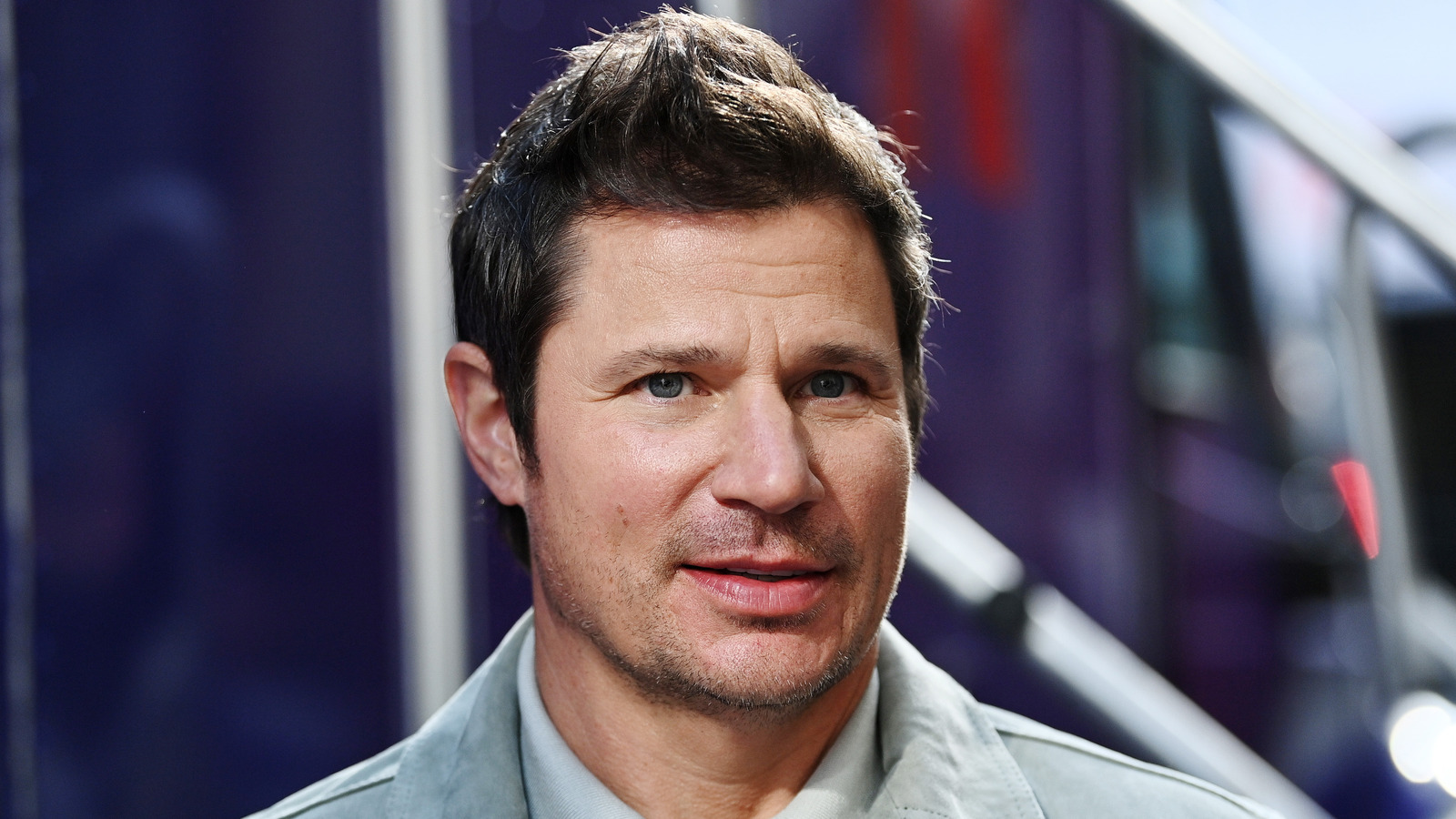
Understanding the Katushka and Nick Lachey Crossover: Why It Matters in Modern Media Consumption
The Katushka and Nick Lachey crossover represents a significant convergence of niche digital influencer culture and mainstream legacy media, highlighting the evolving nature of audience engagement. This collaboration demonstrates how c...
The Katushka and Nick Lachey crossover represents a significant convergence of niche digital influencer culture and mainstream legacy media, highlighting the evolving nature of audience engagement. This collaboration demonstrates how creators leverage celebrity credibility to bridge the gap between algorithmic social media discovery and traditional television audiences, effectively recalibrating brand visibility in a fragmented entertainment landscape.
Contents
Defining the Entities: Who are Katushka and Nick Lachey?
To understand the weight of this crossover, one must first recognize the distinct spheres these two figures occupy. Nick Lachey has been a fixture in American entertainment for over two decades. Rising to prominence as the lead singer of the boy band 98 Degrees in the late 1990s, he transitioned into reality television stardom through Newlyweds: Nick and Jessica and subsequently found a second wind as a prominent host for high-profile Netflix reality series like Love is Blind and The Ultimatum. His brand is firmly rooted in mainstream, mass-market appeal.
Katushka, conversely, represents the modern digital creator economy. Operating primarily within specialized social media platforms, Katushka’s influence is built on high-engagement, niche-specific content that prioritizes community interaction over broad-based broadcast reach. Unlike traditional celebrities, digital creators like Katushka function as trusted curators for their audiences, often maintaining higher trust-to-reach ratios. When these two worlds intersect, it signals a strategic move to blend the reach of legacy media with the authentic, community-driven authority of the internet creator class.
The Strategic Value of the Crossover
The primary reason this crossover matters is the changing mechanism of audience acquisition. In the media landscape of 2026, audience attention is increasingly scarce. Legacy celebrities often face challenges in staying relevant to Gen Z and younger demographics, while digital creators hit a "ceiling" when trying to expand beyond their native platforms.
By collaborating, the two parties create a symbiotic ecosystem:
- Audience Diversification: Lachey’s involvement exposes his base—often older, television-reliant demographics—to the digital-first styles of creator-led content. Simultaneously, Katushka’s audience is provided with a "seal of approval" from a recognizable mainstream figure, which can elevate the perceived legitimacy of her brand.
- Algorithmic Optimization: Digital platforms prioritize collaboration. Content featuring high-profile names is frequently favored by platform algorithms, leading to increased discoverability.
- Retention Strategies: The narrative arc created by this crossover serves as a retention tool. Viewers who might otherwise skip traditional advertisements are likely to watch long-form content that incorporates a familiar, high-status face.
Impact on Influencer Marketing
The crossover highlights a shift toward "integrated branding." Historically, influencers functioned as standalone marketing channels—a simple shoutout or a product placement. The Katushka and Nick Lachey model suggests a deeper integration, where the celebrity is woven into the creative fabric of the influencer’s output.
This change is critical for marketers to observe. It suggests that moving forward, the effectiveness of an endorsement will be measured not just by reach, but by the level of creative alignment between the parties. In 2026, the marketplace rewards authenticity over transactionality. When a creator and a legacy star collaborate, the content is scrutinized for how "natural" it feels to the audience; if it feels forced, the backlash can be immediate. The success of this specific crossover relies on a shared creative vision that respects the audience's intelligence.
Comparative Analysis of Media Influence
Understanding the difference between the two models is essential for analyzing the impact of their collaboration. The table below outlines how their respective influence styles are being combined.
| Feature | Legacy Media Influence (Lachey) | Creator Influence (Katushka) | Combined Crossover Model |
|---|---|---|---|
| Reach Type | Broad, Mass-Market | Narrow, Highly Engaged | Broadened Niche Reach |
| Engagement | Passive (Watching) | Active (Commenting/Sharing) | High-Retention Narrative |
| Trust Source | Brand Recognition/History | Relatability/Authenticity | Hybrid Authority |
| Platform Bias | Television/Streaming | Social Media/Mobile Apps | Multi-Channel Integration |
| Monetization | Licensing/Residuals | Sponsored Content/Affiliates | Direct-to-Consumer/Hybrid |
Navigating the Risks of Celebrity-Creator Collaboration
Despite the clear benefits, these crossovers are not without risks. For Katushka, the danger lies in losing her "indie" credibility. If a creator pivots too heavily toward mainstream celebrities, they risk alienating the core audience that built their initial success. The "authenticity tax"—the loss of perceived realness—is a legitimate concern for any digital native influencer.
For Nick Lachey, the risk is dilution. If a mainstream celebrity appears in too many diverse, niche digital spaces, they risk losing the consistent branding that makes them a reliable draw for television networks. The success of the Katushka and Nick Lachey crossover is contingent on precise curation and ensuring that both parties maintain their unique selling propositions.
Practical Considerations for Media Observers
If you are following this development as a fan, marketer, or industry analyst, consider these three pillars of success for such partnerships:
- Creative Synergy: Does the content reflect the strengths of both parties? The best crossovers are those where the celebrity does not just appear, but participates in the specific format of the creator.
- Narrative Continuity: Ensure the collaboration follows a logical progression rather than a sudden, jarring change in tone or style.
- Audience Feedback Loops: Watch the comment sections and engagement metrics. If the audience is actively discussing the nature of the collaboration, it is a sign that the crossover has successfully generated genuine interest rather than simple noise.
Frequently Asked Questions
What does the Katushka and Nick Lachey crossover suggest about the future of celebrity marketing? It indicates a transition toward hybrid partnerships where credibility is traded. Legacy stars need the engagement of digital natives, while digital creators need the mass-market visibility that only legacy stars provide. Expect more integrated storytelling rather than simple paid endorsements.
Is this crossover a permanent shift in how media is produced? It is part of a broader trend of "platform agnosticism." As the barrier between television and digital content continues to thin, collaborations like this will become standard practice rather than novel anomalies.
How can an audience verify the authenticity of such collaborations? Look for the level of creative input. If the collaboration feels like a script imposed upon the creator, it is likely a standard ad. If the celebrity adapts to the creator’s specific tone, style, and community norms, it is a deeper, more intentional collaboration.
Why is this specific partnership considered significant? It represents the collision of two very different eras of entertainment. It serves as a benchmark for how established, television-first celebrities can successfully transition into, or interact with, the mobile-first, high-engagement digital landscape.
Next Steps for Engagement
To keep pace with the ongoing developments of this crossover, ensure you are monitoring the official channels of both parties involved. Often, the most significant updates—such as joint project announcements, behind-the-scenes content, or direct audience Q&A sessions—are released on the influencer's platform first. Analyze the sentiment in these specific spaces to gauge the long-term viability of the partnership. By focusing on the engagement metrics and the narrative progression of their joint projects, you can better understand the shifting power dynamics in the creator-celebrity industrial complex.
Image Gallery