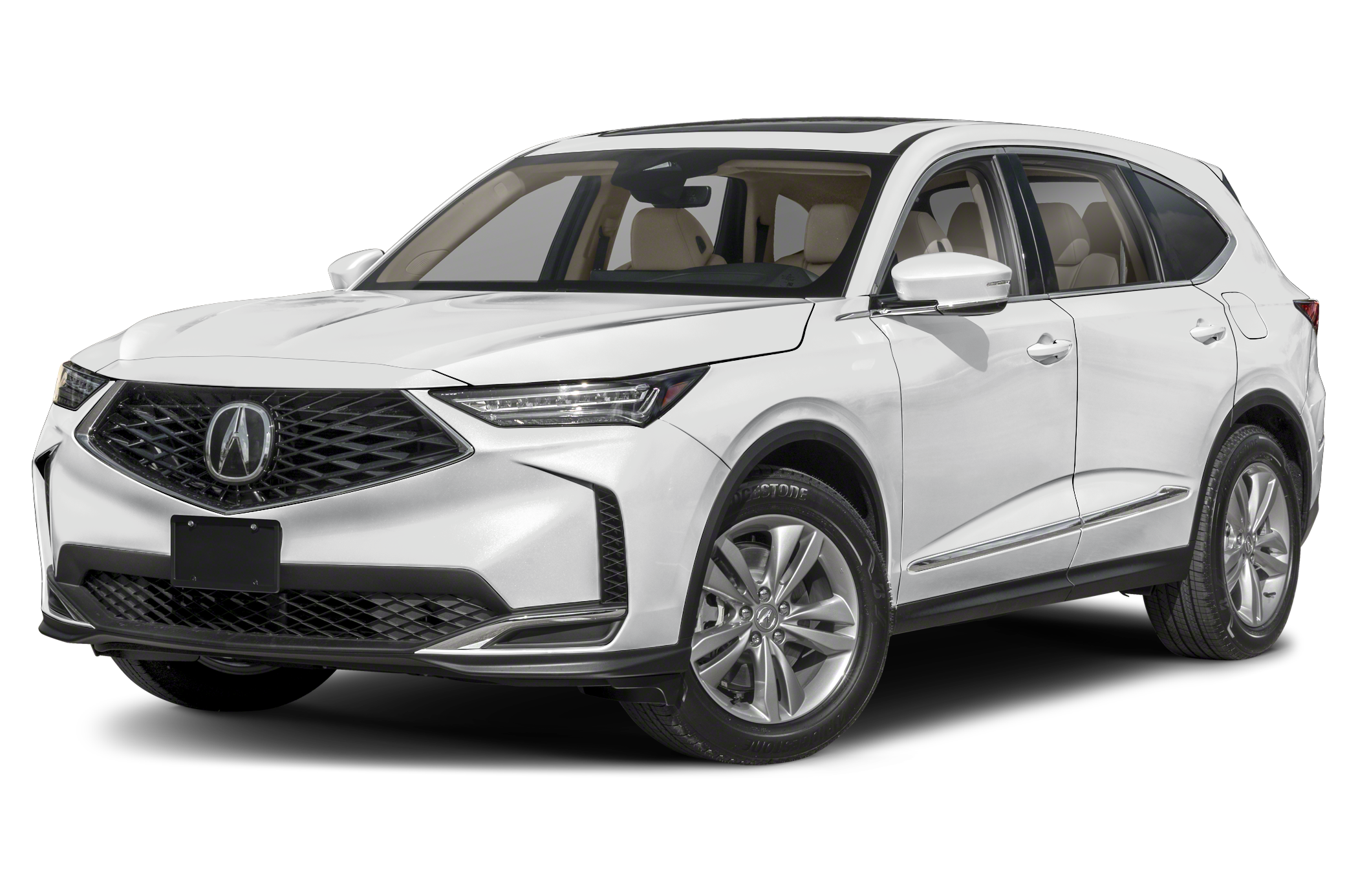
Is the Acura MDX a Reliable Car? Reliability, Common Problems, and Ownership Guide
Yes, the Acura MDX is generally considered a highly reliable luxury midsize SUV, outperforming many European competitors in long-term durability and maintenance costs. Powered by Honda's proven V6 engine architecture, most MDX generati...
Yes, the Acura MDX is generally considered a highly reliable luxury midsize SUV, outperforming many European competitors in long-term durability and maintenance costs. Powered by Honda's proven V6 engine architecture, most MDX generations easily reach 200,000 miles or more with routine maintenance, though buyers should watch for specific transmission and electrical issues in select model years.
Contents
Overview of Acura MDX Reliability
The Acura MDX has maintained a strong reputation for dependability since its introduction for the 2001 model year. As the flagship three-row crossover from Honda's luxury division, the vehicle relies heavily on core Honda engineering principles: naturally aspirated V6 engines, stiff unibody chassis construction, and practical mechanical component placement. According to automotive reliability tracking databases like RepairPal, Acura consistently ranks in the top tier of luxury automotive brands, with the MDX scoring above average for its class.
What sets the Acura MDX apart from competing European midsize luxury crossovers—such as the BMW X5, Audi Q7, or Mercedes-Benz GLE—is its lower frequency of unscheduled repairs and significantly lower cost for replacement parts. While luxury vehicles generally carry higher upkeep expenses than non-luxury brands, the MDX shares a high percentage of mechanical underpinnings with mainstream Honda models like the Pilot and Odyssey. This shared engineering reduces component costs and ensures widespread technician familiarity.
However, reliability is not uniform across all production years. The MDX has experienced distinct mechanical transitions across its four generations, including shifts from 5-speed to 6-speed, 9-speed, and 10-speed automatic transmissions, as well as updates to its Super Handling All-Wheel Drive (SH-AWD) system. Understanding these generational differences is essential for evaluating long-term reliability.
Generational Reliability Breakdown
- Generation 1 (2001–2006): Early transmission torque converter issues; extremely durable J35 engine.
- Generation 2 (2007–2013): High structural integrity; 3.7L J37 V6 susceptible to oil consumption.
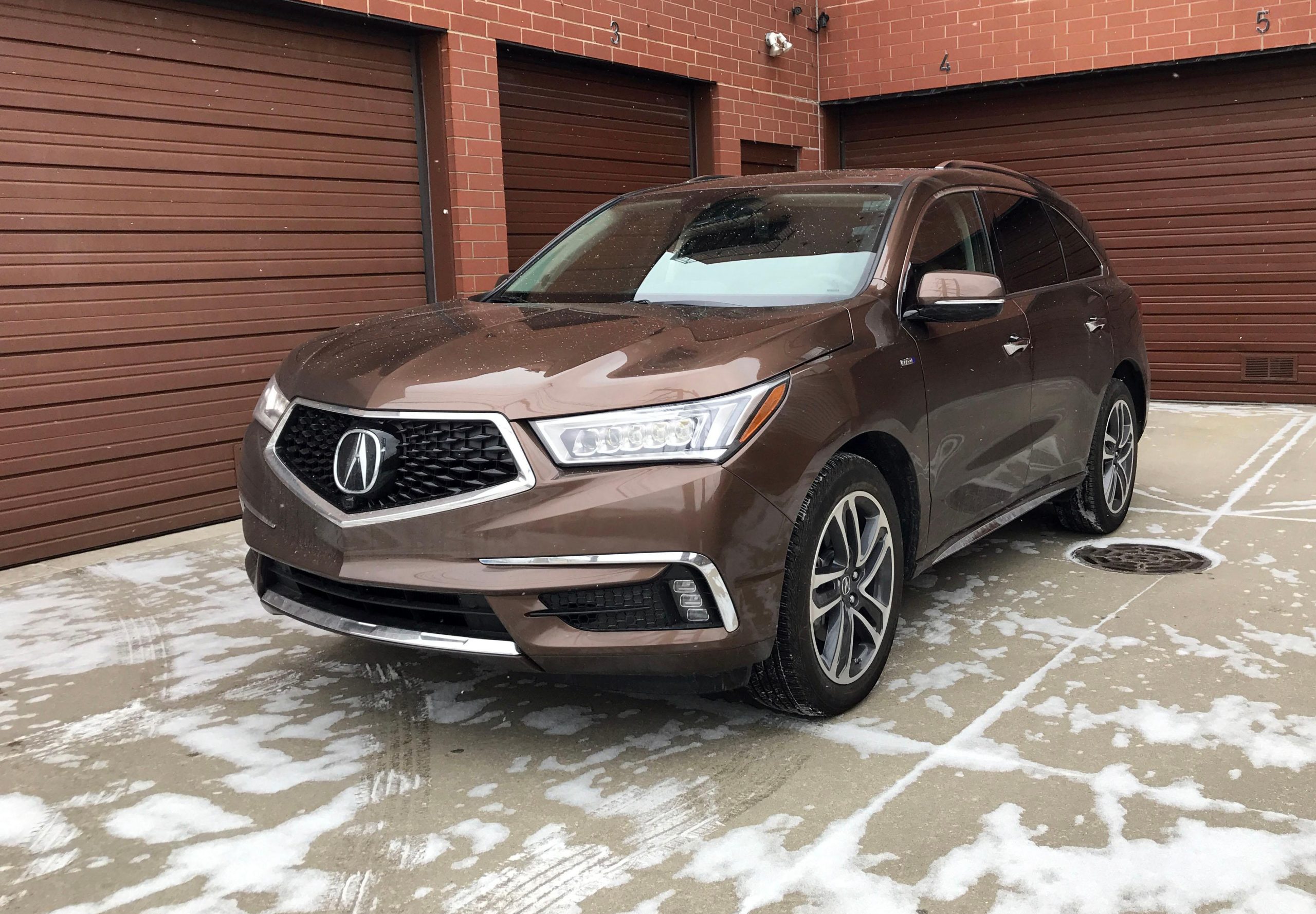
- Generation 3 (2014–2020): Fuel-efficient 3.5L Earth Dreams V6; 2016–2017 ZF 9-speed shift quality complaints.
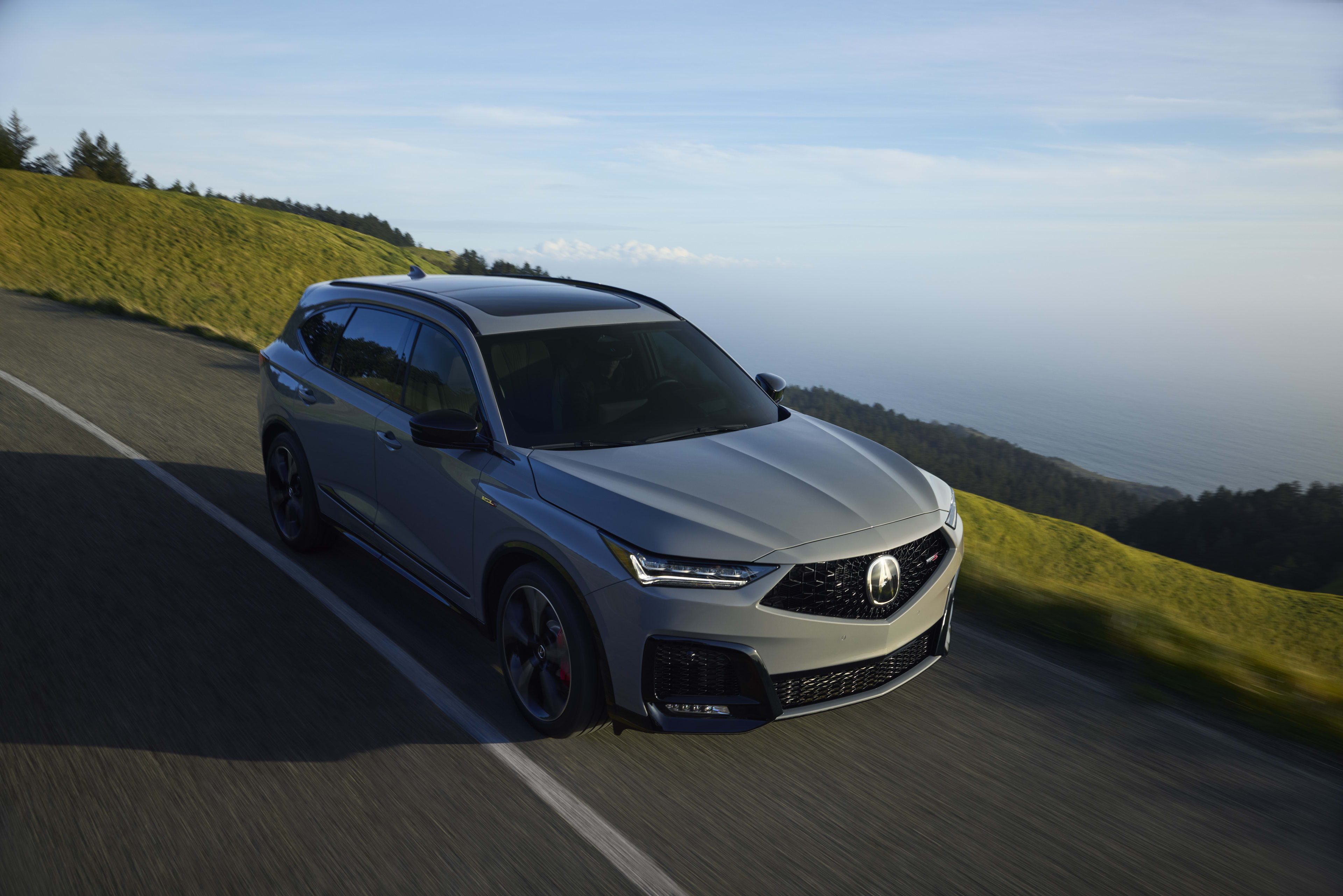
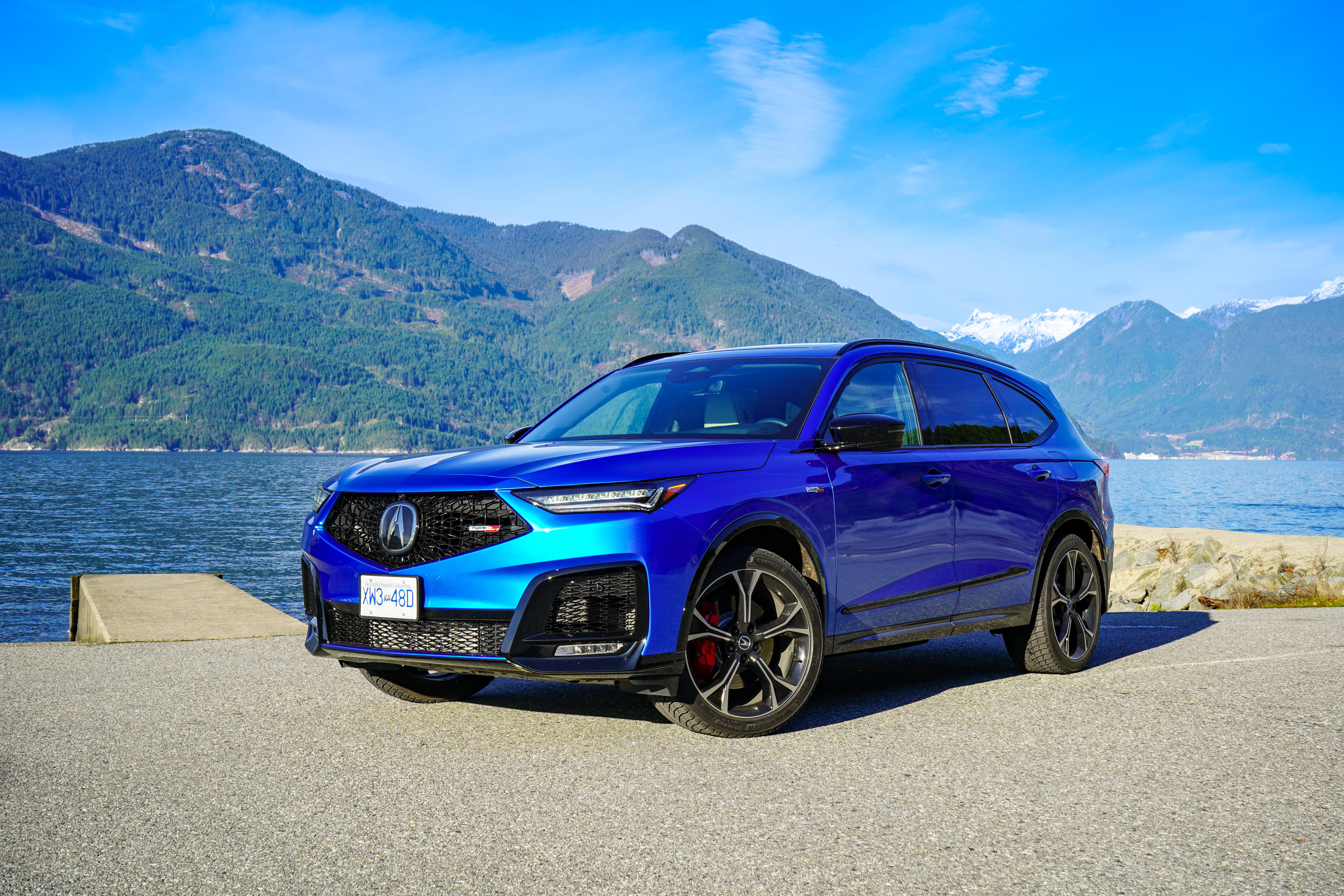
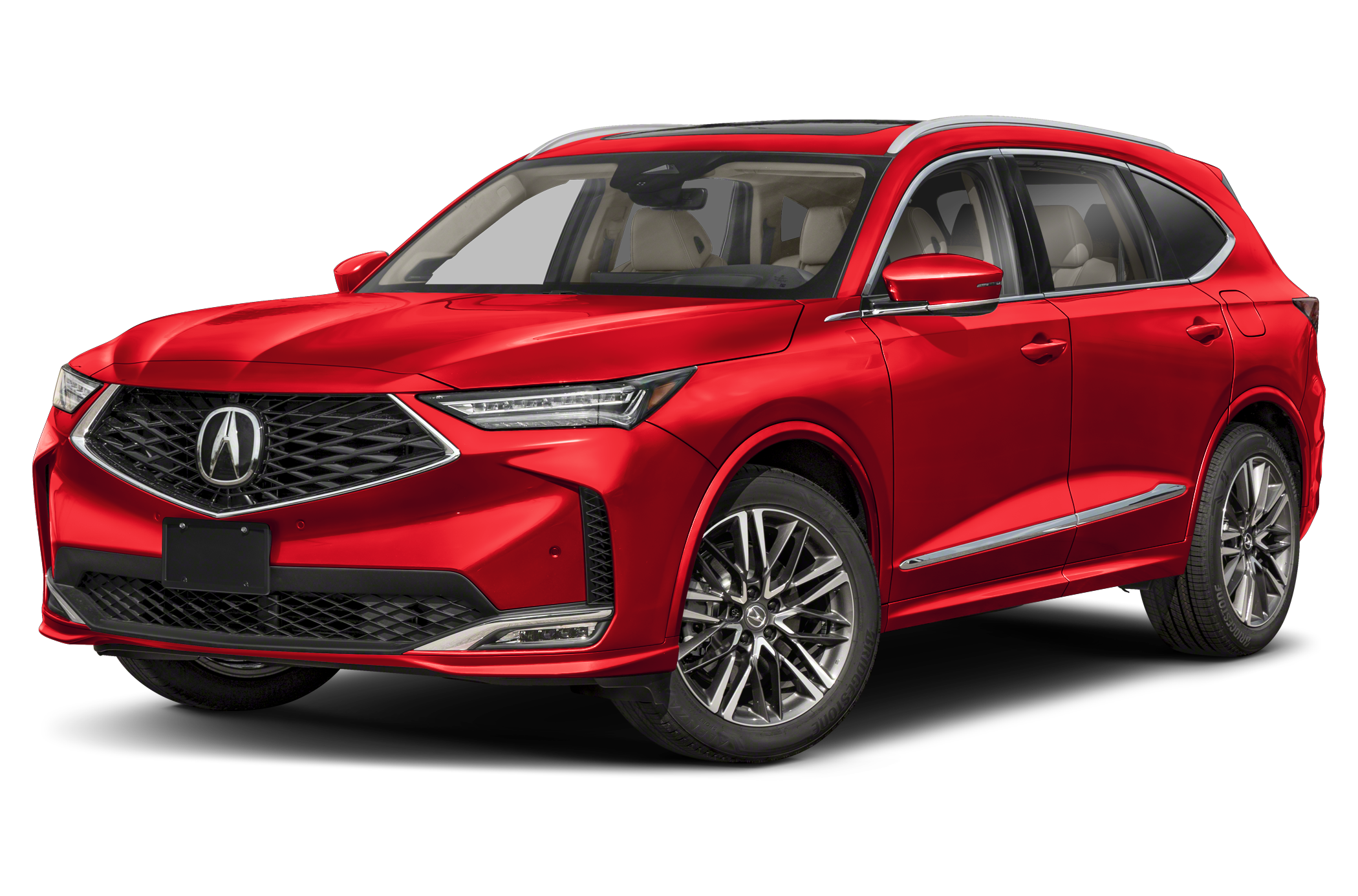
- Generation 4 (2022–2026+): In-house 10-speed auto; double-wishbone front suspension; robust electrical backbone.
First Generation (2001–2006)
The first-generation MDX established the three-row luxury crossover segment using a unibody platform derived from Honda's Global Midsize Platform.
- Engine: 3.5-liter J35A V6.
- Strengths: Engine block durability, interior space efficiency, basic mechanical simplicity.
- Weaknesses: Automatic transmission failure was prominent in 2001–2002 models due to inadequate torque converter cooling and gear wear. Honda addressed these issues in 2003 with updated transmission coolers and revised gear lubrication passages, but early models remain high-risk on the used market.
Second Generation (2007–2013)
The second-generation MDX introduced a stiffer chassis, available Active Damper System (ADS), and the 3.7-liter J37A V6 engine producing 300 horsepower.
- Engine: 3.7-liter J37 V6.
- Strengths: Excellent driving dynamics, robust SH-AWD rear differential assemblies, robust crash safety ratings.
- Weaknesses: The 3.7-liter engine utilizes Aluminum-Silicon (Silitec) cylinder liners, which can experience piston ring varnish buildup, leading to elevated oil consumption in 2010–2013 models. Additionally, models equipped with the Sport Package's magnetorheological dampers suffer from high replacement costs when suspension leaks occur.
Third Generation (2014–2020)
The third generation transitioned to a direct-injected 3.5-liter J35Y5 V6 engine, introducing front-wheel drive (FWD) alongside SH-AWD to maximize fuel efficiency.
- Engine: 3.5-liter J35Y V6 / 3.0-liter J30Y2 V6 with hybrid system (Sport Hybrid trim).
- Strengths: Outstanding fuel economy, refined cabin acoustics, highly reliable Sport Hybrid dual-clutch powertrain.
- Weaknesses: Early years used a conventional 6-speed automatic (2014–2015), which was overall reliable. However, the 2016 refresh introduced a ZF-sourced 9-speed automatic transmission (9HP48). Early iterations of this 9-speed suffered from harsh downshifts, delayed acceleration responses, and software calibration issues. Software updates issued under service bulletins resolved most driveability symptoms, but shift feel remains less smooth than alternative gearboxes.
Fourth Generation (2022–Present)
Skipping the 2021 model year, the fourth-generation MDX debuted for 2022 with a brand-new light-truck platform featuring a double-wishbone front suspension and an in-house developed 10-speed automatic transmission.
- Engine: 3.5-liter J35Y6 V6 (Base/Tech/Advance) or 3.0-liter Turbocharged J30AC V6 (Type S).
- Strengths: Modern architecture, elimination of the ZF 9-speed in favor of Honda’s responsive 10-speed transmission, exceptional high-speed stability, and enhanced structural rigidity.
- Weaknesses: Infotainment touchpad interface learning curves and occasional software lag. Early production runs showed minor trim fitment variations, but core mechanical components have proven highly durable.
Most Common Acura MDX Mechanical Issues
While the Acura MDX ranks high for overall longevity, several specific mechanical and electrical failure points deserve scrutiny during pre-purchase inspections or routine ownership.
| Issue Component | Affected Years | Typical Repair Cost |
|---|---|---|
| ZF 9-Speed Transmission Roughness | 2016–2017 | $150 – $400 (Software) |
| J37 Engine Excessive Oil Burn | 2010–2013 | $1,500 – $3,500 (Rings) |
| Timing Belt & Water Pump Wear | All J-Series V6s | $900 – $1,400 (Maint.) |
| Active Damper System (ADS) Leaks | 2007–2013 (Sport) | $1,800 – $3,200 (Struts) |
| Infotainment Console Freezes | 2014–2020 / 2022+ | $0 – $600 (Update/Module) |
1. ZF 9-Speed Automatic Transmission Calibration (2016–2017)
The introduction of the ZF 9HP 9-speed automatic transmission in 2016 caused significant driver dissatisfaction. The gearbox utilizes dog clutches between specific gear transitions (3rd to 4th and 7th to 8th) to save internal package space. This design requires precise rev-matching, resulting in noticeable hesitations or rough shifts during aggressive throttle inputs. Technical Service Bulletins (TSBs) issued by Acura updated the Transmission Control Module (TCM) software, which smoothed out transition logic. Mechanical failures of the internal gear sets are relatively rare, but shift quality remains a frequent owner complaint.
2. Excessive Engine Oil Consumption (2010–2013)
The 3.7-liter J37 V6 engine features high-silicon aluminum cylinder sleeves. Over time, carbon deposits can lock the oil control rings inside the piston ring lands. Once stuck, oil passes into the combustion chamber and burns off during ignition. If owners do not routinely check oil dipsticks between 7,500-mile change intervals, oil levels can drop low enough to trigger engine oil pressure warnings or premature valvetrain wear. Acura previously extended warranty coverage for this issue on select vehicles, but out-of-warranty repairs require replacing pistons and ring sets.
3. Timing Belt Maintenance Requirements
Unlike many contemporary European engines that utilize timing chains intended to last the lifespan of the vehicle, Honda and Acura’s J-series V6 engines rely on a rubber timing belt. Acura mandates timing belt replacement every 105,000 miles or 7 years, whichever comes first. Because the J-series is an interference engine design, a snapped timing belt will cause the valves to strike the pistons, resulting in catastrophic engine failure. Replacing the timing belt typically involves replacing the hydraulic belt tensioner, water pump, and serpentine accessory belt simultaneously.
4. Infotainment and Software Glitches
Third-generation models equipped with the dual-screen infotainment system (ODMD) frequently experience slow boot times, Bluetooth pairing drops, and frozen navigation maps. In fourth-generation models (2022+), issues center primarily on Apple CarPlay and Android Auto disconnects or black-screen resets of the main 12.3-inch display. Most software glitches are remediable via over-the-air (OTA) updates or dealer-applied firmware patches, though faulty wiring harness connectors behind the dash have required physical replacement under warranty service campaigns.
5. Active Damper Suspension Leaks
Second-generation MDX models equipped with the Sport Package features magnetorheological shock absorbers that alter damping resistance using electrical currents. These electronically controlled struts are prone to premature fluid leakage around 70,000 to 100,000 miles. Replacement OEM active shocks carry steep parts pricing compared to standard hydraulic shocks. Many owners elect to convert leaky active suspensions to conventional passive strut assemblies using aftermarket bypass kits to avoid recurring repair costs.
Acura MDX Maintenance Costs vs. Competitors
A key advantage of the Acura MDX is its lower lifetime ownership cost relative to other luxury SUVs. Independent automotive data providers show that while luxury midsize SUVs cost an average of $800 to $1,200 annually to maintain and repair, the MDX averages closer to $570 to $650 per year.
The table below contrasts key service parameters of the Acura MDX against prominent segment competitors based on industry statistical averages.
| SUV Model | Average Annual Repair Cost | Unscheduled Repairs per Year | Probability of Severe Repair | Valve Drive Mechanism | Recommended Fuel Grade |
|---|---|---|---|---|---|
| Acura MDX (V6) | $571 | 0.4 | 8% | Timing Belt (105k miles) | Premium (91+ recommended) |
| Lexus RX 350 | $550 | 0.3 | 7% | Timing Chain | Premium / Regular (varies) |
| BMW X5 (xDrive40i) | $1,166 | 0.8 | 15% | Timing Chain | Premium (91+ required) |
| Audi Q7 (3.0T) | $1,185 | 0.9 | 13% | Timing Chain | Premium (91+ required) |
| Mercedes-Benz GLE 350 | $1,194 | 0.7 | 14% | Timing Chain | Premium (91+ required) |
Data metrics reflect combined estimates compiled from independent reliability tracking platforms (such as RepairPal) and historical service schedule analysis.
Key Takeaways from Cost Comparisons:
- Parts Availability & Pricing: Because Acura is Honda's premium division, common wear items (brake rotors, cabin filters, control arms, sensors) are widely produced by Japanese OEM suppliers (such as Denso and Sumitomo). This keeps replacement parts significantly less expensive than European counterparts.
- Labor Complexity: Mechanics do not require specialized diagnostic tools or engine-out factory procedures for standard items like alternators, starter motors, or brake service, lowering hourly labor expenses at independent repair shops.
- Severe Failure Rates: The probability of an MDX experiencing a repair classified as "severe" (costing more than three times the average engine service threshold) sits below 10%, whereas European competitors routinely hover between 13% and 15%.
Best and Worst Model Years for Used Buyers
When shopping for a pre-owned Acura MDX, picking the correct production year minimizes exposure to known factory defects.
- BEST YEARS TO BUY:
- 2006: Peak 1st Gen reliability; resolved transmission cooling issues.
- 2009: Peak 2nd Gen pre-facelift; uses 5-speed auto without J37 oil burn.
- 2015: Robust 6-speed automatic paired with 3.5L V6 engine.
- 2019-2020: Refined 9-speed TCM software; peak 3rd Gen feature set.
- 2023-2024: Resolved early 4th Gen assembly hiccups; proven 10-speed auto.
- YEARS TO APPROACH WITH CAUTION:
- 2001-2002: High risk of early automatic transmission failure.
- 2010-2013: J37 engine prone to elevated oil consumption.
- 2016-2017: Harsh shift points on early ZF 9-speed transmission calibrations.
Top Recommended Model Years
- 2006 Model Year: The final year of the first generation benefits from all structural and mechanical revisions, featuring an updated transmission design and stable electrical components.
- 2009 Model Year: Represents the sweet spot of the second generation. It retains the durable 5-speed automatic transmission and pre-facelift engine configuration before the oil consumption issues associated with later 3.7L updates emerged.
- 2015 Model Year: The safest choice in the third generation. It couples the efficient 3.5-liter Earth Dreams engine with the proven, smooth-shifting 6-speed automatic transmission, completely bypassing the software and shifting issues of the later 9-speed gearbox.
- 2019–2020 Model Years: By 2019, Acura perfected the transmission control software for the ZF 9-speed, integrated standard AcuraWatch safety systems, and upgraded interior electronics.
- 2023 Model Year & Newer: The second year of the fourth generation resolved minor launch glitches, providing a refined 10-speed automatic paired with the double-wishbone front suspension platform.
Model Years to Inspect Carefully
- 2001–2002 Models: High failure rates for the 5-speed automatic transmission. Avoid unless proof of a documented factory replacement or heavy-duty transmission cooler installation is provided.
- 2010–2013 Models: Require strict oil level verification due to potential J37 piston ring oil consumption. Ensure full maintenance records are present.
- 2016–2017 Models: Drive extensively during test drives to evaluate the ZF 9-speed transmission's downshift behavior and verify that all software service updates were completed by an authorized dealer.
Frequently Asked Questions
How many miles can an Acura MDX last?
With strict adherence to scheduled oil changes, fluid flushes, and timing belt service, an Acura MDX routinely lasts between 200,000 and 250,000 miles. Many well-maintained first- and second-generation models exceed 300,000 miles on their original engine and main drivetrain components.
Does the Acura MDX require expensive premium gas?
Acura recommends 91-octane premium unleaded fuel to achieve peak horsepower, torque, and fuel economy. However, the engine’s electronic control unit (ECU) can retard ignition timing to accommodate 87-octane regular fuel without causing knock or engine damage, though owners will experience a slight reduction in acceleration performance and fuel efficiency.
Does the Acura MDX have a timing belt or timing chain?
The naturally aspirated V6 engines used in the Acura MDX (including the 3.5L J35 and 3.7L J37) utilize a timing belt that must be replaced every 105,000 miles or 7 years. The turbocharged 3.0-liter V6 engine found in the 4th Generation MDX Type S uses a timing chain designed for the life of the engine.
Is the Acura MDX expensive to repair compared to a Honda Pilot?
Repair costs for an Acura MDX are slightly higher than a Honda Pilot due to premium trim items, advanced electronic sensors, and specialized SH-AWD rear differential fluids. However, core engine, brake, and chassis parts are priced similarly to Honda components, keeping costs significantly lower than European luxury SUVs.
How reliable is Acura's SH-AWD system?
The Super Handling All-Wheel Drive (SH-AWD) system is exceptionally reliable. Unlike simple slip-and-grip AWD systems, SH-AWD uses electromagnetic clutch packs to actively vector torque to individual rear wheels. Mechanical failures are rare, provided owners replace the Dual Pump / DPSF-II rear differential fluid at recommended intervals (every 30,000 miles under severe duty service).
Practical Recommendations for Prospective Buyers
If you are considering purchasing a used or new Acura MDX, follow this pre-purchase checklist to ensure maximum vehicle reliability:
- Verify Timing Belt Records: For any V6 model approaching or exceeding 100,000 miles, confirm whether the timing belt, water pump, and hydraulic tensioner have been replaced. If no service records exist, budget approximately $1,000 to $1,400 for immediate replacement.
- Perform a Cold Transmission Test Drive: When evaluating 2016–2017 models with the 9-speed automatic, start the vehicle cold and drive through city traffic. Ensure the vehicle accelerates smoothly without severe hesitation when shifting between 3rd and 4th gear.
- Check Engine Oil Level (2010–2013 Models): Inspect the dipstick level before test-driving a second-generation facelift model. Low oil levels on a vehicle with clean outer engine cases strongly suggest internal piston ring oil consumption.
- Inspect the Shock Absorbers: On models equipped with the Sport Package or Advance Package active dampening systems, check the shock bodies for moist oil film or heavy dirt build-up, indicating seal failure.
- Scan for Diagnostic Codes: Use an OBD-II diagnostic scanner to check for pending fault codes in the Engine (PCM), Transmission (TCM), and All-Wheel Drive (SH-AWD) modules before committing to purchase.
By targeting recommended model years—specifically 2006, 2009, 2015, or 2019+—and confirming proper maintenance history, buyers can secure a comfortable, safe, and durable luxury crossover that provides reliable performance for years to come.
Image Gallery