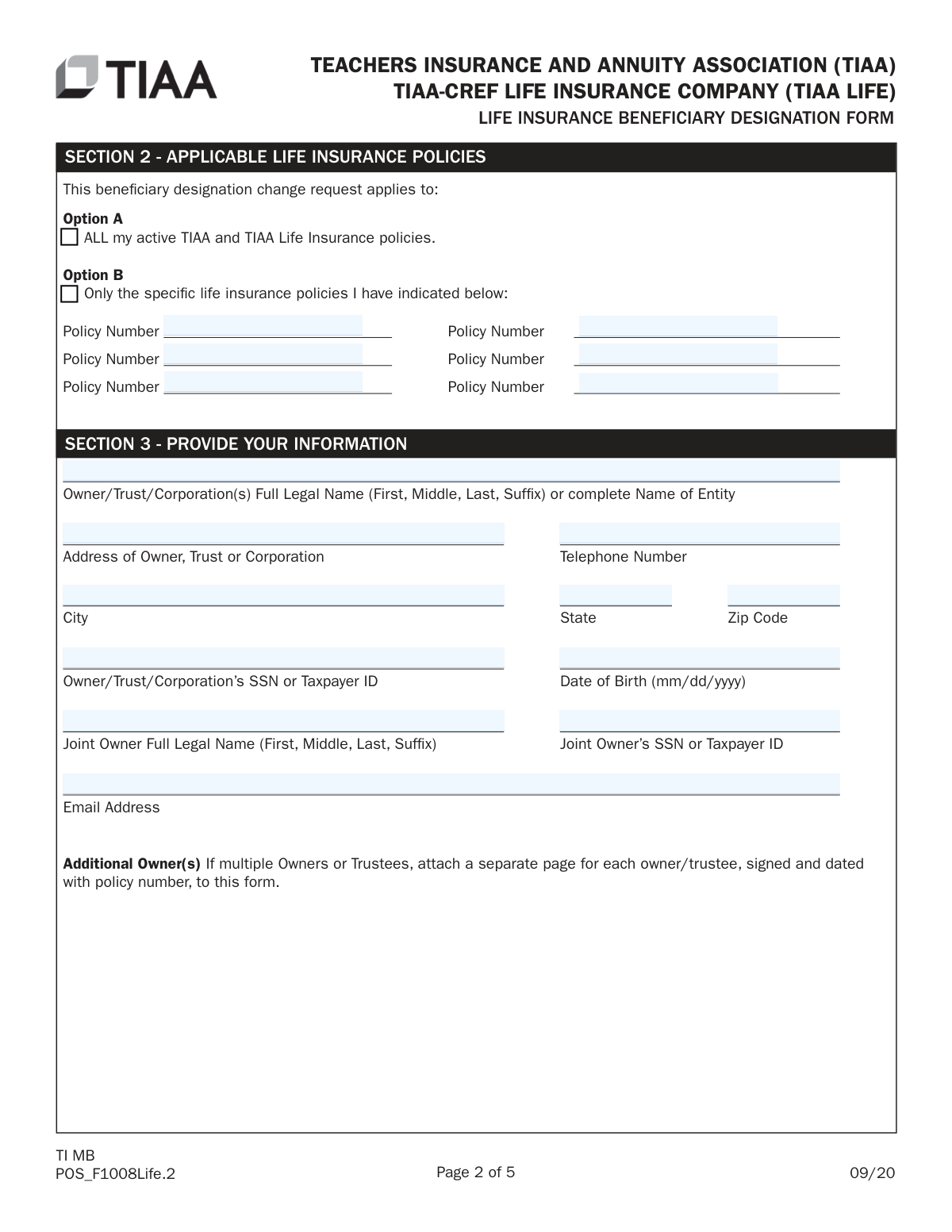
How to Complete the AAA Life Insurance Beneficiary Designation Form
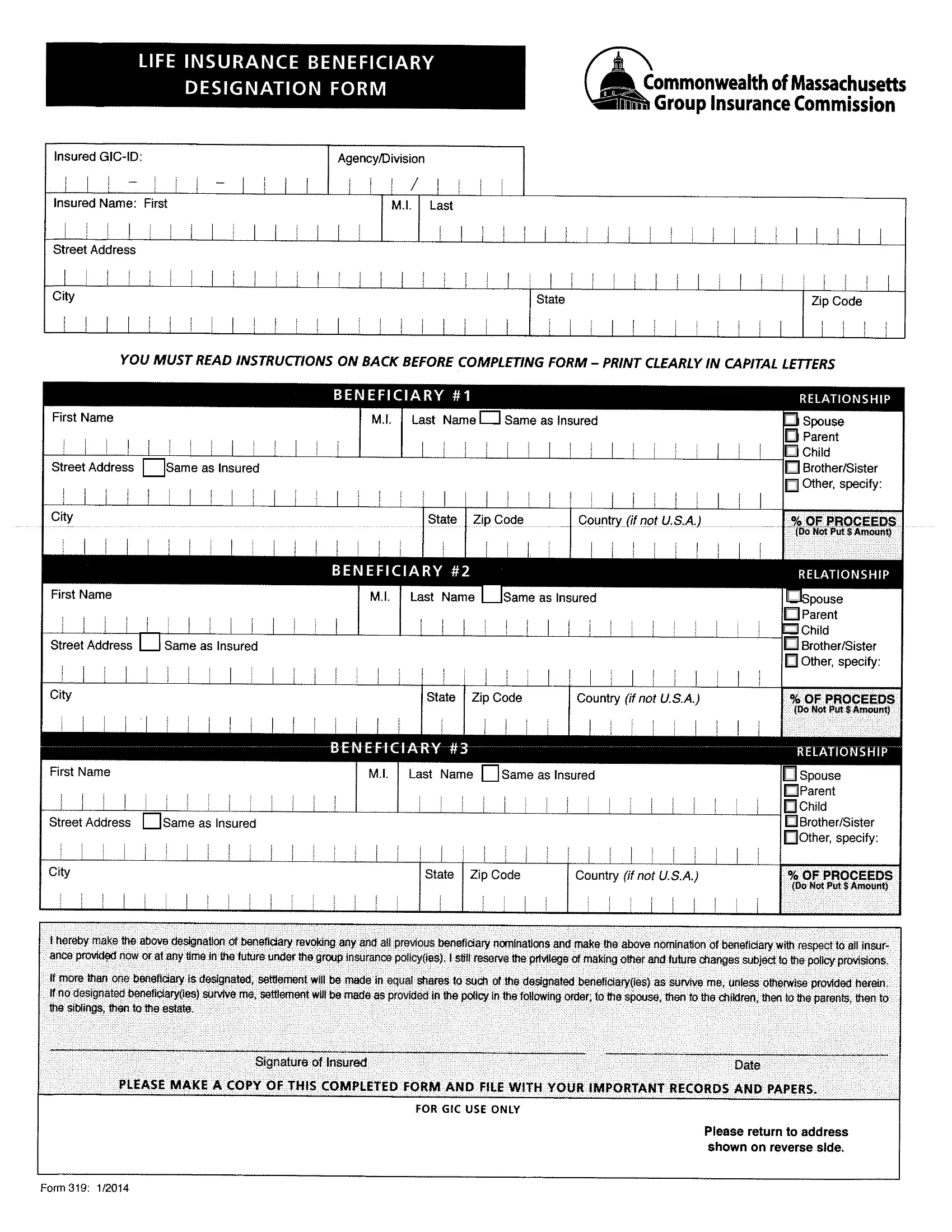
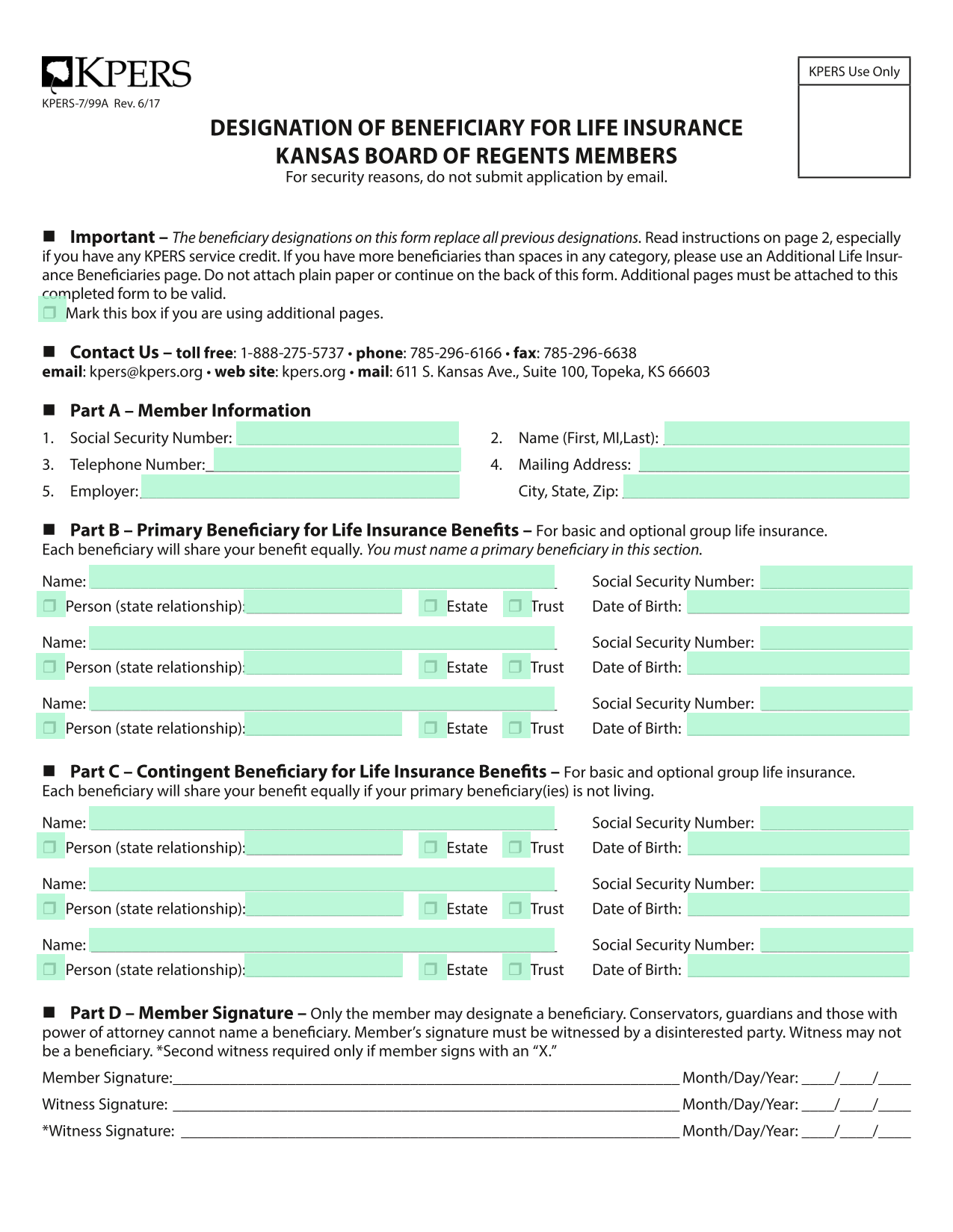
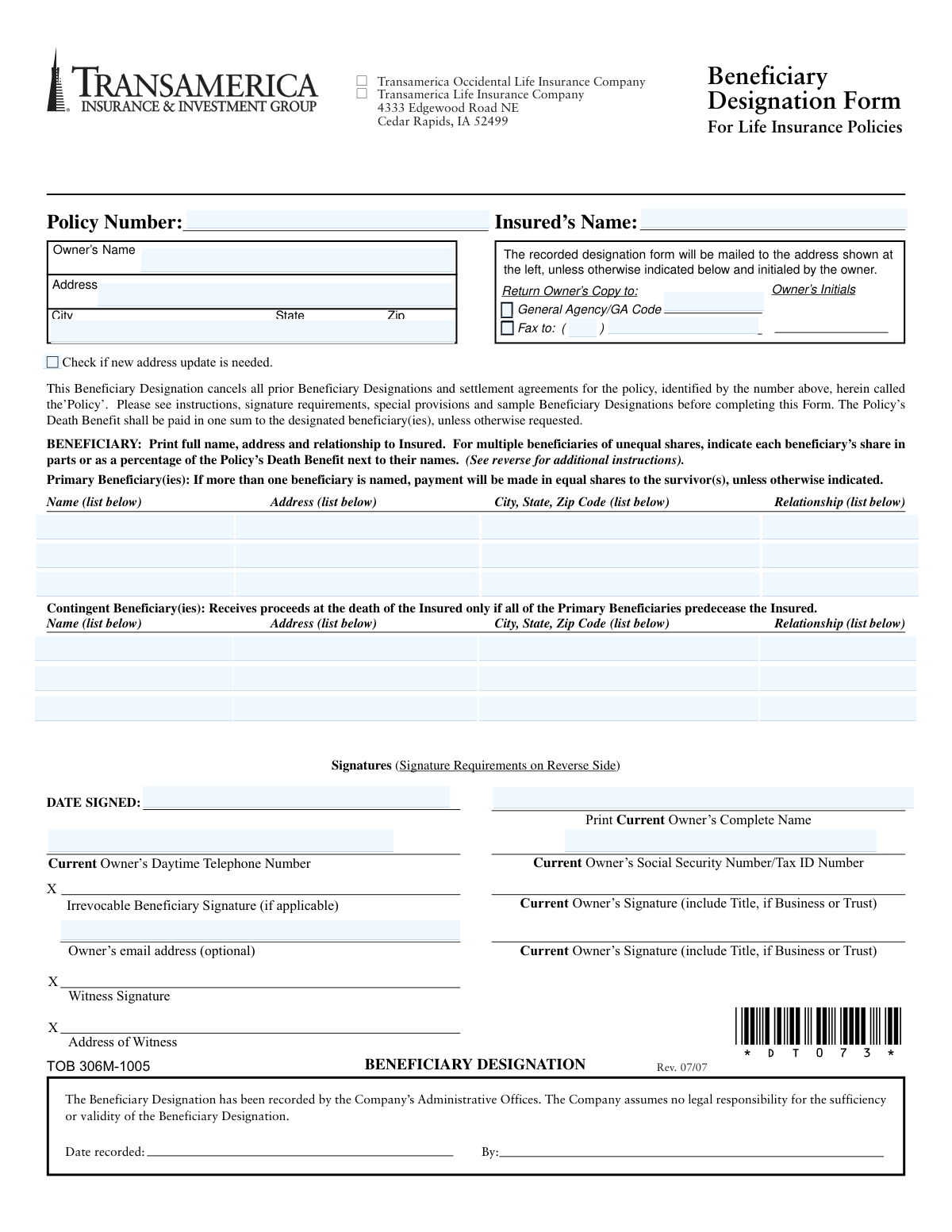
To complete the AAA Life Insurance Beneficiary Designation form, you must accurately provide the full legal name, Social Security number, date of birth, and relationship for each primary and contingent beneficiary. Ensure that the tota...
To complete the AAA Life Insurance Beneficiary Designation form, you must accurately provide the full legal name, Social Security number, date of birth, and relationship for each primary and contingent beneficiary. Ensure that the total share percentage for each beneficiary category equals exactly 100%, sign the document, and submit it to AAA Life Insurance Company via their online portal, fax, or mail.
Contents
Maintaining an up-to-date beneficiary designation is one of the most critical aspects of managing a life insurance policy. For policyholders with AAA Life Insurance Company, the beneficiary designation form serves as the legal blueprint that dictates how death benefits are distributed. Without a valid, clear form on file, the payout of your policy could be delayed by probate court or distributed according to state laws that may not align with your personal wishes. As of 2026, AAA Life continues to offer both digital and paper-based methods for updating these records, ensuring that policyholders can reflect changes in their family structure, financial goals, or estate plans in real-time.
Understanding the Importance of the Beneficiary Designation Form
The beneficiary designation form is a legally binding document that generally overrides instructions left in a last will and testament. This concept, known as "operation of law," means that the life insurance company is contractually obligated to pay the individuals or entities named on the specific insurance form, regardless of what other legal documents might say. This is why completing the form correctly is paramount; an error or an outdated form can lead to unintended consequences, such as an ex-spouse receiving a payout or funds being locked in a legal battle between heirs.
In 2026, the complexity of modern families—including blended families, domestic partnerships, and international residences—makes the precision of this form more vital than ever. By naming specific beneficiaries, you allow the death benefit to pass directly to your loved ones, bypassing the often lengthy and expensive probate process. This provides immediate liquidity to your family for funeral expenses, debt settlement, and ongoing living costs.
Prerequisites and Necessary Information
Before you begin filling out the AAA Life beneficiary form, you should gather all pertinent data for your chosen beneficiaries. Providing incomplete information is a leading cause of claim delays. While some fields might be marked as optional, providing as much detail as possible ensures the insurance company can locate the individuals when the time comes.
You will need the following information for every individual or entity you intend to name:
- Full Legal Name: Use the name as it appears on their government-issued identification.
- Social Security Number (SSN) or Taxpayer Identification Number (TIN): This is the most reliable way for AAA Life to verify the identity of a claimant.
- Date of Birth: Essential for distinguishing between family members with similar names (e.g., Sr. and Jr.).
- Current Address and Phone Number: This allows the company to contact the beneficiary directly.
- Relationship to the Insured: Explicitly state if they are a spouse, child, parent, or trust.
- Share Percentages: You must decide how to split the benefit among multiple beneficiaries.
How to Access the AAA Life Insurance Beneficiary Form
AAA Life Insurance Company provides several avenues for policyholders to access and submit beneficiary changes. In 2026, the most efficient method is through the AAA Life eService portal.
- Online Portal: Log in to your account at AAALife.com. Navigate to the "Policy Management" or "Forms" section. Most policyholders can complete a digital version of the beneficiary designation directly within the secure environment, which includes electronic signature capabilities.
- Customer Service: If you prefer a physical copy or have a complex policy type (such as a group policy through an employer), you can call AAA Life Customer Service. They can mail or email a PDF version of the form to you.
- Local AAA Branch: While local AAA motor club branches primarily handle auto and travel services, many can provide you with the correct contact information or basic forms for the AAA Life Insurance Company (which is a separate entity).
Step-by-Step Guide to Filling Out the Form
The standard AAA Life Beneficiary Designation Form is divided into several logical sections. Accuracy in each section is required to prevent the form from being rejected.
Section 1: Policy and Insured Information
At the top of the form, you must identify the policy or policies you wish to update. Enter the Policy Number clearly. If you have multiple policies and want the same beneficiaries for all of them, you can often list multiple numbers, but it is best to verify this on the specific form version you are using. Include your full legal name, current address, and contact information as the "Insured."
Section 2: Primary Beneficiaries
The primary beneficiary is the first person (or entity) in line to receive the death benefit. You can name one person to receive 100%, or multiple people to share the benefit.
- Distribution Shares: If naming more than one person, you must assign a percentage to each. For example: "Spouse: 50%, Child A: 25%, Child B: 25%."
- Total: Ensure the total for this section equals exactly 100%. Do not use dollar amounts, as the value of the policy may change over time due to dividends or loans.
Section 3: Contingent Beneficiaries
Also known as secondary beneficiaries, these individuals receive the benefit only if all primary beneficiaries are deceased at the time of the insured’s death. This is your "Plan B."
- Importance: If you name your spouse as the sole primary and they pass away with you in a common accident, the benefit will go to your estate (and into probate) unless you have named contingent beneficiaries.
- Total: Like the primary section, the contingent shares must total 100%.
Section 4: Choosing Distribution Methods (Per Stirpes vs. Per Capita)
On many AAA Life forms, you will see the option to select "Per Stirpes." This is a legal term meaning "by the branch."
- Per Stirpes: If a named beneficiary dies before you, their share passes down to their children (your grandchildren).
- Per Capita: If a named beneficiary dies before you, their share is instead divided among the other surviving beneficiaries named in that category. If you do not select one, the default is usually per capita among the survivors. If you have specific lineage wishes, check the "Per Stirpes" box clearly.
Section 5: Signatures and Execution
The form must be signed and dated by the Policy Owner. If you are the insured but someone else (like a business partner or a trust) owns the policy, the owner must sign.
- Witnesses/Notary: Standard AAA Life forms typically do not require a notary unless you are in a specific state or making a change to a high-value corporate policy. However, read the instructions on the back of your specific form carefully for any 2026 updates regarding state-specific notary requirements.
Comparison Table: Primary vs. Contingent Beneficiaries
| Feature | Primary Beneficiary | Contingent Beneficiary |
|---|---|---|
| Order of Payment | First in line to receive proceeds. | Second in line; only paid if Primary is deceased. |
| Percentage Requirement | Total must equal 100%. | Total must equal 100%. |
| Common Examples | Spouse, Domestic Partner, Trust. | Children, Siblings, Charities. |
| Impact of Death | If they die first, funds go to Contingent. | If they die first, it has no impact on Primary. |
| Multiple Names | Allowed (shares can be split). | Allowed (shares can be split). |
Special Instructions for Trusts and Minors
Naming a Trust
If you have a living trust or a testamentary trust, you can name it as a beneficiary. This is common for individuals with complex estates or those who want to control how the money is spent after their death.
- Requirement: You must provide the full name of the trust (e.g., "The John Doe Revocable Living Trust"), the date the trust was created, and the name of the current trustee.
Naming Minors
Life insurance companies cannot pay death benefits directly to minors. If you name a minor child without further instruction, the court will likely appoint a guardian to manage the funds, which can be costly.
- Solution: Use the Uniform Transfers to Minors Act (UTMA) or Uniform Gifts to Minors Act (UGMA) designation. On the form, you would write: "[Name of Adult] as custodian for [Name of Minor] under the [Your State] UTMA."
Important Legal and Financial Considerations
Community Property States
If you live in a community property state (such as Arizona, California, Idaho, Louisiana, Nevada, New Mexico, Texas, Washington, or Wisconsin), your spouse may have a legal claim to a portion of the life insurance proceeds if the premiums were paid with community funds (income earned during the marriage).
- Spousal Consent: If you live in one of these states and wish to name someone other than your spouse as the primary beneficiary for more than 50% of the benefit, AAA Life may require a Spousal Consent Signature on the form. Failure to provide this can lead to legal challenges or the form being returned for correction.
Tax Implications
Generally, life insurance death benefits are not subject to federal income tax. However, they may be included in the value of your gross estate for federal and state estate tax purposes. If your estate is large enough to trigger these taxes in 2026, you should consult with a tax professional before finalizing your beneficiary designations. Information regarding tax treatment can be found via the Internal Revenue Service (IRS).
Submission and Verification Process
Once the form is complete, double-check all Social Security numbers and percentages. A single digit error can cause significant problems.
- Online Upload: If using the eService portal, simply click "Submit." You should receive an immediate confirmation number.
- Mail: Send the original form to the address listed on the document. In 2026, the primary address for AAA Life Insurance Company remains in Livonia, Michigan. It is recommended to use certified mail with a return receipt for paper submissions.
- Fax: AAA Life typically provides a dedicated fax number for policy changes. Ensure your policy number is on every page of the fax.
Verification: After submission, wait approximately 7 to 10 business days, then log back into your AAA Life account or call customer service to verify that the change has been recorded. Do not assume it is processed until you receive written or digital confirmation.
Troubleshooting and Common Mistakes
- The "All My Children" Error: Avoid writing "All my children" as a designation. While it seems clear, it can lead to disputes regarding stepchildren or children born after the form was signed. List each child by their legal name.
- Percentages vs. Fractions: Use whole percentages. Avoid using fractions or dollar amounts ($50,000 to X, $50,000 to Y), as the total policy value might not match those numbers at the time of death.
- Incomplete SSNs: If you do not have a beneficiary's SSN, contact them to get it. While some companies allow the form without it, it significantly increases the risk of the benefit going to the wrong person or the state's "unclaimed property" department.
- Outdated Information: A common mistake is failing to update the form after a divorce. In many states, a divorce does not automatically revoke a beneficiary designation. You must manually change the form to remove an ex-spouse.
FAQ
Can I name a charity as my AAA Life beneficiary?
Yes, you can name a 501(c)(3) non-profit organization as a primary or contingent beneficiary. You will need the organization's full legal name and its Federal Tax ID Number (EIN). This is an effective way to support a cause while potentially reducing the size of your taxable estate.
What happens if I don't name any beneficiaries?
If you die without a valid beneficiary designation on file, the death benefit is usually paid to your estate. This means the funds must go through probate court, where they may be used to pay off creditors before your heirs receive anything. This process can take months or even years.
How often should I update my AAA Life beneficiary form?
It is a best practice to review your beneficiaries every three to five years, or whenever a major life event occurs. These events include marriage, divorce, the birth or adoption of a child, the death of a previously named beneficiary, or a significant change in your financial or estate planning strategy.
Can I change my beneficiary if the policy is "Irrevocable"?
If you designated a beneficiary as "Irrevocable," you cannot change them without that beneficiary’s written consent. This is rare in standard individual policies but sometimes occurs in divorce settlements or business insurance arrangements. Most AAA Life designations are "Revocable," meaning you can change them at any time.
Does AAA Life allow for "Custom" beneficiary wording?
While the form has limited space, you can often attach a signed and dated "Letter of Instruction" or an addendum if you have a complex distribution (e.g., splitting benefits among ten different people with specific conditions). However, it is always best to use the standard fields on the form whenever possible to ensure clear processing.
Practical Recommendation
Your next step should be to log into the AAA Life eService portal today to review your current designations. If they are outdated or incomplete, download the Beneficiary Designation Form and update it immediately. Given the legal weight of this document, do not delay—ensuring your loved ones are protected is the primary reason you invested in life insurance. Once submitted, store a copy of the confirmation with your other vital estate documents.
Image Gallery