Does Term Life Insurance Cost More? Quizlet Answers and Insurance Fundamentals
Term life insurance does not cost more than permanent life insurance; it is consistently the most affordable form of life insurance available. Because it provides "pure protection" for a specific period without an investment or cash va...
Term life insurance does not cost more than permanent life insurance; it is consistently the most affordable form of life insurance available. Because it provides "pure protection" for a specific period without an investment or cash value component, premiums are significantly lower than those for whole or universal life policies.
Contents
The question "does term life insurance cost more" frequently appears on study platforms like Quizlet because it is a foundational concept for insurance licensing exams, such as the Life, Accident, and Health Producer exams. Understanding why term insurance is the most cost-effective option requires a deep dive into how insurance companies assess risk, the structure of different policy types, and the specific financial goals these products are designed to meet in 2026.
Why Term Life Insurance is the Least Expensive Option
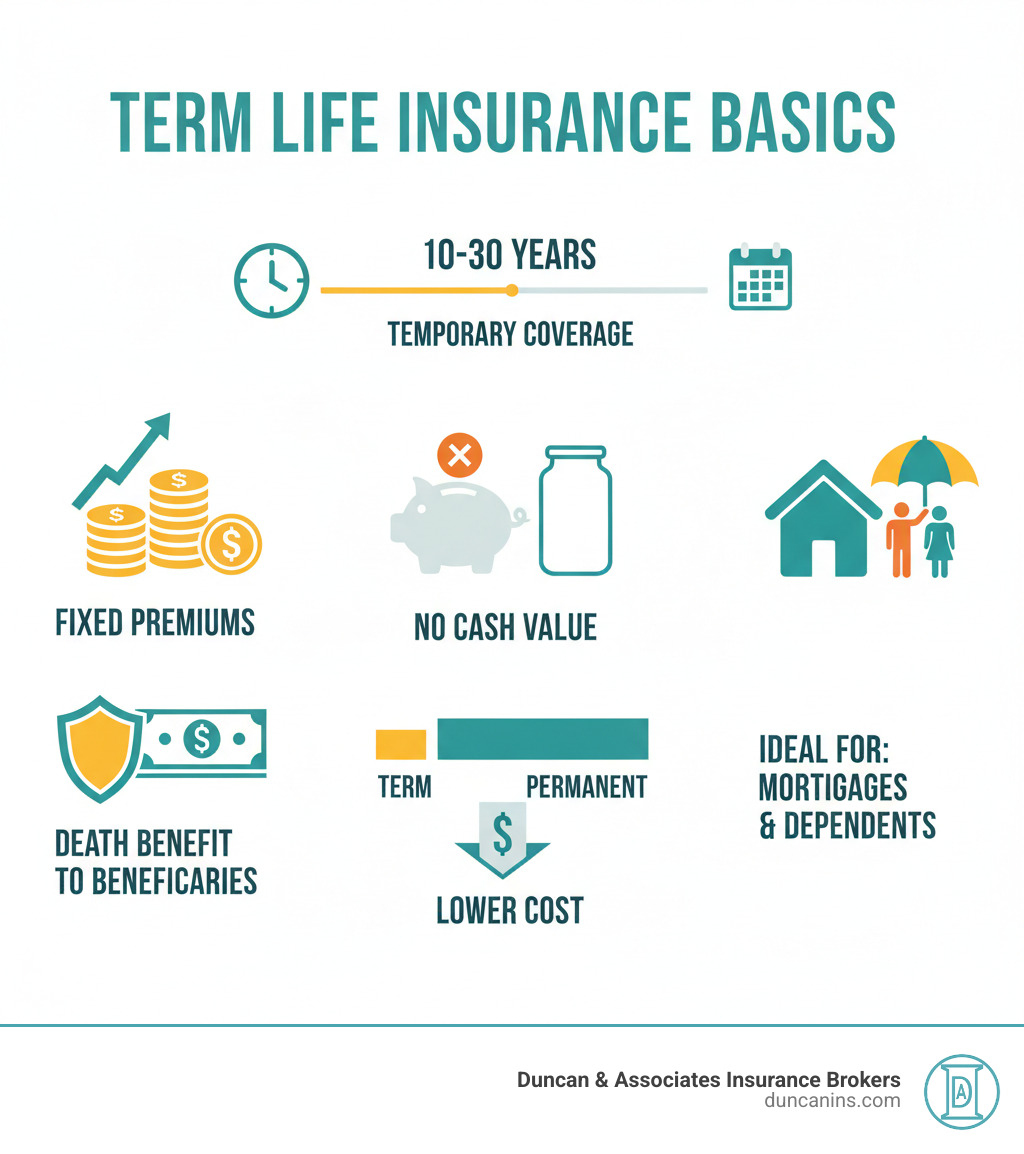
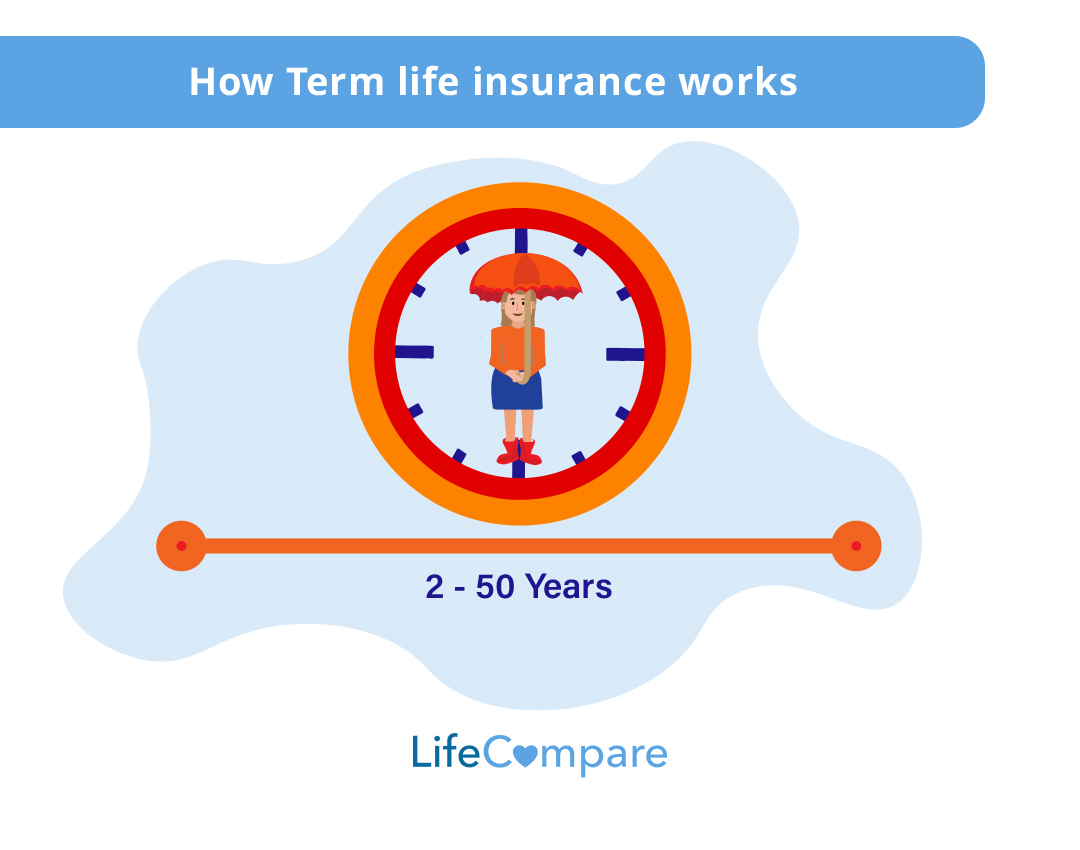
In the insurance industry, term life insurance is often referred to as "pure life insurance." Unlike permanent policies, which are designed to cover the insured for their entire life, term insurance only covers a specific "term"—usually 10, 15, 20, or 30 years. If the insured individual passes away during this window, the death benefit is paid to the beneficiaries. If the insured survives the term, the coverage simply ends unless it is renewed or converted.
There are three primary reasons why term life insurance costs less than other options:
- Lack of Cash Value: Permanent policies like whole life or universal life include a savings component known as cash value. A portion of every premium payment is directed into an account that grows over time. Term insurance has no such feature. You are paying strictly for the death benefit, which eliminates the added cost of funding an investment vehicle.
- Probability of Payout: Actuarially, the vast majority of term life insurance policies never pay a claim. This is because most people outlive their 10- or 20-year terms. Since the insurance company is less likely to pay out a death benefit on a term policy than on a permanent policy (which is guaranteed to pay out as long as premiums are met), they can charge much lower rates.
- Lower Administrative Costs: Because term insurance is straightforward and does not require the management of investment portfolios or complex cash-value distributions, the overhead for the insurance provider is lower. These savings are passed on to the consumer in the form of lower premiums.
Term Life vs. Permanent Life: A Cost Comparison
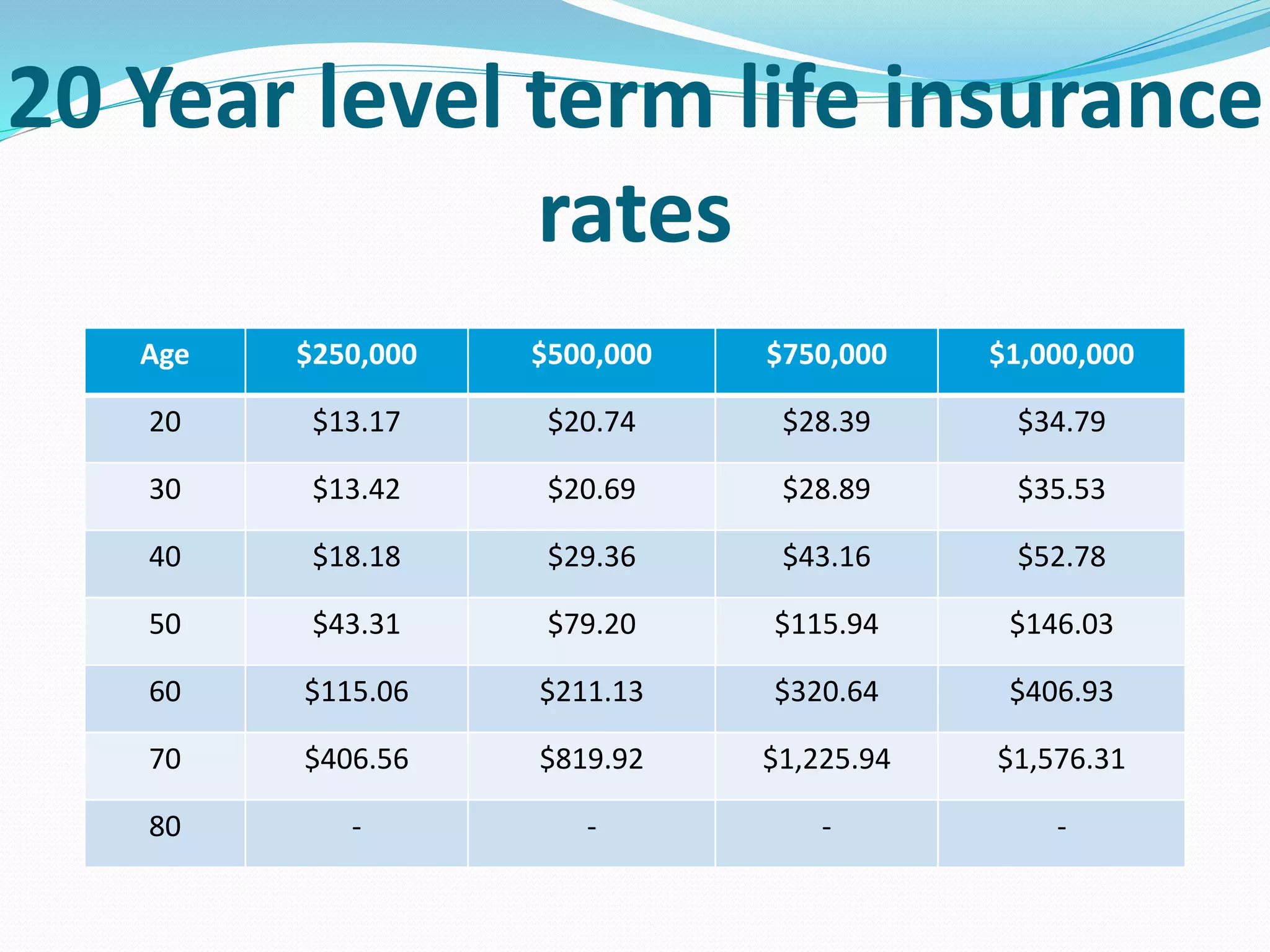
To understand the price gap, it is helpful to look at the premium structures. In 2026, a healthy 35-year-old might pay approximately $30 to $50 per month for a $500,000 term life policy with a 20-year duration. In contrast, a whole life policy for the same $500,000 death benefit could cost $400 to $600 per month or more.
The following table illustrates the core differences that impact the cost of these policies:
| Feature | Term Life Insurance | Whole Life Insurance | Universal Life Insurance |
|---|---|---|---|
| Primary Goal | Temporary Protection | Lifelong Protection & Savings | Flexible Protection & Savings |
| Relative Cost | Lowest | Highest | Moderate to High |
| Cash Value | None | Guaranteed Growth | Variable/Market-Linked |
| Duration | Fixed (e.g., 20 years) | Permanent (Life) | Permanent (Life) |
| Premium Structure | Level (usually) | Fixed/Level | Flexible |
| Complexity | Simple | Moderate | High |
Analyzing the "Quizlet" Context: Exam Preparation Logic
Students searching for this phrase on Quizlet are often looking for the "Correct" answer to a multiple-choice question regarding the "Least Expensive Policy." In the context of insurance licensing (such as the Kaplan or ExamFX curricula), the answer is always Term Life Insurance.
Exam questions often phrase this in a few specific ways:
- "Which policy provides the greatest amount of coverage for the limited amount of premium?" (Answer: Term)
- "Which of the following is NOT a characteristic of term life insurance?" (Incorrect Choice: It builds cash value)
- "Does term life insurance cost more than whole life?" (Answer: No/False)
For those studying in 2026, it is important to remember the "Buy Term and Invest the Difference" philosophy. This strategy suggests that because term insurance is so much cheaper, an individual should buy term to cover their protection needs and take the money they saved (by not buying expensive whole life) and invest it in the stock market or other retirement accounts.
Factors That Influence the Cost of Term Life Insurance
While term insurance is the cheapest category, the specific premium you pay is determined by several underwriting factors. In 2026, insurance companies use increasingly sophisticated data—ranging from traditional medical exams to "accelerated underwriting" that uses prescription histories and credit data—to set these rates.
1. Age and Health Status
Age is the most significant factor. Every year you wait to purchase a policy, the premium increases because the statistical probability of death rises. Health status, including Body Mass Index (BMI), blood pressure, and cholesterol levels, also plays a critical role. Those in "Preferred Plus" health categories receive the lowest rates.
2. Policy Duration
A 30-year term policy will cost more per month than a 10-year policy. This is because the insurance company is taking on the risk of the insured aging into a higher-mortality bracket during the later years of the longer term.
3. Coverage Amount (Face Value)
The death benefit amount directly correlates with the cost. However, insurance often has "price breaks" at certain levels (e.g., $250,000, $500,000, and $1,000,000), where the cost per thousand dollars of coverage actually decreases as you buy more.
4. Lifestyle and Occupation
High-risk hobbies (like skydiving) or dangerous occupations (like underground mining) can lead to "ratings," which are surcharges added to the base premium. Smoking or tobacco use is perhaps the most expensive lifestyle factor, often doubling or tripling the cost of a term policy compared to a non-smoker.
When Term Life Insurance Can Become Expensive
While term life is cheaper at the outset, there are specific scenarios where the costs can escalate, which is a common "trick" question on insurance exams.
- Renewable Term Increases: Many term policies are "Renewable," meaning you can extend the coverage without a medical exam when the initial term ends. However, the premium for the new term will be based on your attained age. This means a policy that cost $40 a month at age 30 could jump to $400 a month if renewed at age 60.
- Conversion Costs: If you have a "Convertible Term" policy, you can switch it to a permanent policy without a medical exam. While this is a valuable feature, the premium will increase significantly at the time of conversion because you are moving into a permanent, cash-value-building product.
- Waiting Too Long: If you wait until your 50s or 60s to buy your first term policy, the cost may rival what a whole life policy would have cost had you purchased it in your 20s.
Essential Terminology for Quizlet Users
To master the concepts related to term insurance costs, you should be familiar with these specific terms often found in Quizlet sets:
- Level Premium Term: The most common type of term insurance where the premium remains the same for the entire duration of the policy.
- Decreasing Term: Often used for mortgage protection, the death benefit decreases over time (as the mortgage balance goes down), but the premium usually remains level. This is often the cheapest form of term insurance because the insurer's risk decreases every year.
- Increasing Term: The death benefit increases over time, often used as a rider to keep up with inflation. This is more expensive than standard level term.
- Annual Renewable Term (ART): Coverage that renews every year. The premium starts very low but increases every single year as the insured gets older.
Strategic Financial Planning in 2026
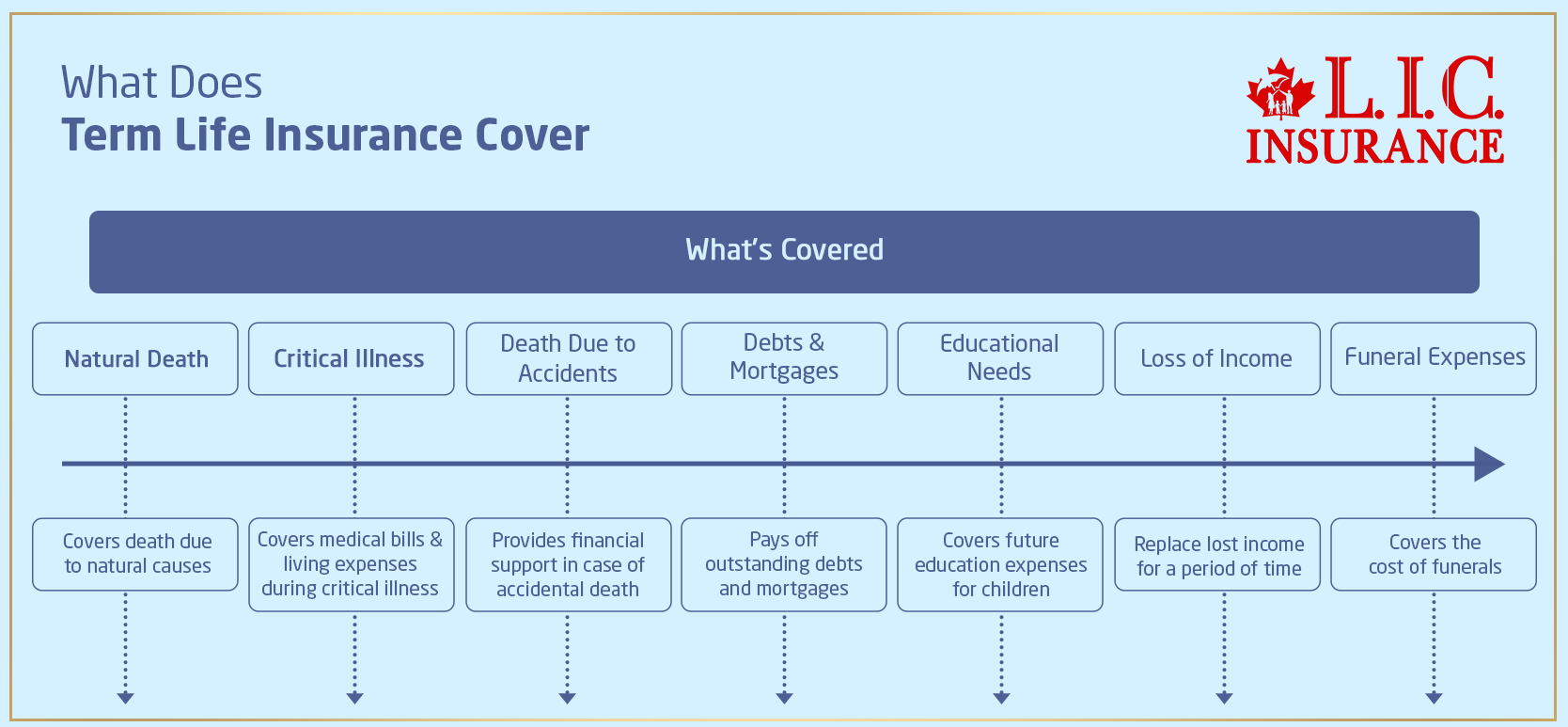
In the current financial landscape of 2026, term life insurance remains the primary recommendation for families with temporary needs. These needs include:
- Replacing Income: Ensuring a spouse can maintain their standard of living during working years.
- Debt Coverage: Covering a 30-year mortgage or personal loans.
- Education Funding: Ensuring children have tuition money if a parent passes away before they finish college.
For those whose needs are permanent—such as estate tax planning or providing for a special-needs dependent—the higher cost of permanent insurance may be justified. However, for the average consumer and for the purposes of passing an insurance exam, term life is the baseline for affordability.
The National Association of Insurance Commissioners (NAIC) provides updated consumer guides that confirm that for the majority of individuals, term life insurance provides the necessary protection at a fraction of the cost of permanent alternatives.
Frequently Asked Questions
Is term life insurance ever more expensive than whole life?
No, in terms of the initial premium for the same amount of coverage, term life insurance is never more expensive than whole life. Whole life premiums are higher because they cover the insured's entire life and include a cash-value accumulation component that term insurance lacks.
Why do some people say term insurance is "wasted money"?
This is a common misconception often promoted by those selling permanent products. While it is true that you do not "get your money back" if you outlive a term policy (unless you have a specific "Return of Premium" rider), the money saved on premiums can be invested elsewhere, often yielding a higher return than the cash value in a whole life policy.
Can I change my term policy if it becomes too expensive?
If a term policy becomes too expensive due to age-related increases at the time of renewal, your options are to shop for a new policy (which requires a medical exam), reduce the coverage amount to lower the premium, or convert to a permanent policy if your contract allows it.
What is the average cost of a term life policy in 2026?
For a healthy 30-year-old non-smoker, a 20-year level term policy with a $1,000,000 death benefit typically costs between $450 and $650 per year. Prices vary based on the specific carrier's underwriting appetite and the applicant's detailed health profile.
Does "Level Term" mean the price never goes up?
Yes, in a level-premium term policy, the price is guaranteed to stay the same for the duration of the term (e.g., 10, 20, or 30 years). After the term expires, if you choose to keep the coverage, the price will typically increase annually based on your age at that time.
Final Recommendation
If you are currently studying for an insurance exam or reviewing Quizlet sets, remember this core principle: Term life insurance is the most affordable type of life insurance because it provides pure death benefit protection without any cash value or investment features.
For consumers in 2026, the best course of action is to calculate your total financial obligations (mortgage, education, income replacement) and secure a level-term policy that covers the duration of those obligations. This provides the highest amount of protection for the lowest possible cost, allowing you to allocate the rest of your budget toward your long-term savings and retirement goals.
Image Gallery