How Life Insurance Policies Work in Virginia: A 2026 Regulatory Guide
In Virginia, life insurance policies function as a legal contract between an individual and an insurer, regulated by the State Corporation Commission’s Bureau of Insurance. These policies provide a tax-free death benefit to beneficiari...
In Virginia, life insurance policies function as a legal contract between an individual and an insurer, regulated by the State Corporation Commission’s Bureau of Insurance. These policies provide a tax-free death benefit to beneficiaries in exchange for premium payments, governed by state-specific mandates regarding grace periods, incontestability clauses, and beneficiary designations.
Contents
Life insurance is a cornerstone of financial planning for residents of the Commonwealth. Whether you are looking to protect a mortgage in Alexandria, provide for a family in Richmond, or ensure business succession in Virginia Beach, understanding the specific legal framework of Virginia is essential. In 2026, the Virginia insurance market remains robust, operating under a set of consumer protection laws designed to ensure transparency, solvency, and fairness. This guide details the mechanisms of Virginia life insurance, from the types of coverage available to the specific statutes that protect policyholders.
The Regulatory Framework: The Virginia Bureau of Insurance
The primary body overseeing life insurance in the state is the Virginia State Corporation Commission (SCC) through its Bureau of Insurance. Unlike some states where the insurance commissioner is an elected official, Virginia’s Bureau of Insurance operates under the SCC, which provides a layer of regulatory stability.
The Bureau’s role is twofold: it ensures that insurance companies remain financially solvent so they can pay future claims, and it protects consumers from unfair trade practices. In 2026, all insurance products sold in Virginia must be approved by the Bureau, ensuring they meet the minimum standards set by the Code of Virginia. This includes clear language regarding policy exclusions, premium structures, and the rights of the policyholder to cancel or modify their coverage.
For residents, this means that if an insurer acts in bad faith—such as unreasonably delaying a claim or misrepresenting policy terms—the Bureau of Insurance provides a formal grievance process. While the Bureau cannot act as your private attorney, its oversight ensures that companies adhere to the Virginia Life Insurance Disclosure Act, which requires insurers to provide clear, written information about the costs and benefits of a policy before the sale is finalized.
Types of Life Insurance Policies Available in Virginia
Virginia residents typically choose between two broad categories of life insurance: term life and permanent life. Each serves a different financial purpose and is governed by the same state-level consumer protections.
Term Life Insurance
Term life insurance is the most straightforward form of coverage. It provides protection for a specific period, such as 10, 20, or 30 years. In Virginia, these policies are popular for "protection-first" needs, such as covering the duration of a mortgage or the years until children reach adulthood.
- How it works: If the insured individual passes away during the term, the beneficiary receives the death benefit. If the term ends while the insured is still living, the coverage expires unless it is renewed or converted.
- Virginia Specifics: Most term policies in Virginia include a Conversion Option, allowing the policyholder to switch to a permanent policy without a new medical exam, provided they do so within a specified timeframe.
Permanent Life Insurance
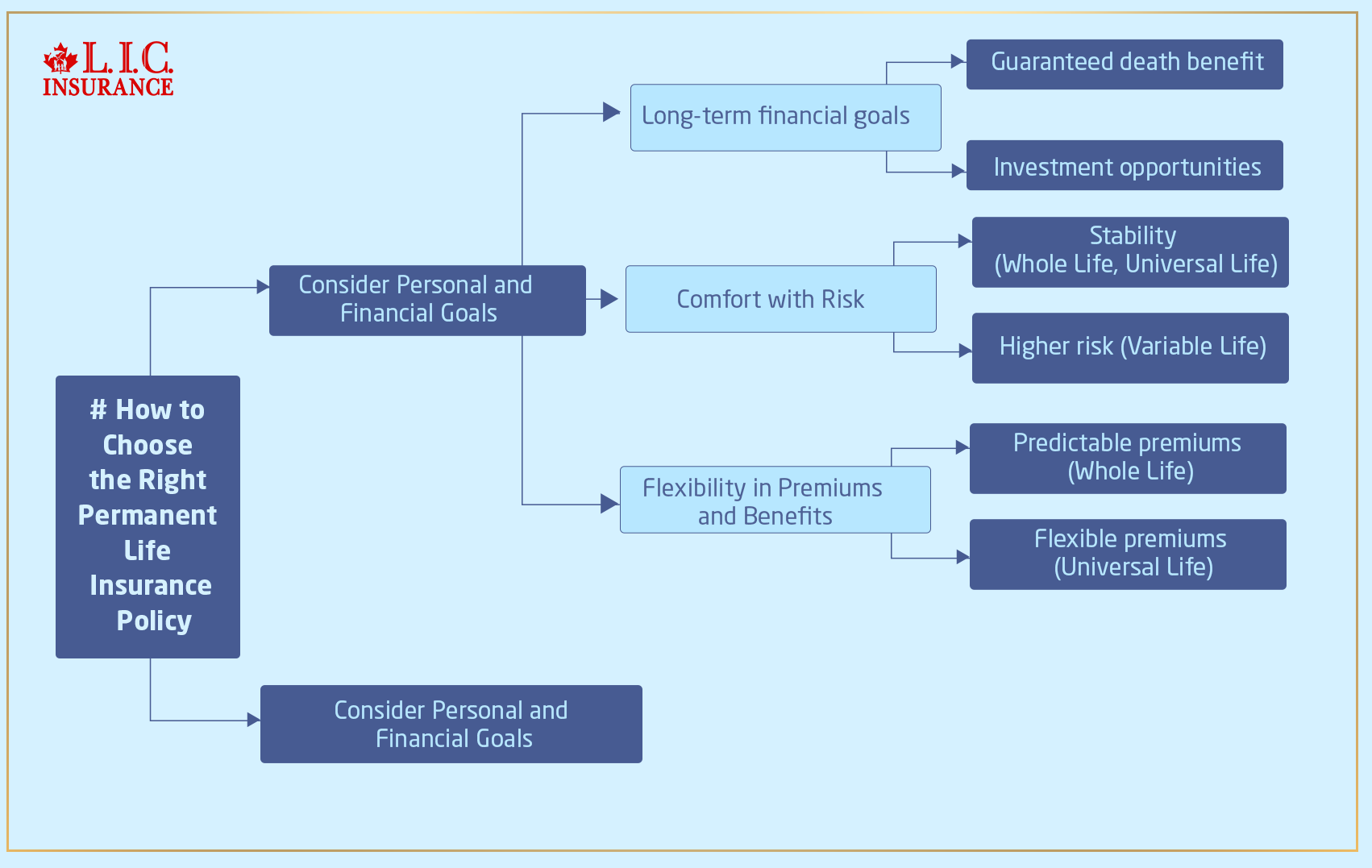
Permanent life insurance, including Whole Life and Universal Life, is designed to last for the insured’s entire lifetime, provided premiums are paid.
- Whole Life: Features fixed premiums and a guaranteed death benefit, along with a "cash value" component that grows at a set rate.
- Universal Life: Offers more flexibility, allowing policyholders to adjust their premiums and death benefits as their financial situation changes. In 2026, Indexed Universal Life (IUL) remains a common choice in Virginia for those seeking market-linked growth within their cash value account.
- Cash Value Rights: Under Virginia law, the cash value of a life insurance policy is often protected from creditors, making it an effective tool for asset protection.
Mandatory Policy Provisions in Virginia
The Code of Virginia mandates that every life insurance policy issued in the state contain specific provisions. these are non-negotiable protections that favor the consumer.
The "Free Look" Period
In Virginia, the standard Free Look Period is 10 days. This gives the policyholder 10 days from the date they receive the physical policy to review the terms. If they are unsatisfied for any reason, they can cancel the policy and receive a full refund of all premiums paid. For seniors or certain replacement policies, this period may be extended to 20 or 30 days to prevent high-pressure sales tactics.
The Grace Period
Life happens, and sometimes a premium payment is missed. Virginia law requires a Grace Period of at least 31 days. During this time, the policy remains in full force. If the insured passes away during the grace period, the insurer will pay the death benefit, though they will deduct the overdue premium from the final payout. This prevents a policy from lapsing immediately due to a late payment.
The Incontestability Clause
Once a life insurance policy has been in force for two years in Virginia, the insurer can no longer contest the claim based on misstatements made in the original application. This is a vital protection; it means that even if a policyholder accidentally omitted a minor medical detail, the insurer cannot deny a death benefit claim after the two-year window has passed, except in rare cases of extreme fraud or non-payment of premiums.
Virginia Life and Health Insurance Guaranty Association
A common concern for policyholders is: What happens if my insurance company goes bankrupt? Virginia addresses this through the Virginia Life and Health Insurance Guaranty Association.
All insurance companies licensed to do business in the Commonwealth must be members of this association. If a member company becomes insolvent and is unable to meet its obligations, the Guaranty Association steps in to provide coverage and pay claims, subject to certain limits. As of 2026, the typical limits for life insurance in Virginia are:
- $300,000 in death benefits.
- $100,000 in net cash surrender or withdrawal values.
While these limits exist, they provide a significant safety net, ensuring that even if a corporate entity fails, the families of Virginia are not left entirely unprotected.
Beneficiary Laws and Legal Nuances in Virginia
The way life insurance proceeds are distributed in Virginia is governed by specific state statutes, particularly regarding family law changes and the age of beneficiaries.
The Impact of Divorce (Va. Code § 20-111.1)
One of the most critical aspects of Virginia insurance law is the "revocation on divorce" statute. Under Va. Code § 20-111.1, if a policyholder names their spouse as a beneficiary but later gets divorced, the designation of the ex-spouse is automatically revoked by law upon the entry of the divorce decree.
The state essentially treats the ex-spouse as having predeceased the policyholder. This is intended to protect individuals who forget to update their paperwork after a split. However, there are exceptions: if the divorce decree specifically requires the life insurance to be maintained for the ex-spouse, or if the policyholder re-designates the ex-spouse after the divorce is final, the revocation does not apply.
Minors as Beneficiaries
In Virginia, life insurance companies cannot pay a death benefit directly to a minor. If a child is named as a beneficiary without a designated legal guardian or a trust, the court will have to appoint a guardian to manage the funds until the child reaches the age of 18. This can be a lengthy and expensive legal process, which is why many Virginia financial planners recommend using a Uniform Transfers to Minors Act (UTMA) account or a life insurance trust.
Comparison of Life Insurance Features in Virginia
The following table compares the different aspects of policy ownership and state protections in Virginia.
| Feature | Term Life Insurance | Permanent Life Insurance | Virginia State Mandate |
|---|---|---|---|
| Duration | Fixed (10-30 years) | Lifetime | N/A |
| Cash Value | No | Yes | Protected from most creditors |
| Free Look Period | 10-30 Days | 10-30 Days | Mandatory 10-day minimum |
| Grace Period | 31 Days | 31 Days | Mandatory 31-day minimum |
| Incontestability | 2 Years | 2 Years | Mandatory 2-year limit |
| Guaranty Limits | Up to $300k | Up to $300k | Per individual per insolvency |
Underwriting and Cost Factors in the Commonwealth
In 2026, Virginia insurers use a variety of data points to determine premiums, a process known as underwriting. While Virginia law prohibits discrimination based on race, religion, or national origin, insurers are permitted to set rates based on actuarial risks.
- Age and Gender: Generally, younger applicants and females receive lower rates due to longer life expectancies.
- Tobacco Use: Virginia has historically had a significant tobacco presence, but for insurance purposes, smokers can expect to pay double or triple the rates of non-smokers.
- Medical History: Insurers will review medical records and often require a paramedical exam. In 2026, many companies also use "accelerated underwriting," which utilizes prescription drug databases and motor vehicle records to approve policies without a physical exam for healthier applicants.
- Misstatement of Age or Gender: If a Virginia applicant accidentally misstates their age or gender on an application, state law requires the insurer to adjust the death benefit to what the premium would have purchased at the correct age, rather than canceling the policy entirely.
How to File a Death Benefit Claim in Virginia
When a policyholder passes away, the process for beneficiaries in Virginia is standardized to ensure timely payment.
- Obtain the Death Certificate: You will need a certified copy of the death certificate. In Virginia, these are issued by the Virginia Department of Health’s Office of Vital Records.
- Contact the Insurer: Notify the company as soon as possible. Most companies have a dedicated claims department.
- Submit the Claim Form: The beneficiary must fill out a "Request for Benefits" form, providing their Social Security number and choosing a payout method.
- Wait for Review: The insurer has a reasonable amount of time to verify the claim. Under Virginia's "Unfair Claim Settlement Practices" rules, insurers must acknowledge a claim and provide necessary forms within a specific timeframe (usually 15 working days).
- Payment: Once approved, the death benefit is usually paid within 30 days. If the insurer delays payment without a valid reason, Virginia law may require them to pay interest on the proceeds.
Frequently Asked Questions
Does Virginia have a "Prompt Pay" law for life insurance?
While "Prompt Pay" laws are most common in health insurance, Virginia requires life insurers to settle claims in a timely manner. If an insurer delays payment past 30 days after receiving proof of death, they are generally required to pay interest on the death benefit from the date of the insured’s death until the claim is settled.
What happens if I move out of Virginia after buying a policy?
Life insurance is a portable contract. If you purchase a policy while living in Richmond but later move to another state, your coverage remains in effect. The contract will still be governed by the laws of the state where the policy was originally "delivered," which in this case would be Virginia.
Are life insurance proceeds taxable in Virginia?
In 2026, life insurance death benefits are generally not subject to federal or Virginia state income tax. However, if the death benefit is paid into the estate of the deceased rather than to a named beneficiary, it may be subject to estate taxes if the total estate value exceeds certain thresholds.
Can an insurer deny a claim if the death was a suicide?
Virginia law allows life insurance policies to exclude coverage for suicide, but only for the first two years of the policy. If the insured dies by suicide after the policy has been in force for more than two years, the insurer is legally required to pay the death benefit in full.
How do I find a lost life insurance policy in Virginia?
If you believe a deceased relative had a policy but you cannot find the paperwork, the Virginia Bureau of Insurance participates in the Life Insurance Policy Locator Service provided by the National Association of Insurance Commissioners (NAIC). This tool allows you to submit a request that will be sent to all participating insurers to see if they have a record of the deceased.
Practical Recommendation
When navigating life insurance in Virginia, your first step should be to verify the licensing status of any agent or company through the Virginia Bureau of Insurance website. Always ensure that your beneficiary designations are updated, especially following a major life event like a divorce or the birth of a child, as Virginia’s "revocation on divorce" laws can lead to unintended consequences if not managed correctly. If you are considering a permanent policy with a high cash value, consult with a financial advisor familiar with Virginia’s specific asset protection statutes to maximize the legal safeguards available to you.
Image Gallery