Is Country Crock Butter Salted? A Comprehensive Product Guide
Country Crock original products are not actually real butter—they are vegetable oil-based spreads—and most of their standard formulations contain added salt, though the exact sodium content and product composition vary significantly ac...
Country Crock original products are not actually real butter—they are vegetable oil-based spreads—and most of their standard formulations contain added salt, though the exact sodium content and product composition vary significantly across their product line. When consumers ask whether Country Crock is salted, they are often navigating dietary sodium restrictions, baking chemistry requirements, or simple culinary substitutions. Understanding how these spreads are manufactured helps clarify their sodium content, flavor profile, and behavior in the kitchen.
Contents
Navigating the dairy aisle and alternative spread section requires careful label reading, particularly because brands often feature multiple formulations under a single household name. Country Crock has evolved from a traditional tub spread into a diverse family of products, including original plant-based spreads, calcium-enriched options, light variations, and plant-butter sticks designed to mimic traditional dairy butter. Each of these categories handles sodium differently, making it essential to look beyond the front of the package and examine the nutritional panel and ingredients list.
Understanding Country Crock: Butter Versus Plant-Based Spread
Before evaluating salt content, it is crucial to establish what Country Crock actually is. Unlike traditional butter, which is churned exclusively from the fat and protein components of cow's milk, Country Crock is formulated primarily from a blend of plant-based oils, such as soybean, palm, and palm kernel oil. Because it is legally classified as a margarine or vegetable oil spread rather than real butter, its baseline composition, melting point, and moisture content differ fundamentally from dairy products.
These structural differences affect how salt interacts with the product. In traditional dairy butter, salt is added during the churning process to enhance flavor and act as a mild preservative, typically accounting for about 1.5 to 2 percent of the product weight in salted varieties. In vegetable oil spreads like Country Crock, salt is blended into an emulsion of oil, water, and emulsifiers. This means the sodium is distributed evenly throughout the spread, but its culinary function shifts due to the absence of dairy milk solids.
Salt Content Across Country Crock Product Lines
The answer to whether Country Crock is salted depends heavily on which specific tub or stick you pull from the refrigerator. While the flagship Original Country Crock spread contains sodium, the brand offers specific formulations designed for different dietary needs. Consumers must evaluate each product individually to determine its salt and sodium levels.
Original Country Crock Spread
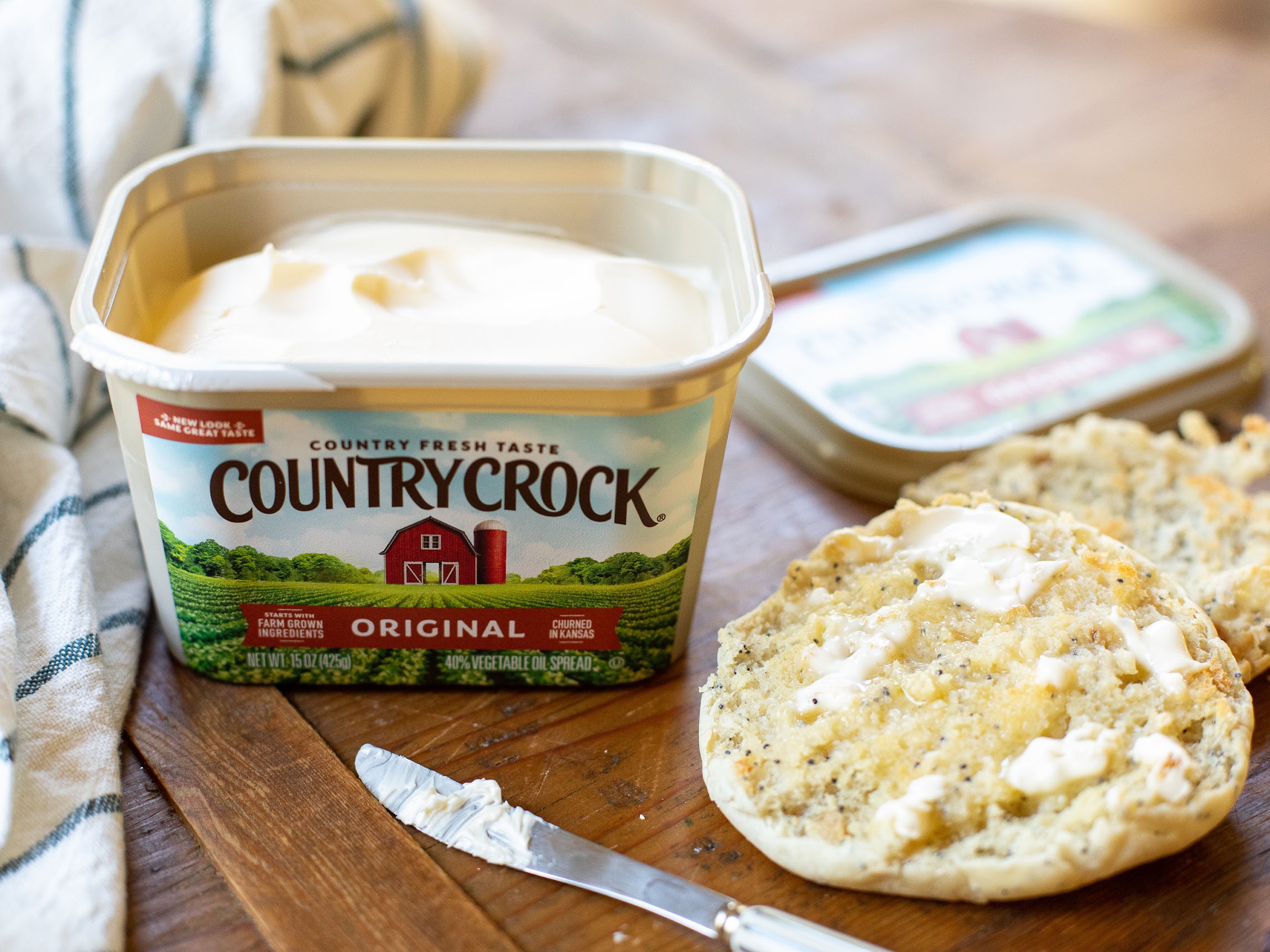
The classic Original Country Crock spread is formulated with salt. A standard serving contains a notable amount of sodium, which contributes to its savory, familiar flavor profile. For everyday cooking, spreading on toast, or topping vegetables, this salted formulation behaves much like salted margarine or salted butter substitutes.
Light and Low-Sodium Variations
For households monitoring their daily sodium intake, Country Crock produces alternative lines. The light versions generally contain lower calories and fat, and their sodium content is adjusted accordingly. Furthermore, specific low-sodium or unsalted variants are occasionally distributed in certain regions or retail markets, though availability fluctuates. It is vital to check the nutrition facts panel for the exact milligrams of sodium per serving to ensure it aligns with dietary goals.
Country Crock Plant Butter Sticks
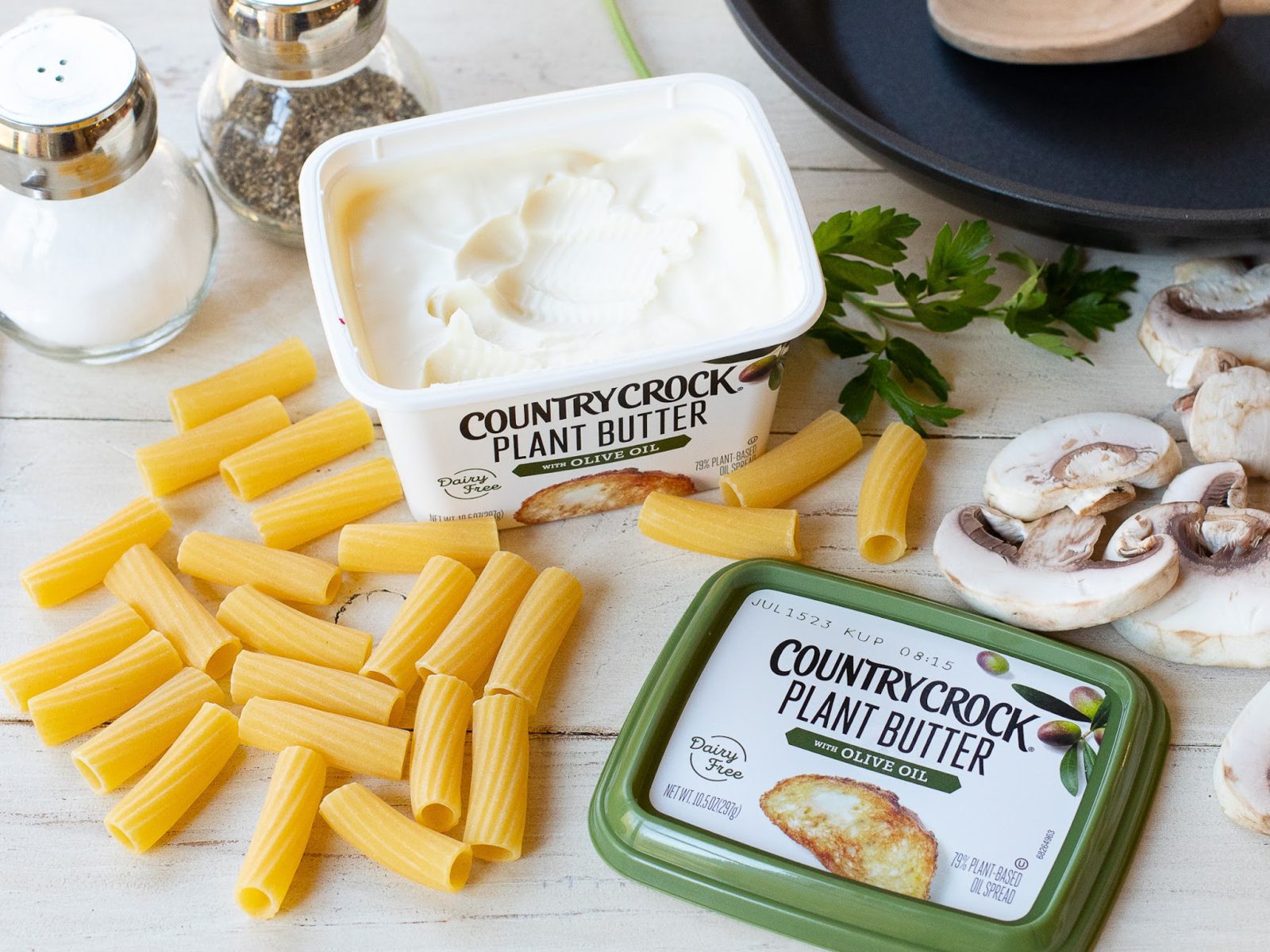
In response to consumer demand for baking-friendly alternatives that mimic real dairy butter, Country Crock introduced its Plant Butter line, available in both olive oil and avocado oil variations. Within this specific product tier, the brand explicitly divides its offerings into distinct categories:
- With Salt (Salted): Designed for general cooking, topping, and spreading where savory flavor is desired.
- Unsalted: Specifically formulated for baking and cooking where the cook needs total control over the total sodium volume in the recipe.
Nutritional Comparison of Country Crock Varieties
To assist in quick verification and decision-making, the following table outlines the general characteristics of major Country Crock formulations regarding their sodium profiles and primary use cases.
| Product Line | Salt Status | Typical Sodium per Serving | Primary Culinary Use |
|---|---|---|---|
| Country Crock Original | Salted | Varies by formulation (moderate) | Everyday spreading, general cooking, saucing |
| Country Crock Light | Salted (Reduced) | Lower than original | Calorie-conscious spreading, light cooking |
| Country Crock Plant Butter (Salted Sticks) | Salted | Standard baking/cooking level | Toast, pan-searing, savory dishes |
| Country Crock Plant Butter (Unsalted Sticks) | Unsalted | Trace/Zero added sodium | Precise baking, pastries, custom seasoning control |
Culinary Implications: Using Country Crock in Cooking and Baking
When replacing dairy butter with Country Crock in recipes, understanding the salt content is only half the battle; chemical behavior also plays a vital role. Because Country Crock contains higher water and oil content than block dairy butter, substituting it directly in delicate baked goods like cookies, pastries, and laminated doughs can alter texture and spread.
When using salted Country Crock varieties in cooking, chefs and home cooks must adjust the amount of added table salt in the recipe. Failure to account for the pre-existing sodium in the spread can lead to overly salty gravies, sauces, or pan-fried dishes. Conversely, using salted spreads in sweet baked goods can subtly alter the flavor balance, which is why culinary professionals strongly recommend utilizing explicitly unsalted spreads or plant-butters when precise flavor calibration is required.
Frequently Asked Questions
Is Country Crock considered real butter?
No. Country Crock is a vegetable oil spread, not real butter. Real butter is made exclusively from the fat and protein of milk or cream, whereas Country Crock is made from a blend of plant-based oils, water, and various emulsifiers and additives.
Does Country Crock make an unsalted version?
Yes, certain product lines—notably the Country Crock Plant Butter sticks—are available in explicit unsalted variations. However, the flagship Original tub spread is salted. Always check the front and back labels of the specific package to confirm whether it contains added salt.
How much sodium is in Country Crock Original?
Sodium levels vary slightly by specific regional formulation and product updates, but standard servings of the original spread contain a moderate amount of sodium to enhance flavor. Check the nutrition facts panel on the specific tub for exact milligram measurements per serving.
Can I use salted Country Crock for baking?
You can use salted Country Crock in many general baking applications, but it may introduce excess salt and alter the texture of delicate baked goods due to its oil-and-water emulsion structure. For best results in sensitive recipes like cakes and cookies, use an explicitly unsalted spread or plant butter.
Conclusion and Practical Recommendation
Country Crock is primarily a salted vegetable oil spread, though its product ecosystem includes specialized variations like light spreads and dedicated unsalted plant-butter sticks. Before beginning a recipe or adjusting your diet for sodium control, inspect the nutrition facts label on your specific package. If your culinary project requires strict control over sodium—such as baking delicate pastries or managing a low-sodium diet—opt specifically for Country Crock Plant Butter Unsalted sticks to ensure predictable results.
Image Gallery