The McLovin Sex Scene in Superbad: Context, Legacy, and Production Details
The McLovin sex scene in Superbad serves as the comedic climax for the character Fogell (played by Christopher Mintz-Plasse). After a night of chaotic misadventures with Officers Slater and Michaels, Fogell successfully uses his "McLov...
The McLovin sex scene in Superbad serves as the comedic climax for the character Fogell (played by Christopher Mintz-Plasse). After a night of chaotic misadventures with Officers Slater and Michaels, Fogell successfully uses his "McLovin" fake ID to enter a house party and eventually retreats to a bedroom with Nicola (Aviva Baumann), fulfilling his objective.
Contents
The scene is a pivotal moment in the 2007 cult classic, representing the unlikely triumph of the film's most eccentric character. While the protagonists Seth and Evan struggle with the emotional and physical complexities of their own high school experiences, Fogell—under the guise of a 25-year-old Hawaiian organ donor—manages to stumble into a successful romantic encounter. As we look back from the perspective of 2026, the scene remains a masterclass in awkward comedic timing and a quintessential example of the "Apatow-era" humor that defined a decade of cinema.
The Narrative Arc Leading to the Party
To understand the weight of the McLovin sex scene, one must first analyze the frantic narrative structure that leads up to it. The entire film is a "quest" narrative, where the three main characters are driven by the singular goal of providing alcohol for a party to impress their respective crushes. Fogell’s role in this plan was to procure the alcohol using a forged driver's license.
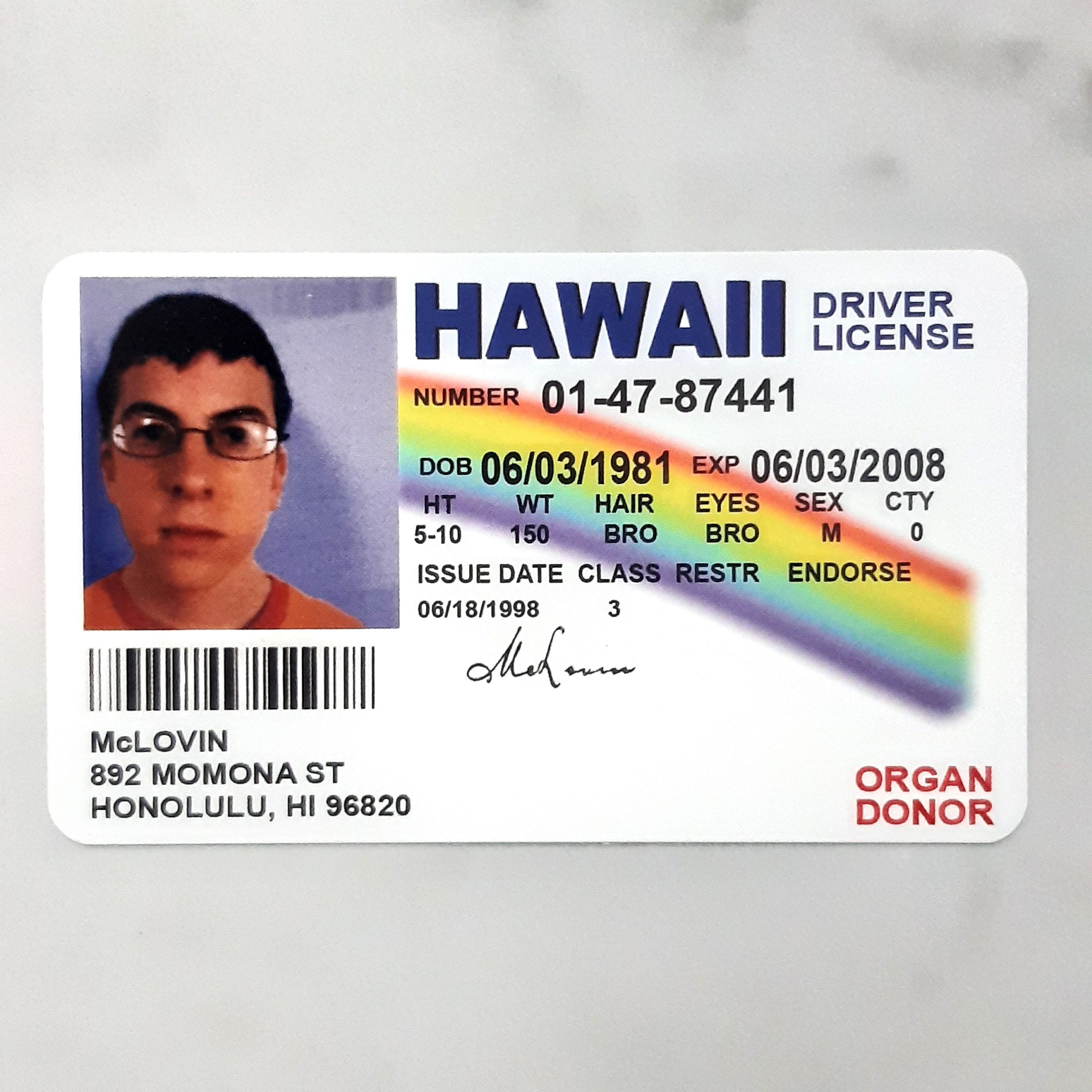
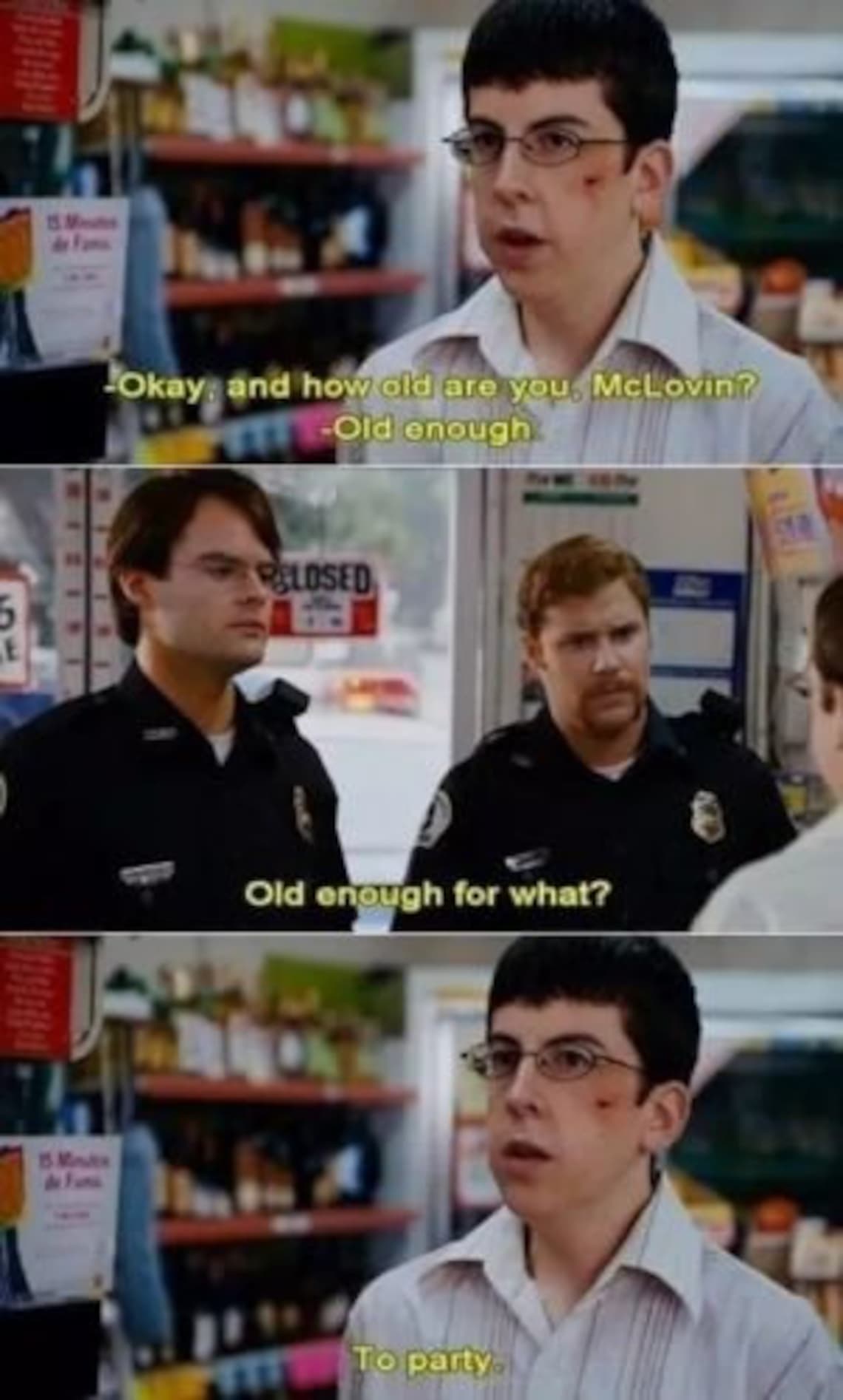
The choice of the name "McLovin" became a cultural phenomenon. The absurdity of a one-name ID, paired with the birthdate of June 3, 1981, set the stage for Fogell's separation from Seth and Evan. When a robbery at the liquor store brings the police into the mix, Fogell is taken under the wing of Officers Slater (Bill Hader) and Michaels (Seth Rogen). This "ride-along" serves as a bizarre rite of passage, where the authorities—who should be preventing underage drinking—actually facilitate Fogell’s journey to the party and bolster his confidence.
By the time Fogell arrives at the party, he is no longer just the "nerdy friend." He is an individual who has survived a robbery, bond-fired with the police, and successfully navigated high-stakes situations. This newfound (albeit unearned) confidence is what allows him to approach Nicola and ultimately leads to the bedroom scene.
A Detailed Breakdown of the Scene
The scene itself is characterized by its intentional awkwardness and the stark contrast between Fogell’s internal panic and his external attempt at bravado. Nicola, played by Aviva Baumann (then credited as Aviva Farber), acts as the "straight man" to Fogell’s bumbling advances.
The Dialogue and the "Mighty Duck" Reference
One of the most famous aspects of the scene is the dialogue. As things progress, Fogell attempts to maintain his "McLovin" persona while being clearly overwhelmed by the reality of the situation. The most iconic line from the encounter involves Fogell comparing a physical sensation to a "Mighty Duck," a nonsensical and hilariously juvenile reference that reminds the audience that, despite his fake ID and police escort, he is still just a teenage boy with no real-world experience.
Visual and Comedic Framing
Director Greg Mottola opted for a style that emphasized the cramped, unglamorous nature of a high school house party. The lighting is harsh, the environment is messy, and the choreography of the scene is designed to be clumsy rather than cinematic or erotic. This realism is what makes the comedy land; it subverts the typical Hollywood "first time" tropes by showing it as a series of fumbles and misunderstandings.
Production Realities: Mintz-Plasse as a Minor
A significant piece of trivia often discussed by fans and film historians involves the age of the actors during production. While Jonah Hill and Michael Cera were young adults, Christopher Mintz-Plasse was only 17 years old when he was cast as Fogell.
Because he was a minor, his mother was legally required to be on set during the filming of the "sex scene." This added an extra layer of real-life awkwardness to the production, which Mintz-Plasse has noted in various interviews over the last two decades. The production team had to follow strict California labor laws and SAG-AFTRA guidelines regarding the depiction of minors in suggestive scenes, ensuring that the filming was handled professionally and that the "nudity" was strictly simulated and within legal boundaries.
Casting the Role of Fogell
The casting of Mintz-Plasse was a stroke of luck for the production. He was a high school student with no professional acting credits when he attended the open casting call. His chemistry with Hill and Cera was immediate—largely because he reportedly annoyed Jonah Hill during the audition, which the producers felt perfectly mirrored the dynamic between the characters in the script. This raw, non-professional energy translated perfectly to the screen, especially in the climactic party scenes.
Comparing Character Outcomes
The McLovin sex scene serves as a narrative foil to the experiences of Seth and Evan. Superbad is essentially a story about the fear of separation and the end of childhood. The contrast in how the three boys' nights end is central to the film’s theme.
| Character | Mission | Outcome | Reality Check |
|---|---|---|---|
| Seth (Jonah Hill) | Impress Jules with alcohol | Fails to perform; ends up in an emotional conversation | Realizes his friendship with Evan is more important than "scoring." |
| Evan (Michael Cera) | Get close to Becca | Rejects Becca’s advances because she is too drunk | Demonstrates moral integrity and genuine care for his crush. |
| Fogell (McLovin) | Use the ID and survive | Successfully hooks up with Nicola | Experiences a "fluke" victory that solidifies his legendary status. |
While Seth and Evan's stories end in bittersweet emotional growth, Fogell’s story ends in a comedic triumph. He is the "wild card" who bypasses the emotional labor of the other two characters by simply leaning into the absurdity of his situation.
Thematic Significance: The Nerd's Triumph
In the landscape of 2000s teen comedies, the "nerd" character usually had to undergo a radical transformation to succeed. McLovin, however, doesn't really change. He remains socially awkward, he still uses a ridiculous name, and he still makes references to 90s children's movies in the heat of the moment.
The success of the scene lies in the fact that Fogell doesn't win because he becomes "cool"; he wins because the world around him is just as chaotic and nonsensical as he is. The officers validating him, the party-goers accepting his fake identity, and Nicola being genuinely amused by him all contribute to a world where "McLovin" can actually exist.
The Cultural Legacy as of 2026
Nearly twenty years after its release, Superbad remains a staple of the comedy genre. The "McLovin" ID is still one of the most recognizable props in film history, often recreated for merchandise and memes. The sex scene itself is frequently cited in retrospectives on how teen movies transitioned from the "gross-out" humor of the 90s (like American Pie) to the more character-driven, "honest" awkwardness of the late 2000s.
Christopher Mintz-Plasse’s career was launched by this single sequence. Although he has had a diverse career in voice acting and indie films, he is eternally linked to the Hawaiian organ donor. The scene is a reminder of a specific era in filmmaking where R-rated comedies were the kings of the box office and original, character-centric scripts could become global phenomena.
FAQs About the McLovin Scene
Was Christopher Mintz-Plasse really 17 during the scene?
Yes, Christopher Mintz-Plasse was 17 years old during the filming of Superbad. Because he was a minor, his mother had to be present on set during the filming of the bedroom scene with Aviva Baumann. This is a well-documented fact that has become part of the film's legendary behind-the-scenes lore.
What is the "Mighty Duck" line actually about?
In the scene, Fogell says, "It's like a Mighty Duck, man!" This is a reference to the 1992 Disney film The Mighty Ducks. There is no logical reason for the character to say this in a romantic context, which is exactly why it is funny. It highlights Fogell's immaturity and his inability to stay "in character" as the 25-year-old McLovin.
Is the McLovin fake ID real?
While the ID used in the movie was a prop, the details on it—the name McLovin, the state of Hawaii, and the birthdate of June 3, 1981—are all specific to the script written by Seth Rogen and Evan Goldberg. In the years since the film's release, many people have attempted to use similar "McLovin" IDs as a joke, though law enforcement is now very familiar with the reference.
Who played the girl in the scene with McLovin?
The character Nicola was played by Aviva Baumann (credited as Aviva Farber). Her performance was crucial to the scene's success, as she played the role with a mix of genuine interest and amused tolerance, providing the necessary anchor for Fogell's erratic behavior.
Why did Seth and Evan not have the same success?
The film’s narrative arc suggests that Seth and Evan were too caught up in their own anxieties and their fear of losing their friendship. Fogell, having been separated from them early in the night, was forced to "sink or swim" on his own. His success is portrayed as a comedic anomaly—a "perfect storm" of luck, police intervention, and low expectations.
Final Practical Recommendation
For those looking to revisit this iconic moment in comedy history, the best way to appreciate the "McLovin" arc is to watch the Unrated Version of Superbad. This version includes extended dialogue and additional improvisations between Bill Hader and Seth Rogen that provide more context for Fogell's journey to the party. As of 2026, the film is widely available on 4K digital platforms and remains a definitive text for anyone studying the evolution of the modern American comedy.
Image Gallery