Species in Alaska: A Comprehensive Guide to Arctic and Subarctic Biodiversity
Alaska is home to over 1,100 vertebrate species, ranging from the iconic grizzly bear and massive moose to diverse marine life like humpback whales and five species of Pacific salmon. This biodiversity is supported by over 586,000 squa...
Alaska is home to over 1,100 vertebrate species, ranging from the iconic grizzly bear and massive moose to diverse marine life like humpback whales and five species of Pacific salmon. This biodiversity is supported by over 586,000 square miles of varied ecosystems, including tundra, boreal forests (taiga), and temperate rainforests, much of which remains protected under federal and state management as of 2026.
Contents
The Ecological Landscape of Alaska in 2026
To understand the species in Alaska, one must first recognize the sheer scale of their habitats. Alaska contains roughly 65% of the total national park acreage in the United States. These lands provide a contiguous wilderness that allows for large-scale migrations and predator-prey dynamics that have vanished in the contiguous United States.
The state is divided into several distinct bioregions:
- The Southeast Panhandle: A temperate rainforest dominated by Sitka spruce and Western hemlock.
- The Interior: A region of extreme temperature swings, characterized by permafrost and boreal forests.
- The Arctic Slope: A vast, treeless tundra that serves as a critical breeding ground for migratory birds and caribou.
- The Marine Ecosystems: Including the Gulf of Alaska, the Bering Sea, and the Arctic Ocean, which host some of the world's most productive fisheries.
Terrestrial Mammals: The "Big Five" and Beyond
Alaska’s land mammals are perhaps its most famous residents. The "Big Five"—Grizzly Bears, Moose, Caribou, Dall Sheep, and Wolves—represent the pinnacle of subarctic megafauna.
Bear Species (Ursidae)
Alaska is the only state where three species of North American bears coexist:
- Brown/Grizzly Bears (Ursus arctos): While "grizzly" typically refers to interior bears and "brown bear" to coastal inhabitants, they are the same species. Coastal brown bears, particularly on Kodiak Island and the Katmai coast, can weigh over 1,000 pounds due to a protein-rich salmon diet.
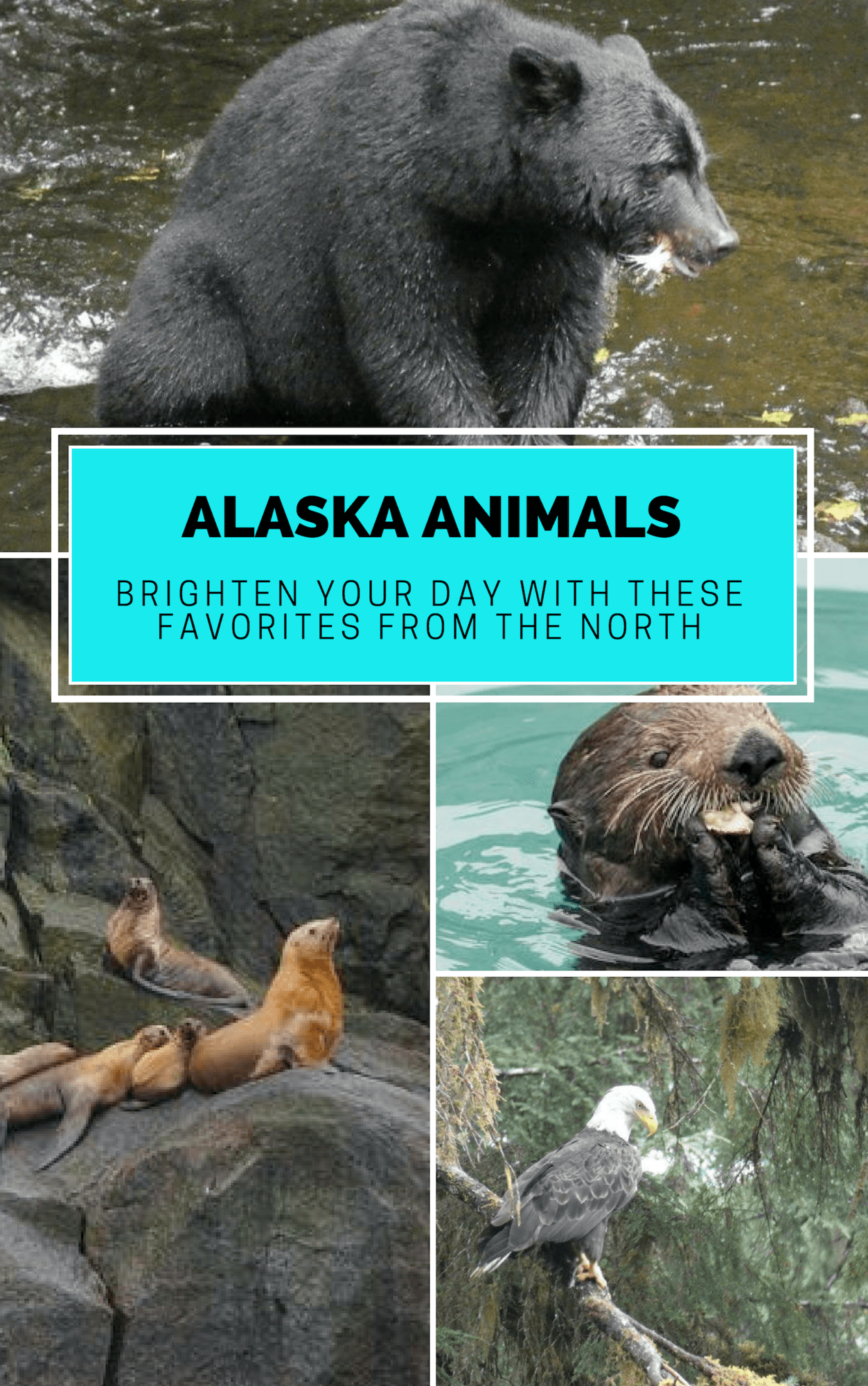
- Black Bears (Ursus americanus): The most widely distributed bear in Alaska, found from the rainforests of the Southeast to the Interior. A rare color morph, the "Glacier Bear" (bluish-gray), is occasionally sighted near Yakutat.
- Polar Bears (Ursus maritimus): Classified as marine mammals because they spend much of their lives on sea ice. As of 2026, conservation efforts focus heavily on the Chukchi and Beaufort Sea populations, which face habitat loss due to diminishing summer ice.
The Ungulates
Alaska’s hooved mammals are essential to both the ecosystem and the subsistence lifestyles of many Alaskans.
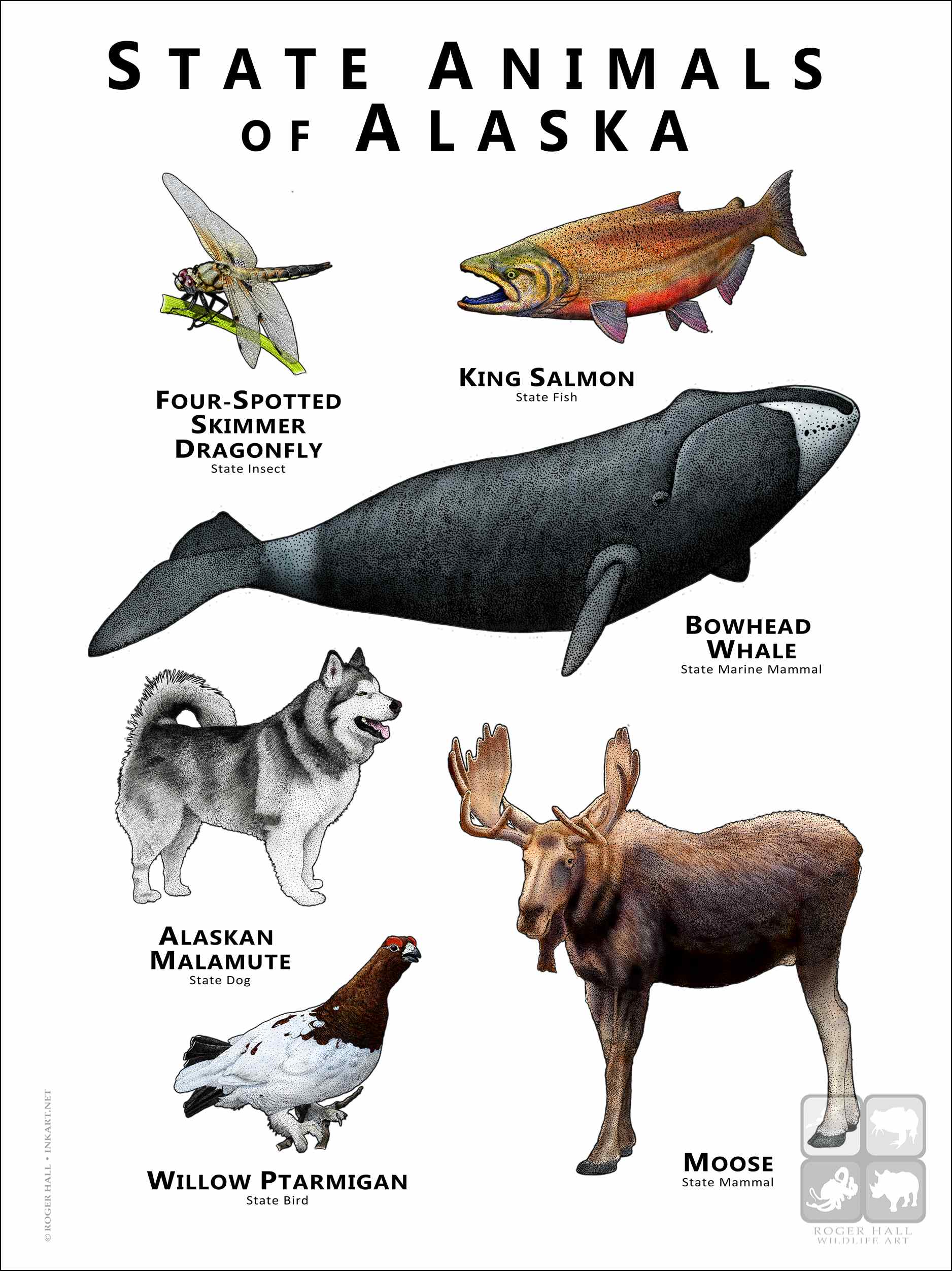
- Moose (Alces alces gigas): The Alaska-Yukon moose is the largest subspecies in the world. Bulls can stand seven feet tall at the shoulder and possess antlers spanning over six feet. They are commonly found in willow-rich wetlands and even frequently roam urban areas like Anchorage.
- Caribou (Rangifer tarandus): Alaska has approximately 30 recognized herds. The Western Arctic Herd and the Porcupine Herd are known for some of the longest land migrations of any mammal on Earth, traveling thousands of miles between calving grounds and wintering areas.
- Muskox (Ovibos moschatus): A prehistoric survivor from the Pleistocene era, muskoxen are noted for their long, thick wool (qiviut) and curved horns. They were reintroduced to Alaska in the 1930s after being hunted to extinction in the state during the 19th century.
Marine Life: Giants of the North Pacific
The waters surrounding Alaska are among the most nutrient-rich in the world, supporting a complex food web from phytoplankton to apex predators.
Cetaceans (Whales and Dolphins)
Whale watching remains a primary driver of eco-tourism in 2026. Major species include:
- Humpback Whales: Famous for their bubble-net feeding behavior, these whales migrate from Hawaii to Alaska each summer to gorge on herring and krill.
- Orcas (Killer Whales): Both "resident" (fish-eating) and "transient" (mammal-eating) pods patrol the Alaskan coastline. Recent genetic studies continue to clarify the distinct evolutionary paths of these groups.
- Bowhead Whales: Unique to the Arctic, these whales can live for over 200 years and possess massive skulls capable of breaking through sea ice.
Pinnipeds and Mustelids
- Pacific Walrus: Found primarily in the Bering and Chukchi Seas, walruses use sea ice as platforms for resting and giving birth.
- Sea Otters: Once hunted nearly to extinction for their fur, sea otters have made a significant recovery in the Aleutian Islands and Southeast Alaska. They are considered a keystone species for their role in maintaining kelp forest health by preying on sea urchins.
Avian Species: A Hub for Global Migration
Alaska serves as a literal "crossroads" for migratory birds. During the summer months, species from all seven continents converge on the state to breed.
- Bald Eagles: Alaska has the largest population of Bald Eagles in the United States. The Chilkat Bald Eagle Preserve near Haines hosts thousands of birds in the late fall, drawn by a late salmon run.
- Arctic Tern: This bird holds the record for the longest migration of any animal, traveling from the Arctic to the Antarctic and back annually—a round trip of nearly 44,000 miles.
- Puffins: Both Tufted and Horned Puffins nest on the rocky cliffs of coastal Alaska. Their vibrant beaks and burrow-nesting habits make them a favorite for researchers and birdwatchers alike.
Fish: The Lifeblood of the Ecosystem
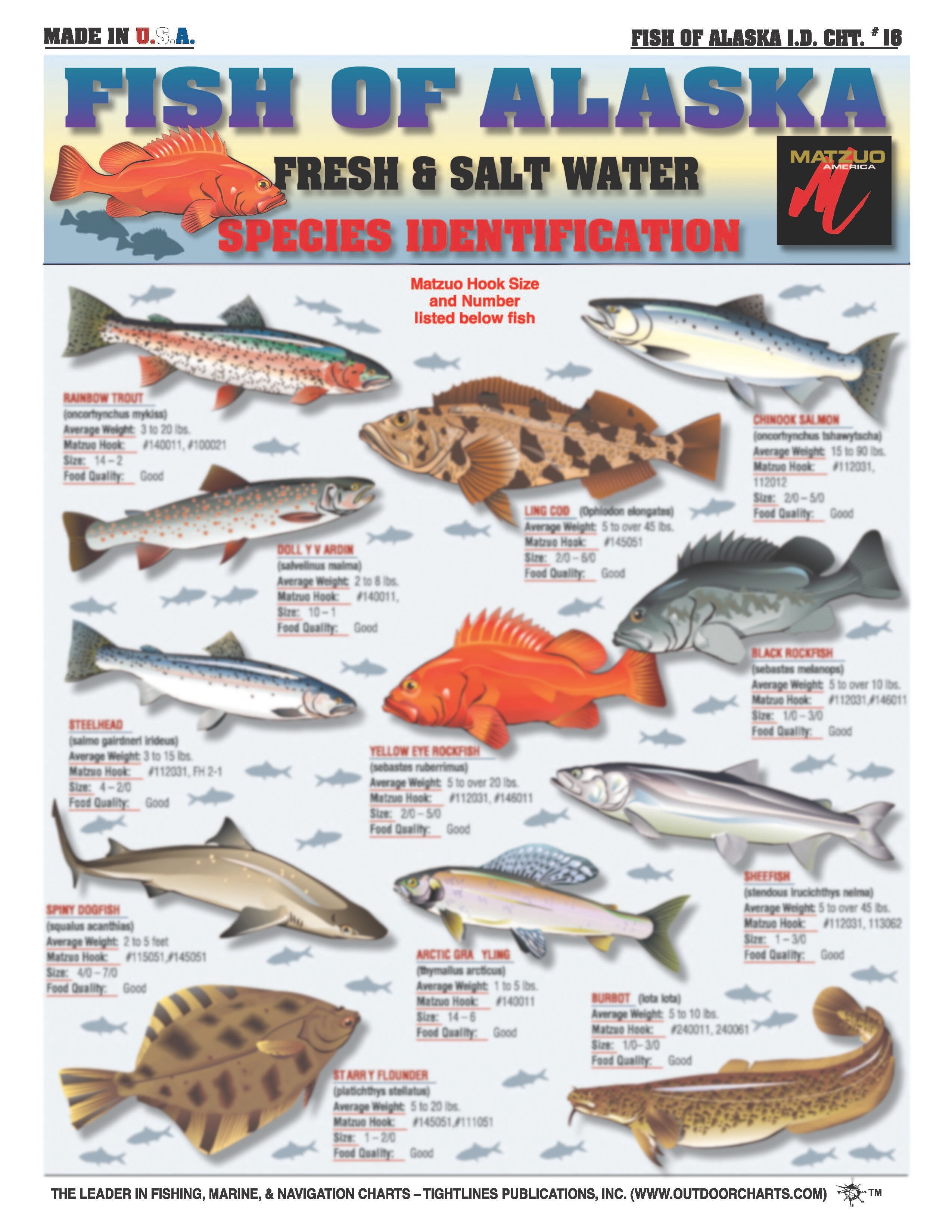
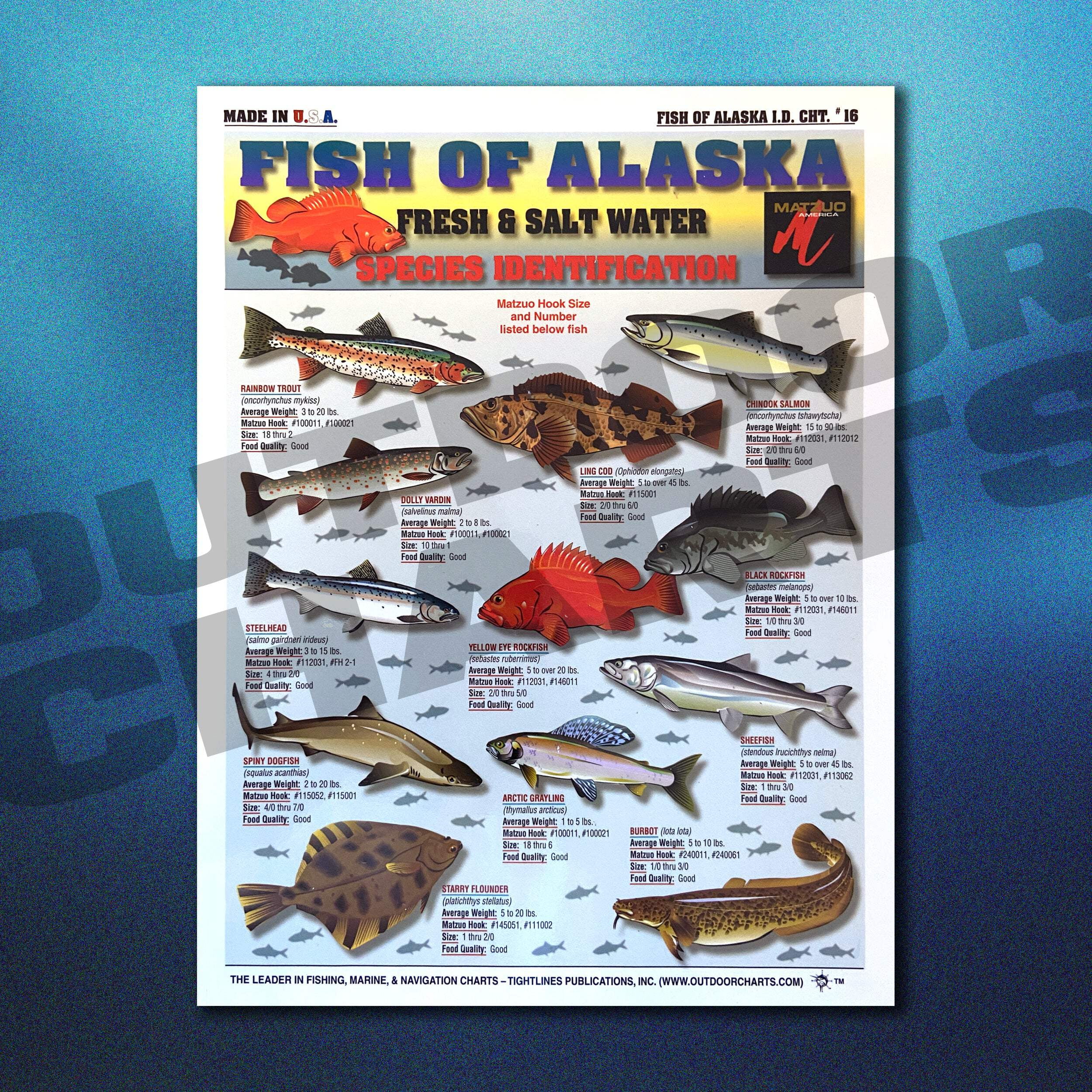
It is impossible to discuss Alaskan species without mentioning salmon. These fish are "anadromous," meaning they hatch in freshwater, migrate to the ocean to mature, and return to their natal streams to spawn and die.
The Five Pacific Salmon Species
- King (Chinook): The largest and most prized for sport.
- Sockeye (Red): Known for their brilliant red color during spawning and their importance to the Bristol Bay commercial fishery.
- Coho (Silver): Famed for their fighting ability among anglers.
- Pink (Humpback): The most numerous species, characterized by a prominent hump on the backs of spawning males.
- Chum (Dog): Historically used as a staple for sled dog teams; they have distinct purple/green vertical stripes when spawning.
The decay of salmon carcasses after spawning provides essential marine-derived nitrogen to Alaskan forests, fueling the growth of massive trees and providing nutrients for bears, eagles, and even insects.
Comparison of Key Alaskan Land Mammals
| Species | Habitat | Primary Diet | Conservation Status (2026) | Distinguishing Feature |
|---|---|---|---|---|
| Grizzly Bear | Tundra, Forests, Coast | Salmon, Berries, Roots | Stable / Managed | Distinct shoulder hump of muscle |
| Alaska Moose | Wetlands, Boreal Forest | Willow, Birch, Aspen | Stable | Massive palmated antlers (males) |
| Caribou | Arctic Tundra | Lichens, Grasses | Vulnerable (Certain Herds) | Both sexes grow antlers |
| Muskox | Arctic Coastal Plain | Sedges, Grasses | Stable / Recovering | Long, shaggy "qiviut" wool |
| Polar Bear | Sea Ice, Arctic Coast | Seals (Ringed/Bearded) | Threatened | White/creamy translucent fur |
Conservation and Management Challenges
In 2026, the management of Alaskan species is a delicate balance between industrial development (such as mining and oil extraction) and ecological preservation. The Alaska Department of Fish and Game (ADFG) utilizes a "sustained yield" principle, ensuring that hunting and fishing do not deplete populations below self-sustaining levels.
Climate change remains the most significant variable. Rapidly warming temperatures in the Arctic are altering migration patterns, shifting the "green-up" times of essential forage plants, and reducing the sea ice necessary for ice-dependent species like the ringed seal and polar bear.
Frequently Asked Questions
What is the most dangerous animal in Alaska?
Statistically, the moose causes more injuries to humans in Alaska than bears. Because they are common in urban areas and can be highly defensive—especially mothers with calves or bulls during the fall rut—encounters are frequent. However, in terms of predatory danger, the grizzly bear remains the primary concern for wilderness travelers.
Are there snakes or venomous reptiles in Alaska?
No. Alaska is free of snakes, lizards, and other reptiles, with the exception of the occasional sea turtle sighting in southern waters. The harsh winters and permafrost make it impossible for ectothermic (cold-blooded) land reptiles to survive.
When is the best time to see wildlife in Alaska?
For terrestrial mammals and birds, June through August is peak viewing season. Salmon runs usually begin in late June and peak in July or August, which in turn draws bears to the rivers. Whale watching is best from May to September.
What is the state bird of Alaska?
The state bird is the Willow Ptarmigan (Lagopus lagopus). It is unique for its seasonal camouflage: changing from brown in the summer to pure white in the winter to blend in with the snow.
Are there any endemic species found only in Alaska?
Yes. Several subspecies are endemic, such as the Kodiak Bear and the Alexander Archipelago Wolf. Additionally, the Aleutian Shield Fern is an example of an endangered plant species found only on a few islands in the Aleutian chain.
Practical Recommendations for Wildlife Enthusiasts
If you are planning to observe or study species in Alaska in 2026, prioritize safety and ethics. Always maintain a minimum distance of 100 yards from bears and at least 25 yards from other wildlife. Use binoculars or long-lens photography rather than approaching animals. For those heading into the backcountry, carrying EPA-approved bear spray and knowing how to use it is a mandatory safety requirement.
To contribute to conservation, consider visiting during the "shoulder seasons" (May or September) to reduce the impact on popular habitats and always adhere to "Leave No Trace" principles to ensure Alaska's wilderness remains pristine for future generations.
Image Gallery