Understanding the US Unemployment Rate in Context: A Comprehensive Guide
The US unemployment rate is a headline economic indicator that measures the percentage of the labor force that is jobless and actively seeking work. While often viewed as a simple health check for the economy, its true meaning requires...
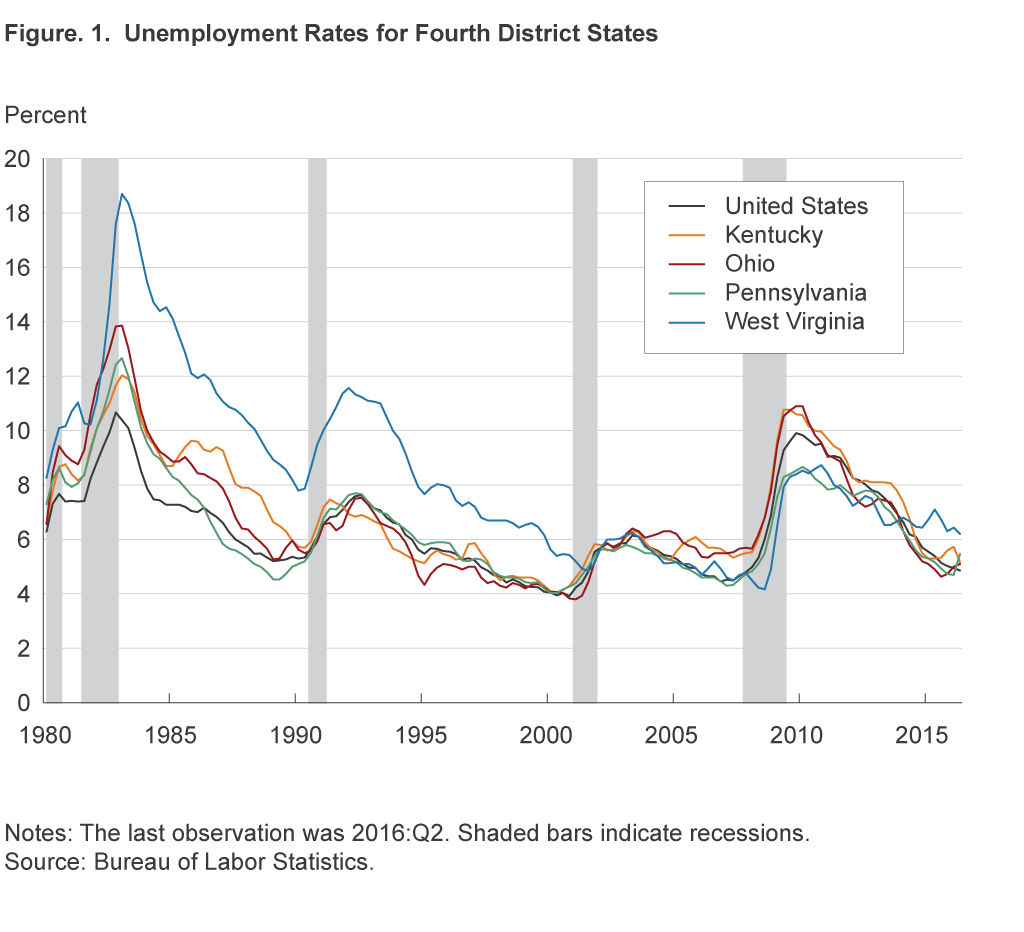
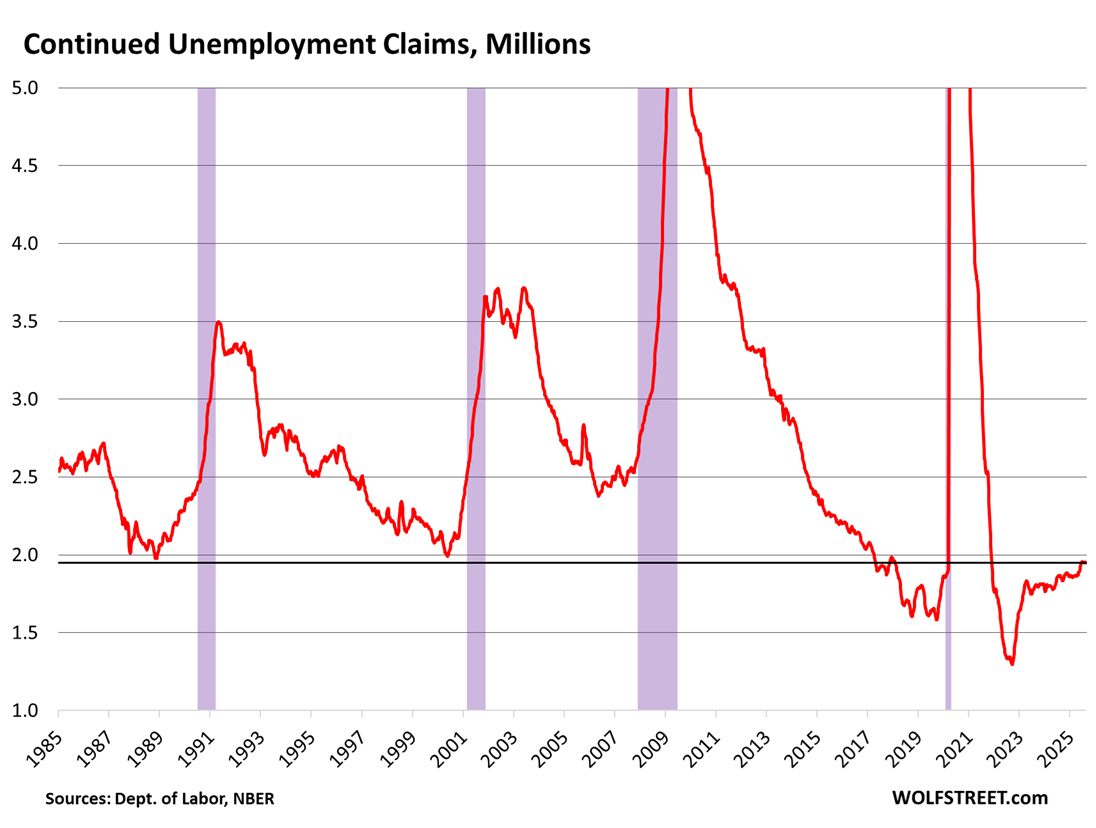
The US unemployment rate is a headline economic indicator that measures the percentage of the labor force that is jobless and actively seeking work. While often viewed as a simple health check for the economy, its true meaning requires evaluating the Labor Force Participation Rate, the reasons for joblessness, and the distinction between official U3 and broader U6 measures of labor underutilization.
Contents
The Mechanism of Measurement
The Bureau of Labor Statistics (BLS) calculates the unemployment rate through the Current Population Survey (CPS), a monthly household survey of approximately 60,000 eligible households. For an individual to be counted as "unemployed," they must meet three specific criteria: they must not have a job, they must have been available for work during the reference week, and they must have actively sought employment in the four weeks prior to the survey.
This definition is critical to understanding why the rate often fluctuates for reasons other than actual job loss. If an individual stops looking for work—due to discouragement, retirement, or a return to school—they are categorized as "not in the labor force." Consequently, they are removed from the denominator of the unemployment calculation. This can lead to a paradoxical situation where the unemployment rate remains stable or even declines during periods of economic contraction if a significant portion of the workforce exits the labor pool entirely.
U3 vs. U6: Defining Labor Underutilization
While the headline "unemployment rate" is known technically as the U3 rate, the BLS publishes six different measures of labor underutilization. Understanding the distinction between U3 and U6 is essential for interpreting the true depth of labor market health.
- U3 (The Official Unemployment Rate): The total unemployed as a percentage of the labor force.
- U6 (The Broadest Measure): Includes the unemployed, plus "marginally attached" workers (those who want to work but have stopped looking), and those employed part-time for economic reasons (people who would prefer full-time work but cannot find it).
The gap between U3 and U6 often widens during economic downturns, as workers become discouraged or are forced into part-time roles. When monitoring the economy, economists look to the U6 measure to see if the "official" rate is masking a larger population of workers who are underemployed or functionally outside the traditional workforce.
The Role of Labor Force Participation
The Labor Force Participation Rate (LFPR) represents the percentage of the working-age population that is either employed or actively seeking employment. This metric provides necessary context for the unemployment rate. A low unemployment rate coupled with a declining LFPR may signal structural issues, such as an aging population leaving the workforce or a mismatch between the skills of the labor pool and the requirements of current job openings.
Comparing Unemployment Metrics
The following table illustrates the components of the various BLS labor measures, providing a framework for how different segments of the population impact the reported statistics.
| Metric | Includes | Excludes |
|---|---|---|
| U3 (Official) | Unemployed, active job seekers | Discouraged workers, underemployed |
| U4 | U3 + Discouraged workers | Underemployed |
| U5 | U4 + All marginally attached | Underemployed |
| U6 (Broad) | U5 + Part-time for economic reasons | Full-time employed |
Cyclical vs. Structural Unemployment
Contextualizing the unemployment rate also requires understanding the nature of the joblessness being reported. Not all unemployment carries the same implications for long-term growth.
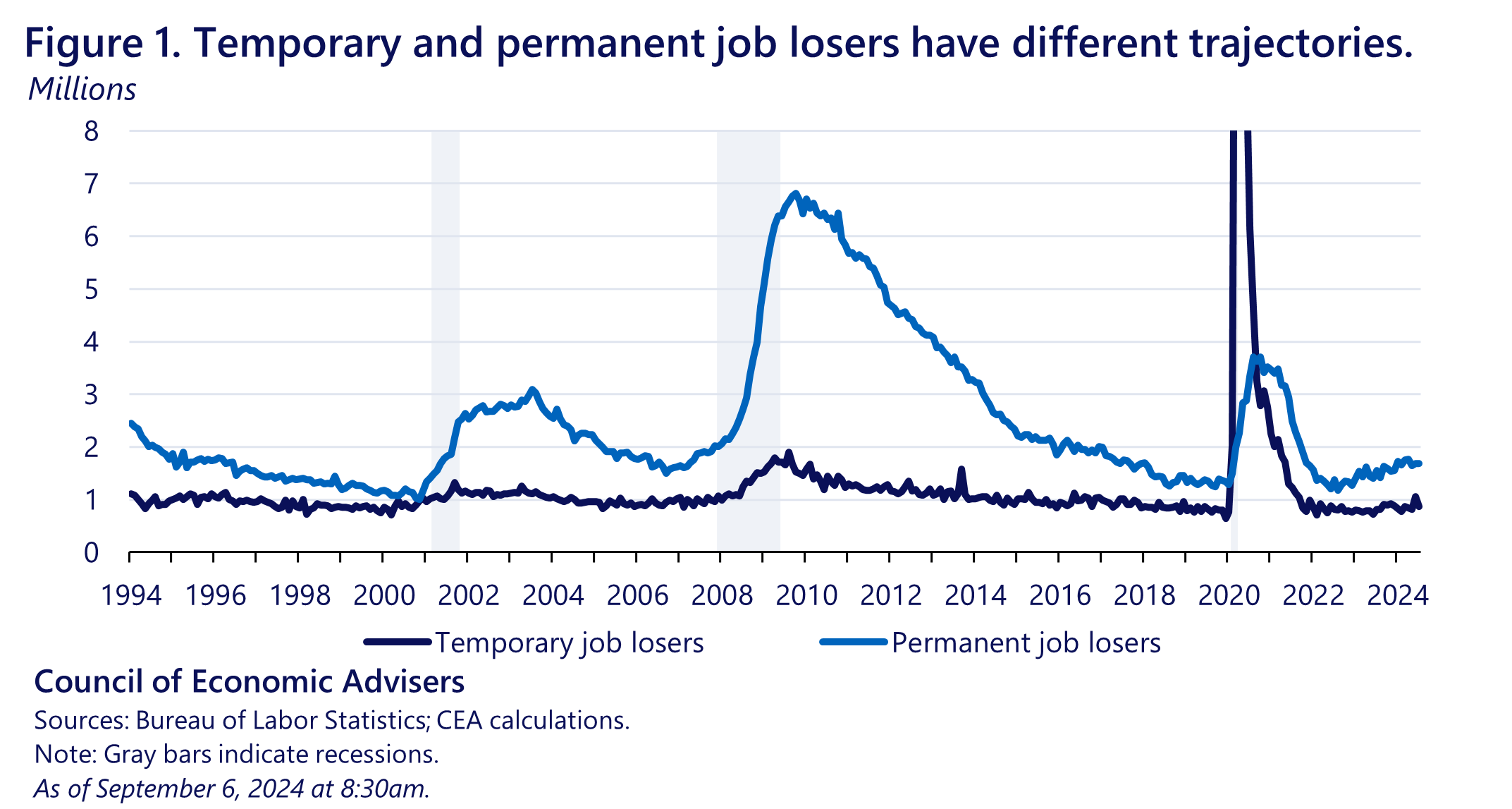
- Cyclical Unemployment: This results from fluctuations in the business cycle. When consumer demand drops, businesses lay off workers. This type of unemployment is generally considered temporary and often resolves as the economy recovers.
- Structural Unemployment: This occurs when there is a mismatch between the skills workers possess and the skills employers need, or when jobs move to different geographic regions. This is more persistent and requires policy interventions like job retraining or education initiatives.
- Frictional Unemployment: This represents the time period where workers are moving between jobs. It is considered a normal and even healthy part of a dynamic, evolving economy.
Limitations and Technical Nuances
It is a common misconception that the unemployment rate reflects the total number of people without work. Because the survey relies on self-reported data and strict definitions of "active" job searching, it can miss nuances in the gig economy and informal sectors.
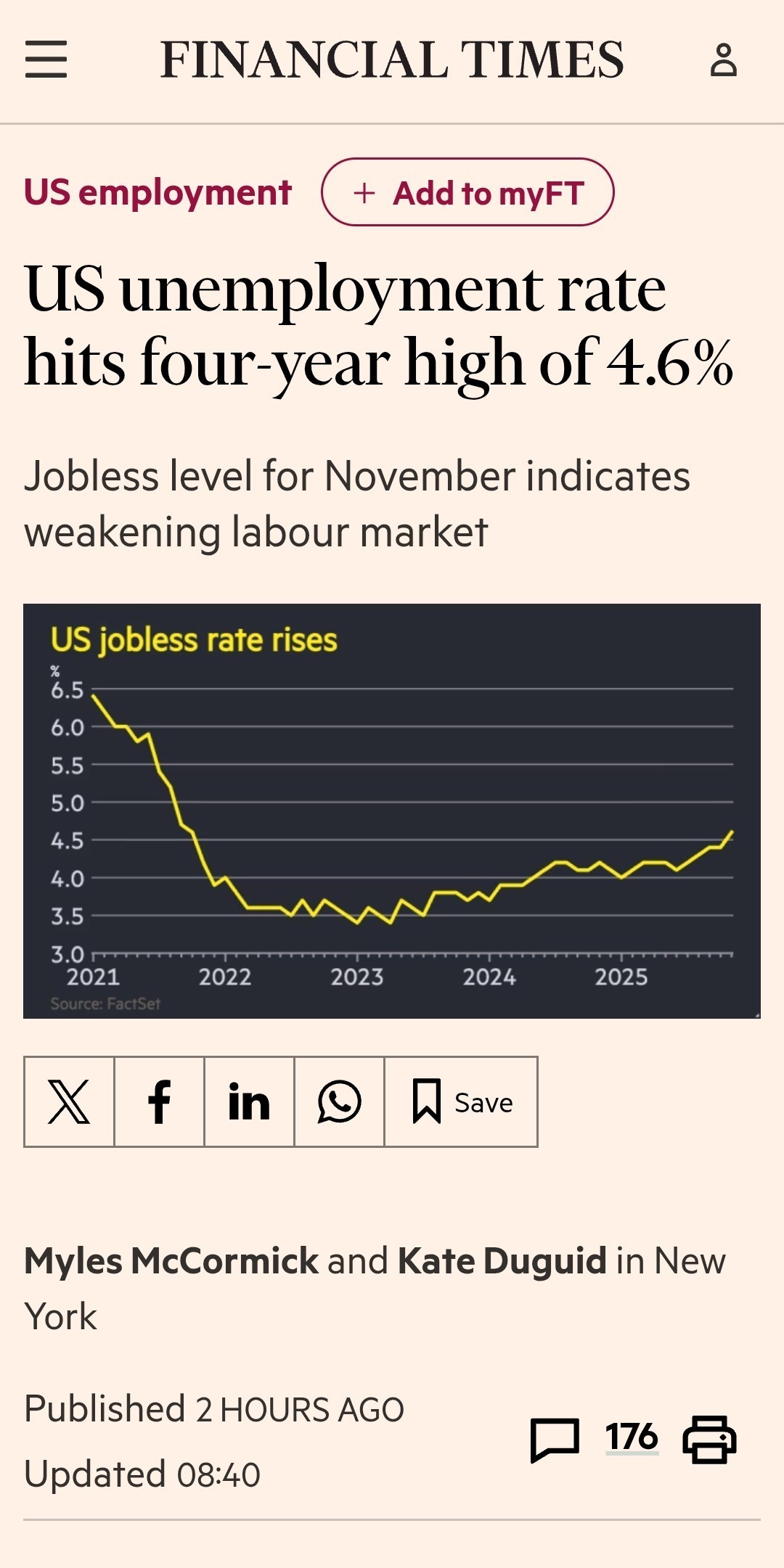
Furthermore, the unemployment rate is a lagging indicator. Businesses typically wait until economic trends are well-established before they begin large-scale hiring or firing. Therefore, the unemployment rate often continues to rise for a period even after an economic recession has technically ended. Relying on this metric alone to predict the future direction of the economy without considering leading indicators—such as consumer confidence indices, manufacturing output, or building permits—can lead to incomplete analysis.
Frequently Asked Questions
Why does the unemployment rate drop when people stop looking for work? The unemployment rate is a ratio of the number of unemployed individuals to the total labor force. If a person stops seeking work, they are no longer counted as part of the "labor force." Because the denominator decreases, the resulting percentage can drop even if no one was hired.
What is a "discouraged worker"? A discouraged worker is an individual who is not currently looking for work because they believe no jobs are available for them. While they are counted in the broader U6 measure, they are excluded from the official U3 unemployment rate.
How does the unemployment rate affect interest rates? The Federal Reserve monitors the unemployment rate as part of its dual mandate: to promote maximum employment and stable prices. If the unemployment rate is very low, the economy may overheat, leading to wage inflation. The Federal Reserve may raise interest rates in such scenarios to cool the economy.
Is the unemployment rate seasonally adjusted? Yes, the BLS seasonally adjusts the numbers to account for recurring events that occur at the same time each year, such as the holiday hiring spike or the influx of students into the workforce during the summer months.
What is the "Natural Rate of Unemployment"? This is the lowest level of unemployment the economy can maintain without triggering significant inflation. It represents the sum of structural and frictional unemployment. While estimates vary, economists often point to this as the "full employment" level of the economy.
Practical Next Actions
To properly utilize unemployment data for financial or strategic planning, observers should follow these steps:
- Review the BLS Employment Situation Summary: Do not rely solely on news headlines. Access the full report released by the Bureau of Labor Statistics on the first Friday of each month.
- Analyze the Payroll Data: Look at "Nonfarm Payrolls" alongside the unemployment rate. This provides a raw count of jobs added or lost, which is often a more accurate measure of economic momentum than the percentage-based unemployment rate.
- Check the U6 and LFPR: Before drawing conclusions, verify that the U6 rate and the Labor Force Participation Rate are trending in the same direction as the U3 rate.
- Consult Professional Counsel: For financial decisions involving business expansion, debt, or long-term investment, consult with a financial advisor who can interpret labor market data within the context of your specific industry and geographic region.
Disclaimer: This information is for educational purposes and does not constitute financial, legal, or investment advice. Economic data is subject to revision; always refer to original data from the Bureau of Labor Statistics.
Image Gallery