Redfish Home Inspections: A Modern Lens on Property Health
Redfish Home Inspections utilizes advanced diagnostic technologies, including thermal imaging and aerial drone surveillance, to provide a comprehensive assessment of a building's structural and operational integrity. By shifting from v...
Redfish Home Inspections utilizes advanced diagnostic technologies, including thermal imaging and aerial drone surveillance, to provide a comprehensive assessment of a building's structural and operational integrity. By shifting from visual observation to data-driven analysis, they offer homeowners a precise roadmap for long-term property health, safety, and investment protection.
Contents
Redefining Property Assessments in 2026
The landscape of real estate in 2026 demands more than a cursory glance at a building’s foundation and roofline. As construction materials evolve and smart home integrations become the standard, the methodology of assessing a property must keep pace. Redfish Home Inspections represents this evolution, moving away from the "flashlight and clipboard" era into a sophisticated, "modern lens" approach. This philosophy prioritizes the detection of invisible risks—such as subsurface moisture, thermal bridging, and electrical micro-arcing—that traditional inspections often overlook.
A modern property health assessment is no longer a "pass or fail" report. Instead, it is a diagnostic deep dive. For buyers, this means entering a contract with a full understanding of future capital expenditures. For sellers, it provides a verified health certificate that can streamline the closing process. By viewing a home as a complex, interconnected system rather than a series of isolated components, Redfish Home Inspections provides a level of clarity that is essential in a high-stakes 2026 housing market.
The Technological Stack: How the "Modern Lens" Works
The core of the Redfish approach lies in its integration of high-end diagnostic tools. These are not merely gadgets; they are precision instruments that provide empirical evidence of a home’s condition.
Thermal Imaging and Infrared Thermography
One of the most significant advancements in the modern lens approach is the standard use of Forward-Looking Infrared (FLIR) cameras. These devices allow inspectors to see temperature differentials that indicate hidden problems. For instance, a cool spot on a ceiling in mid-July might look like a simple shadow to the naked eye, but under an infrared lens, it reveals its true nature: an active moisture intrusion or a significant gap in the building’s thermal envelope.
Aerial Drone Inspections
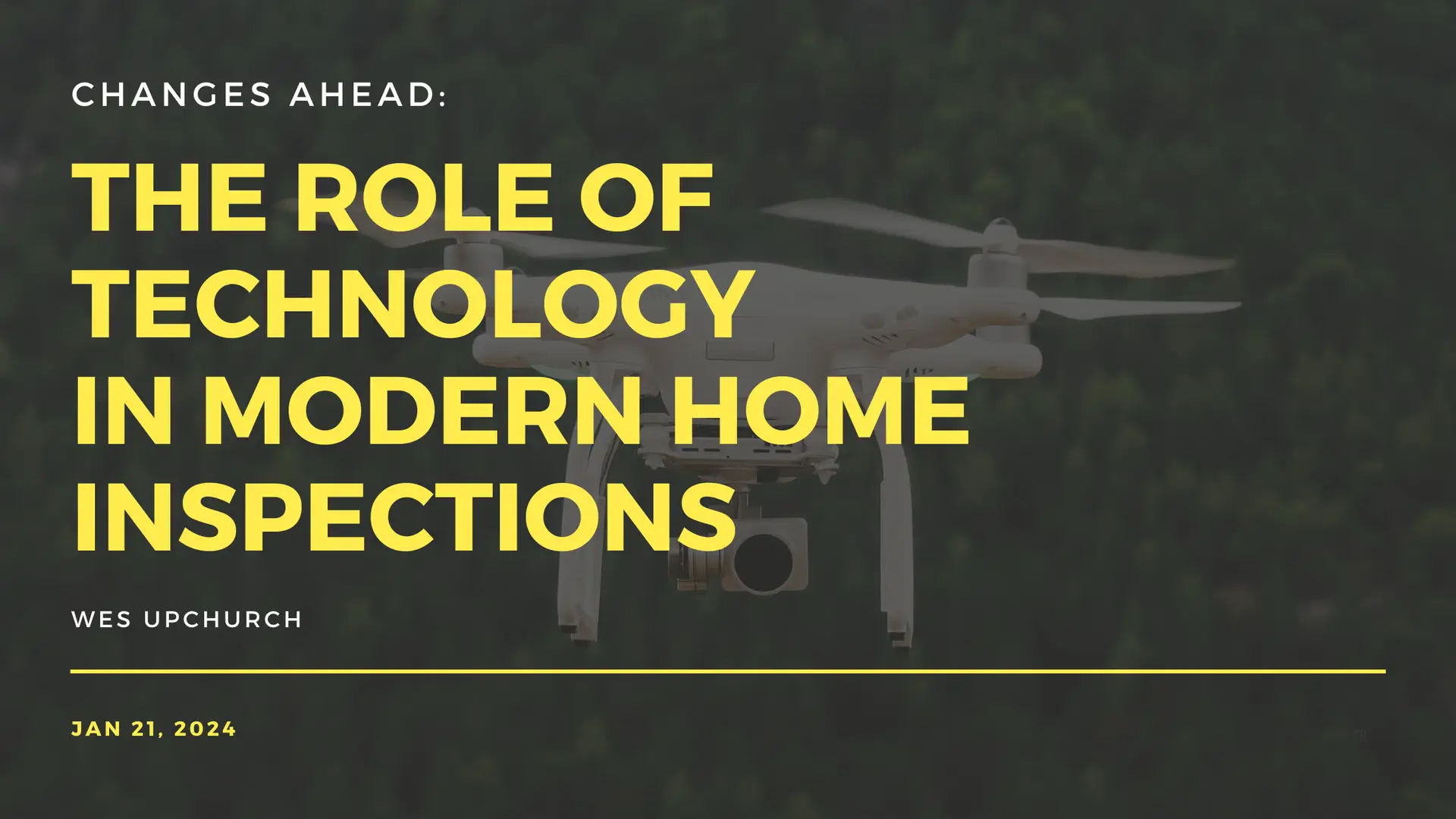
In 2026, safety and accessibility are paramount. High-resolution drones equipped with 4K cameras allow for the inspection of steep-sloped roofs, chimney caps, and multi-story flashing without the physical limitations or risks of ladders. This ensures that every shingle, tile, and vent is accounted for, providing a bird's-eye view of potential storm damage or wear that could lead to catastrophic leaks.
Digital Moisture Mapping
Beyond the surface, digital moisture meters are used to probe the moisture content of wood, drywall, and masonry. This is particularly crucial in coastal regions where high humidity and wind-driven rain are constant threats. By mapping moisture levels across a property, inspectors can identify "sick" areas of a building before mold growth becomes visible or structural rot sets in.
Comprehensive Service Tiers and Specialized Inspections
Redfish Home Inspections offers a suite of services designed to meet the specific regulatory and environmental needs of modern properties. While a "Full Home Inspection" is the flagship service, specialized reports are often required for insurance and safety compliance.
The 4-Point Inspection
Often mandated by insurance carriers for homes over a certain age, the 4-point inspection focuses on the four primary systems that carry the highest risk of failure:
- HVAC (Heating, Ventilation, and Air Conditioning): Ensuring the system is sized correctly and functioning efficiently.
- Electrical: Checking for outdated wiring (like aluminum or knob-and-tube) and ensuring the breaker panel is not a recalled brand.
- Plumbing: Verifying the type of piping used (e.g., avoiding polybutylene) and checking for active leaks.
- Roofing: Estimating the remaining useful life and identifying any signs of deterioration.
Wind Mitigation
In storm-prone areas, a wind mitigation report is the most effective way to lower insurance premiums. Redfish inspectors look for specific construction features that reduce losses during a hurricane or high-wind event. This includes roof-to-wall attachments (like hurricane clips or straps), the presence of a secondary water resistance barrier, and the impact rating of windows and doors.
Sewer Scope and Lateral Inspections
A "modern lens" also looks beneath the ground. Using fiber-optic cameras, inspectors can travel through the main sewer line to the municipal connection. This identifies root intrusions, pipe collapses, or "bellies" in the line that could lead to expensive sewage backups—issues that a standard visual inspection would never catch.
Comparing Traditional vs. Modern Inspection Methods
The transition from traditional to modern methods is best understood by looking at the specific outcomes for the homeowner.
| Feature | Traditional Inspection (Pre-2020) | Redfish "Modern Lens" (2026) | Practical Benefit |
|---|---|---|---|
| Roof Assessment | Ladder-based visual check | 4K Drone Photography & AI Analysis | Identifies micro-cracks and hidden flashing issues safely. |
| Moisture Detection | Touch and visual staining | Infrared Thermography & Protimeters | Finds leaks behind walls before mold or rot begins. |
| Electrical Safety | Testing outlets and panel check | Thermal scanning of breakers | Detects overheating circuits (fire hazards) before they trip. |
| Reporting | Paper or static PDF | Interactive Digital Dashboard with Video | Allows for easy sharing with contractors for repair quotes. |
| Energy Audit | Rarely included | Basic Thermal Envelope Mapping | Identifies heat loss areas to reduce utility bills. |
The Impact of Modern Inspections on Insurance and Valuation
In the current economic climate, the relationship between property health and insurance eligibility has tightened. Insurance companies in 2026 are increasingly data-averse, meaning they require detailed proof of a home’s resilience before issuing a policy. A Redfish inspection serves as a "Property Passport," providing the documented evidence of system upgrades and structural integrity that underwriters demand.
Furthermore, a property with a "clean" modern inspection report often commands a higher valuation. When a seller can provide a digital history of the home’s health, including thermal scans showing no hidden leaks and a drone report showing a pristine roof, it eliminates the "risk discount" that buyers often bake into their offers. It transforms the home from an unknown quantity into a verified asset.
Preparing for a Modern Property Inspection
To get the most out of a Redfish Home Inspection, homeowners and sellers should prepare the property to ensure the "modern lens" can see everything clearly.
- Ensure Full Access: The inspector needs to access the attic, the crawlspace, the electrical panel, and the HVAC system. Clear away storage bins, furniture, or debris that might block these areas.
- Utilities Must Be On: Many of the high-tech tools, such as infrared cameras and moisture sensors, require the home’s climate control and water systems to be fully operational to detect anomalies.
- Documentation Readiness: Have receipts for recent repairs, roof replacements, or HVAC servicing ready. This allows the inspector to verify the age and quality of the work against what they are seeing through their equipment.
- Pet Management: High-tech equipment can be sensitive. Ensure pets are secured so the inspector can move freely through the interior and exterior without interruption.
Common Findings in 2026 Residential Properties
Despite advancements in building codes, modern inspections frequently uncover specific recurring issues. Understanding these can help homeowners stay ahead of the curve.
- Improper Solar Installations: As solar adoption has peaked, many roofs show signs of "point-load" damage or improper flashing where panels were mounted, leading to localized leaks.
- EV Charger Overloads: Many older electrical panels were not designed for the continuous high-load draw of Level 2 electric vehicle chargers, leading to scorched wires that only thermal imaging can detect.
- Smart Home Interference: Poorly installed smart hubs and automated valves can sometimes cause water hammer or electrical interference if not grounded correctly.
- Synthetic Stucco (EIFS) Failures: In certain climates, modern synthetic finishes can trap moisture if the drainage plane is not perfectly executed, a problem easily identified with a moisture probe.
FAQs
What is the average cost of a Redfish Home Inspection in 2026?
Costs generally range between $450 and $900 for a standard residential property. The price varies based on the square footage, the age of the home, and whether specialized add-ons like sewer scopes, mold air-quality testing, or infrared energy audits are requested. While higher than a basic visual check, the "modern lens" approach typically identifies thousands of dollars in hidden repairs, providing a significant return on investment.
How long does the inspection process take?
For a typical 2,000-square-foot home, a comprehensive inspection takes between 2.5 and 4 hours. This duration is necessary because the inspector is not just looking at items but is also setting up equipment like drones and thermal cameras. The digital report is usually delivered within 24 hours, featuring high-definition photos and video clips of any areas of concern.
Can a modern inspection guarantee that no future repairs will be needed?
No inspection can predict the future or uncover every possible flaw (such as those buried deep within a concrete slab). However, a modern lens inspection significantly reduces the statistical probability of "surprise" failures by using non-invasive technology to see where the human eye cannot. It provides a "snapshot in time" of the property's health based on current performance data.
Is thermal imaging always necessary?
While not every state or local jurisdiction requires it by law, it is considered a best practice in 2026. Thermal imaging is the only reliable way to detect missing insulation, overheating electrical components, and hidden moisture without tearing into drywall. For anyone concerned about long-term property health, it is an essential component of the inspection.
Does Redfish Home Inspections perform the actual repairs?
To maintain the highest ethical standards and avoid conflicts of interest, Redfish Home Inspections does not perform repairs on the properties they inspect. This ensures the report is unbiased and that the inspector has no financial incentive to "find" problems that don't exist. They provide a detailed list of findings that you can then take to licensed contractors for competitive bidding.
Practical Recommendations for Property Owners
For those looking to secure their property's future, the first step is to move beyond the mindset of "maintenance as needed" to "predictive health monitoring." If you are buying a home, insist on a technocentric inspection that includes infrared and aerial views. If you are a current homeowner, consider a "Health Check" inspection every five years, even if you aren't selling. This allows you to catch minor thermal or moisture issues before they evolve into major structural failures.
By utilizing the tools and methodologies of Redfish Home Inspections, you are not just buying a report; you are investing in a data-backed understanding of your home’s lifecycle. In the modern era of real estate, information is the most valuable currency, and the "modern lens" is the most reliable way to mint it.
Image Gallery